Outfitter Success Rates on Mule Deer
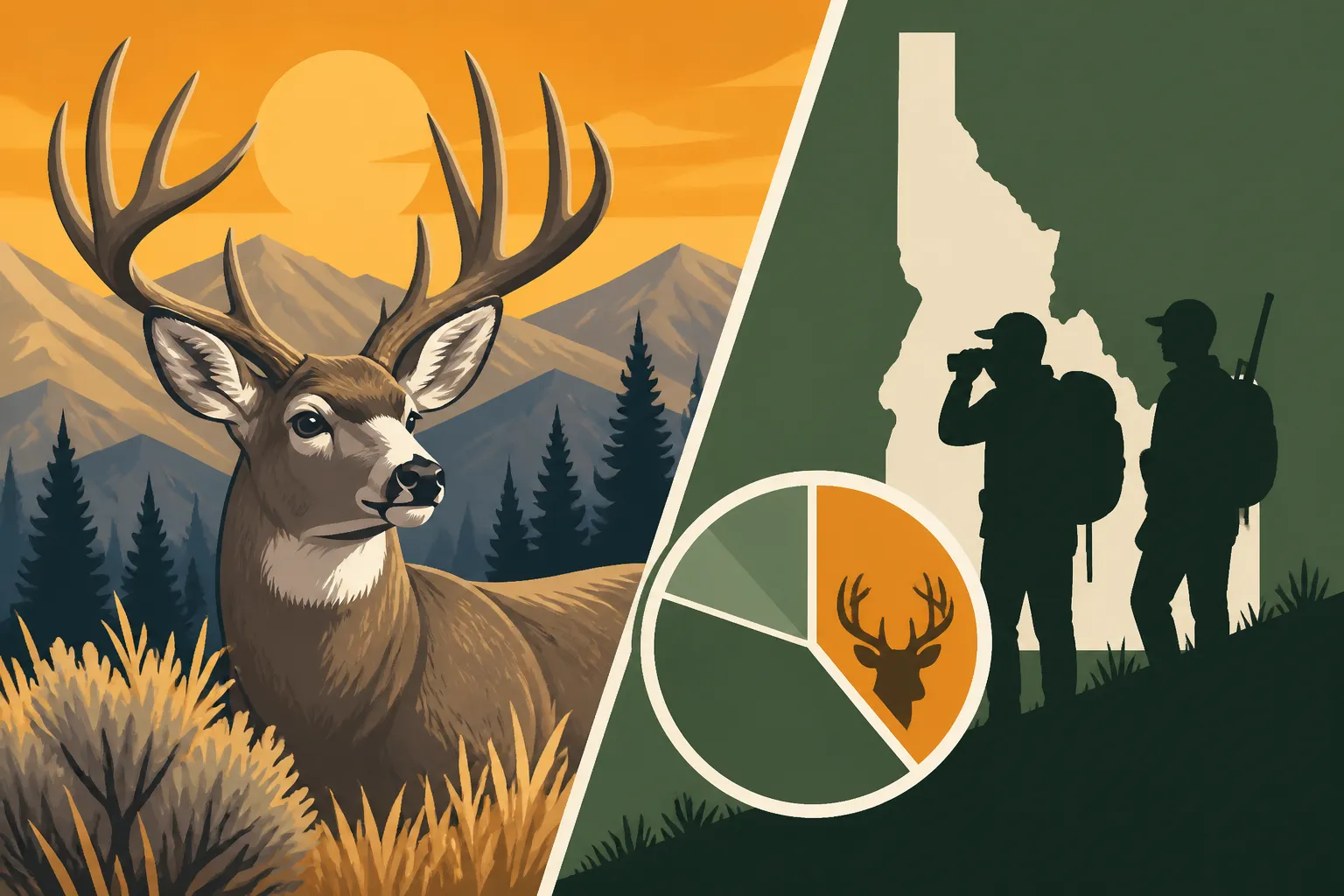
Trying to decide if an outfitter is the right investment for your Idaho mule deer hunt often leads to a deep dive into statistics, and "success rates" are usually the first thing that catches your eye. It's easy to get lost in those numbers, wondering if a high percentage truly guarantees a filled tag or if a lower one means a wasted trip. This guide is here to demystify outfitter success rates on mule deer, helping you understand what they really mean, how they're calculated, and how to use them as just one piece of the puzzle in choosing the right guide for your Idaho adventure.
What "Success Rate" Really Means for Mule Deer Outfitters
When you see an outfitter advertise a "success rate" for mule deer, it's easy to jump to the conclusion that it's a direct measure of how many clients actually tagged an animal. But the truth is, that single number can be much more nuanced, and often, it means different things to different outfitters. It's crucial to dig a little deeper and ask precise questions, because what one outfitter considers a "successful hunt" might be entirely different from another's, or even what you consider successful. This is a common point of frustration for hunters trying to compare services.
Understanding the Different Definitions of Success
Outfitters typically use a few different metrics when they talk about success rates, and these can drastically alter the perception of their operation. You might see a rate for "kill," "opportunity," or "harvest," and each one tells a very different story about your potential hunt. Without clarification, you're essentially comparing apples to oranges, or perhaps even apples to a whole other fruit entirely. It's like looking at a drawing odds report and not realizing it's combining all species together – misleading, right?
- Kill Rate/Harvest Rate: This is what most hunters think of first. It's the percentage of clients who actually put an animal on the ground. A high kill rate is obviously appealing, but it can also be influenced by factors like the outfitter's ethical standards (are they pushing clients to take marginal shots?), the specific unit they hunt, and even the time of year. For instance, a late-season rifle hunt might naturally have a higher kill rate than an early archery season.
- Opportunity Rate: This is often a more realistic measure of a quality hunt, especially for experienced hunters. An opportunity rate represents the percentage of clients who had a legitimate, reasonable chance to harvest an animal. This means a deer was spotted within ethical shooting range, but for various reasons (the hunter passed, missed, buck fever, etc.), the animal wasn't taken. An outfitter with a high opportunity rate is consistently putting hunters in front of game, which is a huge testament to their scouting, knowledge, and guide skills.
- Client Satisfaction Rate: While not a "success" rate in the traditional sense, some outfitters will highlight client satisfaction. This speaks to the overall experience – camp comfort, food, guide professionalism, and safety – regardless of whether a deer was harvested. For many, a great experience in the Idaho backcountry, even without a filled tag, is still a successful hunt.
Why You Can't Just Trust a Percentage
Simply seeing "90% success rate" on an outfitter's website might be impressive, but it should immediately trigger a series of follow-up questions. A number alone lacks context. Is that a kill rate or an opportunity rate? Is it an average over many years, or just their best year? Does it include specific hunts, like youth hunts or management hunts, which might skew the numbers?
For example, an outfitter running hunts in a unit known for mature bucks might have a lower kill rate if clients are strictly holding out for a trophy, but a very high opportunity rate for those willing to take a solid, mature mule deer. Another outfitter might have a higher kill rate because they're hunting a different unit with a higher deer density, but perhaps fewer trophy-class animals. This is why when you're Reading an Idaho Harvest Statistics Report, understanding the specific unit data and what "success" means in that context is so important.
Factors Influencing Outfitter Success Rates on Mule Deer in Idaho
Idaho's diverse landscapes, from the high desert sagebrush to the steep timbered canyons and mountain breaks, offer incredible mule deer hunting. However, these varied environments, along with other critical elements, play a huge role in shaping an outfitter's actual success rates. It's not just about finding deer; it's about finding harvestable deer under varying conditions, and getting a client into position for a shot.
Terrain and Habitat Specifics
Idaho is a land of contrasts, and mule deer thrive in different parts of it. An outfitter who excels in one type of terrain might struggle in another if they don't have the experience.
- High Desert and Sagebrush Steppe: In regions like the Owyhee Country, mule deer often inhabit vast, open sagebrush flats and rolling hills. Success here relies heavily on glassing ability, long-range shooting proficiency, and understanding how deer use sparse cover. Outfitters in these areas often boast high opportunity rates because deer are easier to spot, but closing the distance can be a challenge. Best Time of Day to Glass Mule Deer is crucial here, as is knowing how to use Optics Power for Idaho's Long Canyon Sightlines.
- Mountain Breaks and Canyons: Areas like the Salmon River Breaks or the Hells Canyon Wilderness present extremely rugged terrain. Mule deer in these areas are often found on steep slopes, hidden in draws, and along benches. Hunting here is physically demanding, requiring guides who know how to navigate treacherous ground and find deer in complex cover. Success rates in these areas might be lower simply due to the physical challenge and difficulty of a stalk, even if deer numbers are good. Glassing Breaks and Benches for Mule Deer and knowing Using Benches and Draws to Close Distance are critical guiding skills.
- Timber and Foothills: In some northern and central Idaho units, mule deer can be found in more timbered environments, sometimes overlapping with whitetail habitat. Here, hunting often involves still-hunting, tracking, and focusing on pinch points. Success rates here depend more on quiet movement, patience, and knowing deer escape routes, rather than vast open country glassing. Choosing a Rifle Zero Distance for Canyon Country Shooting might be less relevant than having a rifle suitable for quick, close shots in dense timber.
Hunter Skill, Fitness, and Expectations
Even with the best outfitter and abundant mule deer, the hunter's own preparedness is a massive factor. An outfitter can only do so much; the rest is up to you.
- Physical Conditioning: A mule deer hunt in Idaho, especially in the mountains or breaks, can be incredibly strenuous. If a hunter isn't physically ready to hike miles in steep terrain, climb, and potentially pack out an animal, their chances of success, even with an outfitter, diminish. An outfitter might put a client on a buck three ridges over, but if the client can't get there, or struggles so much they can't shoot accurately, it affects the "success" of that specific hunt.
- Shooting Proficiency: Hunters need to be confident and competent with their weapon. Missing an opportunity, or worse, wounding an animal, impacts the outfitter's stated kill rate. Outfitters usually prefer clients who have practiced regularly and are comfortable shooting at realistic field distances, which can sometimes be longer than hunters are used to. Asking about Realistic Archery Practice Distance for Big Game or Rifle Zero Distance for Canyon Country Shooting shows you're thinking ahead.
- Realistic Expectations: Trophy expectations can significantly influence a hunter's personal "success." An outfitter might offer consistent shots at good, mature mule deer, but if a client is solely holding out for a 200-inch buck, they might pass on multiple opportunities, leading to an unfilled tag and a perceived "unsuccessful" hunt. This isn't a reflection of the outfitter's ability to find deer, but rather the mismatch in expectations. Good outfitters try to manage this upfront.
Outfitter Operations and Guide Quality
Not all outfitters are created equal, and the quality of their operation directly impacts their ability to consistently deliver opportunities.
- Guide Experience and Local Knowledge: A guide who has spent years hunting a specific unit knows the land intimately – where deer feed, bed, water, and move during different conditions. This deep knowledge is invaluable. A newer outfitter or guide, no matter how enthusiastic, simply might not have the same level of insight. The Ten-Day Area Experience Guides Must Have is a licensing requirement in Idaho for a reason – it ensures a baseline of local familiarity.
- Scouting and Camp Logistics: Top outfitters invest significant time in scouting before and during the season. They understand mule deer migration patterns and how weather fronts impact animal movement. Good camp logistics, including comfortable accommodations, quality food, and reliable equipment (horses, vehicles, etc.), also contribute to a hunter's ability to perform. An outfitter using Pack String Outfitters Working in Idaho for backcountry access or Jet Boat Drop-Offs on the Salmon River will have different operational complexities than one hunting easily accessible public land.
- Permit Areas and Access: The specific game management units (GMUs) an outfitter holds permits for are critical. Some units consistently produce higher numbers of mule deer or larger bucks than others. An outfitter with permits in prime areas will naturally have a higher ceiling for success. Additionally, access to private lands through programs like Idaho Landowner Appreciation Program Tags can sometimes offer less pressured hunting opportunities, potentially increasing success rates.
How to Vet an Outfitter Beyond the Success Rate
While success rates can provide a starting point, they are far from the full picture. Smart hunters look beyond the numbers to truly understand what an outfitter offers and if it aligns with their personal hunting goals and style. Vetting an outfitter properly involves a deeper dive into their operation, communication, and reputation.
Asking the Right Questions
Don't be shy about asking direct and detailed questions. A reputable outfitter will appreciate your thoroughness.
- Clarify Success Rate Definitions: Always ask: "Is your advertised success rate a kill rate or an opportunity rate?" If it's a kill rate, ask what their opportunity rate is. Also, inquire about the time frame the rate covers (e.g., "Is this an average over the last five years, or just last season?"). Ask about the biggest mule deer harvested recently and the typical size of animals clients are taking.
- Understand Hunt Logistics: Get clear on daily routines. How much hiking is involved? What are the transportation methods to and from hunting areas? What kind of accommodations can you expect? How many hunters are in camp at one time, and what is the Guide to Hunter Ratio Limits on a Trip?
- Inquire About Guides: Ask about the experience level of the specific guide you'll be hunting with. How long have they worked for the outfitter? How well do they know the particular unit you'll be hunting? You want to know that your guide has experience and isn't fresh out of guide school.
Checking References and Online Reviews
This is where you get firsthand accounts of other hunters' experiences. Don't rely solely on testimonials posted on the outfitter's website.
- Request a Client List: Ask the outfitter for a list of recent clients (ideally from the last 1-3 years) that you can contact directly. Be sure to ask for clients who did harvest a mule deer and clients who did not. Their experiences will give you a balanced view. When calling references, ask specific questions about the guide, the terrain, the food, and how the outfitter handled any unexpected issues.
- Utilize Hunting Forums and Communities: Many online hunting forums and social media groups have discussions about outfitters. Be discerning, as some reviews can be biased, but look for consistent themes or recurring praises/complaints. Websites like BookYourHunt and GoHunt often feature outfitter listings with reviews, which can be a great place to start your research and compare options. Just remember to read between the lines and cross-reference.
- Verify Licenses and Permits: Ensure the outfitter is properly licensed and permitted in Idaho. You can contact the Idaho Outfitters and Guides Licensing Board to verify their credentials and check if any complaints have been filed against them. This is a non-negotiable step to protect yourself.
Considering Your Own Goals and Budget
Ultimately, the "right" outfitter for you depends on what you want out of the hunt.
- Hunting Style and Experience: Are you an experienced backcountry hunter looking for a challenging stalk, or a newer hunter needing more hands-on guidance? Do you prefer a remote tent camp or a more comfortable lodge? Discuss your hunting style and expectations upfront to ensure the outfitter can deliver the experience you're seeking.
- Budget Alignment: Guided hunts represent a significant investment. Make sure the outfitter's pricing aligns with your budget and clearly understand what is What Outfitter Prices Almost Never Include (e.g., licenses, tags, meat processing, taxidermy, tips). Sometimes What an Idaho Drop Camp Costs might be a more budget-friendly option than a fully guided hunt if you're looking to cut costs but still need assistance with logistics.
- Draw Calendar and Application Process: Many of Idaho's best mule deer hunts are controlled hunts requiring specific tags. Your outfitter can often advise you on units and seasons that align with their permits. Understanding Booking an Idaho Hunt Around the Draw Calendar is key, as some outfitters get booked years in advance, even before tags are drawn.
Your Role in Maximizing Mule Deer Hunting Success with an Outfitter
Even with a top-notch outfitter and a fantastic mule deer unit, your personal success on a guided hunt isn't guaranteed. You play an active, vital role in turning those "opportunities" into "harvests." Thinking of your hunt as a partnership with your guide, where your preparation complements their expertise, is the best approach.
Physical and Mental Preparation
Idaho's mule deer country demands a certain level of readiness, both physically and mentally. Don't underestimate it.
- Get in Shape: This cannot be stressed enough. Weeks or months before your hunt, start a rigorous fitness routine that mimics hunting conditions. Hike with a loaded pack, climb hills, and focus on cardiovascular endurance. If your guide has to slow down for you constantly, or you're too exhausted to hold steady for a shot, you're reducing your own odds. Mule deer often inhabit steep, rugged terrain, and being able to navigate it comfortably is half the battle.
- Practice Your Shooting: Become intimately familiar with your rifle or bow. Practice from various positions (standing, kneeling, prone, using shooting sticks or a bipod), at different ranges, and under simulated stress if possible. Know your weapon's capabilities and your own ethical limits. A good outfitter will put you in position, but you have to make the shot. This might mean practicing Holding for Wind Across a Deep Canyon if you're in an area with long-range potential.
- Develop Mental Toughness and Patience: Hunting, especially for mule deer, often involves long hours of glassing, challenging stalks, and dealing with unpredictable weather. Frustration can set in. Cultivate patience, stay positive, and trust your guide. A positive attitude can make a huge difference in how you perceive the hunt, regardless of the outcome.
Communication and Cooperation with Your Guide
Your guide is your partner in the field. Open and honest communication is paramount for a successful hunt.
- Be Clear About Your Abilities and Limitations: Before and during the hunt, be honest with your guide about your physical capabilities, shooting comfort, and what you're willing or unwilling to do. If you're struggling with the terrain, or you're not confident in a particular shot, speak up. Your guide can adjust plans or help you work through challenges. They can't read your mind.
- Listen to Your Guide's Advice: They know the area, the animal behavior, and the local conditions. Trust their judgment on stalks, shot opportunities, and safety. If they tell you to move slowly, be quiet, or wait for a better shot, there's a good reason. Ignoring their advice can jeopardize the hunt for everyone.
- Manage Expectations in the Field: Understand that conditions change. Weather, deer movement, and other hunters can all impact a day's plans. Be flexible and realistic. Your guide is doing their best to put you on an animal. Sometimes, despite everyone's best efforts, the deer just aren't cooperating.
Gear and Equipment
Having the right gear won't guarantee a mule deer, but having the wrong gear can certainly hinder your chances and make for a miserable hunt.
- Follow the Outfitter's Gear List: Most outfitters provide a detailed gear list. Stick to it. They know what works best for the specific conditions and terrain of their hunting area. This includes appropriate clothing layers, quality boots, optics, and a reliable weapon. If you're unsure about an item, ask them.
- Invest in Quality Optics: Mule deer hunting, especially in open country or vast breaks, often relies heavily on glassing. Good binoculars and a spotting scope can make the difference between spotting a distant buck and walking past it. Consider Binocular Size That Survives an All-Day Session and Spotting Scope Power for Canyon Glassing.
- Be Prepared for Weather Changes: Idaho weather in the fall can be highly unpredictable, swinging from warm and sunny to cold, wet, or even snowy in a single day. Pack layers, waterproof outer shells, and warm gear. Being cold and wet will distract you from hunting and compromise your comfort and safety.
By actively engaging in your own preparation and working cooperatively with your chosen Idaho outfitter, you significantly increase your chances of having a successful and memorable mule deer hunt, regardless of what the initial "success rate" numbers might suggest.
Disclaimer
This article is for general informational purposes only and does not constitute professional advice. Laws, prices and regulations vary by location and change over time. Consult a qualified professional for guidance on your specific situation.