What an Idaho Drop Camp Actually Includes
Embarking on an Idaho hunting adventure often conjures images of rugged mountains, vast forests, and challenging, rewarding pursuits. For many, the dream involves getting deep into the backcountry, far from the crowds, but the logistics of doing so can feel incredibly daunting – especially if you don't own a string of pack mules or a bush plane. This guide is designed to demystify one of the best solutions for independent hunters seeking that remote experience without the heavy upfront investment: the Idaho drop camp. We'll break down exactly what you can expect, what you’ll still need to handle yourself, and how to set yourself up for success.
Understanding the Idaho Drop Camp Concept
The drop camp is a fantastic middle ground for hunters who crave the solitude and challenge of a do-it-yourself hunt but appreciate a significant assist with the most physically demanding aspect: getting themselves and their gear deep into the wilderness. It’s not quite a fully guided experience, where a professional hunter is with you every step of the way, nor is it a completely unassisted backcountry trek where you shoulder everything from trailhead to spike camp. It’s a hybrid, designed to leverage an outfitter's logistical capabilities to put you right in the heart of prime hunting country.
What Sets a Drop Camp Apart from a Fully Guided Hunt
The core difference between a drop camp and a fully guided hunt is the presence of the outfitter's personnel in the field with you. In a fully guided hunt, your guide is with you from dawn until dusk, leading the stalk, calling game, helping with field dressing, and ensuring your safety and success throughout the day. With a drop camp, the outfitter’s role largely ends once you are "dropped" at your designated camp. You and your hunting partners are then responsible for all aspects of the hunt itself. This distinction appeals strongly to experienced hunters who trust their own hunting instincts, navigation skills, and physical prowess, but lack the specialized equipment or time to pack everything miles into the wilderness. It allows for a greater sense of accomplishment and independence while still getting to hunt truly remote areas.
Typical Services Provided by an Outfitter in a Drop Camp
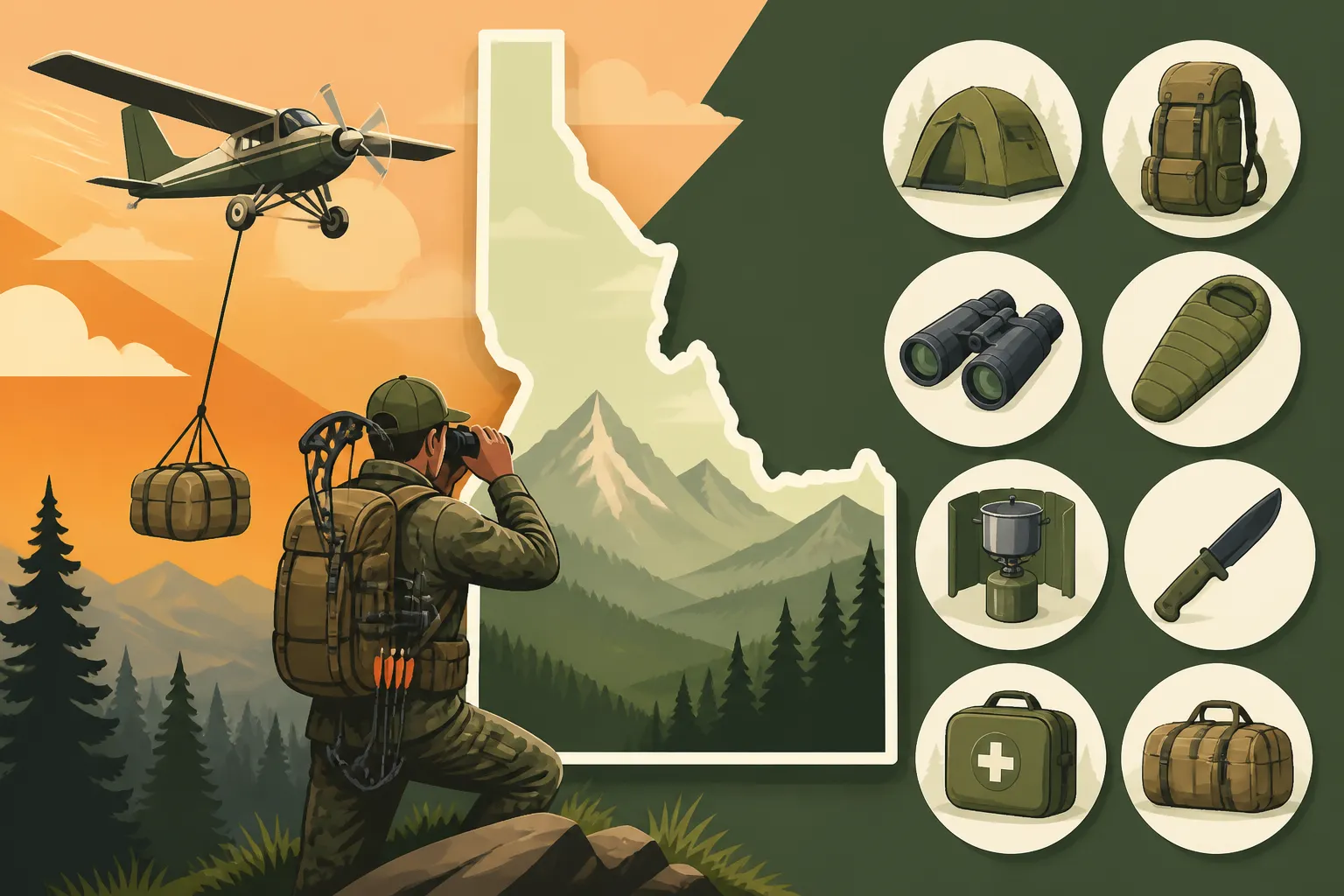
When you book an Idaho drop camp, you're primarily purchasing logistical support. This typically includes transportation for you and your gear into a pre-established camp location, and then transportation back out again at the end of your hunt. This might involve horseback riding for several hours or even a day, a jet boat trip up a remote river, or a small plane flight into a designated backcountry airstrip. The camp itself is usually set up with a wall tent, a wood stove for heat, cots or sleeping pads, and basic cooking utensils. The outfitter will also establish communication protocols, often involving satellite phone check-ins, to ensure your safety and arrange for your pickup or meat retrieval. Always clarify these details explicitly when talking to an outfitter, as offerings can vary widely from one operation to another.
The Self-Reliance Expectation for Drop Camp Hunters
This brings us to a crucial point: a drop camp still demands a high level of self-reliance. Once the outfitter leaves, you are on your own. This means you and your party are solely responsible for finding and stalking game, making ethical shots, navigating the terrain, field dressing your animal, and potentially packing it back to camp. There's no guide to course-correct your stalk or lend an expert eye to glassing distant ridges. You need to be confident in your abilities, possess strong outdoor skills, and be prepared for all contingencies. Physical Conditioning for Idaho Backcountry is not just a recommendation; it's a necessity, especially when considering the demanding work of packing out a deer or elk in steep, unforgiving terrain.
Breaking Down What's Included (and What Isn't)
Understanding the precise inclusions and exclusions of a drop camp package is paramount to avoiding surprises in the field. Many hunters assume certain services are standard, only to find out they incur additional fees or are simply not offered. A good outfitter will provide a detailed contract, but it's always wise to ask clarifying questions up front.
Transportation Logistics to Your Remote Hunting Area
This is arguably the biggest value proposition of an Idaho drop camp. Outfitters have the specialized equipment and permits to access areas that are incredibly difficult, if not impossible, for the average hunter to reach on their own.
Imagine the thrill of riding deep into the Salmon-Challis National Forest on horseback, your gear packed securely on mules, leaving the last dirt road miles behind. An outfitter handles all the animal care, packing, and navigation, allowing you to simply enjoy the journey. Similarly, some of Idaho's most rugged and game-rich country is only accessible by jet boat, like the remote canyons of the Salmon River, where an outfitter can drop you off at a riverside camp. For those seeking truly isolated experiences, Backcountry Airstrips and Jet Boats Change Idaho Access offer a unique way to fly into a remote strip, where your camp is waiting. No matter the method, understand the weight limits for both you and your gear, as exceeding these can incur extra costs or mean leaving essential items behind. Always pack efficiently and consult your outfitter’s recommended gear list.
Essential Camp Amenities Provided by an Outfitter
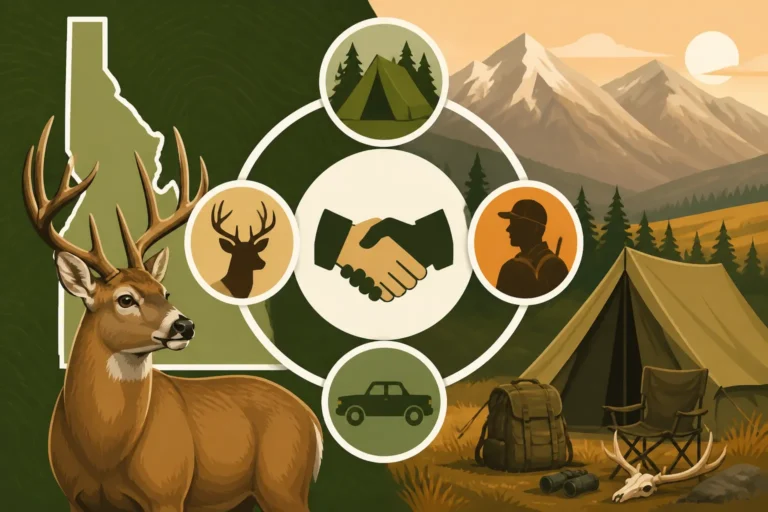
When you arrive at your drop camp, you'll generally find a comfortable, functional base camp ready for you. This typically includes a sturdy canvas wall tent, often with a framed structure, designed to withstand Idaho's unpredictable mountain weather. Inside, you'll likely have cots or thick sleeping pads to keep you off the cold ground, and a powerful wood stove to chase away the chill, even on frosty mornings. Some larger operations might even include a dedicated cook tent, providing a more organized space for meal preparation.
Beyond the shelter and warmth, most outfits provide basic cooking equipment such as pots, pans, utensils, a camp table, and sometimes even a propane stove for quick breakfasts or coffee. You might also find a reliable water purification system, whether it’s a gravity filter, pump, or simply a supply of treated water. The exact items can vary, so it's vital to get a specific list from your chosen outfitters & guides before you head out. These amenities might seem basic, but having them set up and transported for you saves an immense amount of time, effort, and specialized gear investment, allowing you to focus on the hunt.
What You're Expected to Bring Yourself
Even with the conveniences of a drop camp, your personal gear list remains extensive and crucial. You’ll be responsible for all your personal items, including your sleeping bag (rated for cold Idaho nights!), hunting clothing suitable for various weather conditions, a reliable backpack, and all your optics – binoculars, spotting scope, rangefinder. Of course, your weapon of choice – whether it’s a rifle, bow, or muzzleloader – along with ammunition or arrows, is entirely your responsibility.
Beyond the basics, you'll need all your food and beverages for the duration of the trip. Plan your meals carefully, considering both nutrition and weight, as every pound matters for transportation. Essential safety and navigation tools like a first-aid kit, detailed topographic maps, a GPS device, and a personal satellite communication device (like a Garmin inReach or Zoleo) are non-negotiable. Don't forget personal game care items such as sharp knives, a sharpening stone, and plenty of good quality game bags to protect your hard-earned meat. Reputable outfits will provide a comprehensive gear list, but always cross-reference it with your own needs and experience. Websites like GoHunt and BookYourHunt often feature resources and outfitter profiles that can help you cross-check typical gear requirements for different types of hunts.
Navigating the Nuances and Hidden Costs
While a drop camp offers excellent value, it’s not always an all-inclusive price. There are often nuances, potential hidden costs, and responsibilities that fall squarely on your shoulders. Being fully aware of these details before you commit can prevent significant disappointment or unexpected expenses during your trip.
Understanding Meat and Trophy Retrieval Policies
This is one of the most common areas where misunderstandings arise with drop camps. Getting an animal packed out of remote country is incredibly hard work, and outfitters often have strict policies and potential extra charges for this service. Many drop camp packages will include a basic level of meat retrieval, perhaps one animal of a certain weight class from within a reasonable distance of camp. However, if you shoot a bull elk three miles from camp, or if you harvest multiple animals, you might face additional fees.
Some outfitters charge per load of game, per mile for extended distances, or have weight limits for each pack animal trip. It's not uncommon for them to expect the meat to be quartered, deboned, and placed in game bags ready for transport. Always get precise details on their game retrieval policy in writing. Ask: "What happens if I shoot an animal two miles from camp? What if I fill both my deer and elk tags? Is there a weight limit per pack load?" Clarifying these points beforehand, and understanding What Outfitter Prices Leave Out, will save you a lot of potential stress and extra cash when you're standing over a downed animal miles from your tent.
Permits, Licenses, and Application Considerations
This might seem obvious, but it bears repeating: your hunting license, tags, and any necessary permits are never included in the cost of a drop camp. These are entirely your responsibility. For most big game in Idaho, this means navigating the complex draw system. The Idaho Controlled Hunt Calendar, April Through August outlines the application periods and deadlines for various species and specific units. You'll need to apply for and successfully draw the appropriate tag for your desired species and hunting unit long before your drop camp dates.
It's crucial to coordinate your drop camp booking with the Idaho draw calendar. Some hunters choose to book a drop camp "contingent" on drawing a tag, with clear cancellation or rebooking terms if they are unsuccessful. Others, especially for harder-to-draw tags, will only book their drop camp after they have successfully drawn. Given the significant investment, both in time and money, for a nonresident Idaho elk hunt, understanding this sequence is vital. Always discuss your draw status with your outfitter to ensure both parties are on the same page regarding payment schedules and potential refunds or rescheduling if the tag doesn't come through. Booking an Idaho Hunt Around the Draw Calendar can be a strategic move, but know the risks.
The Role of Communication and Emergency Planning
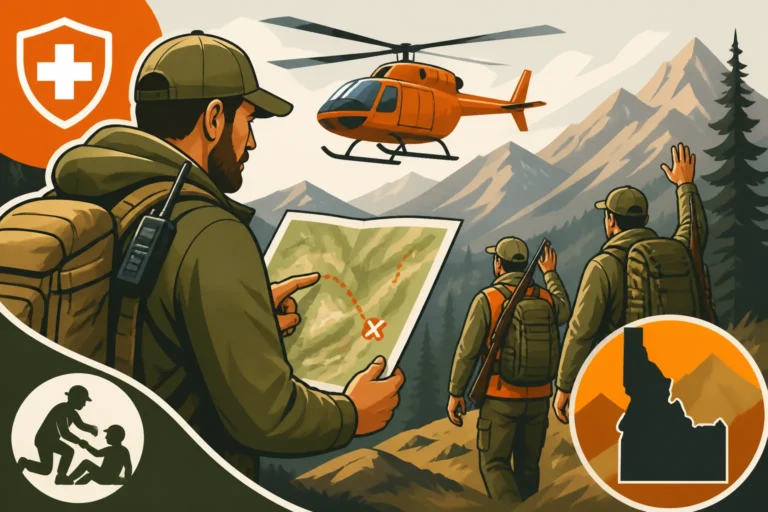
In a remote drop camp, effective communication and a solid emergency plan are literally lifesavers. Outfitters will establish a check-in schedule, often daily or every few days, using a satellite phone or similar device. You’ll be responsible for making these check-ins and reporting your status. This isn’t just about safety; it’s also how you’ll coordinate your pickup at the end of the hunt or arrange for meat retrieval.
Beyond routine communications, you need to understand the emergency protocols. What happens if someone in your party has a serious injury or medical emergency? How quickly can the outfitter get to you, or arrange for an evacuation? What are the contingency plans for severe weather that might delay your pickup? While you should carry your own Satellite Communication From a Backcountry Camp device, knowing your outfitter's capabilities and their emergency response procedures is critical. Discuss this thoroughly during your vetting process, especially if you're venturing into particularly rugged or isolated terrain.
Making the Drop Camp Decision
Choosing a drop camp is a significant decision that involves balancing cost, independence, and comfort. It's not for everyone, but for the right hunter, it can be an incredibly rewarding and unforgettable experience.
Pros and Cons for Different Hunter Types
Let's break down why a drop camp might be perfect for you, or why you might want to reconsider.
Pros of an Idaho Drop Camp:
- Cost-Effective Deep Wilderness Access: It's significantly less expensive than a fully guided hunt, while still getting you into areas most DIY hunters can't reach. What an Idaho Drop Camp Costs is typically a fraction of a fully guided trip.
- Independence: You get to hunt on your own terms, make your own decisions, and truly test your skills without a guide constantly by your side.
- Focus on Hunting: The heavy lifting of camp setup and transportation is handled, allowing you to maximize your hunting time.
- Less Planning Logistics: While you still plan your hunt, the outfitter handles the complex logistics of getting gear and people in and out of remote areas.
- Authentic Backcountry Experience: You'll be living and breathing the wilderness, often in areas with less human pressure.
Cons of an Idaho Drop Camp:
- No In-Field Guidance: You're solely responsible for finding game, stalking, and navigating. This requires considerable hunting experience and backcountry knowledge.
- Higher Risk for Inexperienced Hunters: Without a guide, navigating emergencies, adverse weather, or tricky game recovery situations falls entirely on your group.
- Physically Demanding: Packing out game, even back to camp, can be extremely strenuous, especially in Idaho's rugged mountains.
- Limited Flexibility: Once you're dropped, you're committed to that location until your scheduled pickup, barring an emergency.
- Hidden Costs: As discussed, meat retrieval, extra gear weight, or other unforeseen circumstances can add to the final price.
For seasoned hunters comfortable with backcountry travel and game retrieval, a drop camp is an excellent way to access prime hunting ground. For novices, a fully guided hunt or even a less remote DIY hunt might be a better starting point.
Vetting Your Outfitter for a Drop Camp Experience
Just like any significant investment, choosing the right outfitter for your Idaho drop camp requires diligent research. Start by looking for outfitters with a proven track record specifically in drop camp services, not just fully guided trips. The skills required for each can be quite different.
First, check that the outfitter is properly licensed by The Idaho Outfitters and Guides Licensing Board Explained. This ensures they meet professional standards. Next, ask for references—and actually call them. Ask past clients about the quality of the camp, the reliability of transportation, and the transparency of their pricing, especially regarding meat retrieval. Was communication clear? Did they feel safe and well-supported from a logistical standpoint? You can often find outfitters and read reviews on platforms like BookYourHunt, but always double-check with direct references and the licensing board. When speaking with the outfitter, ensure you cover all the "what ifs": weather delays, early success, late success, and emergency protocols. Vetting an Idaho Outfitter Before You Send a Deposit is the most critical step after securing your tag.
Preparing for a Successful Idaho Drop Camp Hunt
Success in an Idaho drop camp isn't just about drawing a tag; it's about preparation. Physical fitness is paramount. You'll be hiking steep terrain, potentially for many miles each day, and the most challenging part often begins after you've pulled the trigger. Training with a weighted pack, doing endurance exercises, and ensuring you're in peak physical condition will make all the difference in enjoying your hunt and safely getting your animal out.
Beyond physical prowess, hone your backcountry skills. This includes expert navigation with maps, compass, and GPS, as modern devices can fail. Practice shooting accurately from various field positions, as opportunities can be fleeting. Familiarize yourself with proper field dressing and quartering techniques to preserve the meat in warm weather, and learn how to hang it effectively in camp. A thorough understanding of Idaho’s hunting regulations and game care requirements is also essential. Mental preparedness for solitude, unexpected challenges, and potentially adverse weather conditions will contribute significantly to a rewarding experience. GoHunt's resources can be invaluable for researching unit specifics and understanding typical terrain and weather patterns.
| Feature | Fully Guided Hunt | Drop Camp Hunt | DIY Hunt (Backpacking) |
|---|---|---|---|
| Outfitter Presence | Guide with you at all times | Outfitter provides transport & camp setup | None |
| Hunting Strategy | Guided by professional | You and your group plan & execute | You and your group plan & execute |
| Camp Setup | Set up, maintained, and often cooked by guide | Set up by outfitter, maintained by you | Set up & maintained entirely by you |
| Transportation | Included in/out, often daily field travel | In/out transport provided, no daily help | Entirely by foot (or personal vehicle) |
| Gear Provided | Camp gear, some cooking equipment, often horses | Camp gear, basic cooking, water filter | None (you bring everything) |
| Meat Retrieval | Typically handled by guides | Policies vary; often extra cost | Entirely by you |
| Cost | Highest | Moderate | Lowest (but highest personal gear investment) |
| Independence | Lowest | High | Highest |
| Skill Required | Moderate (basic hunting skills) | High (hunting, navigation, backcountry) | Very High (all skills, physical fitness) |
This article is for general informational purposes only and does not constitute professional advice. Laws, prices and regulations vary by location and change over time. Consult a qualified professional for guidance on your specific situation.