Can an Idaho Resident Hunt Wilderness Unguided?
Idaho's vast, wild landscapes call to many of us, promising an experience that feels truly untamed. But for residents dreaming of chasing elk or deer deep in the backcountry, there's often a nagging question: can you really go it alone, or do those guide requirements apply to everyone? It's a valid concern, born from the often-confusing regulations that govern hunting in designated wilderness areas. This guide is here to clear the air, confirming that Idaho residents absolutely can and do hunt its magnificent wilderness areas without hiring an outfitter or guide.
Understanding Idaho's Wilderness Guide Rule for Nonresidents
Before we dive into the freedoms Idaho residents enjoy, it's crucial to understand why this question even comes up. Idaho has a specific regulation that often causes confusion: the wilderness guide rule. This rule is designed to manage hunting pressure and ensure a quality experience in specific, federally designated wilderness areas, primarily for nonresidents pursuing certain trophy species. It's an important distinction that sets Idaho apart from many other states.
The Specific Species That Trigger the Rule
For nonresidents, the wilderness guide rule isn't a blanket requirement for all hunting in these pristine areas. Instead, it specifically applies to certain coveted big game animals. If you're coming from out of state and planning to hunt elk, bighorn sheep, mountain goat, or mountain lion within a designated wilderness area, you are legally obligated to hire a licensed Idaho outfitter and guide. This regulation ensures that guided trips contribute to the local economy and that hunters are adequately prepared for the challenges of these remote environments. It’s a significant investment for a nonresident, and it's why understanding the rule is so important from the outset.
Which Wilderness Areas Are Covered
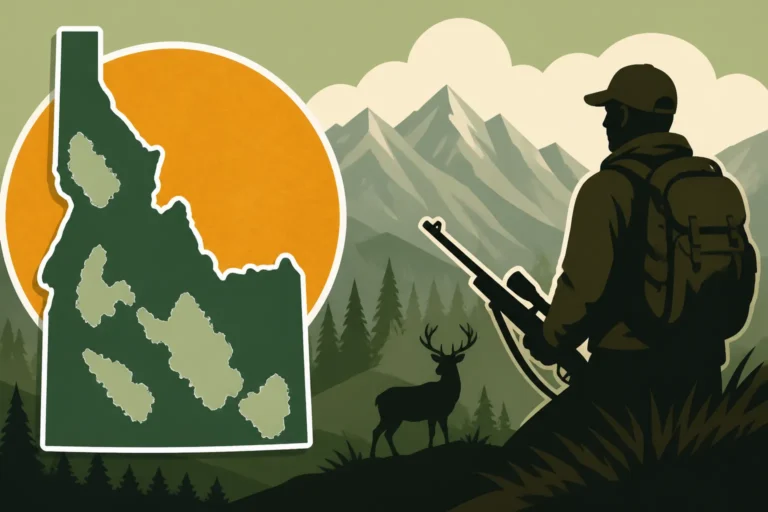
Idaho boasts some of the largest and most rugged wilderness areas in the Lower 48. These are places like the Frank Church-River of No Return Wilderness, the Selway-Bitterroot Wilderness, the Gospel Hump Wilderness, and parts of the Sawtooth and Hells Canyon Wilderness areas. If you're a nonresident planning a hunt for one of the species mentioned above, and your hunt is to take place within the boundaries of any federally designated wilderness area in Idaho, that's where the guide rule kicks in. These are not small, easily accessible parcels of land; they are immense, challenging, and often require significant planning and logistical support to navigate safely and successfully. Hunting the Frank Church River of No Return can be an epic adventure, but the rules for nonresidents pursuing certain species are clear.
The Freedom of Idaho Residents in Wilderness Areas
Now for the good news, and the direct answer to our core question: if you are an Idaho resident, you generally have the freedom to hunt its designated wilderness areas without the mandatory requirement of hiring an outfitter or guide. This is a privilege that residents cherish and one that opens up incredible opportunities for self-sufficient, backcountry hunting adventures.
No Guide Required for Residents
That's right, fellow Idahoan! As a resident, you are not subject to the same guide requirements as nonresidents when hunting in designated wilderness areas. Whether you're chasing elk through the vast expanses of the Selway-Bitterroot or pursuing mule deer in the rugged Sawtooths, you can plan your own trip, pack your own gear, and navigate these wild spaces on your own terms. This allows for a truly authentic wilderness experience, where success or failure rests entirely on your shoulders and your preparation. It means more flexibility in your schedule, more control over your budget, and the deep satisfaction of a completely DIY adventure. This freedom is one of the many reasons why Idaho resident hunting license price is such a great value, opening doors to these unparalleled opportunities.
Exempt Species for All Hunters (Including Nonresidents)
It's also important to note that certain species are exempt from the wilderness guide rule for everyone, residents and nonresidents alike. Regardless of where you call home, if you're hunting deer (both mule deer and whitetail) or black bear within a designated wilderness area in Idaho, you are not required to hire an outfitter or guide. This exemption makes these species popular choices for hunters who prefer a DIY approach, or for nonresidents who want to experience Idaho's wilderness without the added cost of a mandatory guide. It’s a common misconception that all hunting in wilderness requires a guide for nonresidents, but this isn't the case for deer and bear. This distinction allows for broader access to these incredible hunting grounds.
Here's a quick look at how the wilderness guide rule generally applies:
| Category | Idaho Resident (in Designated Wilderness) | Nonresident (in Designated Wilderness) |
|---|---|---|
| Elk | No mandatory guide | Yes, must hire licensed outfitter |
| Bighorn Sheep | No mandatory guide | Yes, must hire licensed outfitter |
| Mountain Goat | No mandatory guide | Yes, must hire licensed outfitter |
| Mountain Lion | No mandatory guide | Yes, must hire licensed outfitter |
| Mule Deer | No mandatory guide | No mandatory guide |
| Whitetail Deer | No mandatory guide | No mandatory guide |
| Black Bear | No mandatory guide | No mandatory guide |
Planning Your Unguided Idaho Wilderness Hunt
Just because you can hunt unguided as a resident doesn't mean you should take the task lightly. Wilderness hunting demands meticulous planning, robust physical conditioning, and a deep understanding of the challenges you'll face. It's an undertaking that requires respect for the land, the animals, and your own capabilities.
Essential Preparation for Backcountry Hunting
Venturing deep into Idaho's wilderness means you are your own first responder. Your preparation needs to cover everything from navigation to first aid, shelter, and sustenance. Start with your physical fitness: these hunts often involve steep ascents, long days, and packing out heavy loads. Training vigorously well before your hunt is non-negotiable. Next, hone your navigation skills. GPS devices, satellite communicators, and detailed topo maps (and knowing how to use them without electronics) are paramount. Make sure your gear is tested and reliable; a failed stove or leaky tent can quickly turn an inconvenience into a serious problem when you're miles from the nearest road. Think about lightweight but durable clothing layers, a reliable water filtration system, and enough food to sustain you for the duration, plus an emergency reserve. Packing an Elk Out of Steep Country Alone is a monumental task that requires physical and mental toughness.
Navigating Draw Odds and Tag Choices
As an Idaho resident, you have access to both general season tags and a variety of controlled hunts for species like elk, deer, and bear. Many of these controlled hunts occur in or near wilderness areas and often offer better trophy potential or less hunting pressure. Understanding the draw odds is key to planning your wilderness adventure. Resources like GoHunt can be invaluable here, providing detailed information on unit statistics, draw success rates, and public land percentages. You'll need to decide between an A Tag or a B Tag if you're pursuing elk in certain zones, which dictates whether you're leaning more towards archery and muzzleloader seasons (A Tags) or rifle seasons (B Tags). How to Pick Between an Idaho A Tag and a B Tag is a crucial decision that impacts your entire hunting strategy. Researching specific units and their past harvest success rates will help you make an informed decision on where to focus your efforts.
Maximizing Your Chances in Idaho's Backcountry
Success in Idaho's wilderness isn't just about drawing a tag; it's about making smart decisions before, during, and after your hunt. The vastness of these areas can be intimidating, but with the right approach, you can significantly increase your odds of a memorable and successful experience.
E-Scouting and Boots-on-the-Ground Reconnaissance
Modern technology has revolutionized the way we scout, and e-scouting is a critical first step for any wilderness hunt. Use online mapping tools and satellite imagery to identify potential game habitat, water sources, natural funnels, and escape routes. Look for benches, saddles, and timbered areas that might hold animals. Tools like GoHunt offer incredible layers for land ownership, wilderness boundaries, and even historical fire data, which can point to areas of new growth that attract game. However, e-scouting should always be complemented by "boots-on-the-ground" reconnaissance whenever possible. Even if you can't scout the exact unit, spending time in similar terrain locally will help you understand the challenges and hone your navigation skills. E-Scouting an Idaho Unit Before the Season can give you a significant advantage, helping you pinpoint potential hotspots from home.
Safety and Logistics for Remote Hunts
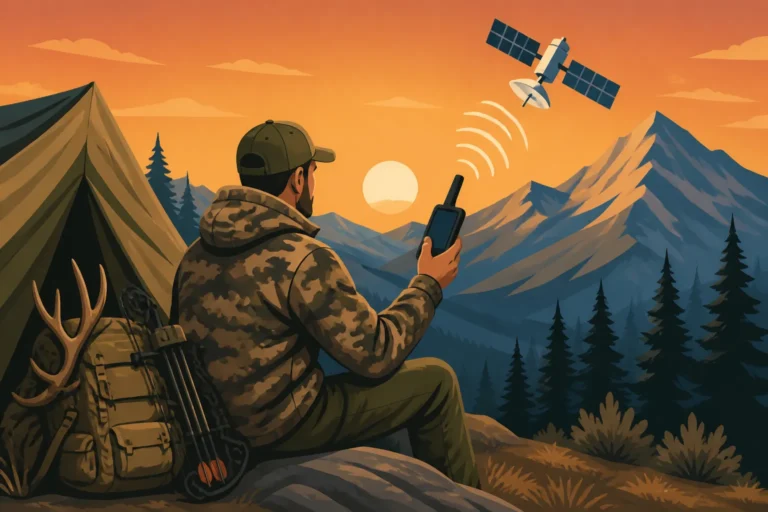
Hunting in Idaho's wilderness is an inherently risky endeavor, and safety should always be your top priority. Always let someone know your exact hunt plan, including your intended route, where you'll be camping, and when you expect to return. Consider carrying a satellite communication device (like a Garmin inReach or Zoleo) for emergency communication, even if it's just to check in with family. Be prepared for rapidly changing weather conditions; what starts as a sunny autumn day can quickly turn into a blizzard in the high country. Carry a comprehensive first-aid kit and know how to use it. When traveling with a partner, establish clear communication methods and stay within shouting distance or line of sight in dense timber. Remember that even though you're a resident and don't need a guide, exploring options on platforms like BookYourHunt for "drop camp" services could still be a viable option if you want help with packing in gear or getting to a remote location without fully guiding the hunt yourself. This allows you to retain the unguided hunting experience while easing some of the logistical burdens. Finally, be acutely aware of bear safety practices in an outfitter camp (even if you're not with an outfitter) or simply when setting up your own camp, especially in areas with grizzly activity. Proper food storage and vigilance are paramount.
Disclaimer
This article is for general informational purposes only and does not constitute professional advice. Laws, prices and regulations vary by location and change over time. Consult a qualified professional for guidance on your specific situation.