Jet Boat Access Up the Salmon River
The Salmon River, often called "The River of No Return," carves a rugged path through some of Idaho's most remote and wild country. For many hunters, this landscape represents an incredible opportunity to pursue big game far from the beaten path, but actually getting into these areas can feel like an insurmountable challenge. This guide will walk you through everything you need to know about utilizing jet boat access up the Salmon River to unlock these incredible hunting grounds, helping you understand the logistics, regulations, and unique experiences involved.
The Lure of the Salmon River Backcountry
There’s something truly magnetic about Idaho’s backcountry, especially when you gaze upon the vast, untamed drainages of the Salmon River. It’s a place where the mountains meet the river in dramatic fashion, creating a landscape that feels ancient and untouched. But with that allure comes a significant hurdle: how do you get there?
Why the Salmon River is a Backcountry Gem
The Salmon River country isn't just scenic; it's a vast ecosystem supporting thriving populations of elk, mule deer, bear, and mountain lion, among other species. Imagine rugged canyons, steep timbered slopes, and hidden benches, all crisscrossed by game trails that see far less human pressure than areas accessible by road. This remoteness translates directly into incredible hunting opportunities for those willing to venture deep. You’re not just hunting animals; you're immersing yourself in an experience that harkens back to a different era of hunting, where self-reliance and grit truly matter. The sheer scale of the landscape and the density of the game in these less-pressured zones make it a dream destination for hunters seeking a genuine wilderness challenge. It's a place where you might go days without seeing another soul, letting you connect with the wild in a profound way. For many, Elk Are Why Most Hunters Come to Idaho, and the Salmon River offers prime habitat for these majestic animals.
The Challenge of Traditional Access
Most Idaho hunting units offer some form of road access, whether it's improved forest roads, rough two-track trails, or designated ATV routes. However, much of the Salmon River corridor, particularly within the vast wilderness areas it traverses, is simply inaccessible by conventional means. Imagine staring at a topographical map, seeing miles of prime habitat, but realizing the nearest trailhead is days away on foot or horseback. Vehicle access is severely restricted, and in many places, completely nonexistent. You might spend days packing in on horseback, negotiating steep, winding trails, only to realize you've barely scratched the surface of the available hunting ground. Even then, you're limited to specific trails, which means game that holds away from those pathways remains largely undisturbed. This lack of traditional access is precisely what preserves the wild character of these areas, but it also creates a significant barrier for many hunters dreaming of an Idaho backcountry experience.
Understanding Jet Boat Access for Hunters
Enter the jet boat: a marvel of river navigation that literally opens up miles of otherwise inaccessible hunting territory along the Salmon. These specialized vessels are purpose-built to conquer shallow, rocky rivers, making them an indispensable tool for accessing remote camps and hunting grounds.
How Jet Boats Navigate Shallow, Rocky Rivers
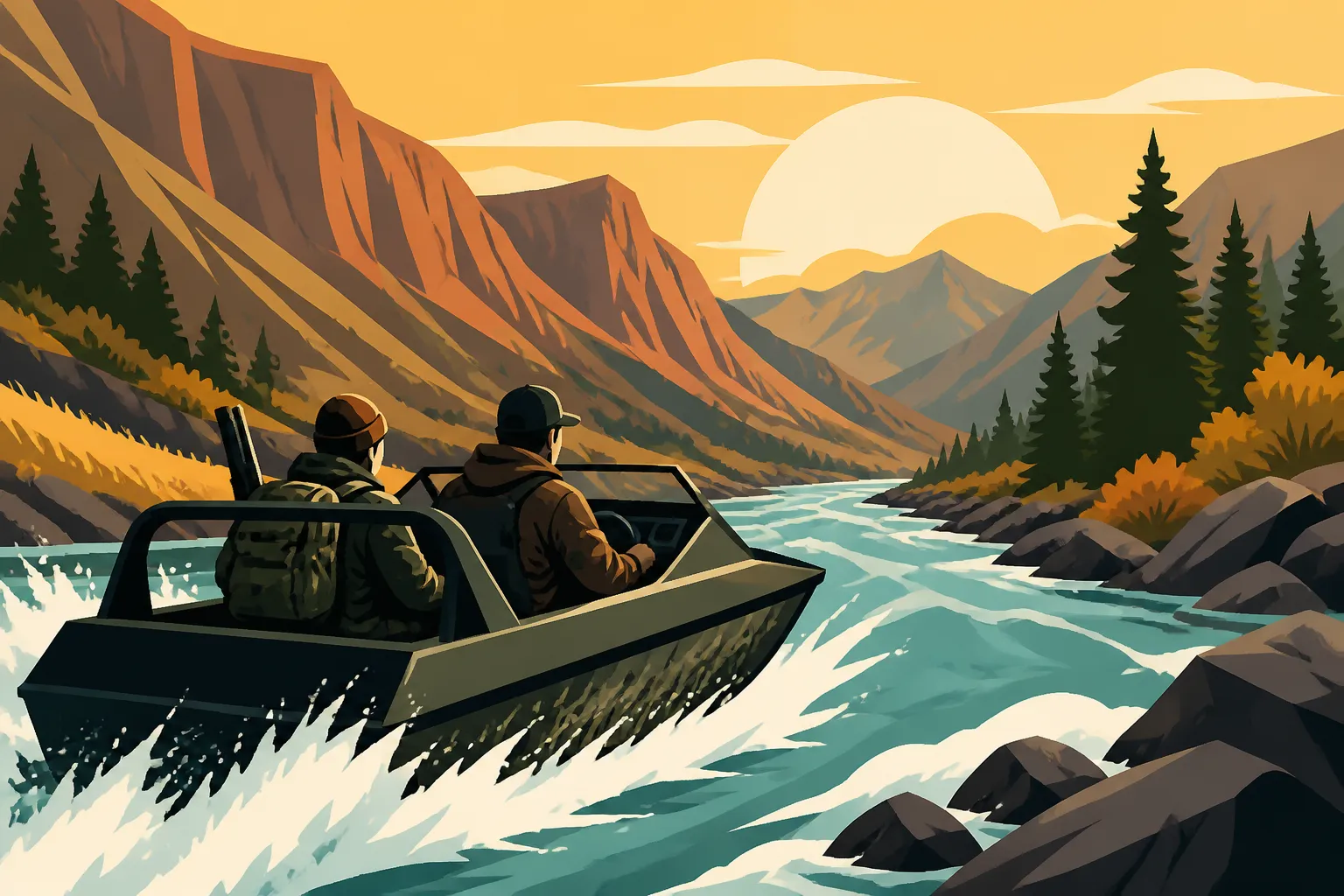
Unlike propeller-driven boats that risk serious damage in shallow, rock-strewn water, jet boats use an impeller to draw water in and then expel it under high pressure through a nozzle. This creates thrust without any parts extending below the hull, allowing them to glide over mere inches of water. Think of it like a jet ski, but on a much larger scale and designed for heavy loads. The roar of the engine as a skilled pilot navigates rapids and braids in the river can be both exhilarating and a little unnerving, but it’s a testament to the boat's incredible capability. This unique propulsion system means that stretches of the Salmon River, once considered impassable, become highways for these boats, transporting hunters and their gear deep into the wilderness. It's this ability to overcome extreme river conditions that makes jet boats the ultimate backcountry taxi for hunters in this region.
Drop-Off Points and Logistics
When you arrange for jet boat access, you're essentially signing up for a custom shuttle service to your chosen hunting location. Outfitters typically have permitted drop-off points along the river, often at designated camps or historical cabins. You and your gear, meticulously packed into waterproof dry bags and durable duffels, are loaded onto the boat. The journey itself is an experience, winding through canyons, past towering cliffs, and sometimes through exhilarating whitewater sections. Once you reach your drop-off, the pilot will unload your equipment, often helping to stage it on the riverbank, and then depart, leaving you in the quiet embrace of the wilderness. This arrangement means you need to be entirely self-sufficient for the duration of your hunt until the boat returns for your scheduled pick-up. It's crucial to coordinate pickup times precisely, as weather or river conditions can sometimes cause minor delays, and clear communication is paramount for your safety and success.
Packing for a Jet Boat Hunt
Packing for a jet boat hunt requires a thoughtful approach, balancing the need for wilderness self-sufficiency with the realities of boat capacity and river travel. Every item you bring must be able to withstand potential splashes, bumps, and the elements. Dry bags are your best friend for clothing, sleeping bags, and electronics, ensuring they arrive at camp in usable condition. Consider sturdy, waterproof duffels for heavier gear like tents, cooking equipment, and food. Weight and bulk are always factors, even on a jet boat, as the pilot needs to ensure safe navigation and maintain speed. You'll also need to consider how you'll pack out your game. Think about meat bags, game bags, and perhaps a heavy-duty frame pack that can handle quarters of an elk. Having a well-organized system for your gear not only makes the trip smoother but also makes setting up and breaking down camp much more efficient.
| Item Category | Essential Considerations | Why It Matters |
|---|---|---|
| Clothing | Layers, waterproof outer shell, durable fabrics | Adapts to changing mountain weather, keeps you dry in rain or boat spray. |
| Shelter | Durable tent, tarp, sleeping bag (appropriate temp rating) | Protection from elements, comfortable rest in remote areas. |
| Food & Water | Non-perishables, high-calorie, water filtration/purifier | Self-sufficiency, energy for strenuous hunting, safe drinking water. |
| Hunting Gear | Weapon, optics, knife, game bags, scent control, GPS | Successful harvest, navigation, meat preservation. |
| Safety | First-aid kit, satellite communicator, bear spray, fire starter | Emergency communication, injury treatment, animal defense, survival. |
| Cooking | Camp stove, fuel, basic cookware, biodegradable soap | Warm meals, hot drinks, hygiene, responsible wilderness ethics. |
| Miscellaneous | Headlamp, extra batteries, repair kit, rope, dry bags | Illumination, gear maintenance, securing items, keeping essentials dry. |
Outfitters and Guided Jet Boat Hunts
For many, the logistical complexities and inherent risks of navigating the Salmon River's wild stretches make hiring a professional outfitter not just appealing, but essential. These experienced professionals are the backbone of jet boat hunting access in Idaho.
Why Hire an Outfitter for Jet Boat Access
Attempting a DIY jet boat hunt up the Salmon River without prior experience can be fraught with danger. The river itself presents formidable challenges: ever-changing sandbars, hidden rocks, powerful rapids, and fluctuating water levels. Beyond the river, the sheer scale of the backcountry can be overwhelming for those unfamiliar with the terrain. An experienced outfitter brings not only the specialized jet boat and a skilled pilot but also invaluable knowledge of the local hunting grounds, game movement patterns, and critical safety protocols. They handle all the intricate logistics, from securing permits to navigating difficult stretches of water and ensuring safe drop-offs and pick-ups. When you're dreaming of a remote hunt, the last thing you want to worry about is river navigation or getting stranded. Furthermore, in many designated wilderness areas that the Salmon River borders or runs through, nonresidents are legally required to employ a licensed outfitter for certain big game species. This means for some hunts, choosing an outfitter isn't just convenient, it's a legal necessity. Remember, Every Idaho Guide Works Under a Licensed Outfitter, so you're getting a team of professionals.
What a Jet Boat Outfitter Provides
A reputable jet boat outfitter offers a comprehensive package designed to maximize your hunting experience and minimize your worries. This typically includes:
- River Transport: The core service, getting you and your gear safely up and down the river to your chosen hunting location.
- Established Camps: Many outfitters have permitted base camps, often with wall tents, cots, cooking facilities, and even satellite communication. This saves you significant time and effort in setting up a wilderness camp from scratch.
- Guiding Services: Beyond just transportation, a guided hunt means you have an experienced professional leading you to productive hunting areas, assisting with scouting, tracking, and field dressing game. They know the terrain like the back of their hand.
- Game Retrieval: This is a huge benefit. After a successful harvest, especially with an elk deep in a canyon, the outfitter will often assist in packing out the meat and capes to the river for transport back to civilization. This task alone can be incredibly physically demanding and dangerous if attempted alone, so having professional help is a game-changer.
- Meals and Supplies: On fully guided trips, meals are often provided and prepared, allowing you to focus entirely on the hunt. Even on drop camps, they ensure your gear is transported efficiently.
The value of these services truly shines when you consider the amount of physical labor and logistical planning involved in a DIY backcountry hunt.
Vetting a Jet Boat Outfitter
Choosing the right outfitter is paramount to a successful and safe Salmon River hunt. Don't just pick the first one you find online; do your homework. Start by looking for outfitters with a long-standing history of operating on the Salmon River, as this indicates experience with the river's unique challenges and local hunting conditions. You'll want to verify their licensing and permits with the Idaho Outfitters and Guides Licensing Board, ensuring they are legitimate and compliant with all state regulations. This ensures they meet professional standards and have the necessary authorizations to operate in specific areas. Ask for references from past clients, particularly those who have done similar jet boat-assisted hunts, and reach out to them. Inquire about their safety protocols, including emergency communication plans and first-aid capabilities. Websites like BookYourHunt can be a useful starting point for discovering outfitters, reading reviews, and comparing services, helping you narrow down your choices to reputable operations. Also, discuss their specific drop-off locations and how those areas align with your hunting goals and target species. A clear, detailed contract outlining services, costs, cancellation policies, and what's not included is also essential before you put down a deposit. Take your time, ask tough questions, and ensure you feel completely confident in your choice. The investment in a guided hunt is significant, so thorough vetting is key. For more tips, check out Vetting an Idaho Outfitter Before You Send a Deposit.
DIY Jet Boat Hunts: Feasibility and Regulations
While most hunters opt for guided or drop-camp experiences, the idea of a completely self-sufficient DIY jet boat hunt on the Salmon River can be incredibly appealing for the truly adventurous and experienced. However, it’s a path less traveled for good reason, demanding a high level of skill, knowledge, and preparedness.
Operating Your Own Jet Boat on the Salmon
Operating your own jet boat on the Salmon River is not for the faint of heart, or the inexperienced. It requires significant skill in river navigation, reading water, and understanding the nuances of jet boat handling in challenging conditions. The Salmon is dynamic; currents can shift, rapids can become more technical with lower water, and sandbars can appear overnight. You need a boat specifically designed for river conditions, capable of handling heavy loads, and robust enough to withstand potential impacts with rocks or logs. Moreover, you'll need extensive mechanical knowledge to troubleshoot and potentially repair issues on the fly, as help is often many miles away. Many private boaters spend years honing their skills on less treacherous rivers before even considering the Salmon. This isn't just about driving a boat; it's about mastering a highly specialized craft in a wild, unforgiving environment.
Permitting and Restrictions
Even if you own a jet boat and possess the skills to operate it on the Salmon, you're not free to simply go wherever you please. Large sections of the Salmon River corridor, particularly those within or adjacent to designated wilderness areas like the Frank Church-River of No Return Wilderness, have strict regulations regarding motorized travel. While the river itself might be considered a "motorized corridor" through some wilderness sections, access points and activities might be highly restricted. For instance, specific rules govern where you can pull ashore, camp, or even discharge a firearm. You absolutely must research the specific rules for the exact section of river and land you plan to hunt. Some areas might require special permits for camping or access beyond the main river channel, especially on Forest Service or BLM lands. It's not uncommon for restrictions to be in place regarding the horsepower of your motor or the type of boat you can operate. Understanding these nuanced regulations is crucial; ignorance is not an excuse, and violations can lead to hefty fines or even seizure of your equipment. It's always best to check with the local Idaho Fish and Game office and the relevant land management agency (e.g., Forest Service, BLM) well in advance of your trip. Also, be aware of rules like Motorized Vehicles Inside Wilderness Boundaries, which might affect your ability to use ATVs even if you got your boat there.
Safety Considerations for Private Jet Boat Operators
Safety should be your absolute top priority when considering a DIY jet boat hunt. The risks are substantial. Beyond the navigation challenges of the river itself, you'll be operating in an extremely remote environment. Consider the following:
- River Hazards: Rocks, rapids, snags, and fluctuating water levels pose constant threats. A single mistake could lead to a capsized boat, lost gear, or serious injury.
- Mechanical Failure: A breakdown deep in the canyon means you're stranded. Carrying spare parts, tools, and having the expertise for field repairs is non-negotiable.
- Emergency Communication: Cell service is non-existent. A satellite phone or a reliable satellite messenger is vital for any emergency, whether it's a boat issue, a hunting accident, or a medical crisis.
- Medical Preparedness: You are your own first responder. A comprehensive wilderness first-aid kit and advanced first-aid training are essential.
- Bear Safety: You'll be in prime bear country. Bear spray, proper food storage, and vigilance are critical.
- Weather: Mountain weather can change rapidly and drastically. Be prepared for sudden storms, cold temperatures, and heavy snow, even in early fall.
Without the safety net of an outfitter, you assume all these risks yourself. This type of hunt is only suitable for highly experienced outdoorsmen with significant river boating expertise, exceptional wilderness survival skills, and a robust support network.
Planning Your Salmon River Jet Boat Hunt
A successful jet boat hunt on the Salmon River demands meticulous planning, from choosing your hunting grounds to understanding the seasonal nuances and budgeting for the expedition.
Choosing Your Hunt Unit and Species
The Salmon River winds through a multitude of Idaho Game Management Units (GMUs), each with its own characteristics, regulations, and wildlife populations. Your first step is to dive deep into the Idaho Fish and Game regulations and maps. Consider which species you're most interested in pursuing. While Elk Are Why Most Hunters Come to Idaho to this region, the Salmon River breaks also offer incredible opportunities for Mule Deer Across Idaho's High Desert and Breaks, black bears, and even mountain lions. Some units along the Salmon are general season units, offering over-the-counter tags, while others are controlled hunts requiring you to draw a tag.
Jet boat access allows you to target areas far from road systems, which can often mean lower hunting pressure and higher chances of encountering mature animals. Look for units with a high percentage of public land accessible by river and analyze harvest statistics for those units on the Idaho Fish and Game website. These statistics, often found through tools like The Idaho Hunt Planner Is the Tool to Start With, can give you insights into historical success rates and game density. Consider the terrain; steep, rugged canyons might mean more physically demanding hunts but also areas less frequented by other hunters. Your choice of unit and species will dictate the timing, effort, and ultimately, the success of your hunt.
Timing Your Trip
The timing of your Salmon River jet boat hunt is critical and depends heavily on the species you're after and the specific season dates.
- Early Archery Season (Late August – September): This is a popular time for elk hunting, coinciding with the early stages of the rut when bulls are vocal and responsive to calling. Water levels on the Salmon are typically lower and more stable, which can be easier for jet boat navigation but also means more potential for exposed rocks and sandbars.
- General Rifle Season (October): Rifle seasons for elk and deer often fall in October. The weather can be highly unpredictable, ranging from mild days to sudden snowstorms. River levels may begin to rise as fall rains and early snowmelt contribute, which can make navigation more challenging due to stronger currents.
- Late Season Hunts (November): Some units offer late-season opportunities, particularly for mule deer as they begin their migration to wintering grounds. However, by November, snow can be deep in the high country, and river conditions can be very cold and potentially hazardous with ice formation in shallower sections.
Beyond hunting seasons, consider the impact of water levels on jet boat access. Outfitters continuously monitor river flows. Lower water can expose more hazards, while excessively high water can make rapids more dangerous and push animals off the riverbanks. Always discuss the best timing for your specific hunt objectives with your outfitter or, if DIY, monitor river flow data carefully. This planning also applies if you are thinking about Reading Wind in Steep Timbered Country or understanding Bugle and Cow Call Timing Through September.
Budgeting for a Jet Boat Hunt
A Salmon River jet boat hunt, whether guided or DIY, is an investment. Understanding the costs involved is crucial for proper planning.
- License and Tags: This is your foundational cost. For nonresidents, an Idaho hunting license, along with specific deer and elk tags, can be a significant expense. The Idaho Fish and Game website or resources like GoHunt offer current pricing, though it's important to remember that prices for licenses and tags can change.
- Outfitter Fees (Guided/Drop Camp): This is typically the largest component of a guided hunt. Prices vary widely based on the duration of the hunt, species, level of service (fully guided vs. drop camp), and the outfitter's reputation. A fully guided elk hunt could range from several thousand dollars to well over ten thousand. Drop camps are generally less expensive but still represent a substantial cost. Look for detailed breakdowns from outfitters and be clear about what's included and what's not (e.g., meat processing, taxidermy, tips).
- Jet Boat Maintenance and Fuel (DIY): If you're running your own boat, factor in fuel costs for the entire trip, potential repairs, maintenance, and storage. Jet boats are thirsty machines, and fuel can be expensive in remote areas.
- Gear and Supplies: High-quality backcountry hunting gear isn't cheap. Factor in costs for durable tents, sleeping systems, clothing, food, optics, and specialized equipment like satellite communicators. Don't forget proper game bags and packing frames for retrieving your animal.
- Travel Costs: Don't overlook transportation to and from Idaho, including flights, rental vehicles, and lodging before and after your hunt.
- Meat Processing/Shipping: After a successful hunt, you'll need to pay for meat processing, and potentially shipping if you're traveling a long distance.
It's wise to build in a contingency fund for unexpected expenses. Sites like GoHunt provide valuable tools for researching draw odds and unit information, which can help in making informed decisions about where to apply, indirectly influencing your budget by guiding you toward more realistic tag acquisition. Thorough budgeting ensures you're financially prepared for the adventure and can enjoy it without constant worry about unforeseen costs. Total Cost of a Nonresident Idaho Elk Hunt is an internal resource that may give you a bigger picture.
On-the-Ground Logistics and Experience
Once the jet boat has dropped you off, the real adventure begins. Navigating the remote landscape, setting up a functional camp, hunting effectively, and retrieving your hard-earned game are all critical phases of a Salmon River jet boat hunt.
Setting Up Camp After a Drop-Off
The jet boat has pulled away, and you're standing on the banks of the Salmon River, surrounded by all your gear. Now, it's time to transform that pile of bags into a functional, comfortable, and safe base camp. The first priority is selecting a suitable location—flat, well-drained ground, ideally with some protection from wind and sun, and importantly, far enough from the river's edge to avoid any unexpected water level changes. Proximity to fresh water is also a key consideration, ensuring you have easy access for drinking, cooking, and hygiene.
Once the spot is chosen, the work begins. Erect your primary shelter—a sturdy wall tent with a stove if conditions warrant, or robust backpacking tents if you're traveling light. Organize your cooking area, ensuring food is stored securely away from wildlife, especially bears. This means utilizing bear-resistant containers or hanging food bags from trees. A designated latrine area, away from water sources, is essential for maintaining hygiene and respecting the environment. Every piece of gear should have a place, making your camp efficient and reducing clutter in a tight space. Remember, this will be your home for the next several days, so investing time in a solid camp setup pays dividends in comfort and peace of mind.
Hunting from a River Base
Hunting from a river base camp involves a different strategic approach than traditional road-accessed hunts. Your "trailheads" are essentially right outside your tent, leading up into the steep canyons and timbered slopes directly from the river. Daily forays will likely involve significant vertical climbs. Hunters often spend their mornings climbing high to glass benches and draws for feeding animals, or setting up to call elk during the rut. In the afternoons, attention might shift to still-hunting through timbered north slopes where game beds, or returning to high vantage points for evening glassing.
The river itself can also play a role in your hunting strategy. Animals often come down to the water to drink, especially in drier periods, providing opportunities for spotting. However, much of the best hunting will be found by pushing uphill, away from the immediate river corridor. You'll need to adapt to the terrain, utilizing benches, saddles, and drainages to navigate the incredibly steep country. Carrying adequate water, snacks, and emergency gear for these daily excursions is crucial, as you'll be miles from your base camp and potentially in areas with no cell service. The silence of the backcountry, punctuated only by the sounds of nature, offers an immersive experience unlike any other. For more specific techniques on how to hunt the breaks, read Glassing Idaho Breaks for Mule Deer.
Game Retrieval and Transport Back to the Boat
This is arguably the most challenging and critical phase of a successful Salmon River jet boat hunt. Down an animal deep in the backcountry, particularly an elk, and the work truly begins. You must be prepared for the immense physical effort required to break down the animal, bag the meat, and pack it out. Packing an Elk Out of Steep Country Alone is a monumental task, and having a plan and the right gear is non-negotiable.
Quartering the animal and using good quality game bags to protect the meat is essential, especially in warmer temperatures. You'll need sturdy frame packs to haul heavy loads of meat down steep, uneven terrain back to your river camp. This often requires multiple trips, sometimes over several days, meaning meticulous planning for meat preservation is paramount. Think about strategically placing meat in shaded, cool areas, or even using portable game coolers if an outfitter provides them.
Once the meat and trophy are back at camp, they must be securely stored until the jet boat returns for pickup. This means keeping it protected from scavengers and ensuring it remains cool. When the boat arrives, the crew will help load your harvest, along with all your camp gear, for the journey back downriver. This final stage is a huge relief, but it highlights why fitness, preparation, and sometimes, the assistance of an outfitter, are so crucial for a successful and ethical harvest in this incredible, wild landscape.
Disclaimer
This article is for general informational purposes only and does not constitute professional advice. Laws, prices and regulations vary by location and change over time. Consult a qualified professional for guidance on your specific situation.