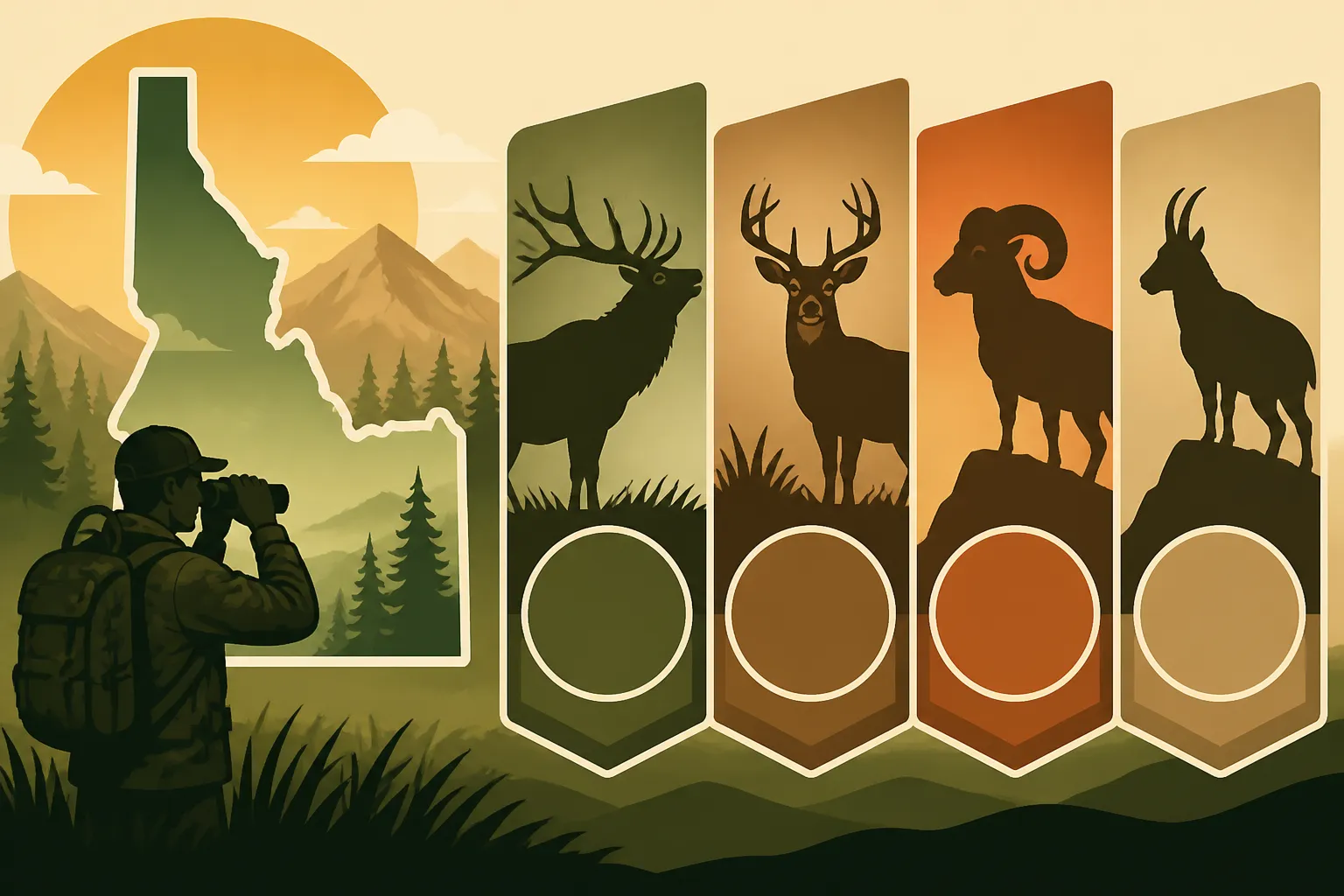
Guided Hunt Price Ranges by Species
Trying to figure out how much a guided hunting trip in Idaho is going to set you back can feel like trying to hit a bull elk at 500 yards in a blizzard—nearly impossible to get a clear shot. The sheer variety of options, species, and services out there makes it incredibly difficult to budget and plan. This guide will walk you through the many factors that influence the price of a guided hunt in Idaho, helping you understand where your money goes and how to make an informed decision for your next adventure.
The Many Factors Influencing Guided Hunt Costs in Idaho
When you start dreaming about an Idaho hunt, the price tag isn't always clear-cut. It's not like buying a gallon of milk where the price is fixed. Instead, a guided hunt is a complex service with many moving parts, all of which contribute to the final cost. Understanding these elements is key to budgeting realistically and knowing what to expect.
Species Pursued and Their Value
The type of animal you're hunting is arguably the biggest driver of cost. Some species are simply more sought after, harder to find, or require more specialized permits and effort to pursue. This demand and inherent difficulty directly translate into higher outfitter fees.
For example, pursuing an Idaho bighorn sheep or a mountain goat often means entering a lottery system that takes years, even decades, to draw a tag. These animals live in some of the most remote and rugged terrain, necessitating extensive scouting, specialized gear, and highly experienced guides. The investment of time, resources, and expertise required to run these hunts is immense, which is reflected in their premium pricing. These are often considered "once-in-a-lifetime" opportunities, and the associated costs underscore that exclusivity.
On the other hand, a general season deer or bear hunt might be more accessible and, consequently, carry a more modest price tag. While still requiring skill and effort, the logistics are often less complicated, and tags might be easier to acquire. Even within a species, the desired trophy quality can impact the price, with some outfitters offering specific "trophy hunts" at a higher premium. Mountain Goat Hunting Above Idaho Timberline provides a great example of the demanding nature of these higher-cost hunts.
Duration and Intensity of the Hunt
The length of your trip directly impacts the cost, as does the intensity of the experience. A shorter, less demanding hunt will naturally be less expensive than a multi-day backcountry expedition deep into the wilderness. Longer hunts mean more days a guide is working, more food, more wear and tear on equipment, and more logistical planning.
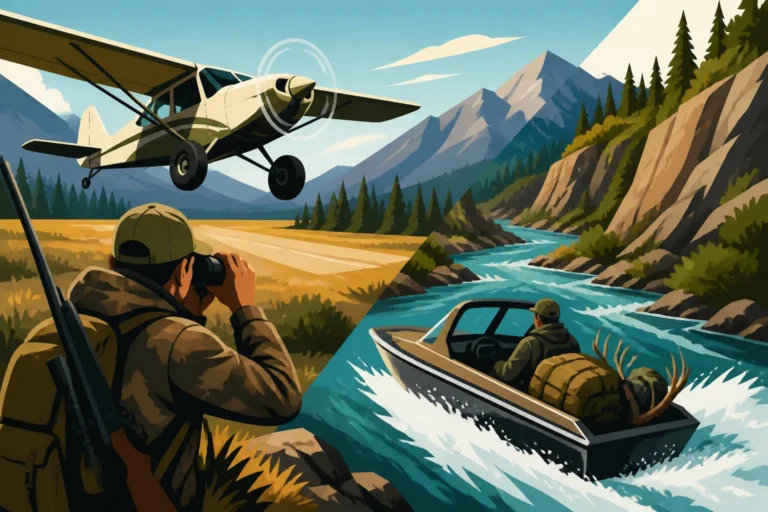
Consider a five-day elk hunt versus a ten-day adventure. Those extra five days translate into additional meals, more time for the guides and wranglers, potentially more horses used, and certainly more fuel for transportation. Similarly, a hunt that involves extensive packing into remote areas, requiring horses or even charter flights to backcountry airstrips, will inherently cost more than one where you're driving to a trailhead each morning and returning to a lodge each night. The physical demands and logistical complexities of getting hunters, guides, and gear into far-flung locations contribute significantly to the overall expense. The Average Cost of a Guided Idaho Elk Hunt will often reflect these varying durations and intensities.
Inclusions and Exclusions
What an outfitter includes in their base price can drastically change the perceived "cost." Some hunts are all-inclusive, covering nearly everything from the moment you arrive until you depart, while others are more a la carte, leaving many expenses for the hunter to cover separately. It's crucial to scrutinize the details of what's provided.
A fully guided hunt might include comfortable lodging, three square meals a day, transportation in the field, a dedicated guide (or even a 1:1 guide-to-hunter ratio), field dressing of game, and even initial game retrieval to a staging area. On the other end of the spectrum, a "drop camp" might only include transportation of you and your gear via horses or jet boat to a remote camp spot, leaving you to handle all your own food, cooking, guiding, and camp logistics. The less an outfitter provides, the lower the initial price, but your out-of-pocket expenses for incidentals will increase. Always ask for a detailed breakdown of what's included and what isn't, especially when comparing different outfitters.
Species-Specific Hunt Cost Considerations in Idaho
While the general factors above apply broadly, each species comes with its own set of cost considerations. The habitat, behavior, and regulatory framework surrounding each animal in Idaho contribute to the diverse pricing you'll encounter.
Elk Hunts: The Idaho Dream
Elk hunting is often the pinnacle for many hunters coming to Idaho, and the cost can vary widely based on the desired experience. A fully guided, lodge-based elk hunt with a 1:1 or 2:1 guide-to-hunter ratio, focused on chasing bugling bulls in the rut, will be at the higher end of the spectrum. These hunts often occur in prime units, sometimes utilizing private land access or extensive backcountry knowledge to put you on trophy animals.
Alternatively, more budget-conscious elk hunts might involve larger groups, a less intensive guide ratio, or occur during rifle seasons after the peak rut, which can still be productive but demand different strategies. Drop camps, where an outfitter packs you into a remote location with your gear and then leaves you to hunt independently, offer a significantly lower price point for a true backcountry experience, but require self-sufficiency. Elk Are Why Most Hunters Come to Idaho and this pursuit often represents a significant investment.
Deer Hunts: Mule Deer and Whitetail
Idaho offers both mule deer and whitetail hunting opportunities, and their associated costs reflect the varied terrain and hunting styles. Mule deer hunts, especially those focused on larger bucks in the high desert or rugged breaks, can involve extensive glassing and long stalks, often requiring significant travel within a unit. Outfitters specializing in these types of hunts often cover vast territories, sometimes even accessing private leases to increase success odds.
Whitetail hunts, particularly in the dense timber of northern Idaho, might involve different tactics like stand hunting over natural food sources or still-hunting through thick cover. While generally less expensive than prime mule deer or elk hunts, specialized whitetail outfitters might focus on specific properties or units known for producing mature bucks, which can influence their pricing. Mule Deer Across Idaho's High Desert and Breaks are a different ball game compared to Whitetail Deer Hold Idaho's Northern Panhandle, and pricing will reflect that difference.
Bear Hunts: Spring and Fall Opportunities
Black bear hunting in Idaho presents options for both spring and fall seasons, with different methods often dictating the price structure. Spring bear hunts are popular and can be conducted by spot-and-stalk or over bait. Baited hunts often require significant effort from the outfitter to establish and maintain bait stations, which is a considerable cost. This might involve weeks of pre-season work and daily checks once the hunt begins.
Spot-and-stalk bear hunts, especially in mountainous or timbered terrain, often rely on extensive glassing and covering a lot of ground. Fall bear hunts can sometimes be combined with deer or elk hunts, offering a "combo hunt" at an adjusted price, making them a more efficient use of your hunting budget if multiple species are on your list. The price will depend heavily on the method and whether it's a dedicated bear hunt or an add-on.
Predator and Small Game Opportunities
While not typically the main draw for out-of-state hunters, predator and small game hunts can be offered as stand-alone trips or as add-ons to larger big game packages. Coyote, bobcat, or mountain lion hunts can vary drastically. Lion hunts, for instance, are almost exclusively done with hounds, which requires a specialized set of dogs, extensive training, and a lot of time on the snow-covered trails. The cost reflects the significant investment in the hound pack and the unpredictable nature of lion hunting.
Smaller game like upland birds (chukar, grouse, pheasant) or rabbits might be offered as shorter, less intensive trips. These are often much more accessible entry points for guided experiences, with prices reflecting the shorter duration and less demanding logistics compared to big game pursuits. These smaller hunts are a fantastic way to experience guided hunting without the significant financial commitment of a multi-day big game expedition.
Understanding What Outfitter Prices Leave Out
It's common for hunters to focus solely on the base price quoted by an outfitter, but the reality is that many essential costs are almost always not included. Overlooking these additional expenses can lead to significant budget surprises down the road. A clear understanding of these exclusions is vital for accurate financial planning.
Personal Gear, Travel, and Licensing
The first major categories of expenses often not covered are your personal hunting gear and all travel costs. Outfitters typically expect you to arrive with your own rifle or bow, appropriate clothing layers for Idaho's diverse weather, sturdy boots, and any personal items you need. While some might provide a gear list or recommendations, they generally don't supply the gear itself. Think about that high-quality optics, specialized hunting packs, and durable outerwear; these are all on you.
Beyond gear, getting to Idaho is also your responsibility. This includes flights, fuel for driving, airport transfers (unless specifically stated by the outfitter), and any pre- or post-hunt lodging required outside the hunt dates. Furthermore, the cost of your hunting license and specific tags for each animal you intend to pursue are almost universally separate expenses. These fees, especially for non-residents, can be substantial and need to be factored in well before you even consider an outfitter's price. For example, A Nonresident Idaho Elk Hunt Starts at $836.75 and that's just for the license and tag, not the guided portion!
Meat Processing, Taxidermy, and Shipping
After a successful hunt, the excitement of a harvested animal is often quickly followed by the practicalities of meat processing and potentially taxidermy. These services are almost never included in an outfitter's base price. You'll need to budget for professional meat processing, which can involve cutting, wrapping, and freezing your game. If you're fortunate enough to harvest a trophy animal, taxidermy fees for a shoulder mount or European skull mount are a separate, often significant, cost.
Getting your meat and/or trophy back home is another expense. Shipping frozen meat can be costly and requires specialized handling. Similarly, taxidermy often needs to be shipped, or picked up, adding another layer to your post-hunt budget. Outfitters can often recommend local processors and taxidermists, but the bill will be yours to cover. Many hunters underestimate these post-harvest costs, so make sure to ask your outfitter about typical local rates before you commit. Field Dressing and Carcass Transport Rules Explained covers some of the logistical considerations once you've successfully tagged an animal.
Gratuities for Guides and Staff
Tipping is a customary and expected part of the guided hunting experience, yet it's rarely included in the upfront price. Guides, wranglers, cooks, and other camp staff work incredibly hard, often for long hours in challenging conditions, to make your hunt successful and enjoyable. Gratuities are a way to acknowledge their efforts and professionalism.
The standard industry practice is to tip a percentage of the total hunt cost, typically ranging from 10-20%, depending on the quality of service and your satisfaction. It's important to budget for this amount and bring cash to distribute tips directly. Don't view it as an optional extra, but rather an integral part of the cost of your trip. Ask your outfitter about their specific recommendations for tipping protocol, as it can sometimes vary slightly by operation.
Vetting an Idaho Outfitter Before You Send a Deposit
Before you hand over your hard-earned money, thoroughly vetting an outfitter is crucial. The investment in a guided hunt is significant, and you want to ensure you're choosing a reputable, ethical, and competent operation that aligns with your hunting goals and expectations.
Checking Licenses and References
The very first step in vetting any Idaho outfitter is to verify their licensing. In Idaho, all outfitters and guides are regulated by the Idaho Outfitters and Guides Licensing Board (IOGLB). This board ensures that operators meet certain standards, carry appropriate insurance, and follow state regulations. You can (and absolutely should) contact the IOGLB directly to confirm that an outfitter is currently licensed and in good standing. This simple check can save you a world of heartache. The Idaho Outfitters and Guides Licensing Board Explained provides more detail on this essential regulatory body.
Beyond licensing, ask for a list of recent references. A reputable outfitter will be happy to provide contact information for past clients, preferably from the last year or two. When you speak to these references, ask specific questions: Was the hunt as advertised? How was the food and lodging? What was the guide's demeanor and expertise? Were there any unexpected costs? What was their overall success rate and satisfaction? Pay attention not just to their success in harvesting an animal, but their overall experience and the professionalism of the outfitter.
Understanding Success Rates and Expectations
Every hunter dreams of punching their tag, but "success" can mean different things, and it's vital to have realistic expectations. When an outfitter talks about "success rates," clarify what they mean. Is it a "kill rate" (percentage of clients who harvested an animal), or an "opportunity rate" (percentage of clients who had a shot opportunity, whether they connected or not)? There's a big difference, and both are influenced by factors beyond the outfitter's control, such as weather, animal behavior, and the hunter's skill.
Discussing your personal expectations with the outfitter upfront is also key. Are you looking for a guaranteed kill, or are you more interested in a quality backcountry experience, regardless of whether you harvest? An ethical outfitter will be transparent about their typical success rates for the species and weapon you're interested in, and they'll help you set realistic goals for your specific hunt. Remember, hunting is never a guarantee, and a reputable outfitter will always emphasize the challenges and fair chase principles. Outfitters and Guides Licensing Board is a good resource to review before committing to any outfitter.
Reading the Contract and Cancellation Terms Closely
Once you've done your research and found an outfitter you're comfortable with, you'll receive a contract. This document is incredibly important, and you should read every word carefully before signing or sending a deposit. Pay close attention to the details regarding payment schedules, cancellation policies, and what happens if you have to cancel your hunt for unforeseen reasons. Many outfitters require a non-refundable deposit, and some have strict cancellation deadlines that result in forfeiture of funds if missed.
Understand the specific terms about what happens if you fail to draw a tag for a controlled hunt, or if the outfitter has to cancel the hunt for reasons like wildfires or extreme weather. Will your deposit be refunded, or can it be rolled over to a future year? Clarity on these points before you sign can prevent major headaches later. Don't be afraid to ask questions if any part of the contract is unclear. This is a business transaction, and protecting your investment is paramount.
Here's a quick comparison of common inclusions and exclusions you might find in a guided hunt package:
| Feature/Service | Typically Included in Base Price (Fully Guided) | Typically Excluded from Base Price (Your Cost) |
|---|---|---|
| Guide Services | Yes (1:1 or 2:1 ratio common) | |
| Lodging | Yes (lodge, tent camp, wall tent) | Pre/post-hunt hotel nights |
| Meals | Yes (breakfast, lunch, dinner) | Snacks, alcoholic beverages |
| Field Transportation | Yes (truck, UTV, horse, foot) | Airfare, personal vehicle fuel |
| Field Dressing Game | Yes | |
| Initial Game Retrieval | Yes (to accessible point) | Specialized deep backcountry retrieval |
| Licenses & Tags | No | Yes |
| Meat Processing | No (may assist with initial quartering) | Yes (butchers, freezing, shipping) |
| Taxidermy | No | Yes (mounts, skull cleaning, shipping) |
| Personal Hunting Gear | No | Yes (rifle, bow, optics, clothing, boots) |
| Gratuities/Tips | No | Yes (for guides, cooks, wranglers) |
| Pre-hunt Scouting | Yes (by outfitter) | |
| Post-hunt Communication | Yes |
By understanding these distinctions, you can budget more accurately and avoid any nasty surprises down the trail. Sites like BookYourHunt or GoHunt can be great resources for comparing outfitters and their stated inclusions, but always follow up with direct communication to confirm every detail.
Finding the Right Outfitter for Your Budget
Hunting Idaho is an incredible experience, and a guided hunt can make it even more successful and enjoyable, especially if you're unfamiliar with the territory or the species. Finding the right outfitter isn't just about the price; it's about matching your budget with your expectations, hunting style, and desired level of service.
Budget-Friendly Options
If you're looking to minimize costs but still want the benefits of an outfitter's expertise, several options exist. As mentioned earlier, drop camps are a fantastic way to access remote backcountry without paying for a full guide service. You get the advantage of transportation deep into a unit, often via horse or jet boat, but you handle all the hunting, cooking, and camp chores yourself. This requires a higher level of self-sufficiency but significantly reduces the outfitter fee. What an Idaho Drop Camp Costs will often highlight the savings gained by managing your own hunt once you're dropped off.
Another strategy is to look for hunts outside the prime rut windows or in general units that might see more pressure, but where tags are easier to acquire and costs are lower. Some outfitters might offer semi-guided options, where they provide camp, food, and general advice, but you do the actual hunting on your own or with your party. These hunts bridge the gap between fully guided and DIY, offering a middle ground for your budget. It's about being flexible with your timing and expectations to find a price point that works for you.
Mid-Range Guided Hunts
The vast majority of guided hunts fall into the mid-range category, offering a balance of service, comfort, and opportunity without reaching the top-tier luxury pricing. These hunts typically include comfortable tent camps or rustic lodges, good food, and a professional guide, often at a 2:1 hunter-to-guide ratio. You might still be roughing it a bit, but you'll have a dedicated guide working hard to put you on game.
These hunts are excellent for hunters who value the convenience and expertise of a guide but aren't necessarily looking for a "trophy only" experience or white-glove service. They often focus on general season opportunities for elk, deer, or bear in various Idaho units. You can expect reliable equipment, well-maintained camps, and experienced guides who know the local terrain and animal movements intimately.
Premium and Luxury Experiences
At the higher end of the spectrum, premium and luxury guided hunts offer unparalleled service, comfort, and often access to prime hunting grounds or specialized permits. These hunts might involve private land access, exclusive wilderness concessions, or focus on specific trophy animals. Lodging could range from remote, well-appointed cabins to full-service lodges with amenities. The guide-to-hunter ratio is often 1:1, ensuring personalized attention.
These hunts are designed for those seeking an exceptional experience where every detail is handled, from gourmet meals to comfortable sleeping arrangements and meticulous attention to all logistical aspects. While the price is considerably higher, it reflects the exclusivity, level of service, and often the increased chance of harvesting a high-quality animal in a less pressured environment. Think about a remote fly-in elk camp in a designated wilderness area or a high-country mule deer hunt with experienced guides and pack string support; these are often the experiences that command top dollar.
No matter your budget, Idaho offers a guided hunting experience to match. The key is to be clear about your financial limits, your hunting goals, and your willingness to compromise on certain amenities or trophy expectations. By doing your homework, asking the right questions, and thoroughly vetting your choices, you can ensure your Idaho hunting adventure is both memorable and within your means.
Disclaimer
This article is for general informational purposes only and does not constitute professional advice. Laws, prices and regulations vary by location and change over time. Consult a qualified professional for guidance on your specific situation.