Hells Canyon Access From the Idaho Side
Many hunters dream of chasing game in the rugged, untamed expanse of Hells Canyon, a place that truly tests your mettle. But if you've ever stared at a map, trying to figure out how to even get into Hells Canyon from the Idaho side, you know the frustration is real. This isn't your average forest road hunting; it's a labyrinth of steep breaks, winding rivers, and vast wilderness that guards its secrets fiercely. This guide is here to unravel those access challenges, helping you understand the terrain, discover viable entry points, and equip you with the knowledge to plan your deep dive into one of America's wildest landscapes.
Understanding Hells Canyon's Formidable Terrain and Boundaries from Idaho
Hells Canyon, the deepest river gorge in North America, isn't just a pretty picture; it's a monumental barrier. From the Idaho side, this means confronting incredibly steep, broken country that drops thousands of feet to the Snake River, all before climbing back up to the plateaus and mountain ranges beyond. This isn't a place you just "wander into"; it demands respect, preparation, and a deep understanding of its unique geography and regulatory landscape.
The Sheer Scale and Isolation of Hells Canyon
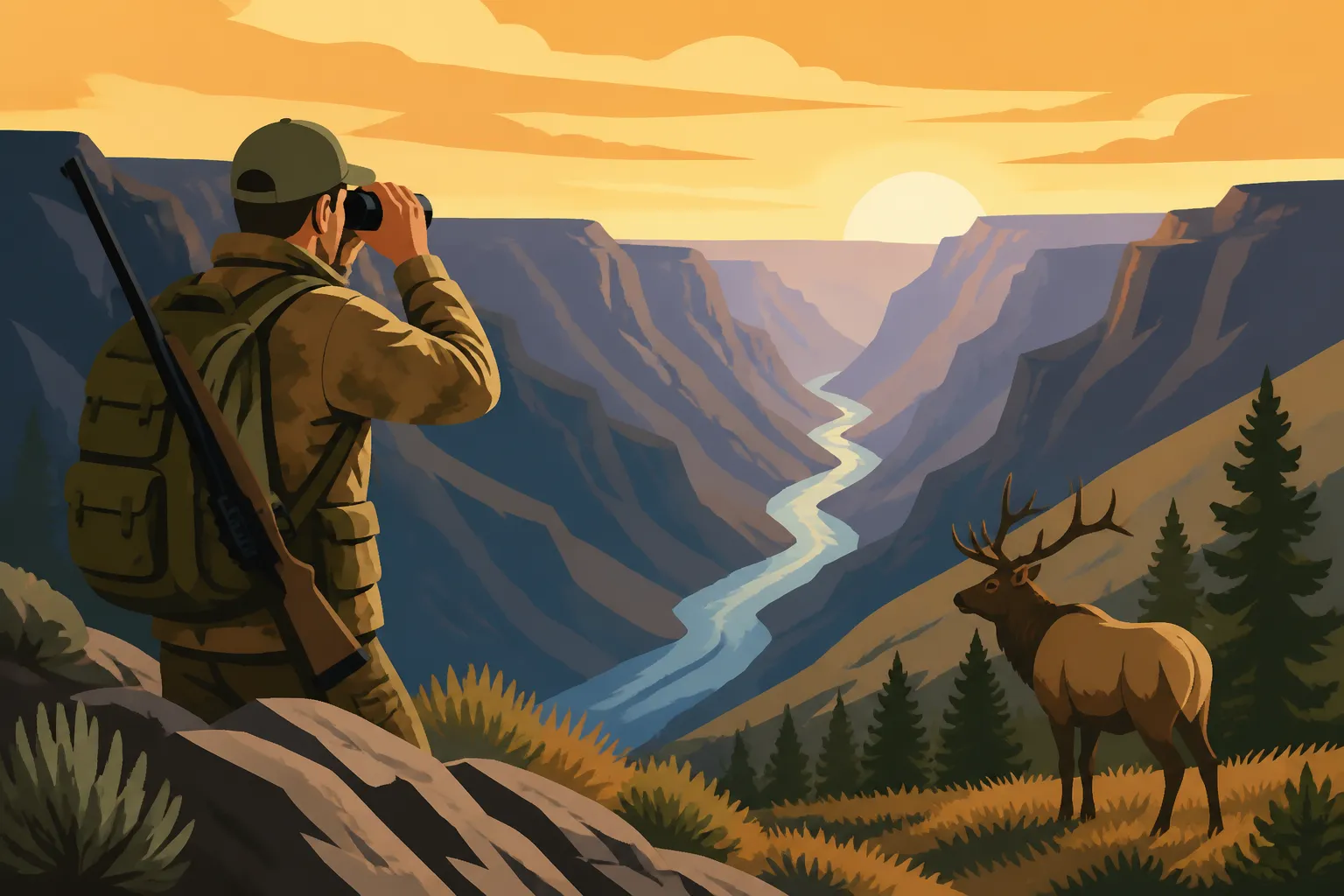
When you look at a topo map of Hells Canyon, it’s easy to feel overwhelmed. The sheer scale is difficult to grasp until you’re standing on its rim, looking down into what seems like an endless chasm. On the Idaho side, you're primarily dealing with the western edges of the Seven Devils Mountains, the vastness of the Hells Canyon National Recreation Area, and portions of the Wallowa-Whitman and Payette National Forests. This isn't just steep, it's continually steep, often without flat benches or easy walking for miles. Water sources can be scarce, especially on the mid-slopes during drier parts of the year, which adds another layer of complexity to any extended stay. The sheer remoteness means that help, if needed, is not just hours, but often days away on foot or horseback. This isolation is part of its allure, but also its greatest challenge.
Designated Wilderness and its Implications for Access
A significant portion of Hells Canyon on the Idaho side falls within the Hells Canyon Wilderness Area. This designation is fantastic for preserving wildness, but it dramatically changes the rules for hunters, especially nonresidents. For instance, if you're a nonresident planning an elk, bighorn sheep, or mountain goat hunt within these designated wilderness boundaries, you are legally required to employ the services of a licensed Idaho outfitter or guide. This isn't a suggestion; it's the law. This rule exists to help manage the resource and ensure fair chase while minimizing impact in these sensitive areas. However, it's worth noting that species like deer and bear are generally exempt from this specific wilderness guide rule, offering some DIY opportunities for nonresidents even within the wilderness. Understanding these nuances is critical when Do Nonresidents Need a Guide in Idaho Wilderness? before you even start looking at maps. Motorized vehicles, including ATVs, e-bikes, and even mountain bikes, are strictly prohibited within wilderness boundaries, which means your feet or pack stock are your only options for deep penetration. Motorized Vehicles Inside Wilderness Boundaries are absolutely off-limits, no exceptions. This pushes hunters to embrace traditional backcountry methods, relying on Pack Stock Rules Inside Designated Wilderness or their own physical endurance to get into prime areas.
Key Game Management Units on the Idaho Side
The Idaho side of Hells Canyon primarily spans a few key Game Management Units (GMUs) that encompass its rugged terrain. Understanding these units is crucial because they dictate specific hunting seasons, tag allocations, and species availability. For example, units like 11, 13, and 18 are often associated with the Idaho portion of Hells Canyon. These unit boundaries are complex, often following natural features like ridgelines or drainages, but also sometimes arbitrary lines on a map. You'll want to dive deep into the Idaho Fish and Game regulations for the specific unit you're targeting, as rules can vary greatly. Knowing How Many Game Management Units Idaho Has and how they're organized is the first step in decoding the complex tapestry of Idaho hunting regulations, especially in a region as unique as Hells Canyon. Being able to correctly Reading a Controlled Hunt Area Boundary is paramount, as crossing into the wrong unit or area can result in serious legal issues.
Primary Access Routes and Methods into the Idaho Side of Hells Canyon
Getting into Hells Canyon from Idaho is rarely a simple drive-up-and-hunt scenario. It typically involves a combination of strategies, often pushing the limits of vehicle access, then transitioning to foot, horseback, or even a jet boat. Each method has its own set of challenges and rewards, and often, the most effective approach combines several of them.
Road Access: The Roads You Can Drive
Don't expect paved highways leading right to prime hunting spots in Hells Canyon. The "roads" here are often unimproved, steep, rocky, and can become impassable with adverse weather. From the Riggins area, roads like the Forest Service Road 517 (Pittsburg Landing Road) offer descent into the canyon, leading to boat ramps and some limited access along the river. Further south, near Cambridge or Council, you might find routes leading towards the rim, but again, these are typically rough Forest Service or BLM roads that require a high-clearance 4×4 vehicle.
Many of these roads are subject to the Idaho's Motorized Hunting Rule Runs August Into December, meaning you can only drive on established roads, not off-road. This is especially important for retrieval; you cannot drive off a road to retrieve downed game, which means any animal you harvest will likely need to be packed out entirely by human power or pack stock. Seasonal closures due to snow or mud are also common, particularly as you gain elevation towards the rim or deeper into the fall. Always check with the local Forest Service or BLM office for current road conditions before heading out.
One popular but incredibly challenging route from the Riggins area is the road out to Pittsburg Landing. This road is legendary for its steepness and switchbacks, dropping thousands of feet in a relatively short distance. While it provides access to the Snake River, and therefore jet boat services, getting a vehicle (especially with a trailer) in and out requires significant skill and nerve. Other rougher roads or two-tracks might exist that lead to trailheads higher on the canyon rim, but these often require extensive mapping and local knowledge to even locate, let alone navigate safely.
Jet Boat and River Access via the Snake River
For many, the Snake River itself is the highway into Hells Canyon. Jet boats are an iconic part of the Hells Canyon experience, allowing access deep into the gorge where roads simply don't exist. There are several outfitters operating out of places like Pittsburg Landing (near Riggins) or Hell's Canyon Creek (near Oxbow Dam) on the Idaho side that offer drop-off and pick-up services for hunters. This can be a fantastic way to bypass miles of grueling hiking and get directly to promising areas along the river breaks.
However, using a jet boat for access also requires careful planning. You'll need to coordinate meticulously with the boat operator, understand their schedule, and be prepared to be completely self-sufficient once dropped off. Imagine being hundreds of miles deep in the canyon, your camp set, only to realize you forgot a crucial piece of gear. There’s no quick trip back to town. Also, consider the logistics of retrieving game. If you plan to hunt far from the river, you'll still have a tough pack-out to get your animal back to the boat pick-up point. While the Salmon River offers Jet Boat Access on the Salmon River, the Snake River in Hells Canyon presents its own unique challenges and opportunities for river-based hunting access.
Foot and Pack Animal Access for Deep Wilderness Hunting
For the truly adventurous, and often the most successful in finding unpressured game, access on foot or with pack animals is the ultimate Hells Canyon experience. This means leaving the roads and the river behind, and tackling the immense vertical terrain. Numerous trailheads can be found along the canyon rim, some accessible by the rough roads mentioned earlier. These trails often plummet into the canyon, offering direct routes to specific drainages or benches.
Hiking in this country is incredibly demanding. You'll be gaining and losing thousands of feet of elevation daily. The "trails" can sometimes be faint, overgrown, or washed out, making navigation tricky. Strong physical conditioning is not just recommended, it's mandatory. Packing light but wisely is key, as every ounce feels like a pound on these slopes. Physical Conditioning for Idaho Backcountry should be a top priority for anyone considering a DIY hunt deep in Hells Canyon.
For those planning longer hunts or seeking to carry more gear and pack out larger animals, pack animals—horses or mules—are invaluable. Outfitters specializing in pack services can take you into the wilderness, often dropping you at remote camps. This method combines the deep access of foot travel with the logistical advantages of carrying more supplies. It’s a significant investment, but for many, it's the only realistic way to fully experience a multi-day hunt in the most remote corners of the canyon.
Essential Planning and Tools for Navigating Hells Canyon Access
Successfully navigating Hells Canyon requires more than just a good map; it demands meticulous planning, the right tools, and a healthy dose of humility. This isn't a place for winging it. Every step of your preparation, from digital scouting to physical training, needs to be deliberate and thorough.
Digital Scouting and Mapping with Modern Apps
Before you ever set foot on the ground, digital scouting is your best friend for Hells Canyon. Tools like onX Hunt and GoHunt are absolutely invaluable. You can spend countless hours poring over satellite imagery, topo maps, and land ownership layers from the comfort of your home. This allows you to identify potential access roads, pinpoint trailheads, trace animal trails on ridges and benches, and mark water sources.
With onX Hunt, you can download offline maps to your phone, which is critical because cell service is virtually nonexistent once you drop into the canyon. You can mark waypoints for glassing knobs, potential camp spots, and escape routes. By studying the terrain closely, you can predict animal movements, identify bedding areas, and plan your approach long before you arrive. Use the public land layers to ensure you're always on legal ground, especially where private parcels might checkerboard with public access. Using onX Layers for Idaho Public Land will save you immense headaches and potential trespass issues.
GoHunt's Insiders platform offers even deeper insights, providing unit-specific data, drawing odds, and harvest statistics that can help you decide which units to focus on. While it won't give you a secret trail, it provides a macro-level understanding of hunting opportunities. Combining the detailed mapping of onX Hunt with the analytical data of GoHunt creates a powerful scouting advantage, letting you explore hundreds of square miles virtually.
Permit Requirements and Motorized Hunting Rules
Beyond simply finding a way in, you need to understand the bureaucratic side of Hells Canyon. Depending on your specific location within the Hells Canyon National Recreation Area, you might need specific permits, even for general dispersed camping. Always check with the relevant land management agency – be it the Forest Service (Wallowa-Whitman or Payette National Forests) or the BLM – for any current permit requirements.
As mentioned earlier, Idaho's motorized hunting rules are strict. Within designated wilderness areas, absolutely no motorized vehicles are allowed. Outside of wilderness, but still on public land, vehicles must stick to established roads. This means that if you're hunting off-trail, you’ll be packing everything out on your back, which ties back to the Can You Drive Off Road to Retrieve Game? rules that many hunters find challenging to grasp. Violating these rules can lead to hefty fines and loss of hunting privileges. Always assume any faint two-track or unmaintained route is not an established road unless explicitly marked as such on an official motor vehicle use map (MVUM).
Physical Preparation and Realistic Expectations
Let's be blunt: Hells Canyon will chew you up and spit you out if you're not physically prepared. This is not a hunt for the faint of heart or the out of shape. The slopes are relentless, the heat can be intense early in the season, and the sheer exertion of packing gear and game in and out is immense. Start your training months in advance, focusing on steep inclines, heavy pack carries, and endurance. Simulating hunting conditions with weighted hikes is highly recommended.
Beyond physical fitness, mental toughness and realistic expectations are vital. You might not see dozens of animals, and you might spend days just getting into a good hunting position. Success rates in Hells Canyon can be lower than in more accessible areas, but the reward of harvesting an animal in such a wild, rugged place is unparalleled. Don't expect a high-volume shoot; expect an adventure, a challenge, and an immersive experience in true wilderness. Understand that merely accessing and experiencing the canyon is often a victory in itself.
| Access Method | Primary Mode of Travel | Key Advantages | Key Challenges | Cost Implications |
|---|---|---|---|---|
| Roads & Vehicle | 4×4, high-clearance truck | Can carry more gear, cover distance quickly (to a point) | Roads are rough, steep, subject to closure; limited penetration | Fuel, vehicle wear |
| Foot/Backpacking | Your legs, strong lungs | Deepest penetration into wilderness, lowest direct cost | Extremely physically demanding, limited gear capacity, slow travel | Gear, personal fitness |
| Pack Animals | Horse, mule | Carries heavy loads, navigates steep terrain efficiently | Expensive (outfitter or own stock), requires specialized skills | Outfitter fees, feed |
| Jet Boat | Outfitter-operated boat on Snake River | Fast access deep into the canyon, bypasses steep terrain | Limited to river corridor, dependent on outfitter schedule, costly | Outfitter fees, tips |
Disclaimer
This article is for general informational purposes only and does not constitute professional advice. Laws, prices and regulations vary by location and change over time. Consult a qualified professional for guidance on your specific situation.