Camping Limits on Idaho WMAs
Heading out into Idaho's wild spaces for a hunt or just to connect with nature is an experience unlike any other, but finding a place to set up camp, especially within one of our cherished Wildlife Management Areas (WMAs), can sometimes feel like navigating a maze of confusing rules. It's frustrating to drive all that way, only to discover you can't pitch your tent where you'd planned, or that you're only allowed to stay for a short window. This guide aims to clear up those uncertainties, giving you a clear picture of the camping limits and expectations within Idaho's WMAs so you can plan your next adventure with confidence.
Understanding Idaho's Wildlife Management Areas
Idaho's Wildlife Management Areas are truly special places, dedicated primarily to the conservation and enhancement of wildlife habitats. They offer incredible opportunities for hunters, anglers, and outdoor enthusiasts to experience Idaho's natural beauty, but it's crucial to understand that they operate under a different set of guidelines than, say, a sprawling National Forest or Bureau of Land Management (BLM) property.
What WMAs Are and Why They Exist
Think of WMAs as dedicated conservation strongholds. The Idaho Department of Fish and Game (IDFG) manages Idaho Has 31 Wildlife Management Areas specifically to provide critical habitat for various wildlife species, improve their populations, and offer regulated public access for hunting, fishing, and wildlife viewing. This isn't just about giving animals a place to live; it's about active management – everything from planting specific forage to managing water sources, and yes, setting rules for how humans interact with these sensitive environments.
For instance, a WMA might be critical winter range for elk and mule deer, meaning human disturbance during those vulnerable months could have severe consequences for herd health. Other WMAs might focus on waterfowl, managing wetlands and riparian areas that are vital for migratory birds. Because of these specific, often delicate, management objectives, the rules for public use, including camping, are often more detailed and sometimes more restrictive than what you might find on other public lands. It's all about balancing public access with the primary mission of protecting wildlife.
General Rules for WMAs vs. Other Public Lands
This focus on wildlife habitat often means that WMAs have a different flavor of rules compared to other public lands like National Forests or BLM acreage. On a National Forest, for example, dispersed camping is often widely allowed, and motorized travel might be permitted on a broader network of roads and trails. However, on a WMA, the primary goal shifts. You'll often find more stringent regulations regarding motorized vehicle use, with strict adherence to established roads and often seasonal closures to protect sensitive wildlife. Motorized Rules on Idaho Wildlife Management Areas are a prime example of this difference, often limiting travel to specific times and routes to prevent disturbance to game animals.
The same goes for general recreation. While a National Forest might welcome mountain bikers or off-road vehicles in many areas, a WMA might restrict these activities to minimize impact. It’s not about being exclusive, but about preserving the integrity of the wildlife habitat. This difference in philosophy directly impacts camping, leading to more specific guidelines about where and for how long you can set up your home away from home. Ignoring these differences can lead to unintended consequences, not just for your trip, but for the wildlife the WMA is designed to protect.
Specific Camping Regulations on Idaho WMAs
So, you’re ready to pitch your tent or pull in your RV. The first thing you need to know is that camping on Idaho WMAs isn't always a free-for-all, nor is it universally prohibited. It's often a nuanced situation, dependent on the specific WMA and its unique management plan.
Designated Camping Areas vs. Dispersed Camping
Many Idaho WMAs feature designated camping areas. These are often basic, unimproved sites, sometimes just a gravel pull-off with a fire ring, but they are clearly marked. In these cases, you are expected to camp only within these designated spots. The reason is simple: concentrating human impact helps protect surrounding sensitive habitats from degradation. If you're looking for one of these, mapping applications like onX Hunt can be incredibly helpful for locating designated sites and understanding the boundaries of the WMA itself. Sometimes, the WMA manager might have a small map posted at the entrance.
Dispersed camping – the act of just pulling off the road and setting up camp anywhere – is often much more restricted or even outright prohibited on many WMAs. While this might be a common practice on larger National Forest or BLM tracts, the more concentrated and managed nature of a WMA often means that such freedom is limited to prevent undue stress on wildlife, especially during crucial seasons. Always check the specific WMA rules. Don't assume that just because it's public land, you can set up camp wherever you please. This is where Hunting Rules Specific to Idaho WMAs really come into play.
Time Limits and Stay Restrictions
Perhaps one of the most common surprises for hunters planning to camp on a WMA is the strict time limits on how long you can stay. Unlike some remote stretches of National Forest where you might be able to hunker down for weeks, WMAs typically impose limits on the duration of your stay. A common regulation is a 10-day or 14-day limit within any 30-day period, but this can vary. These limits are in place to prevent long-term residency, reduce environmental impact from prolonged use, and ensure equitable access for all visitors.
Imagine a critical waterfowl migration period, and a few campers decide to stay for a month straight right next to a prime wetland. That kind of continuous human presence can alter wildlife behavior, pushing birds out of essential feeding or resting areas. These time limits are a proactive measure to prevent such scenarios. If you plan a multi-week hunting trip, you might need to move your camp outside the WMA for a few days to reset your stay limit, or plan to camp on adjacent National Forest or BLM land for portions of your trip. The Idaho Fish and Game website is your best friend here, or apps like GoHunt often compile these details, helping you plan around the specific time limits. Where the Current Idaho Regulations Are Posted is always the first place to check.
Campfire Restrictions and Food Storage
Fire is a constant concern in Idaho's wildlands, especially during the dry summer and fall hunting seasons. Many WMAs, particularly those in drier sagebrush-steppe country or heavily timbered areas, will have specific campfire restrictions, or even outright bans, depending on fire danger levels. Even when fires are allowed, they are almost always restricted to established fire rings, and you are always responsible for ensuring your fire is completely out before leaving. Leaving a smoldering ember behind can devastate habitat and wildlife in an instant.
Moreover, food storage is an often-overlooked but absolutely critical aspect of WMA camping, especially if you're in bear country. WMAs are wildlife havens, and that means bears are often present. Improperly stored food can quickly habituate bears to human presence, creating dangerous situations for both bears and people. Always use bear-resistant containers, hang food from a tree, or store it in a hard-sided vehicle or certified bear-resistant cooler. Ignoring these rules isn't just a minor infraction; it can lead to unfortunate outcomes for wildlife and potentially costly encounters for you. Think of it as a crucial part of Bear Safety Practices in an Outfitter Camp, even if you’re not with a guide.
Practical Considerations for WMA Camping
Planning your WMA camping trip requires more than just knowing where to put your tent. It's about understanding the dynamic nature of these areas, how they interact with wildlife seasons, and how your presence impacts the very environment you're there to enjoy.
Seasonal Closures and Access Restrictions
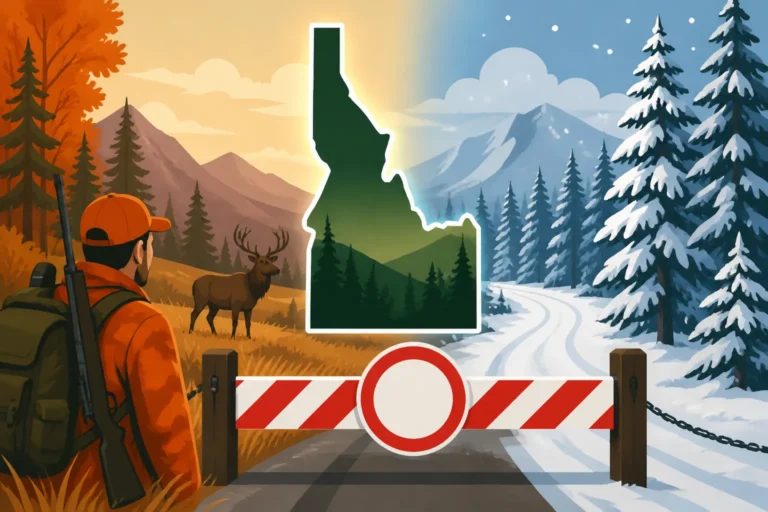
One of the most significant aspects of WMA management that impacts camping is seasonal closures. Many WMAs are designed to protect critical winter range for deer and elk, or sensitive breeding grounds for birds. As such, large portions, or even entire WMAs, may be closed to public entry during specific times of the year, usually through the late fall, winter, and early spring. These closures are absolutely vital for the survival of wildlife; disturbing animals on their winter range can cause them to expend critical energy reserves, leading to starvation.
It's not uncommon for these closures to run from December into April or even May, effectively preventing any camping during those months. This means you need to be acutely aware of the specific WMA's closure dates if you're planning an early spring shed hunt or a late-season deer hunt. A quick check on The Idaho Hunt Planner Is the Tool to Start With or the IDFG website for the specific WMA you intend to visit will outline these dates clearly. Don't rely on assumptions; always verify, especially since Idaho Winter Range Closures That Affect Scouting can be extensive and strictly enforced. You don't want to get a ticket or, worse, inadvertently harm wildlife by being in a closed area.
Waste Management and "Leave No Trace" Principles
When you camp in a WMA, you are a guest in a managed wildlife habitat. This means adhering to "Leave No Trace" principles is not just good practice, it's often a strict requirement. This includes packing out everything you pack in – and we mean everything. That means all your trash, food scraps, and even things like spent casings or bits of string. Leaving anything behind can harm wildlife, pollute the environment, and detract from the experience for others.
Proper human waste management is also critical. If there are no facilities, you'll need to dig a cathole at least 6-8 inches deep and 200 feet from water sources, trails, and campsites. Toilet paper should either be packed out or buried deep in the cathole, though packing it out is always the preferred method in sensitive areas. For larger groups or longer stays in remote areas, portable waste bags are an excellent option. Remember, the goal is to leave your campsite looking as if you were never there. WMAs are under constant scrutiny for their ecological health, and responsible waste management plays a huge role in maintaining their vitality.
Planning Your WMA Camping Trip
Successful camping in an Idaho WMA starts long before you ever pull into the parking area. Your first step should always be to consult the Idaho Fish and Game website. Navigate to the specific WMA you're interested in; most will have a dedicated page outlining current rules, any special restrictions, and seasonal closures. Don't just skim the general regulations; dig into the details for that particular area.
Utilize modern mapping tools. onX Hunt is an invaluable resource for visualizing WMA boundaries, identifying designated camping spots, and noting any access roads or trails. Combine this with information from GoHunt or similar platforms that often compile specific WMA regulations and provide valuable insights from other hunters. Pay close attention to any "controlled hunt area boundaries" if your camping is associated with a hunt, as these can impact your planning significantly. Always cross-reference the digital maps with the official IDFG regulations to ensure you have the most up-to-date information. Understanding Reading an Idaho Controlled Hunt Area Boundary is key to avoiding issues.
Common Pitfalls and How to Avoid Them
Even with the best intentions, it's easy to fall into some common traps when planning to camp on Idaho's WMAs. A little foresight and diligent research can save you a lot of headache and potentially a fine.
Not Checking Specific WMA Regulations
This is probably the number one mistake people make. They assume that since they've camped on one WMA, the rules for another will be identical, or they'll apply general forest service rules to a WMA. This is a recipe for disappointment, and potentially a citation. Every WMA is managed based on its unique habitat and wildlife needs, which means rules for camping, access, and activities can vary dramatically from one to the next. What's perfectly acceptable at a WMA in the Panhandle might be strictly prohibited in a high-desert WMA in the south.
To avoid this, treat each WMA as a distinct entity with its own set of rules. Before you even pack your cooler, go to the Idaho Fish and Game website and look up the specific WMA. Read through the regulations thoroughly. Many WMAs will have maps indicating designated camping areas or areas where camping is prohibited. If you're unsure, a quick call to the local IDFG office that manages that WMA can clear up any confusion. They are there to help you recreate responsibly.
Overstaying or Improper Site Selection
The excitement of a good hunting or fishing trip can sometimes lead to losing track of time, but overstaying your welcome on a WMA can have real consequences. As mentioned, most WMAs have strict stay limits, often around 10 to 14 days. Exceeding these limits can result in fines and being asked to leave. It's not just about rules; it's about fairness. These limits ensure that everyone has a chance to utilize these valuable public lands without a few individuals monopolizing prime spots.
Similarly, improper site selection, such as camping outside a designated area where only dispersed camping is allowed, or setting up camp in a clearly marked "no camping" zone, is a direct violation. Not only does it invite a fine, but it can also cause unnecessary habitat damage or disturb wildlife in sensitive areas. Always double-check signage at the WMA entrance, consult your maps for designated sites, and ensure you're not in a prohibited zone. Being aware of the Camping on Idaho Forest Ground While Hunting rules for comparison can also help highlight the specific differences you need to watch out for on WMAs.
Impacting Wildlife or Habitat
Ultimately, WMAs are for wildlife first. Any camping activity that negatively impacts the very creatures these areas are designed to protect is a serious concern. This can range from leaving food waste that attracts animals and leads to human-wildlife conflicts, to driving off-road to access a "better" campsite and damaging fragile vegetation. Even excessive noise or light pollution, especially during sensitive times like migration or breeding seasons, can stress wildlife and alter their natural behaviors.
The goal of responsible WMA camping is to have minimal impact. This means keeping your camp clean, quiet, and contained. Adhering to fire restrictions, packing out all trash, properly storing food, and staying on established roads and trails are all part of being a respectful visitor. Your actions, no matter how small, contribute to the overall health and success of these vital wildlife habitats. By following the rules and embracing a conservation mindset, you help ensure these special places remain rich in wildlife for generations of hunters and outdoor enthusiasts to come.
Here’s a quick comparison to help you visualize some key differences:
| Feature | Idaho Wildlife Management Areas (WMAs) | National Forests / BLM Land (General Rules) |
|---|---|---|
| Primary Purpose | Wildlife habitat conservation & enhancement | Multiple use: recreation, timber, grazing, wildlife |
| Camping Type | Often restricted to designated areas; dispersed limited | Dispersed camping common; designated sites available |
| Stay Limits | Strict (e.g., 10-14 days/month) | Often 14 days within a certain distance/timeframe |
| Motorized Travel | Often restricted to established roads; seasonal closures | Designated roads/trails; often more expansive networks |
| Fire Restrictions | Vary by WMA & fire danger; often stricter | Vary by zone & fire danger; common sense applies |
| Wildlife Focus | Very high; management prioritizes species | High, but balances with other uses |
| Regulation Source | Idaho Fish and Game | US Forest Service / Bureau of Land Management |
| Key Resource to Check | IDFG website (specific WMA pages) | Motor Vehicle Use Maps (MVUMs), local Ranger District |
Disclaimer
This article is for general informational purposes only and does not constitute professional advice. Laws, prices and regulations vary by location and change over time. Consult a qualified professional for guidance on your specific situation.