Penalties for Breaking the Motorized Rule
There's nothing quite like the feeling of heading into Idaho's backcountry, whether it's for elk, deer, or just the sheer solitude. But a single misstep with your vehicle can turn that dream hunt into a costly nightmare, potentially leading to heavy fines, equipment seizure, and even losing your hunting privileges. This guide will walk you through the serious penalties for violating Idaho's motorized hunting rules, explain why these regulations exist, and offer practical advice on how to avoid these frustrating and expensive mistakes.
Understanding Idaho's Motorized Hunting Rule
Idaho's motorized hunting rule isn't just a suggestion; it's a critical regulation designed to protect wildlife, preserve habitat, and ensure fair chase hunting opportunities. Many hunters, especially those new to Idaho or those who haven't thoroughly reviewed the current regulations, sometimes misunderstand what "motorized use" actually entails on public lands. It's easy to assume that a two-track leading into a basin is fair game, only to find out too late that it's a violation.
What "Motorized Use Off Established Roads" Really Means
When Idaho Fish and Game, the Forest Service, or the Bureau of Land Management (BLM) talk about "motorized use," they're referring to any vehicle with an engine. This includes your pickup truck, SUV, ATV, UTV, dirt bike, or even an electric mountain bike on certain restricted trails. The key phrase here is "off established roads." An established road is generally defined as one that is constructed and maintained for public travel, typically graveled or paved, and often shown on official maps. A faint two-track path that looks like a road but isn't officially designated or maintained is often considered "off-road."
The spirit of this rule is deeply rooted in ethical hunting and land stewardship. Driving off-road can disturb wildlife, damage sensitive habitats, erode soil, spread noxious weeds, and create new, unauthorized routes that further degrade the landscape. It also provides an unfair advantage to hunters who use vehicles to chase or retrieve game in areas meant for foot or horseback travel, which undermines the principle of fair chase. Understanding this distinction is crucial, because ignorance of the law is rarely an acceptable defense when you're facing a citation.
Specific Areas and Seasons Where the Rule Applies
Idaho's motorized hunting rule primarily applies to designated public lands, which include vast tracts of National Forests, BLM ground, and state-managed Wildlife Management Areas (WMAs). It's not a blanket rule across the entire state; rather, it’s often specific to certain Game Management Units (GMUs) or land designations within those units. For example, some areas might have year-round restrictions on off-road travel, while others might have seasonal closures. Idaho's Motorized Hunting Rule Runs August Into December is a common timeframe when these rules are most actively enforced, especially during popular big game hunting seasons.
You'll find detailed maps and specific regulations in the Idaho Fish and Game hunting pamphlets, but more granular information often comes from the individual land management agencies. The Forest Service publishes Motor Vehicle Use Maps (MVUMs) that explicitly show which roads and trails are open to motorized use and what class of vehicle is allowed. BLM offices provide similar guidance for their lands. It's imperative to consult these resources before you ever set a tire off pavement. Ignoring these specifics can quickly land you in hot water, as officers are actively patrolling these areas during hunting season, specifically looking for violations. Which Roads Qualify Under Idaho's Motorized Rule is information you need to have down cold.
The Serious Ramifications of a Violation
Getting caught breaking Idaho's motorized hunting rule is far more than just a slap on the wrist. The consequences can be immediate, financially devastating, and can affect your ability to hunt in Idaho and potentially other states for years to come. Many hunters don't fully grasp the cascade of penalties until they're standing in front of a judge or trying to understand why their hunting license has been revoked.
Immediate Field Consequences and Legal Charges
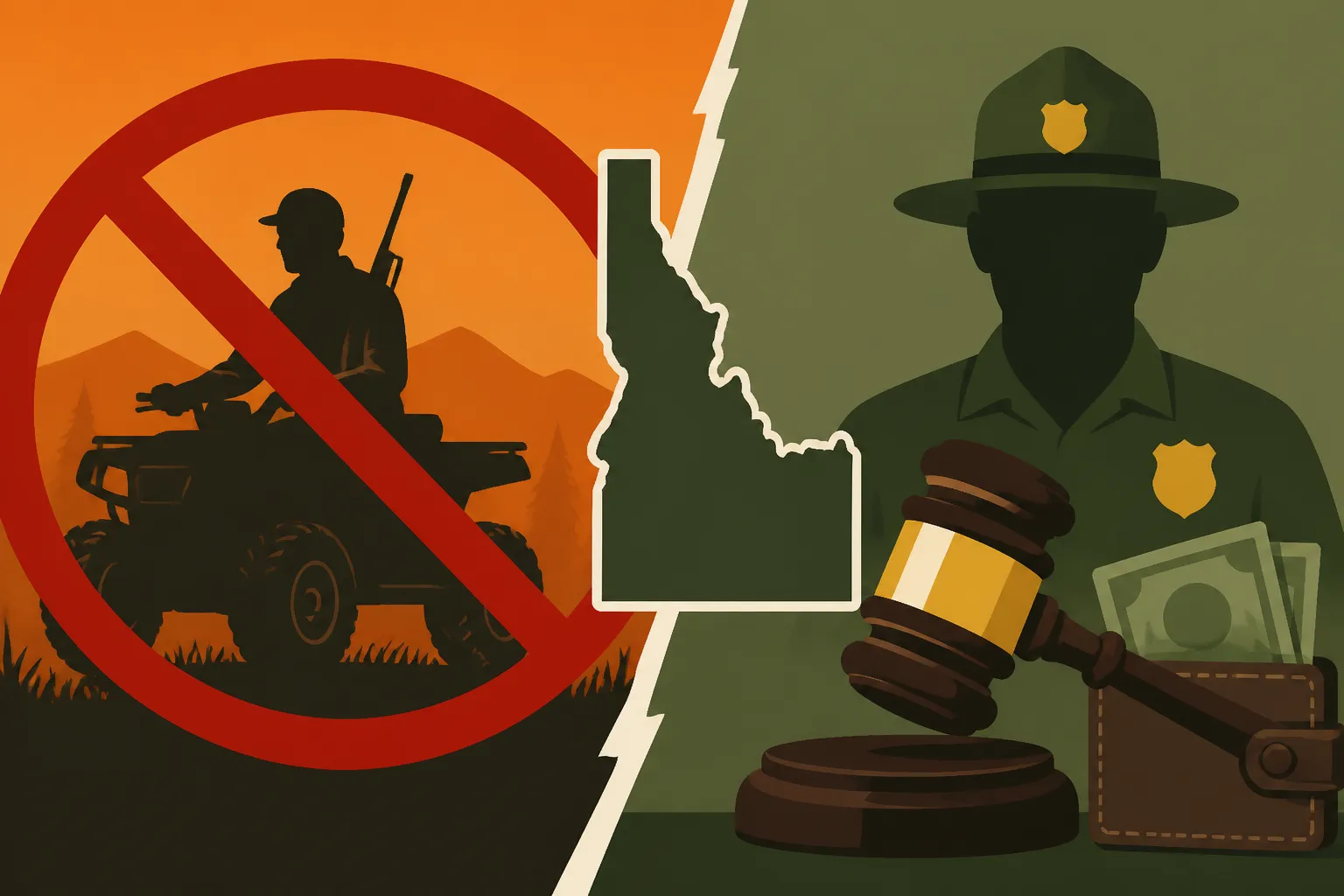
If a Fish and Game officer or a land management agency ranger observes you violating the motorized hunting rule, the immediate consequences can be severe. First, your hunt will likely be over. Officers may issue you a citation, which is essentially a summons to appear in court. This isn't just a traffic ticket; these are often misdemeanor charges under Idaho law. In addition to the citation, officers have the authority to confiscate equipment used in the violation. This could mean your ATV, UTV, or even your firearm if it was associated with the illegal activity, especially if you were attempting to retrieve game in a prohibited manner.
Imagine being deep in the mountains, finally getting that elk down, only to be approached by an officer as you attempt to drive your side-by-side off a designated road to retrieve it. Not only could you lose your vehicle, but your tag might be invalidated, and you'd still be responsible for packing out the animal under the meat salvage laws, all while facing legal charges. This is precisely why Can You Drive Off Road to Retrieve Downed Game is such a critical point of clarification for so many hunters. The fines associated with these misdemeanor charges can be substantial, often ranging into the hundreds or even thousands of dollars, plus court costs and potential restitution for any environmental damage caused.
Hunting Privilege Suspension and Interstate Impact
Beyond the immediate fines and legal headaches, one of the most impactful penalties for a motorized hunting rule violation is the potential suspension or revocation of your hunting privileges. Idaho Fish and Game takes these violations seriously, as they directly impact the sustainable management of wildlife and public land. A first offense might lead to a suspension of your hunting license for a year or more. Repeat offenses, or particularly egregious violations, can result in much longer suspensions, potentially five years or even a lifetime ban from hunting in Idaho.
What many hunters don't realize is that an Idaho hunting license suspension doesn't just apply within the state's borders. Idaho is a member of the Interstate Wildlife Violator Compact, an agreement among many states to recognize each other's hunting, fishing, and trapping license suspensions. This means that if Idaho suspends your hunting privileges, you could very well find those same privileges suspended in over 40 other member states. This single violation could effectively end your hunting career across a huge portion of the country. Before buying a tag in a new state, it's always wise to check your standing, and a call to The Idaho Fish and Game Licensing Phone Line can clarify any uncertainties regarding your past record.
| Violation Type | Potential Immediate Field Action | Potential Legal Charge | Typical Fines/Costs | Hunting Privileges Impact |
|---|---|---|---|---|
| Operating motorized vehicle off-road | Citation, Vehicle Seizure | Misdemeanor | Significant (hundreds/thousands) | 1+ year suspension, potential lifetime |
| Creating new unauthorized route | Citation, Vehicle Seizure | Misdemeanor, Property Damage | Significant + Restitution | 1+ year suspension, potential lifetime |
| Driving to retrieve downed game off-road | Citation, Tag Invalidation, Game Seizure | Misdemeanor | Significant (hundreds/thousands) | 1+ year suspension, potential lifetime |
| Repeat Offenses | Increased Seizure Risk | Enhanced Misdemeanor | Higher Fines | Longer suspensions, lifetime ban likely |
Proactive Steps to Stay Compliant and Hunt Ethically
Nobody wants to face fines or lose their hunting privileges, especially when the goal is to enjoy Idaho's incredible outdoors responsibly. The good news is that avoiding these penalties is entirely within your control. It requires diligent preparation, a commitment to understanding the rules, and a willingness to adapt your hunting strategy to stay within the legal framework. It's about being a responsible steward of the land and respecting the game you pursue.
Leveraging Technology for Pre-Hunt Planning
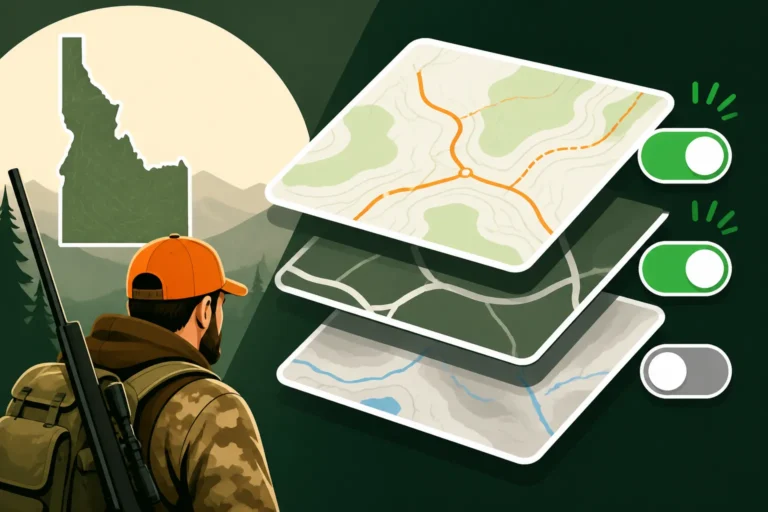
One of the most effective ways to avoid motorized rule violations is to thoroughly plan your hunt using modern mapping technology. Applications like onX Hunt are invaluable tools for this very purpose. They offer detailed satellite imagery, topographic maps, and, critically, land ownership overlays that clearly show public land boundaries. Even better, they often include layers that delineate designated roads and trails, helping you visualize exactly where you can and cannot drive your vehicle. Before you ever leave home, you can "e-scout" your unit, identifying legal access points and parking areas, and planning non-motorized routes to get deeper into hunting grounds.
Complementing this, resources from Idaho Fish and Game, often accessible through platforms like GoHunt, provide unit-specific regulations. You can check Checking Public Land Percentage by Idaho Unit to get a general idea of your opportunities, but the detailed rules are found in the official regulations. Don't just rely on what you think is legal; download the official Motor Vehicle Use Maps (MVUMs) from the National Forest or BLM district websites for the specific area you plan to hunt. These maps are the definitive guide for motorized access, and many mapping apps can import or reference them directly. Taking the time to study these layers on your phone or computer beforehand can save you immense trouble in the field.
Responsible Travel and Game Retrieval Practices
Once you're in the field, the rule is simple: if it's not clearly an established, designated road or trail, don't drive on it. This means resisting the urge to follow that faint set of tracks that seems to go "just a little further" or to cut a corner through the sagebrush. Park your vehicle in designated parking areas or along established roads where it's explicitly allowed and doesn't impede traffic or block access. From there, you commit to non-motorized travel—whether that's walking, horseback riding, or using a mountain bike on legal trails.
When you're fortunate enough to harvest an animal, the excitement can sometimes lead to poor decisions. It's tempting to want to retrieve your downed game quickly and easily with a vehicle. However, the motorized rule still applies. You cannot drive off-road, even to retrieve a downed animal, unless you are on a specifically designated road or trail that allows it. This often means embracing the challenge of packing your animal out by hand, with a pack frame, or with horses. Planning for this reality is part of ethical hunting in Idaho. Being prepared to Packing an Elk Out of Steep Country Alone is a fundamental aspect of hunting in the rugged Idaho landscape, and it underscores the true wilderness experience these rules aim to protect.
Disclaimer
This article is for general informational purposes only and does not constitute professional advice. Laws, prices and regulations vary by location and change over time. Consult a qualified professional for guidance on your specific situation.