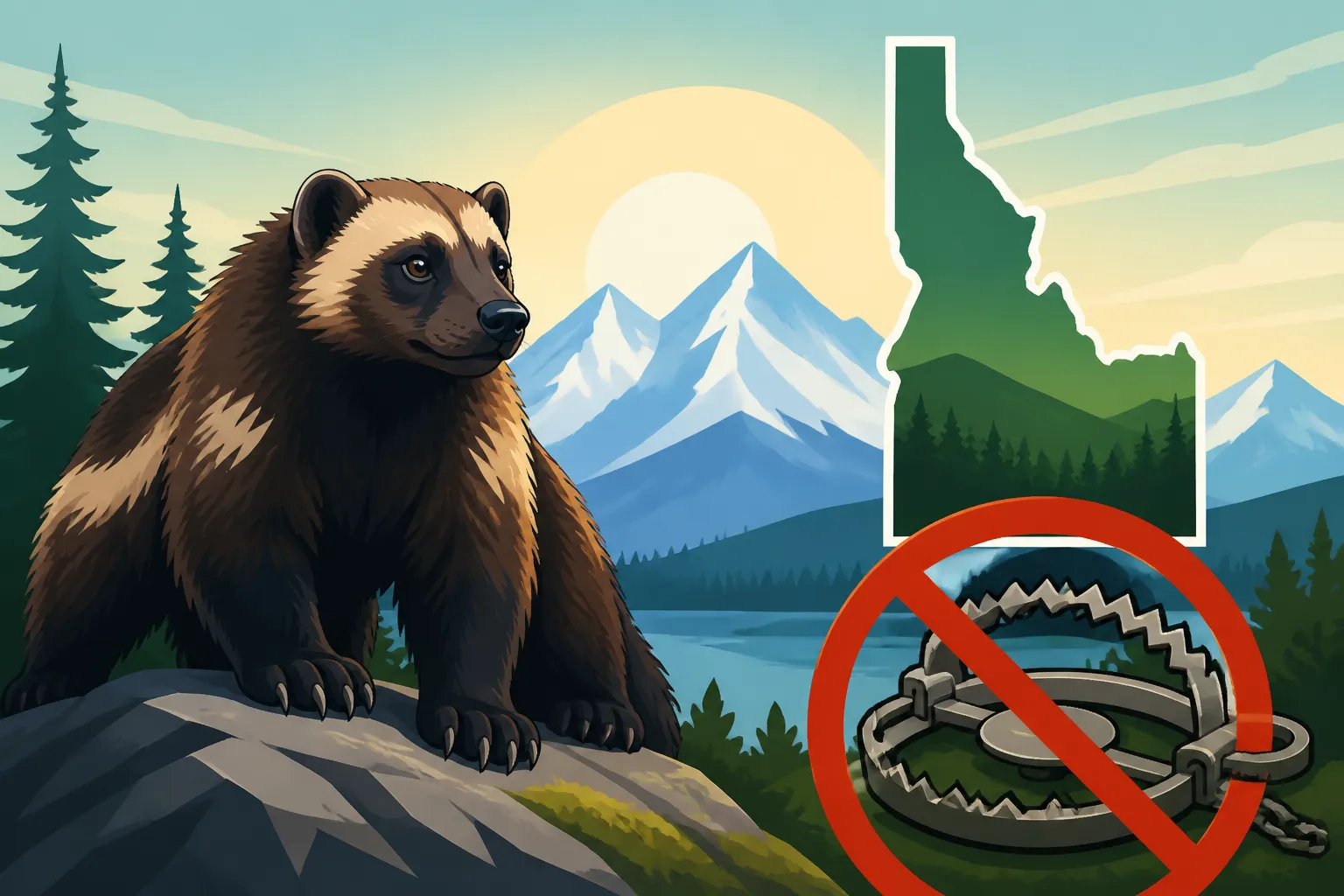
Wolverine Protections That Limit Trapping
For those of us who spend our seasons in the field, whether chasing big game or setting a trapline, the incredible diversity of Idaho's wildlife is a constant draw. But with that diversity comes responsibility, and sometimes, a bit of a headache when protected species cross paths with our plans. If you're a trapper in Idaho, you've likely heard whispers or seen specific regulations concerning wolverines, and it can be frustrating trying to understand exactly how their protected status impacts your legal trapping activities. This guide is here to shed light on how wolverine protections limit trapping in Idaho, giving you a clearer picture of what you need to know to stay compliant and respectful of these remarkable animals.
The Wolverine's Protected Status in Idaho
Wolverines are enigmatic creatures, true ghosts of the high country. Their presence alone speaks volumes about the wildness of a landscape, but their elusive nature also makes their conservation a unique challenge. Understanding why they are protected is the first step in navigating the regulations that surround them.
Why Wolverines Are a Species of Concern
Wolverines, often mistaken for large martens or small bears, are actually the largest terrestrial member of the weasel family. They are built for harsh, snowy environments, thriving in the remote, high-elevation areas of Idaho's mountains. The problem is, there aren't many of them. Their population density is naturally very low, meaning you can have vast stretches of prime habitat with only a handful of individuals. This low density, combined with their shy and wide-ranging habits, makes population monitoring incredibly difficult. Scientists often rely on remote camera traps, DNA samples from hair snags, and tracking efforts in deep snow to even confirm their presence.
This scarcity makes them incredibly vulnerable to various pressures, from habitat fragmentation due to human development to the impacts of a changing climate affecting their crucial snowpack habitats. Because they reproduce slowly and require vast territories, even a small increase in mortality can have a significant impact on their overall numbers.
Federal and State Level Protections
Given their precarious status, wolverines receive protection at both federal and state levels, which directly translates into specific rules for land use and trapping. Federally, they have been considered for listing under the Endangered Species Act for years, a process that reflects the scientific community's concern for their long-term survival. While the specifics of their federal listing status can shift, the underlying concern about their viability remains constant.
In Idaho, the state takes a proactive approach to managing species of concern, even those without a federal listing, to ensure healthy populations. For wolverines, this means they are designated as a protected species, which prohibits their take and mandates specific considerations in areas where they might occur. This protection is a critical part of maintaining Idaho's biodiversity and ensures that trappers, as responsible stewards of the land, are aware of and adhere to these regulations. Ignoring these rules isn't just a legal misstep; it actively undermines conservation efforts for a truly unique Idaho resident.
Geographic Distribution and Habitat in Idaho
If you're wondering where you might encounter a wolverine, think high, remote, and snowy. In Idaho, these incredible animals are primarily found in the rugged mountain ranges, often above timberline or in dense, old-growth forests at high elevations. Areas like the Selkirk, Cabinet, Bitterroot, Frank Church-River of No Return, and Sawtooth Wilderness areas, as well as vast stretches of the Clearwater and Salmon-Challis National Forests, are considered core wolverine habitat. These are places with persistent snow cover well into the spring and summer, which is crucial for their denning and food storage habits.
For trappers, this geographical distribution is vital intel. It means that if your trapline is in lower elevations, agricultural lands, or more easily accessible timber, your chances of encountering a wolverine are significantly lower. However, if you venture into the deep backcountry, particularly in higher elevations or wilderness boundaries, the likelihood increases. Knowing the general areas where wolverines are present directly impacts the trapping methods and caution you must employ, ensuring you don't inadvertently set a trap in a sensitive zone where a wolverine might be traveling.
Understanding Trapping Regulations and Wolverine Conflict
The legal framework for trapping in Idaho is designed to be comprehensive, covering everything from target species to trap types and location. When it comes to wolverines, these regulations become especially precise, reflecting the need to minimize accidental catches of a protected animal.
Areas Where Trapping Is Restricted or Prohibited
Because wolverines inhabit specific, high-country ecosystems, Idaho Fish and Game has implemented regulations that often restrict or outright prohibit certain trapping activities in designated "wolverine zones" or high-probability areas. These areas aren't always neatly drawn lines on a map, but often correspond to particular game management units (GMUs) or wilderness boundaries known for persistent wolverine presence. You might find that within certain remote units, the use of larger, body-gripping traps is either restricted to specific times of the year or forbidden entirely, especially if those traps are intended for species like bobcats or coyotes, whose ranges might overlap slightly with wolverines at certain elevations.
It's crucial to consult the most current Idaho furbearer regulations annually, as these zones and rules can be adjusted based on new research, population assessments, or specific management objectives. Websites like GoHunt often provide excellent mapping tools that can help visualize these restricted areas, allowing you to plan your trapline effectively and avoid zones where wolverine conflict is high. Staying informed about How Idaho Numbers Its Game Management Units and specific unit regulations will be paramount.
Device Restrictions and Setbacks
The core of preventing wolverine bycatch often comes down to the types of traps and how they are set. Idaho regulations (and best practices) frequently emphasize the use of trapping devices and methods that minimize the risk to non-target species. For example, certain trap sizes or jaw spreads might be restricted in wolverine country, or there might be requirements for traps to be set off the ground, in cubby sets, or otherwise configured to deter larger, stronger animals like wolverines from entering. The logic here is straightforward: a trap designed for a marten or a mink, placed correctly, is far less likely to inadvertently capture a wolverine than a large, indiscriminately placed trap.
Furthermore, there might be setback requirements, meaning traps must be placed a certain distance from roads, trails, or waterways to reduce the chance of an accidental encounter by a wide-ranging wolverine. Trappers must meticulously plan their sets, considering not just the target furbearer but every potential non-target species, including those, like wolverines, that are protected. Understanding the nuances of Idaho Furbearer Trapping Season Dates and the associated device rules for specific units is essential.
Best Practices for Avoiding Non-Target Catches
Beyond legal requirements, ethical trappers strive to employ best practices to avoid catching any non-target animal, especially a wolverine. This involves a thoughtful approach to every aspect of your trapline. First, consider your bait. While certain baits attract your target species, some can be universally attractive. Using specific, less appealing baits for larger carnivores can make a difference. Second, trap placement is key. Setting traps in locations specifically designed for your target, like cubbies for martens, or elevated sets, can make them less accessible to a curious wolverine traveling through.
Regular trap checks are another non-negotiable best practice. The more frequently you check your traps, the quicker you can address any non-target catches, minimizing stress and potential injury to the animal. Many experienced trappers also spend significant time scouting, learning the travel patterns of various species in their specific areas, which helps them identify areas of low wolverine activity for their lines. Being a responsible trapper means going beyond the letter of the law and adopting a mindset of active conservation in every set. You might also find crossover knowledge in Marten and Fisher Trapping Rules or Idaho Bobcat Season and Pelt Tag Rules regarding selective trapping techniques.
What to Do If You Encounter a Wolverine in Your Trapline
It's a rare occurrence, but if you're trapping in prime wolverine habitat, there's always a chance you might encounter one. Knowing exactly what to do in such a situation is paramount, both for your safety and for the well-being of the animal, not to mention staying on the right side of the law.
Immediate Actions and Reporting Requirements
Should you find a wolverine in one of your traps, the first and most critical action is to remain calm and prioritize safety. Wolverines are powerful, intelligent, and can be aggressive when stressed or cornered. Do not approach the animal without extreme caution and absolutely do not attempt to release it yourself unless you are specifically trained and equipped to do so, which is highly unlikely for a recreational trapper. Your immediate next step is to contact the Idaho Department of Fish and Game (IDFG) as quickly as possible. The IDFG has protocols in place for handling protected species bycatch, and they are the only authority qualified to safely assess and manage the situation.
It's essential that you do not disturb the animal, the trap, or the surrounding area any more than necessary. This means no photos from close range, no attempting to cover the animal, and certainly no attempt to "hide" the incident. Full transparency and cooperation with IDFG are crucial. The IDFG licensing phone line can provide immediate assistance, or you can find regional office contacts on their website.
The Importance of Accurate Reporting
Every wolverine sighting or incidental capture provides invaluable data for Idaho Fish and Game. Because these animals are so rare and elusive, every piece of information helps biologists understand their current distribution, population health, and habitat use. When you report an encounter, you're not just complying with a regulation; you're actively contributing to the scientific understanding and conservation of the species. Be prepared to provide exact location details (GPS coordinates are best), the type of trap, the species targeted, and any observations about the wolverine's condition.
This data directly informs future management decisions, including potential adjustments to trapping regulations or the identification of critical habitat areas that need additional protection. Your honest and detailed reporting becomes a vital link in the larger conservation effort for Idaho's wild places.
Penalties for Illegally Taking a Wolverine
The consequences for illegally taking a protected species like a wolverine in Idaho are severe, whether the act was intentional or due to negligence. These aren't minor infractions; they carry substantial fines, potential jail time, loss of hunting and trapping privileges for extended periods (potentially for life), and restitution payments for the animal itself. The legal system views the taking of a protected species with extreme seriousness because it directly undermines wildlife conservation efforts and the delicate balance of ecosystems.
Even an accidental take, if it's found to be a result of gross negligence or a disregard for established regulations, can lead to significant penalties. This underscores why understanding and strictly adhering to all trapping regulations, especially those pertaining to protected species, is not just a suggestion but a critical responsibility for every trapper operating in Idaho.
Balancing Conservation with Trapping Opportunities
The relationship between trappers and wildlife management is often a complex one, but it can also be highly symbiotic. When it comes to wolverines, trappers have a unique opportunity to contribute to conservation while still pursuing their passion.
The Role of Trappers in Wildlife Monitoring
While regulations might feel restrictive at times, trappers are often some of the most observant individuals in the backcountry. Spending extended periods in remote areas, keenly attuned to animal sign and behavior, places them in a unique position to contribute to wildlife monitoring. Many state agencies, including Idaho Fish and Game, value data collected by trappers regarding furbearer populations, incidental sightings of rare species, and habitat conditions. For wolverines, an unexpected track in the snow or a confirmed sighting, properly reported, adds to the scientific database.
Some wildlife agencies even explore voluntary reporting programs or partnerships where trappers can provide valuable insights without fear of penalty, fostering a collaborative approach to conservation. This kind of collaboration is essential for species like the wolverine, where traditional survey methods are often challenging. The information trappers gather can inform population estimates, track range expansion or contraction, and help refine management strategies for all furbearers, including species governed by Idaho Wolf Management and Harvest Limits or Marten and Fisher Trapping Rules.
Future Management Considerations
The management of protected species like the wolverine is not static; it's an ongoing, adaptive process. As new research emerges, as climate patterns shift, and as human use of the landscape evolves, so too will wildlife management strategies. For wolverines, factors like changing snowpack depths (critical for denning), habitat fragmentation from increased recreation or development, and even the presence of other apex predators can influence their populations.
Idaho Fish and Game continually evaluates these factors, often seeking public input, to strike a balance between conservation needs and various outdoor pursuits. This means trappers should anticipate that regulations might be adjusted in the future to reflect new understandings of wolverine ecology or changing environmental conditions. Staying engaged in the process, perhaps through organizations like the Idaho Trappers Association or by reviewing IDFG public notices, can help ensure your voice is heard and that you're prepared for any changes.
Resources for Trappers to Stay Informed
Navigating the complexities of trapping regulations, especially those concerning protected species, requires diligent effort. Fortunately, there are excellent resources available to help you stay current and compliant. The absolute first stop should always be the official Idaho Fish and Game website. They publish the annual furbearer regulations in detail, often with maps and specific unit-by-unit breakdowns. Always download or obtain a physical copy of the most recent regulations before you head into the field. This also includes knowing Where the Current Idaho Regulations Are Posted.
Tools like the GoHunt app and other mapping software can layer public land ownership, wilderness boundaries, and sometimes even specific regulatory zones, making it easier to visualize where certain restrictions might apply. Local IDFG regional offices are also invaluable resources; don't hesitate to call or visit with specific questions. They are there to help you understand the rules. Finally, consider joining local trapping associations. These groups often discuss regulatory changes, share best practices for ethical trapping, and can provide a community of experienced individuals to learn from. Understanding A Walkthrough of the Idaho Hunt Planner can also provide insights into specific unit details that might inform your trapping decisions.
Disclaimer
This article is for general informational purposes only and does not constitute professional advice. Laws, prices and regulations vary by location and change over time. Consult a qualified professional for guidance on your specific situation.