The Idaho Pheasant Bag Limit Explained
There's nothing quite like the explosive flush of a wild pheasant, the thrill of a well-executed dog point, and the satisfaction of a clean shot. But let's be honest, trying to navigate Idaho's hunting regulations, especially when it comes to specific bag limits for popular game birds like pheasants, can feel as complicated as predicting which way that rooster will fly. This guide is here to untangle the nuances of Idaho's pheasant bag limits, helping you understand the rules so you can focus on the hunt without worrying about compliance.
Understanding Idaho's General Pheasant Bag Limits
When you're out in the field, ready for pheasants, the first thing on your mind is often the daily limit. Idaho's general pheasant bag limit is pretty straightforward for most hunters, but it's crucial to understand what "daily bag" and "possession limit" truly mean and how they apply to the birds you harvest. For pheasants, we're talking about roosters – the male birds, easily identified by their vibrant plumage and long tail feathers. Hens are typically protected to ensure population health, so targeting roosters is key.
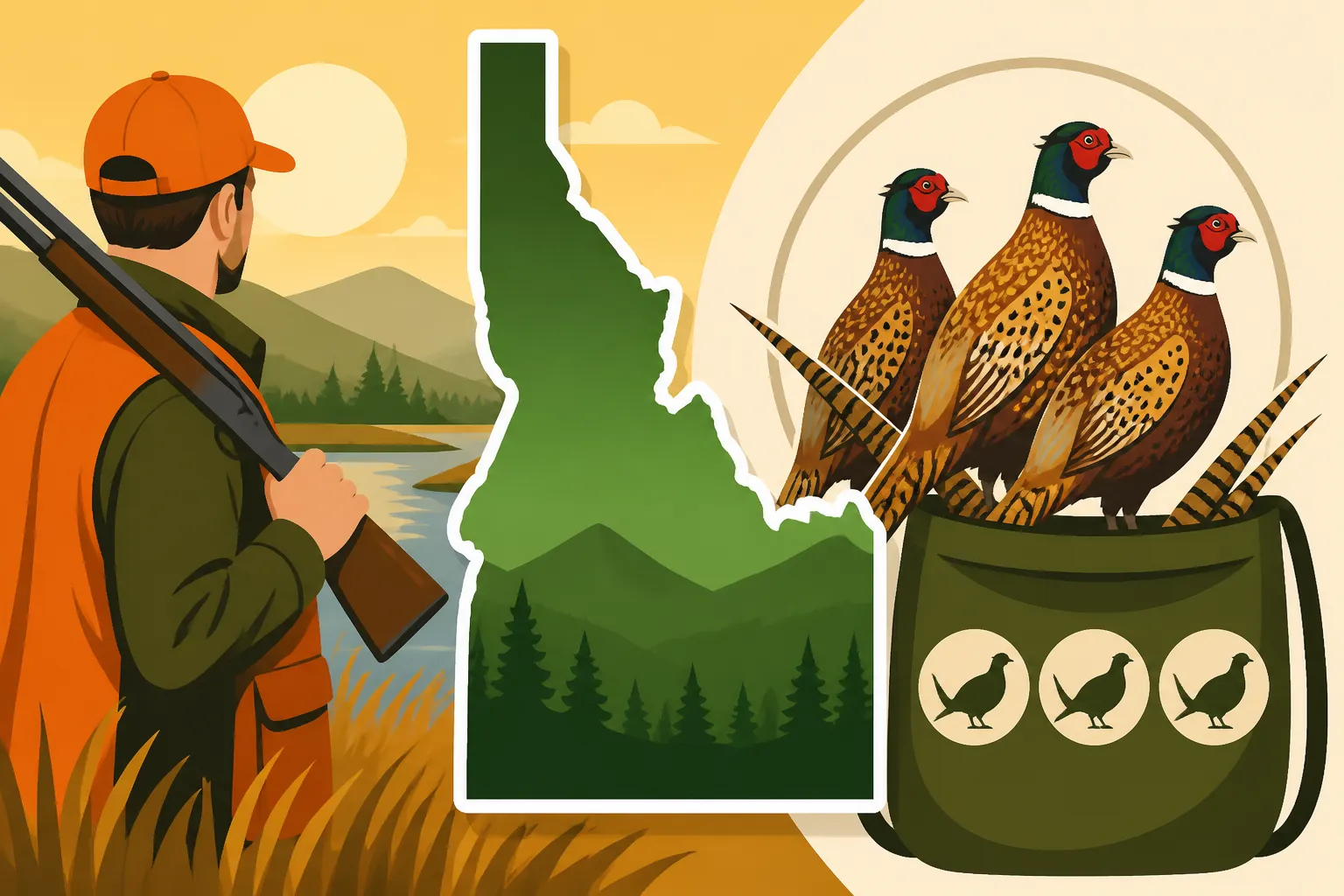
The daily bag limit refers to the maximum number of pheasants an individual hunter can legally take in one calendar day. This isn't just about what you shoot; it's what you possess in the field or transport home from a day's hunt. Imagine you're hunting with a friend. Each of you has your own daily bag limit. You can't combine your limits if one of you is having a particularly lucky day and the other isn't. It's an individual count. Generally, the daily bag limit for pheasants in Idaho is often set at three roosters. This means that once you've successfully bagged three male pheasants, your hunting for the day, for that species, is done. It's a hard stop, regardless of how much daylight is left or how many more birds your dog points.
The possession limit, however, is a different beast entirely, and it's where many hunters, especially those traveling from out of state or planning multi-day hunts, can get tripped up. The possession limit defines the maximum number of pheasants an individual can have in their possession at any given time, whether that's in your cooler, at your hunting camp, or back home in the freezer. It's usually a multiple of the daily bag limit, designed to allow hunters to accumulate birds over several hunting days. For instance, if the daily limit is three roosters, the possession limit might be nine roosters. This allows you to hunt three days and accumulate your daily limits before you hit the possession maximum. If you harvest three birds on day one, you can still hunt on day two and day three, adding to your tally, up to the possession limit. This distinction is really important for planning longer trips, as you'll need to know when it's time to head home or stop hunting a particular species.
Why Only Roosters? The Biology Behind the Limit
You might wonder why Idaho, like many states, restricts pheasant hunting to only roosters. This isn't just a quirk of the regulations; it's a vital biological strategy for pheasant management. Pheasants are polygynous, meaning one rooster will mate with multiple hens. This social structure allows a relatively small number of roosters to successfully breed with a larger population of hens, ensuring a healthy reproductive cycle for the next generation.
By limiting the harvest to only male birds, wildlife managers can allow the hen population to remain strong, which directly supports the overall pheasant numbers. If hunters were allowed to take hens, it would severely impact the breeding potential, potentially leading to a decline in the pheasant population. Plus, those brightly colored roosters are a lot easier to spot and identify in the field, making it simpler for hunters to comply with the rules and avoid accidentally harvesting a hen. When you're out there, always take that extra second to confirm it's a rooster before you pull the trigger. It's good for the birds and keeps you on the right side of the law.
Special Considerations for Pheasant Bag Limits
While the general daily and possession limits provide a good baseline, Idaho is a diverse state, and its hunting opportunities for pheasants can vary significantly depending on where you choose to hunt. This is especially true for specific areas managed to enhance pheasant populations, such as Wildlife Management Areas (WMAs) and certain controlled hunts. These areas often have unique rules that supersede the general statewide regulations, making it absolutely critical to check the specific guidelines for your chosen hunting spot.
Wildlife Management Areas (WMAs) and Their Specific Rules
Idaho boasts a number of excellent Wildlife Management Areas (WMAs) that are specifically managed to provide habitat and opportunities for upland birds, including pheasants. These WMAs are often focal points for pheasant hunting, particularly because many of them receive supplementary pheasant releases each fall. While this can provide fantastic hunting, it also means the rules might be a bit different from what you find on general public or private lands.
For instance, a WMA might have a different daily bag limit, or even more restrictive shooting hours than what's typical for the rest of the state. Some WMAs might require you to purchase a specific WMA permit in addition to your general hunting license and upland bird validation. Others might designate "no-shooting" zones or areas where only non-toxic shot is allowed. These regulations are put in place to manage hunting pressure, ensure public safety, and maximize the quality of the hunting experience on these often-intensively managed lands. Before you even pack your vest, make sure you look up the specific WMA you plan to visit. Resources like The Idaho Hunt Planner Is the Tool to Start With or directly on the Idaho Fish and Game website can help you pinpoint these localized regulations. Neglecting this step can lead to a frustrating encounter with a conservation officer, or worse, a citation, which is definitely not the memory you want from a pheasant hunt.
Stocked Pheasant Areas and Release Programs
Many of Idaho's WMAs and other designated areas participate in pheasant release programs. These programs are fantastic for boosting hunting opportunities, especially for youth hunters or those looking for a higher probability of success. However, these programs often come with their own set of rules regarding bag limits and even the type of tag or permit required.
The number of pheasants released and the frequency of those releases can vary from year to year and location to location. In some areas where pheasants are stocked, you might find that the daily bag limit is the same as the general statewide limit, but in others, particularly if the birds are released on a daily or weekly basis, the limit could be adjusted to account for the increased availability. It’s also common for these areas to have a specific permit or validation required, sometimes called a "pheasant release permit" or similar, which helps fund the stocking efforts. Without this additional permit, you could be hunting illegally even if you have your general license. Always check the current year's regulations for Where Idaho Releases Pheasants Each Fall and any associated permit requirements. It's an extra step, but it ensures you're fully prepared and contributing to the conservation efforts that make these hunts possible.
Beyond the Limit: Possession and Transport Rules
Bringing your harvested pheasants home is often the last, but equally important, step in a successful hunt. Just like the daily bag limit, Idaho has specific rules governing the possession and transport of game birds. These regulations aren't just about the number of birds; they also cover how you prepare them for transport and what information needs to be retained. Overlooking these details can lead to just as much trouble as exceeding your daily bag limit, so it's vital to be clear on the requirements.
Keeping Evidence of Sex for Transport
This is one of those rules that sometimes catches new hunters off guard. For pheasants, and many other game birds where sex-specific regulations exist, you are often required to keep "evidence of sex" attached to the bird until it reaches your final destination or is processed for consumption. For roosters, this usually means leaving one leg or a portion of the wing attached to the carcass. This allows game wardens to easily verify that the bird you harvested is indeed a rooster, ensuring compliance with the hen protection rules.
Imagine you're driving home after a fantastic hunt, your cooler full of plump pheasants. If a conservation officer stops you, they'll want to confirm you've followed the rules. If all your birds are breasted out and there's no way to tell if they were roosters or hens, you could be facing a serious issue, even if you only shot roosters. The burden of proof is often on the hunter. So, while it might seem a bit inconvenient to leave a wing or leg on your birds, it's a simple step that saves a lot of potential headaches. Always double-check the current regulations for the precise requirements on Evidence of Sex Requirements on a Carcass. Better safe than sorry when it comes to transporting your hard-earned game.
Group Limits and Common Carriers
Another area that sometimes causes confusion is how bag and possession limits apply when hunting with a group, or when using a common carrier like an airline or shipping service to get your game home. When hunting in a group, it's important to remember that limits are individual. Even if you're hunting together, each person is responsible for their own bag and possession limits. You can't pool your birds under one person's license if another hunter has exceeded their personal limit or doesn't have a valid tag. Everyone must comply individually.
When it comes to common carriers, the rules become even more specific. If you're flying home with your pheasants, for example, the airline will have its own rules regarding the packaging and transport of game meat, in addition to Idaho's regulations. Typically, each package containing game must be clearly labeled with the hunter's name, address, license number, the species, and the date of harvest. This helps officials track the origin of the game and ensure it was legally taken. Furthermore, your total possession limit still applies. You can't ship more birds than you are legally allowed to possess. It’s always a good idea to check with your airline or shipping company before your trip for their specific requirements, alongside reviewing Idaho's Field Dressing and Carcass Transport Rules Explained. Planning ahead ensures your pheasants make it home safely and legally.
Planning Your Idaho Pheasant Hunt
Successfully hunting pheasants in Idaho isn't just about knowing the bag limits; it's about smart planning, understanding the terrain, and utilizing available resources. From scouting new areas to staying on top of regulation changes, being prepared is your best defense against a frustrating hunt.
Staying Up-to-Date with Regulations
The Idaho Fish and Game department makes a concerted effort to publish clear and comprehensive regulations each year. However, it's a dynamic environment, and regulations can sometimes change due to weather impacts, population fluctuations, or management objectives. That's why relying on outdated information is a big risk. Before every season, and even before a specific hunt, make it a habit to check the most current regulations directly from the Idaho Fish and Game website.
Beyond the official documents, online tools and hunting apps can be incredibly helpful. Platforms like GoHunt, for instance, often compile regulations and offer interactive maps that can show you unit boundaries, public land access, and sometimes even specific WMA rules. Using such tools in conjunction with the official regulations ensures you have the most complete and accurate picture. Remember, while a platform like GoHunt can be a fantastic resource for planning and scouting, the official Idaho Fish and Game regulations are the final word. Always cross-reference. Reading the current Idaho regulations should be an annual ritual for every Idaho hunter.
Essential Gear and Tactics for Pheasant Success
Hunting pheasants in Idaho can range from walking CRP fields to pushing brushy draws along a river bottom. Your gear should match the conditions and the style of hunting you prefer. A good, reliable shotgun, typically a 12 or 20 gauge, is standard, with appropriate shot size (often 4, 5, or 6) for upland birds. Non-toxic shot might be required in certain WMAs or wetland areas, so always verify that before you go.
Beyond the firearm, a comfortable pair of upland boots that can handle varied terrain is a must. A good vest with plenty of pockets for shells, water, and your harvested birds will make your day much more enjoyable. And let's not forget the unsung heroes of pheasant hunting: bird dogs. A well-trained pointing or flushing dog can dramatically increase your success rate and enhance the entire experience. Many hunters find a dog indispensable for locating birds in thick cover and retrieving downed birds that might otherwise be lost. Bird Dog Rules for Upland Game Hunting are also worth reviewing, especially if you're new to hunting with a canine companion.
Tactically, early mornings are often best when birds are feeding or moving. Focus on areas with good cover like cattail sloughs, tall grass, brushy fence rows, and field edges. Pheasants love to hide, so slow, methodical walks through cover, especially with a dog, are much more effective than fast, aimless wandering. On private lands, always secure landowner permission well in advance. On public lands, using mapping tools (like those found on GoHunt) to identify likely habitat and access points can give you a significant advantage. Understanding the general Idaho Upland Bird Season Opening Dates will also help you plan the best timing for your hunts.
Table of General Pheasant Limits (Always Verify Current Regulations)
It's helpful to have a quick reference for Idaho's general pheasant bag limits. Please remember that these are typical figures and can change annually or for specific areas. Always consult the current Idaho Fish and Game regulations for the most up-to-date and localized rules.
| Limit Type | General Season (Roosters Only) | Example WMA (Check Specific Rules) |
|---|---|---|
| Daily Bag Limit | 3 Roosters | 2-4 Roosters (varies by WMA) |
| Possession Limit | 9 Roosters | 6-12 Roosters (varies by WMA) |
This table provides a general overview, but the crucial takeaway is to always check the official Idaho Fish and Game regulations for the specific unit or WMA you intend to hunt. Information found on tools like GoHunt can guide you, but the official regulation booklet is your final source of truth.
Disclaimer
This article is for general informational purposes only and does not constitute professional advice. Laws, prices and regulations vary by location and change over time. Consult a qualified professional for guidance on your specific situation.