Idaho Forest Grouse Season Length Explained
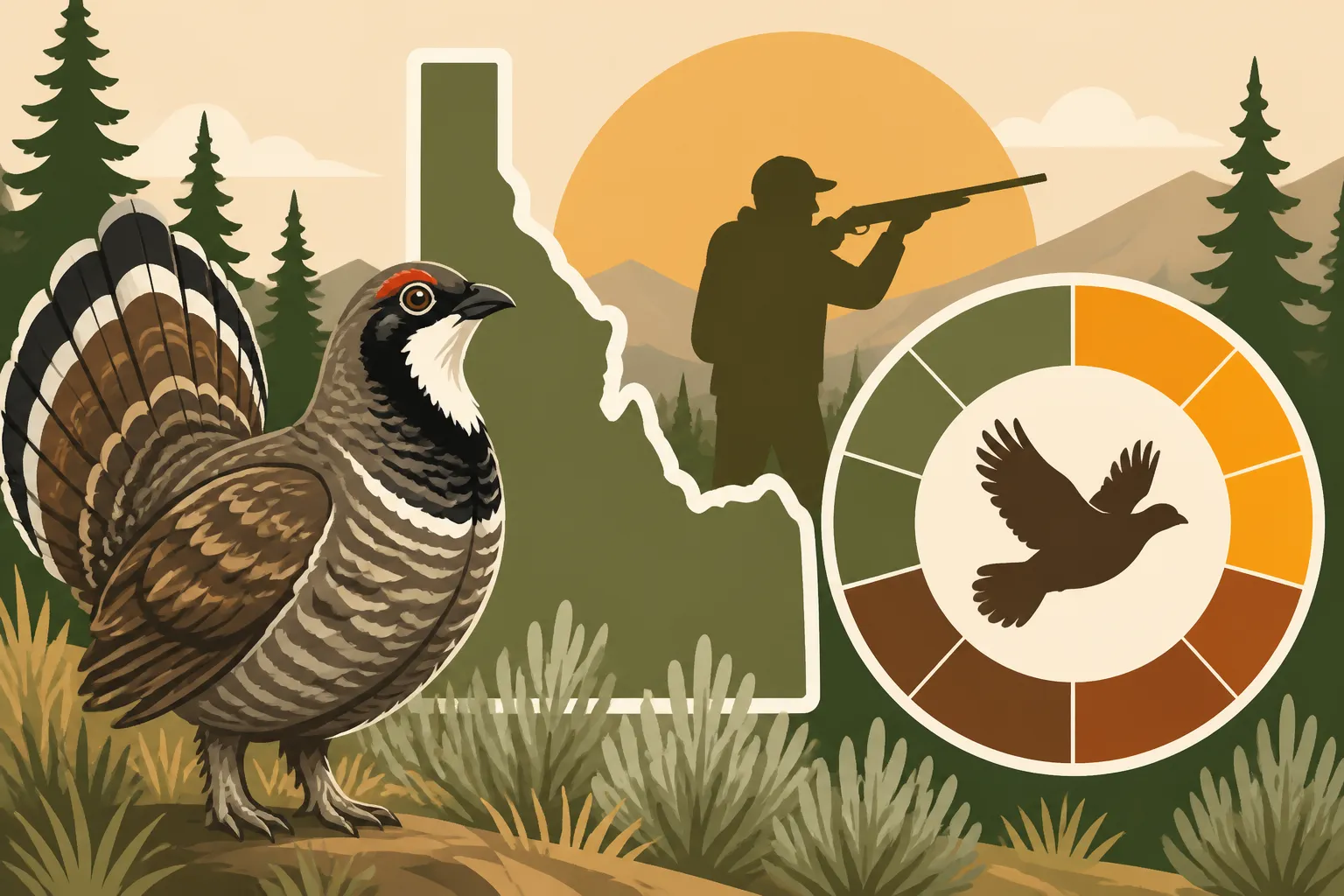
It can feel like a guessing game sometimes, trying to figure out the exact window you have to pursue forest grouse in Idaho. You've got your eyes set on those elusive birds in the high timber, but the regulations can sometimes seem like a labyrinth, leaving you wondering if you'll even have enough time to plan a proper hunt. This guide is here to untangle the specifics of Idaho's forest grouse season length, helping you understand when and where you can chase ruffed, blue, and spruce grouse, and how to stay on top of the ever-important details.
Understanding Idaho's General Forest Grouse Season
Idaho is pretty generous when it comes to upland bird hunting, and that certainly extends to our forest grouse species. Unlike some big game hunts that might only span a week or two, the seasons for grouse typically offer a much longer window of opportunity. This extended season acknowledges the widespread distribution of these birds across our vast timbered landscapes and the traditional nature of pursuing them.
Typical Season Structure for Ruffed, Blue, and Spruce Grouse
When we talk about "forest grouse" in Idaho, we're usually referring to Ruffed Grouse, Blue Grouse (which include both Dusky and Sooty Grouse, depending on the region), and the occasional Spruce Grouse, though the latter are a bit more localized. For the most part, Idaho Fish and Game consolidates these species under a single "Forest Grouse" season. This makes things a little simpler for hunters, as you don't typically need to differentiate between them in the field regarding season dates.
Historically, the season for forest grouse kicks off in late summer or early fall, often around September 1st, and can run well into December or even early January in many units. That's a substantial period—sometimes four months or more—giving hunters ample time to hit the woods. This long season allows for everything from early-season hunts where birds might still be grouped up and feeding on berries, to late-season adventures in the snow when they're tight to thermal cover. It’s a wonderful opportunity to experience the changing Idaho landscape, from crisp fall days to frosty winter mornings, all while pursuing these tenacious birds. Forest Grouse Through Idaho's Timber are truly a gem of our upland hunting opportunities.
Why the Long Season Matters for Hunters
A lengthy season isn't just a convenience; it's a huge strategic advantage for hunters. First, it offers flexibility. Life happens, and having a broad window means you're not scrambling to fit a hunt into a tiny slot. If the weather is foul on your planned weekend, you can often push it back. Second, it allows you to adapt to bird behavior and habitat changes throughout the fall. Early in the season, you might find grouse along logging roads or in berry patches, while later, they might move to dense conifer stands or south-facing slopes to find warmth and shelter. You can scout, hunt, and learn as the season progresses, refining your approach based on conditions. Third, it reduces pressure on specific days. With such a long season, hunter numbers tend to be more spread out, especially on public land, which can lead to a more enjoyable and less crowded experience. This also means more opportunities to find Blue and Ruffed Grouse in High Timber.
Regional Variations and Unit-Specific Nuances
While Idaho strives for consistency, the sheer size and diverse ecosystems of our state mean that not all regulations are uniform. Regional variations, and sometimes unit-specific details, can sometimes subtly impact the forest grouse season. It’s crucial not to assume a statewide rule without double-checking, even for seemingly general seasons.
How to Find Specific Season Dates by Unit
The number one rule of hunting in Idaho, or anywhere for that matter, is to always consult the current year's official regulations. While the general framework for forest grouse is often quite consistent, specific opening and closing dates, as well as bag and possession limits, can be adjusted annually. These adjustments might be subtle, like shifting an opening day by a week, or more significant if population surveys indicate a need.
The best place to find these details is on the Idaho Fish and Game website or in their printed upland game regulations booklet. They provide a detailed breakdown by region and often by specific Game Management Unit (GMU). Tools like the Idaho Fish and Game hunt planner are invaluable here. You can click on specific units, or use a map interface to zoom into the area you plan to hunt, and the planner will display the regulations pertinent to that zone. Many hunters also use mapping apps like GoHunt, which often integrate these regulatory layers directly into their mapping systems, allowing you to visually confirm boundaries and associated rules right on your phone in the field. This capability is fantastic for ensuring you're always within legal limits. The Idaho Hunt Planner Is the Tool to Start With is an indispensable resource.
Differences in Bag and Possession Limits
Beyond just season length, bag and possession limits are another area where slight variations can occur, though for forest grouse, these tend to be more uniform statewide than for other species like pheasants or chukar. A common daily bag limit for forest grouse might be something like four birds per day, with a possession limit of twelve. This means you can harvest four birds in one day, but you cannot have more than twelve birds total in your possession (at home, in your cooler, etc.) at any given time.
| Grouse Species | Typical Daily Bag Limit | Typical Possession Limit | General Season Length |
|---|---|---|---|
| Ruffed Grouse | 4 | 12 | Sep 1 – Jan 31 |
| Blue Grouse | 4 | 12 | Sep 1 – Jan 31 |
| Spruce Grouse | 4 | 12 | Sep 1 – Jan 31 |
| Total Forest Grouse | 4 (Combined) | 12 (Combined) | Sep 1 – Jan 31 (Often) |
Note: These dates and limits are illustrative based on common historical patterns. Always check the current Idaho Fish and Game regulations for precise, up-to-date information for your specific hunting year and unit.
These limits are set to ensure sustainable harvest and healthy populations. While it’s tempting to try and fill your freezer, remember that responsible hunting is about respecting the resource. Always verify the current year’s limits for the unit you intend to hunt. Even if the season length is consistent, a small change in bag limits could impact your planning. You can also explore options for Idaho Upland Bird Season Opening Dates if you're looking for other species.
Factors Influencing Season Length and Bag Limits
Have you ever wondered why Idaho's forest grouse seasons are structured the way they are? It's not arbitrary. A lot of science, observation, and management principles go into determining these regulations. Understanding these factors can give you a deeper appreciation for the resource and help you anticipate potential changes in the future.
Population Health and Surveys
The health of grouse populations is the primary driver behind season length and bag limits. Idaho Fish and Game biologists conduct surveys to monitor population trends. This isn't as straightforward as counting elk from a helicopter; grouse are masters of camouflage and can be challenging to survey. Biologists often rely on methods like drumming counts for ruffed grouse (listening for the distinctive sound males make with their wings) and roadside surveys, as well as habitat assessments.
If grouse numbers appear stable or increasing, the longer, more liberal seasons are generally maintained. However, if there's a significant decline due to factors like harsh winters, poor nesting success (often due to cold, wet springs), or habitat loss, then the department might propose shorter seasons or reduced bag limits to help the populations recover. This is a dynamic process, and regulations are reviewed annually to reflect the most current biological data. Reading an Idaho Harvest Statistics Report can give you an idea of past success and population trends.
Habitat Conditions and Weather Patterns
Forest grouse are intimately tied to their habitat. Ruffed grouse thrive in younger, brushier timber with a mix of aspen and conifer, while blue grouse often prefer older, open pine and fir stands, especially at higher elevations. Spruce grouse are found in dense, often boggy spruce and fir forests. The quality and availability of these habitats directly impact grouse survival and reproduction. Large-scale events like wildfires, extensive logging, or even insect outbreaks that alter forest composition can affect grouse numbers.
Weather patterns also play a significant role. A mild winter usually means higher overwinter survival for adult birds. More importantly, a warm, dry spring during nesting and brood-rearing periods can lead to significantly higher chick survival rates. Conversely, a cold, wet spring can decimate young broods, leading to a weaker fall population. These environmental factors are constantly being weighed by wildlife managers when they consider the next year's hunting regulations. The overall goal is to manage the resource sustainably, ensuring that future generations of hunters will also have the chance to experience chasing these birds through Idaho's beautiful timber.
Hunter Access and Opportunity Considerations
While biology is paramount, hunter opportunity is also a key consideration. Idaho Fish and Game aims to provide ample access and opportunity for hunters where populations can sustain it. For a widely distributed species like forest grouse, with relatively low hunting pressure compared to big game, maintaining a long season is a practical way to maximize recreational opportunities. Idaho Runs 99 Game Management Units, many of which offer excellent grouse hunting.
Additionally, forest grouse seasons often align with other upland bird seasons and even some big game seasons. This allows hunters to combine efforts, potentially pursuing grouse while scouting for deer or elk, or during a day when their primary big game target isn't moving. This overlapping opportunity is often a deliberate part of wildlife management, designed to offer a richer, more diverse hunting experience. GoHunt's detailed maps can highlight public land access points and trail systems, making it easier to plan multi-species hunts across various terrains.
Preparing for Your Idaho Forest Grouse Hunt
Now that you've got a handle on season length and why it matters, let's talk about getting ready for your hunt. Chasing forest grouse, especially in Idaho's rugged terrain, is a rewarding experience, but it requires a bit of preparation to make sure you're safe, comfortable, and successful.
Essential Gear for Forest Grouse Hunting
You don't need a huge amount of specialized gear for grouse, but a few key items will make a world of difference.
- Shotgun: A lightweight 12 or 20 gauge shotgun is ideal. For those thick timbered areas, an open choke (like improved cylinder or skeet) and smaller shot sizes (like 7.5 or 8) are perfect for close-range flushing birds.
- Ammunition: Bring enough shells, especially if you plan to cover a lot of ground. Remember, you might only get quick glimpses of these birds.
- Comfortable Boots: This is probably the most critical item. You'll be walking, often uphill and through dense underbrush. Waterproof, sturdy, and well-broken-in boots are non-negotiable.
- Layered Clothing: Idaho weather can change on a dime, especially in the mountains. Dress in layers that you can easily add or shed to adapt to temperature fluctuations. A good waterproof outer shell is also smart.
- Orange Vest/Hat: Safety first! While not always legally required for grouse, wearing blaze orange is highly recommended, especially during overlapping big game seasons, to ensure you're visible to other hunters.
- Backpack: A small daypack for water, snacks, extra layers, a first-aid kit, and a way to carry your birds is essential.
- Navigation: A GPS device, a detailed map (physical or on an app like GoHunt), and a compass are critical, especially if you're venturing into unfamiliar timber. Don't rely solely on your phone! E-Scouting an Idaho Unit Before the Season can give you a head start on understanding the terrain.
- Game Vest or Bag: Something to carry your harvested birds comfortably and keep them cool.
Tactics for Finding Forest Grouse in Idaho
Finding forest grouse is often about covering ground in the right habitat. They tend to hold tight, often flushing at your feet, so still-hunting or walking slowly and deliberately is key.
- Habitat Focus:
- Ruffed Grouse: Look for younger forest regeneration, aspen thickets, creek bottoms, and areas with dense underbrush. Old logging roads or overgrown clear-cuts are often prime spots.
- Blue Grouse: Head to higher elevations, especially in areas with mature conifer forests that have an open understory. They like edges where timber meets open slopes, and will often be found near springs or seeps in drier country.
- Spruce Grouse: Seek out dense spruce and fir bogs, often in more remote, northern Idaho timber.
- Roads and Trails: Don't overlook old logging roads, ATV trails, or hiking paths. Grouse will often feed along these edges, dusting in the dirt, or using them for travel. Just be mindful of motorized vehicle rules in some areas.
- Water Sources: Even grouse need water. Look for seeps, springs, or small creeks, especially during drier periods of the early season.
- Food Sources: Early in the season, grouse feed heavily on berries (huckleberries, elderberries), buds, and clover. Later in the fall, they transition to conifer needles, catkins, and other woody browse.
- Dogs: If you have a well-trained bird dog, they can be invaluable for finding holding birds and retrieving downed ones in thick cover. Just ensure they are conditioned for mountain terrain.
Remember, patience and persistence are your best allies when chasing forest grouse. They can be elusive, but the reward of a wild bird flushed from thick timber, and the beautiful surroundings of Idaho's forests, make every step worth it. Don't forget to review Idaho's Motorized Hunting Rule Keeps You on the Road if you plan to use any vehicles.
Disclaimer
This article is for general informational purposes only and does not constitute professional advice. Laws, prices and regulations vary by location and change over time. Consult a qualified professional for guidance on your specific situation.