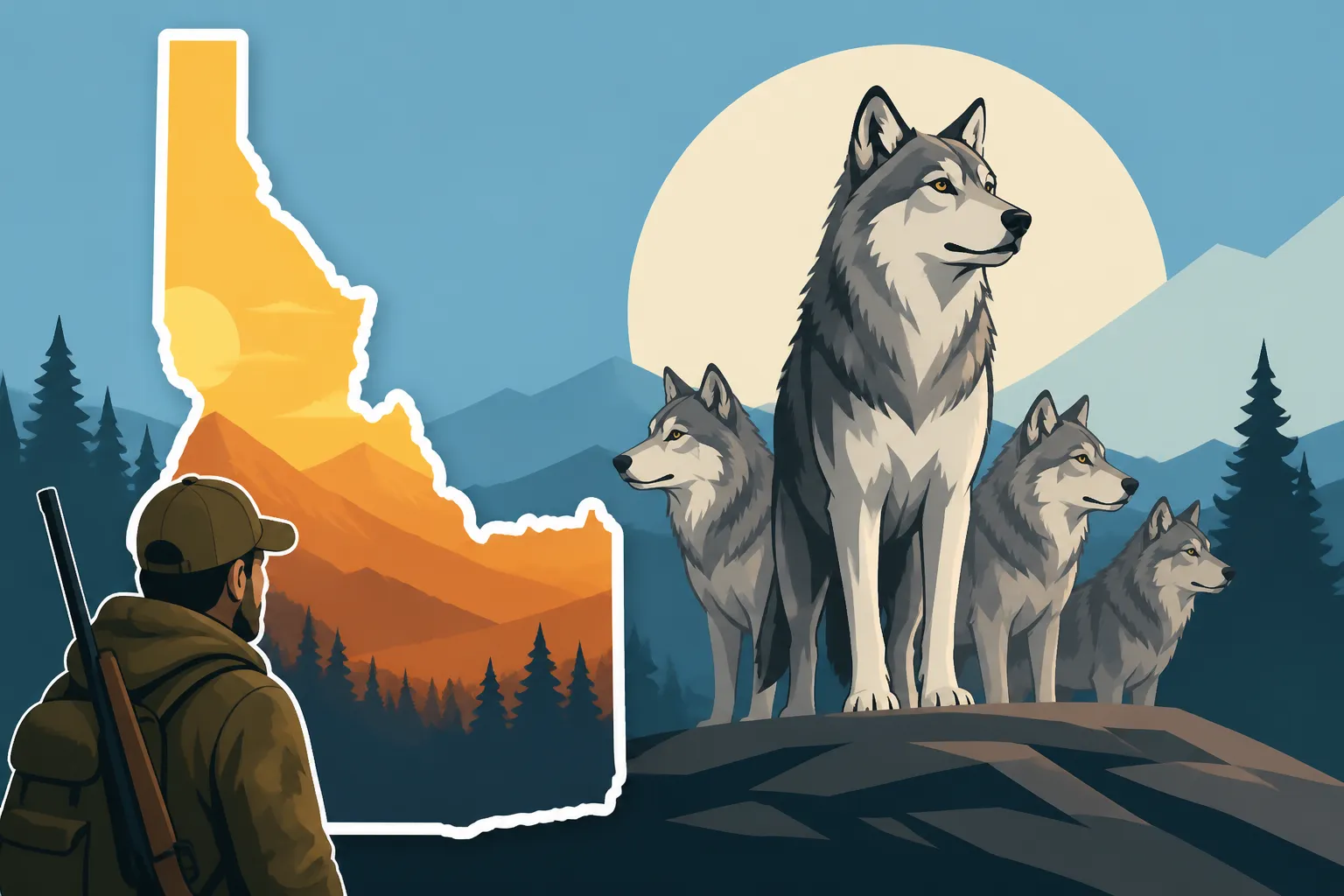
How Many Wolves Live in Idaho
The question of how many wolves actually roam the vast, wild landscapes of Idaho is one that sparks passionate discussion and intense debate among hunters, conservationists, and rural communities alike. It's not just a number; it represents a complex interplay of wildlife management, ecological balance, and deeply held beliefs. This guide aims to pull back the curtain on how Idaho's wolf population is understood and managed, offering insight into the factors that shape these numbers and the methods used to estimate them.
The Dynamic Nature of Wolf Populations in Idaho
If you ask ten different people in Idaho about the wolf population, you'll likely get ten different opinions. That's because wolf numbers are incredibly dynamic, always ebbing and flowing with a multitude of environmental, biological, and human factors. It's never a static figure, and the perception of the population often depends heavily on one's personal experiences or where they stand on the issue.
Why an Exact Number is Elusive
The idea of getting an exact, precise head count of every single wolf in Idaho is, quite frankly, a biological impossibility. These aren't cattle in a pasture; wolves are incredibly intelligent, wide-ranging predators that live in remote, rugged terrain. They're masters of elusiveness, often traveling dozens of miles in a single day, and their territories can span hundreds of square miles. Imagine trying to count every squirrel in your neighborhood, then multiply that challenge by a thousand, add in dense forests, deep canyons, and vast wilderness areas, and you start to get a picture of the difficulty. Their coats blend seamlessly with the environment, and they're most active during twilight and nighttime hours, further complicating direct observation.
Furthermore, wolf packs are constantly shifting. Pups are born in the spring, some don't survive their first year, and others disperse from their birth pack to find new mates and territories. Older wolves succumb to natural causes, disease, or inter-pack conflicts. New packs can form, and existing ones can dissolve. This constant state of flux means that any population estimate is really just a snapshot in time, a best guess based on the available data, rather than a definitive, immutable count. That's why the Idaho Fish and Game (IDFG) relies on robust estimation methods rather than trying for an impossible exact count.
Historical Context of Idaho's Wolf Recovery
To truly grasp Idaho's current wolf situation, it helps to understand a bit of history. For many years, wolves were essentially eradicated from the lower 48 states, including Idaho, largely due to predator control programs in the early to mid-20th century. By the time the 1970s rolled around, wild wolves were largely a memory in places like the Gem State.
However, the tides began to turn with the Endangered Species Act and subsequent efforts to recover wolf populations. Starting in the mid-1990s, wolves were reintroduced into central Idaho's wilderness areas, a move that was met with both fervent support and fierce opposition. These reintroduced wolves, along with natural dispersal from neighboring states like Montana, began to re-establish a foothold. From those initial groups, the population grew rapidly, expanding its range across much of central and northern Idaho, and even into parts of the southern regions. This recovery has been remarkable from a conservation standpoint, but it also ushered in new challenges and conflicts, particularly with livestock producers and big game hunters who saw impacts on their livelihoods and hunting opportunities. It’s this history that frames much of the discussion about current wolf numbers and management.
How Idaho Fish and Game Estimates Wolf Numbers
Given the inherent difficulties of counting every individual wolf, wildlife management agencies like the Idaho Department of Fish and Game (IDFG) employ a suite of scientific methods to arrive at population estimates. These aren't just arbitrary figures; they're derived from years of research, field work, and data analysis. While no method is foolproof for such an elusive creature, combining different approaches provides a comprehensive picture.
Counting Methods and Metrics
The IDFG uses a combination of direct and indirect methods to estimate wolf numbers, which collectively build a more reliable picture than any single approach could on its own. One key method involves collar data and telemetry. Wildlife biologists capture wolves, fit them with GPS or VHF collars, and then track their movements. This allows them to monitor pack territories, estimate pack sizes, and understand dispersal patterns. Knowing the size and location of known packs is crucial.
Another significant component is den and rendezvous site monitoring. During the spring and summer, biologists actively search for den sites where pups are born and later for rendezvous sites where packs gather. Observing the number of pups at these sites, combined with adult observations, helps in estimating reproductive success and overall pack health. Public observations, particularly from seasoned hunters, trappers, and backcountry users, also play a valuable role, especially when corroborated by other data. Many outfitters and serious DIY hunters, often using tools like GoHunt to scout and understand game distribution, are keen observers and can provide valuable anecdotal information that helps fill in the gaps.
Finally, harvest data from regulated hunting and trapping seasons provides critical insights. When wolves are legally harvested, biological samples can be collected, and location data recorded, which contributes to understanding population distribution and dynamics. While not a direct count of living animals, it offers a window into the population's health and distribution. This method of using multiple lines of evidence allows the IDFG to develop a robust, science-based estimate of Idaho's wolf population, even if it's never an exact, real-time census. You can often find harvest statistics broken down by game management unit, which can be useful when planning a trip or just understanding local populations.
The Role of Adaptive Management
Idaho's wolf management is deeply rooted in an adaptive management framework. What does that mean exactly? It means that management strategies aren't set in stone; they're flexible and continually adjusted based on new information, ongoing monitoring, and the changing dynamics of the wolf population itself, as well as the impacts these wolves have on other species and human interests.
For instance, if monitoring data suggests wolf numbers are increasing rapidly in a particular area, leading to more conflicts with livestock or noticeable declines in localized big game herds, the IDFG might consider increasing hunting or trapping opportunities in that specific region. Conversely, if population estimates show a decline, or if specific packs are struggling, management might lean towards more conservative harvest quotas or even area closures. This adaptive approach ensures that management decisions are responsive to real-world conditions, rather than adhering to rigid, outdated plans. It’s about finding a balance, constantly evaluating the effectiveness of current strategies, and being prepared to make informed adjustments to achieve management goals, which include maintaining a viable wolf population while mitigating conflicts and managing big game herds.
Factors Influencing Idaho's Wolf Population
The number of wolves in Idaho isn't just about how many pups are born each spring; it's a delicate balance influenced by a complex web of environmental, biological, and human-driven factors. Understanding these elements is key to comprehending the overall health and fluctuations of the state's wolf population.
Prey Availability and Habitat
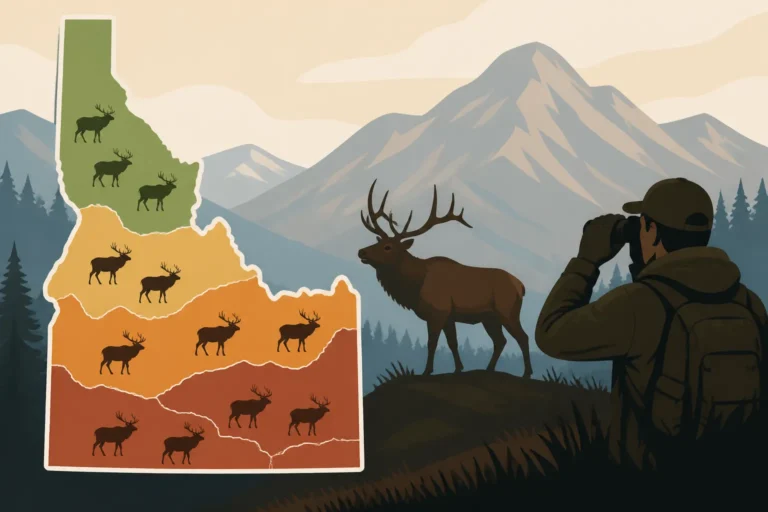
Just like any predator, wolves are inextricably linked to their prey base. In Idaho, that primarily means elk, deer (both mule deer and whitetail), and to a lesser extent, moose. The health and abundance of these big game populations directly influence how many wolves an area can support. If prey numbers are high and widely distributed, wolf populations are more likely to thrive, producing more pups and expanding their territories. Conversely, if prey populations decline due to harsh winters, habitat loss, or other factors, wolf numbers will naturally follow suit as competition for food intensifies.
Habitat quality also plays a massive role. Wolves require vast tracts of relatively undisturbed land, especially for denning and raising pups. Idaho's expansive wilderness areas, national forests, and remote backcountry provide ideal habitat in many regions. However, increasing human encroachment, habitat fragmentation, and even severe wildfires can impact wolf denning success and overall survival. Areas with strong elk populations, particularly those offering security cover in the timber, are naturally going to draw more wolves. Hunters often consider these dynamics when researching units on platforms like GoHunt, looking for areas with a healthy balance of both predators and prey. You can dive deeper into this subject by reading about How Many Elk the State Actually Holds.
Hunter Harvest and Management Actions
One of the most significant factors influencing Idaho's wolf population numbers is human-caused mortality, primarily through regulated hunting and trapping seasons. Once wolves were delisted from the Endangered Species Act in Idaho, management authority reverted to the state, and IDFG established seasons designed to manage the population. These seasons are implemented to achieve specific management objectives, such as reducing depredation on livestock, increasing big game populations in certain areas, or stabilizing wolf numbers within socially acceptable thresholds.
Hunting and trapping are managed through quotas, season dates, and specific rules, like those outlined in Idaho Wolf Harvest Limits Per Hunter. These management actions can have a direct and immediate impact on wolf numbers, especially at a localized level. For instance, increased harvest pressure in a unit experiencing high elk calf mortality or livestock conflicts can lead to a reduction in wolf density in that specific area. Trapping, in particular, can be an effective tool for localized control. The IDFG constantly monitors harvest rates and adjusts future seasons to ensure that overall population objectives are met, demonstrating the adaptive management principles in action.
Disease and Natural Mortality
Beyond human interaction and prey availability, wolves face a range of natural threats that contribute to mortality and influence population numbers. Diseases, much like in other wildlife populations, can periodically impact wolf health. Canine parvovirus and canine distemper, for example, can spread through packs, especially affecting pups and younger wolves, potentially causing localized declines. Mange, a parasitic skin disease, can also weaken individuals and make them more susceptible to other health issues or harsh environmental conditions.
Natural mortality also includes factors like starvation, particularly for young or old wolves, and injuries sustained during hunts or territorial disputes with other wolf packs. Wolves are highly territorial, and violent encounters between rival packs are a natural part of their ecology, sometimes leading to fatalities. Severe winters can also take a toll, especially on less experienced pups or older, weaker individuals, as finding food becomes more challenging. While often less dramatic than human-caused mortality, these natural processes are constantly at play, serving as a background hum that shapes the overall population dynamics of Idaho's wolves.
The Ongoing Debate and Management Strategies
The presence of wolves in Idaho continues to be one of the most contentious issues in wildlife management. It’s a microcosm of the larger debate playing out across the American West, where deeply held conservation values clash with the realities of rural livelihoods and the traditions of hunting. The numbers aren't just statistics; they're tied to passionate arguments on all sides.
Conservation Concerns vs. Livestock and Big Game Impacts
On one side of the debate are conservation groups and many wildlife enthusiasts who celebrate the return of wolves as a triumph of conservation and a vital restoration of ecological balance. They see wolves as essential apex predators that help regulate ungulate populations, improve the health of big game herds by culling the weak, and restore natural processes to the ecosystem. For them, a healthy wolf population is a sign of a healthy, wild Idaho. They often voice concerns about over-harvesting and ensuring a robust, genetically diverse population.
Conversely, ranchers and many big game hunters often point to the negative impacts wolves can have. Ranchers face the very real economic threat of livestock depredation, leading to financial losses and emotional toll. For big game hunters, particularly those pursuing elk and deer, there's concern that increasing wolf numbers can lead to significant declines in their favored quarry, making hunts more challenging and reducing opportunities. This concern often leads to questions about wolf density in specific units, which can be researched on platforms like GoHunt to help plan a hunt. Many hunters recall How Wolves Changed Idaho Elk Numbers in certain areas decades ago, and they don't want to see a repeat. The tension between these perspectives often centers on what constitutes a "healthy" or "sustainable" wolf population, and whose interests should take precedence.
Current Management Goals and Objectives
Idaho Fish and Game's wolf management plan attempts to navigate these often-conflicting interests by setting specific goals and objectives. The overarching goal is to maintain a viable and self-sustaining wolf population throughout Idaho, while also actively managing their impacts on big game, livestock, and other wildlife values. It’s a balancing act that requires constant monitoring and adjustment.
Specific objectives often include:
- Maintaining a minimum viable population: Ensuring that wolf numbers remain above thresholds that would trigger relisting under the Endangered Species Act.
- Mitigating livestock depredation: Employing various strategies from lethal removal of problem wolves to non-lethal deterrents, often in collaboration with livestock producers.
- Managing big game populations: Where wolf predation is identified as a significant factor in big game declines, IDFG may increase wolf harvest opportunities to help rebalance ungulate numbers. This often involves detailed analysis of Reading an Idaho Harvest Statistics Report to understand local dynamics.
- Providing hunting and trapping opportunities: Allowing regulated harvest as a tool for population management, while also recognizing the interest of hunters and trappers.
These goals are not static. They are continually reviewed and refined based on new scientific data, public input, and the dynamic nature of wildlife populations. The IDFG aims to be transparent about its processes, publishing annual reports on wolf population estimates, harvest data, and management activities, often available for public review.
Understanding Idaho's Wolf Hunt Structure
Idaho employs a flexible and often robust hunting and trapping framework to manage its wolf population, reflecting the adaptive nature of its wildlife management. Unlike some other big game species, wolf seasons often run for extended periods, sometimes year-round in certain units, and bag limits can be quite generous compared to deer or elk. This reflects the state's proactive approach to managing a species that has demonstrated rapid population growth since its reintroduction.
Hunters and trappers can purchase a wolf tag, which is usually separate from other big game tags, allowing them to participate in the general seasons. These general seasons typically have specific regulations regarding legal weapons, methods of take (like trapping), and reporting requirements. For instance, trappers must complete a wolf trapping education course, and there are strict rules about trap types and placement. Additionally, in areas with chronic livestock depredation or significantly depressed big game populations, the IDFG might implement targeted management actions or special hunts, sometimes involving professional control efforts. Hunters and trappers interested in participating often consult the current regulations carefully and use mapping tools found on GoHunt to identify areas with high wolf activity or where management efforts might be focused. You can find more detail on this by looking into Idaho Wolf Harvest Limits Per Hunter.
Estimated Idaho Wolf Population Trends (Example)
| Year Range | Estimated Population Range | Notes |
|---|---|---|
| Early 2000s | 250-500 | Initial recovery and expansion after reintroduction |
| Mid-2000s | 500-800 | Continued growth, increasing number of established packs |
| Late 2000s/Early 2010s | 800-1,000+ | Peak populations, leading to delisting and state management |
| Mid-2010s to Present | 1,000-1,500 | Managed population, numbers fluctuate based on harvest, prey, and other factors |
Please note: These are illustrative ranges to demonstrate population trends and the dynamic nature of estimates, not current figures. Consult the Idaho Department of Fish and Game for the most up-to-date population estimates and reports.
Disclaimer
This article is for general informational purposes only and does not constitute professional advice. Laws, prices and regulations vary by location and change over time. Consult a qualified professional for guidance on your specific situation.