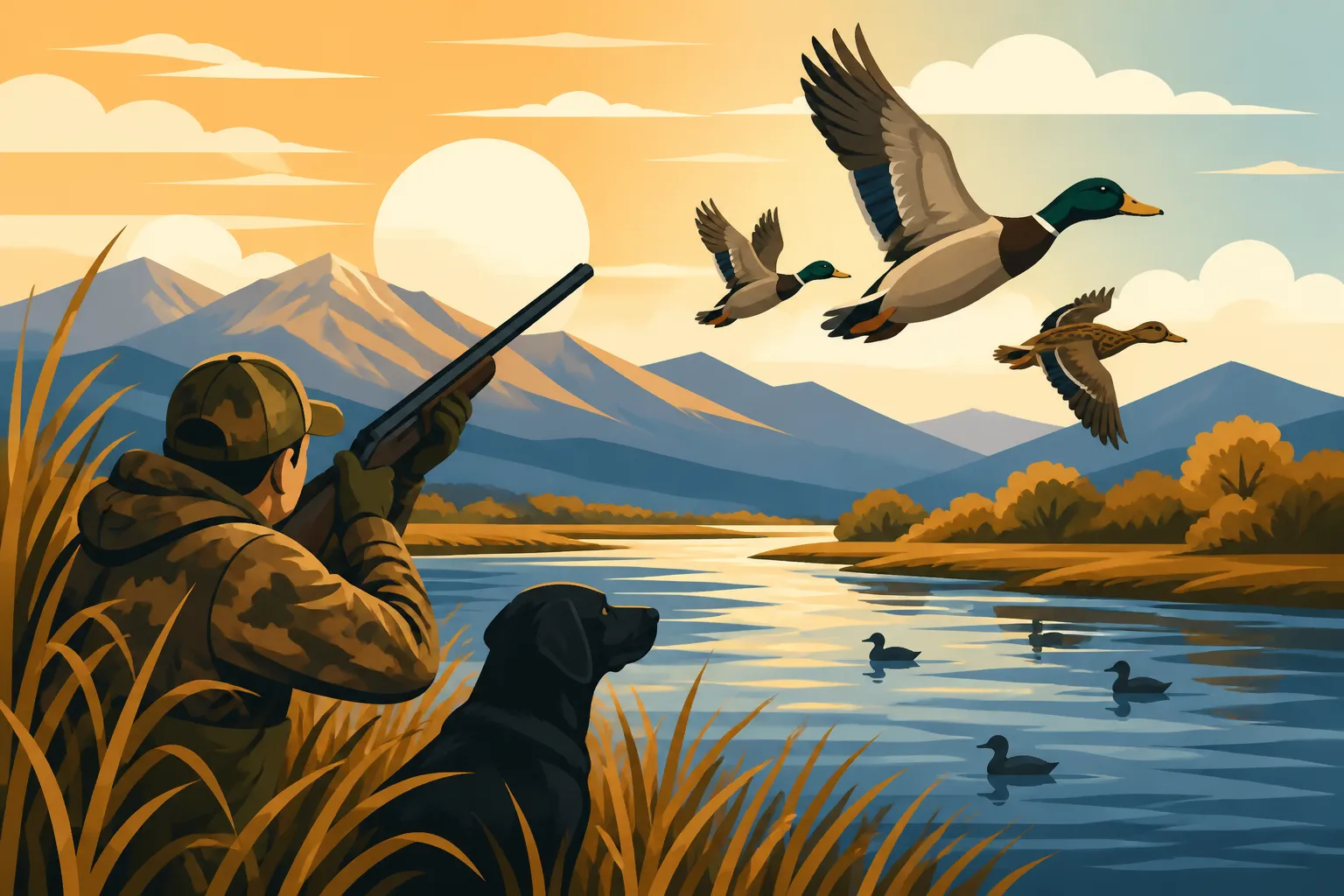
Waterfowl Along the Snake River
Finding consistent waterfowl hunting opportunities can feel like a moving target, especially on a major river system that flows through diverse landscapes like Idaho's Snake River. Between fluctuating water levels, shifting bird patterns, and the sheer vastness of the river, many hunters struggle to pinpoint exactly where and how to be successful. This comprehensive guide is designed to cut through that frustration, offering practical, in-depth advice on pursuing ducks and geese along the iconic Snake River, covering everything from prime locations and species identification to effective strategies and essential gear.
The Snake River's Enduring Appeal for Waterfowl Hunters
The Snake River isn't just a geographical feature; it's a vital artery for waterfowl across Idaho and the wider Pacific Flyway. From its headwaters in Wyoming to its confluence with the Columbia, the river provides a constantly changing smorgasbord of habitat, food sources, and refuge for countless ducks and geese. This makes it an incredibly dynamic and often challenging, yet ultimately rewarding, destination for the dedicated waterfowler.
The Dynamic Ecosystem of the Snake
What makes the Snake River so special for waterfowl is its incredible ecological diversity. You've got slow-moving stretches with emergent vegetation, fast-flowing rapids, deep pools, and shallow backwaters, all within relatively close proximity. This variety of conditions means different species of ducks and geese can find exactly what they need, whether it's diving for submerged aquatic vegetation, dabbling in shallow marshy areas, or resting on open sandbars. The river's influence extends beyond its banks, too, drawing birds from adjacent agricultural fields where they feed on waste grain, providing a crucial food source for thousands of birds each fall and winter. The river essentially acts as a superhighway and a rest stop, catering to the diverse needs of migrating and resident populations.
This dynamic nature also means that conditions can change rapidly. A sudden cold snap might freeze smaller ponds and sloughs, pushing birds onto the open water of the main river. Heavy rains can raise water levels, flooding new feeding areas, while drought can expose vast mudflats. Understanding these environmental shifts and how they impact bird behavior is key to consistent success. It means paying attention to weather patterns, water reports, and even local agricultural activity, which can all influence where the birds will be concentrated on any given day. This constant adaptation is part of the challenge and the allure of hunting the Snake.
Migration Corridors and Wintering Grounds
The Snake River serves as a critical migration corridor for waterfowl moving along the Pacific Flyway. As birds push south from their northern breeding grounds in Alaska and Canada, the Snake River offers a string of vital stopovers, providing abundant food and relatively ice-free water even in the depths of winter. This is particularly true for many species of ducks and geese that prefer open water or feed in agricultural fields nearby. You'll often see birds staging in large numbers on the larger reservoirs and quieter stretches of the river before continuing their journey or settling in for the winter.
While many birds are simply passing through, significant populations also choose to winter along the Snake River, especially in the central and western parts of the state where temperatures are milder. These areas provide reliable open water, often supported by warmer geothermal springs or industrial outflows, alongside rich feeding opportunities in nearby fields. This means that unlike some areas where hunting opportunities might be limited to just a few weeks of migration, the Snake can offer sustained hunting throughout the entire waterfowl season. For hunters utilizing tools like GoHunt's mapping and harvest data features, you can often pinpoint historical patterns of bird presence and even identify potential wintering hotspots based on past reports and aerial surveys.
Prime Waterfowl Species You'll Encounter
The beauty of hunting the Snake River is the sheer variety of waterfowl it attracts. It’s not just a "duck river" or a "goose river"; it's a diverse ecosystem that supports a wide array of feathered quarry. From the swift-flying dabblers to the robust Canada geese, there’s usually something to keep a hunter's attention.
Ducks of the Snake: Dabblers and Divers
When you think of ducks on the Snake River, you're looking at a mix of dabblers and divers, each with their own habits and preferences.
Dabbling Ducks are often the most commonly harvested species. These include your ubiquitous mallards, which are abundant and readily respond to calls and decoys, especially when feeding in shallow backwaters, flooded fields, or along river margins. You'll also encounter handsome green-winged teal and cinnamon teal darting around the shallows, often in tight, fast-moving groups. Wigeons, pintails, and gadwalls also frequent the Snake, preferring similar shallow-water feeding areas where they tip up to graze on aquatic vegetation or grain. These species are often found in areas with emergent vegetation, seeking out seeds and insects. Understanding their feeding habits and preferred habitat is crucial; a good E-Scouting an Idaho Unit Before the Season using aerial imagery can help identify these prime dabbler zones.
Diving Ducks, on the other hand, favor deeper, more open water where they can submerge to feed on fish, mollusks, and aquatic plants. The Snake River's deeper channels and reservoirs are prime territory for species like common goldeneyes, buffleheads, and scaup. Canvasbacks and redheads, known for their speed and distinctive profiles, also make appearances, especially on larger impoundments along the river. Mergansers—common, hooded, and red-breasted—are also abundant and often seen actively fishing. While not always a preferred table bird for some, they offer fast-paced shooting. When targeting divers, your decoy spreads and boat positioning will differ significantly from a dabbler setup, often requiring larger, more visible spreads in open water.
Geese: Canadas and Snows
No discussion of Snake River waterfowl is complete without talking about geese. Giant Canada geese are prevalent throughout the Snake River plain, often seen loafing on sandbars, feeding in nearby agricultural fields, or flying in distinctive V-formations. These birds are intelligent, wary, and provide some of the most challenging and rewarding hunting experiences. Their sheer size and impressive wingspan make for an unforgettable harvest. Hunting Canada geese often involves scouting feeding fields, setting up large spreads of full-body decoys, and employing strong calling techniques to bring them into range. The river itself serves as their primary roosting area, offering a safe haven overnight before they move out to feed at first light. For more specific insights on this, be sure to check out Goose Hunting Along the Snake River.
While not as universally distributed as Canadas, snow geese do pass through parts of the Snake River corridor during migration, sometimes in spectacular numbers. These "white geese" can offer an entirely different hunting experience, often involving massive decoy spreads, electronic calls (where legal; for context on electronic calls for other species, you can refer to Electronic Calls for Predators and Varmint Hunting), and a good understanding of their flight patterns. Their migration can be somewhat unpredictable, but when they do show up, it's a spectacle. The Snake River often acts as a staging area where they rest and refuel before continuing their journey. Knowing the local population trends and migration timing, perhaps by consulting an updated Reading an Idaho Harvest Statistics Report, can significantly increase your chances of intercepting these impressive birds.
Other Waterfowl Opportunities
Beyond ducks and geese, the Snake River also offers opportunities for other types of waterfowl, adding variety to your hunts. American coots, for instance, are abundant throughout the river system. While not typically targeted by many hunters, they are legal to harvest and can provide additional shooting opportunities, especially on slower days. Often found in large rafts, they are unique birds that can be quite challenging to identify initially among ducks.
Additionally, various species of mergansers are common, as mentioned above. While their fishy diet often makes them less desirable for the dinner table, their fast, erratic flight patterns offer fantastic pass shooting practice and contribute to the overall waterfowl bag. It's important to be able to identify them quickly to ensure you're within legal bag limits and not accidentally targeting protected species. Always make sure to brush up on your Idaho Duck Bag Limits by Species before heading out. For a broader view, Idaho Small Game Seasons at a Glance provides context for all other small game opportunities.
Navigating Access and Regulations on the Snake River
One of the biggest hurdles for any hunter, especially when dealing with a massive waterway like the Snake River, is understanding where you can legally hunt and what rules apply. Idaho has specific regulations for waterfowl that vary by season and location, and public versus private land access is a perennial concern.
Public Access Points and Challenges
The Snake River offers a surprising amount of public access, but it's rarely as straightforward as simply pulling off the road. Much of the river is bordered by a mix of private agricultural land, Bureau of Land Management (BLM) property, and Idaho Department of Fish and Game (IDFG) wildlife management areas. Identifying suitable launch points for boats, or stretches of riverbank where you can legally set up a blind, requires careful planning.
Boat ramps are scattered along the river, often maintained by local municipalities, state parks, or IDFG. These are your primary gateways for deeper access. However, once on the water, you need to understand riparian rights. In Idaho, navigable waterways generally allow public use of the stream bed up to the ordinary high water mark, even where adjacent land is private. This can get tricky, so always err on the side of caution and avoid trespassing on private property that is clearly posted or fenced. Using digital mapping tools like GoHunt is indispensable here, allowing you to layer public and private land boundaries directly over satellite imagery, showing exactly where you can legally walk, boat, and hunt. Looking for Waterfowl Holding on Big Reservoirs might also lead you to some of the larger public impoundments on the Snake. Additionally, knowing Idaho State Endowment Land Access Rules can open up other opportunities.
Understanding Idaho's Waterfowl Seasons and Limits
Idaho's waterfowl seasons are set annually, typically opening in early October and running well into January, sometimes with split seasons. These seasons are divided into zones (e.g., Zone 1 and Zone 2) which broadly align with different geographical areas of the state, including portions of the Snake River. It’s absolutely critical to consult the most current Idaho Fish and Game waterfowl regulations brochure each year, as dates, bag limits, and specific rules can change. For instance, Idaho Waterfowl Season Framework outlines these general structures.
Bag limits specify the maximum number of birds you can harvest per day, often broken down by species (e.g., mallard hens, pintails, canvasbacks). There are also possession limits, which apply to birds transported or stored. Misidentifying a duck or exceeding a limit is a serious offense, so thorough waterfowl identification skills are paramount. Remember, the daily bag limit and possession limit on ducks and geese can be quite complex, varying by species, sex, and even time of year. Always ensure you have your federal duck stamp, Idaho hunting license, and appropriate waterfowl validation before heading out.
The Role of Wildlife Management Areas
Idaho Fish and Game operates several Wildlife Management Areas (WMAs) along the Snake River or its tributaries that are specifically managed for waterfowl and offer excellent public hunting opportunities. Places like the Fort Boise WMA or C.J. Strike WMA, for example, are renowned for their bird concentrations. These areas often have designated hunting units, specific rules regarding blinds, non-toxic shot requirements, and sometimes even check-in/check-out procedures. They are designed to concentrate birds and provide managed hunting, which can result in fantastic days afield, though often with more hunting pressure.
When planning to hunt a WMA, it’s not enough to just know its name. You need to dig into the specific rules for that WMA. Some might have restrictions on motorized boats, require special permits, or have specific shooting hours that differ from general state regulations. These areas are invaluable resources for public land hunters, but respecting their rules is crucial for their continued existence and the quality of hunting they offer. For specific guidance on WMAs, you can always refer to topics like Waterfowl Hunting on Idaho Wildlife Management Areas which often provide detailed information about these sites.
Effective Hunting Strategies for the Snake River's Waterfowl
Hunting a large river like the Snake presents unique strategic challenges compared to hunting a small marsh or pond. The current, the vastness of the water, and the open nature of many stretches require different approaches for consistent success.
Decoying on a Big River
Setting up a decoy spread on the Snake River is an art form, especially when dealing with currents and changing water levels. Unlike still water, river currents will constantly shift your decoys, so proper anchoring is vital. Many successful river hunters use heavy weights and longer lines to allow decoys to drift naturally and move with the current without bunching up. A spread that looks alive and natural is far more enticing to wary ducks and geese.
The size and type of spread also depend on the species you're targeting and the conditions. For mallards in shallower backwaters, a traditional "U" or "J" shaped spread with a few dozen decoys might work well, creating a landing zone. For divers on open water, you might need larger numbers of highly visible diver decoys, potentially strung out in long lines to mimic a resting raft of birds. Motion decoys, like spinning wing decoys (where legal) or jerk strings, can add crucial realism to your spread, especially on calm days when the natural movement of the water is minimal. Always position your spread so birds can approach into the wind, which is their natural landing preference.
Blind Setups and Concealment
Concealment is paramount on the Snake River, as birds are often flying high and are highly attuned to anything out of place. Shoreline vegetation like cattails, willows, or cottonwoods can provide natural cover, but often needs to be enhanced with natural materials found on site. Portable blinds, whether layout blinds for field edges near the river or boat blinds, are excellent options. A boat blind, specifically designed for your vessel, allows you to move and set up in different locations quickly, adapting to where the birds are working.
When choosing a blind location, think about the sun and wind. Trying to shoot into the rising or setting sun can be blinding, and having the wind at your back can push birds away from your spread. Ideally, you want the wind quartering into your face, allowing birds to cup their wings and commit to the decoys within shooting range. Using the river's contours, islands, or sandbars to break up your silhouette is also key. Even a small rise in the bank can provide critical cover that you might not notice from water level, but a GoHunt map with elevation contours can reveal these subtle advantages.
Working with the Current and Boat Handling
Hunting the Snake River often means incorporating a boat into your strategy, whether it's a jon boat, a large duck boat, or even a drift boat. The river's current can be a friend or a foe. Using it to your advantage can allow for quiet approaches, covering vast distances, or setting up effective pass-shooting scenarios where birds are funneled through certain areas. However, misjudging the current can lead to dangerous situations or spooked birds.
When setting up a spread, always consider anchoring securely, both upstream and downstream, to prevent your boat and blind from swinging into view or drifting away. For retrieving downed birds, a well-controlled boat is essential, especially in faster currents or where there's a lot of debris. Always prioritize safety: ensure everyone on board is wearing a life jacket, especially during cold weather, and be acutely aware of hazards like snags, submerged rocks, or swift rapids. Scouting ahead of time, potentially referencing resources like Idaho's Snake and Salmon River Access Points, can help you identify safe stretches and potential hazards.
Essential Gear and Critical Considerations for Snake River Waterfowling
Beyond your shotgun and a few boxes of shells, successful and safe waterfowl hunting on the Snake River demands specialized gear. The environment is often unforgiving, and being prepared is not just about comfort; it's about survival.
Boat Safety and Equipment Requirements
If you're using a boat on the Snake River, safety is paramount. The water is cold, currents can be strong, and weather conditions can change rapidly. Always ensure your boat is properly maintained, has sufficient flotation, and is equipped with all required safety gear: life jackets for every person on board, throwable flotation devices, navigation lights (if hunting before sunrise or after sunset), a whistle or horn, a fire extinguisher, and a well-stocked first-aid kit. A reliable motor is non-negotiable, and it's always wise to have a backup form of propulsion, even if it's just a pair of oars.
Communication devices are also critical. A marine radio for larger vessels, or at minimum a fully charged cell phone in a waterproof case, is essential for emergencies. Let someone know your float plan—where you're putting in, where you expect to take out, and when you anticipate being back. The Snake River is a big body of water, and help can be a long way off. Always check the weather forecast before you go, paying close attention to wind advisories, as strong winds can make boating extremely hazardous.
Waders, Layering, and Cold Weather Protection
Waterfowl hunting is inherently a cold-weather pursuit, and being wet and cold can quickly turn a fun outing into a miserable, even dangerous, experience. High-quality waders, typically chest waders made of neoprene or breathable insulated material, are essential. Ensure they fit well and allow for layering underneath without being too restrictive.
Layering your clothing is the key to staying warm and dry. Start with a moisture-wicking base layer (synthetics or wool), add an insulating mid-layer (fleece or down), and top it with a waterproof and windproof outer shell. This system allows you to adapt to changing temperatures and activity levels. Don't forget insulated, waterproof gloves, a warm hat that covers your ears, and thick, moisture-wicking socks. Hand warmers and a thermos of hot coffee or soup can also make a huge difference on a frigid morning. Protecting yourself from hypothermia is non-negotiable, especially when dealing with the frigid waters of the Snake River.
Training Your Retriever for River Hunts
A well-trained retriever is an invaluable asset for waterfowl hunting, particularly on a large river. They minimize lost birds, which is crucial for ethical hunting, and save you from dangerous retrieves in cold water or swift currents. Training your dog for river conditions is different from pond work. They need to be accustomed to currents, navigating obstacles, and retrieving from moving water.
Start with controlled retrieves in gentle currents, gradually increasing the difficulty. Teach your dog to enter and exit the boat safely and to remain calm and steady until sent. Commands for "fetch," "back," "over," and "no" are vital. Regular training and exposure to different scenarios will build their confidence and skill. Breeds like Labrador Retrievers or Chesapeake Bay Retrievers are naturally suited for this work, but any well-trained, cold-tolerant dog can excel. Remember to bring plenty of fresh water for your dog, especially if they are retrieving from brackish or questionable water. A dog's health and safety are just as important as your own.
Ethical Waterfowling and Conservation on the Snake River
As waterfowl hunters, we're not just consumers of a resource; we're stewards. Responsible hunting practices and a commitment to conservation are essential to ensure the Snake River continues to host vibrant waterfowl populations for generations to come.
Waterfowl Identification Skills
Accurate waterfowl identification is perhaps the most critical ethical responsibility for a duck or goose hunter. Bag limits are often species-specific, and misidentifying a protected or limited-bag species can lead to legal issues and, more importantly, can negatively impact conservation efforts. Before the season, invest time in studying bird identification guides, flashcards, and online resources. Pay attention to size, shape, flight pattern, and subtle color cues, especially in different lighting conditions.
Practice identifying birds in flight and on the water, both through binoculars and by recalling what you've learned. Field guides specifically tailored to the Pacific Flyway can be incredibly helpful. Ethical hunters hold off on shooting if they cannot positively identify the bird and ensure it is a legal species within the current bag limits. This commitment to identification helps maintain healthy populations and ensures compliance with ever-changing regulations, perhaps by reviewing sections on Idaho Duck Bag Limits by Species or Goose Hunting Along the Snake River regularly.
Contributing to Conservation Efforts
Waterfowl conservation is a success story largely driven by hunters. The funds generated through the sale of hunting licenses, federal duck stamps, and excise taxes on firearms and ammunition (through the Pittman-Robertson Act) directly support wetland acquisition, restoration, and research. Every duck stamp purchased contributes directly to securing and enhancing critical waterfowl habitat.
Beyond financial contributions, hunters can also participate in citizen science programs, report banded birds, and support organizations like Ducks Unlimited, Delta Waterfowl, and the Idaho Waterfowl Association. Practicing "leave no trace" principles, using non-toxic shot (which is required for waterfowl hunting throughout Idaho), and retrieving all downed birds are also crucial elements of responsible hunting. By being mindful of our impact and actively engaging in conservation, we help preserve the legacy of waterfowl hunting on the Snake River and beyond. For those interested in deeper engagement, researching broader Idaho Waterfowl Season Framework can provide context on how regulations align with species management.
| Duck Species (Common) | Primary Habitat on Snake River | Typical Diet | Bag Limit Notes (Idaho) |
|---|---|---|---|
| Mallard (Dabbler) | Shallow backwaters, river margins, flooded fields | Seeds, aquatic vegetation, waste grain, insects | Most liberal, but hen mallards have specific limits. |
| Green-winged Teal (Dabbler) | Shallow water, mudflats, emergent vegetation | Seeds, aquatic insects, small invertebrates | Good numbers, often found in tight groups. |
| Gadwall (Dabbler) | Marshy areas, quiet river bends, vegetated shores | Aquatic vegetation, seeds, some invertebrates | Steady presence. |
| Pintail (Dabbler) | Open shallow water, mudflats, flooded fields | Seeds, aquatic vegetation | Often limited to one per day. |
| Common Goldeneye (Diver) | Deep, open river channels, large reservoirs | Mollusks, crustaceans, aquatic insects, small fish | Plentiful, fast flyers. |
| Bufflehead (Diver) | Smaller, deep open water, sheltered coves | Aquatic insects, mollusks, crustaceans | Small, but numerous and agile. |
| Canvasback (Diver) | Large, open water bodies, deeper parts of river | Submerged aquatic vegetation, tubers | Highly restricted, often one per day. |
Understanding the nuances of the Snake River, from its varied habitats to the specific behaviors of the birds that call it home, is an ongoing learning process. But with preparation, respect for the resource, and a healthy dose of persistence, the Snake River can offer truly memorable waterfowl hunting experiences.
Disclaimer
The information provided in this guide is for general informational purposes only and is not intended as legal advice. Hunting regulations in Idaho are subject to change, and it is the hunter's responsibility to consult the most current Idaho Fish and Game regulations and federal guidelines before participating in any hunting activity. Always prioritize safety, ethical practices, and respect for wildlife and private property.