Why Idaho Pronghorn Is Controlled Hunt Only
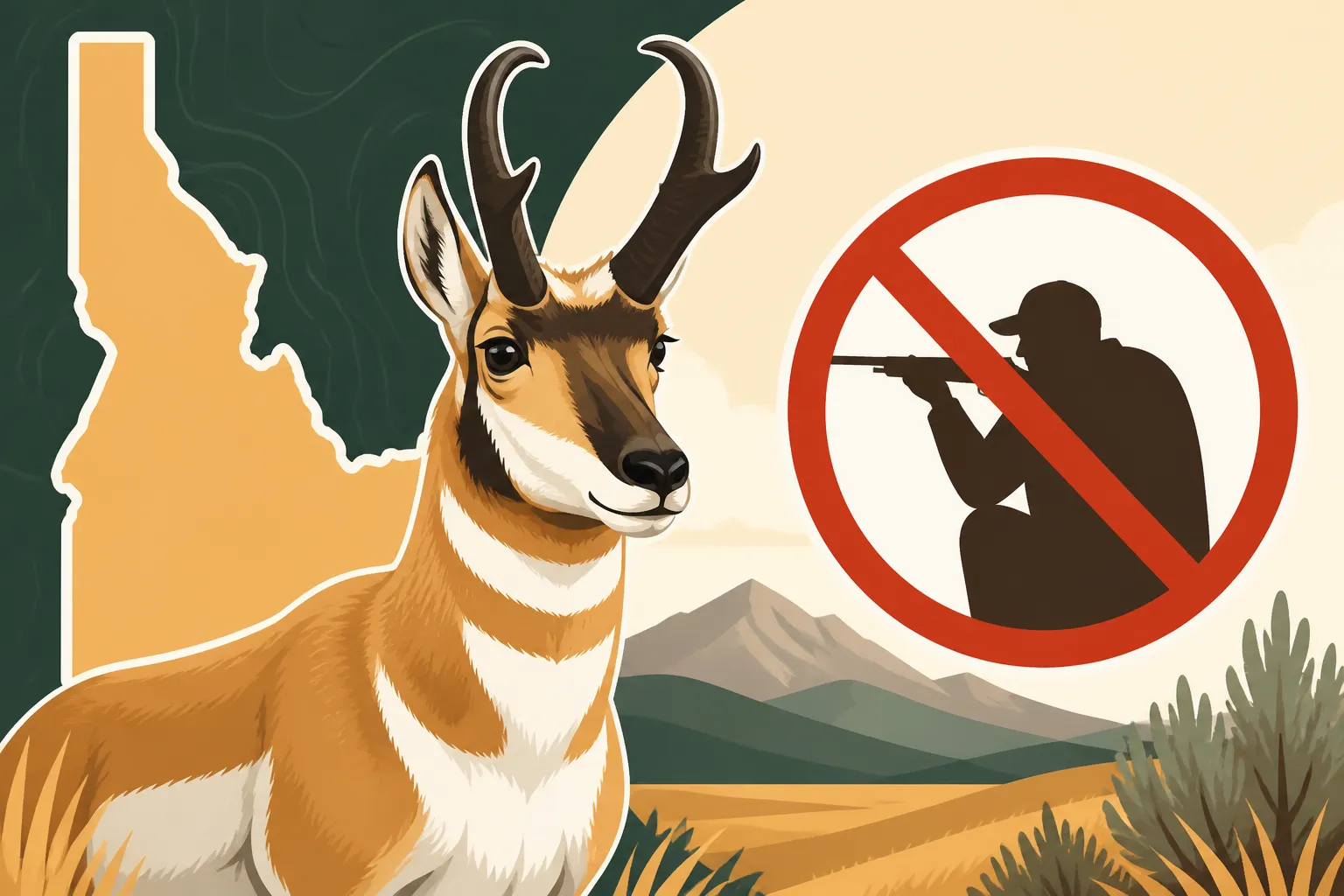
It can be incredibly disheartening when you’ve got your heart set on chasing speed goats across the sagebrush flats of Idaho, only to discover that you can’t simply walk into a license vendor and pick up a general season tag. That feeling of hitting a bureaucratic wall before you even hit the field is a common frustration for many hunters. This guide will meticulously break down exactly why pronghorn hunting in Idaho is exclusively managed through a controlled hunt system, shedding light on the biological, historical, and management reasons behind this crucial approach.
Understanding the "Controlled Hunt Only" Designation
When you see a species designated as "controlled hunt only" in Idaho, it immediately signals a more restrictive and competitive hunting opportunity. It means that to pursue that particular animal, you'll need to apply for a limited number of tags through a lottery-style drawing. This is a stark contrast to general season hunts, where tags are typically available over-the-counter until quotas are met or seasons close. The transition to controlled hunts for specific species like pronghorn didn't happen overnight; it's a carefully considered management strategy.
What "Controlled Hunt" Means for Pronghorn
For pronghorn, "controlled hunt" status isn't just a formality; it's the foundation of how Idaho manages these unique animals. It means that every single pronghorn tag issued in the state, whether for a buck, doe, or fawn, is allocated through a drawing. There are no general archery, muzzleloader, or rifle seasons where you can simply buy a tag if you missed the draw or didn't get lucky. This structure ensures that the total number of animals harvested each year is precisely controlled, preventing overharvest and allowing managers to fine-tune population objectives.
The Idaho Department of Fish and Game (IDFG) meticulously monitors herd health, population trends, and habitat conditions in specific hunting units to determine how many tags can be safely issued. Because pronghorn can be particularly sensitive to hunting pressure, especially with their wide-open habitat making them highly visible, this level of control is essential. It's about maintaining a sustainable population for future generations, even if it means fewer opportunities in the present. This systematic approach also allows the IDFG to offer varying opportunities, from prime buck hunts in high-density areas to doe/fawn hunts designed to manage specific herds or address agricultural depredation.
Why It's Different from General Seasons
The fundamental difference between a controlled hunt and a general season lies in predictability and allocation. General seasons are designed for species with robust, widespread populations that can sustain a broader level of harvest pressure. Think of deer in many areas of Idaho; while some units might have controlled hunts for specific antlerless tags, much of the opportunity for whitetail or mule deer is available through general tags. You buy your license, add your deer tag, and you're good to go, within the parameters of your chosen unit and weapon type.
Pronghorn, however, require a more delicate hand. Their populations, while healthy in certain pockets, aren't as widespread or resilient to uncontrolled harvest as, say, whitetail deer in the Panhandle. Their habitat needs are specific—vast, open sagebrush plains and grasslands—which makes them concentrated in certain areas of southern Idaho. The visibility of these animals in their preferred terrain could lead to rapid overharvest if tags were unlimited. The controlled hunt system acts as a protective mechanism, rationing access to ensure that the opportunity remains viable year after year. It prevents a "gold rush" scenario where too many hunters could flood a unit and decimate a local herd in a single season.
Historical Context of Pronghorn Management in Idaho
Pronghorn have a fascinating and often challenging history in Idaho, and understanding it helps illuminate why controlled hunts are now the standard. Like many big game species across the American West, pronghorn populations faced significant declines in the late 19th and early 20th centuries due to unregulated hunting, habitat loss, and severe winters. There were periods when pronghorn were nearly extirpated from parts of their historic range.
Through concerted conservation efforts, including strict hunting regulations, habitat restoration, and reintroduction programs, pronghorn herds slowly began to recover. By the mid-20th century, populations had rebounded enough in some areas to allow for limited hunting opportunities. However, these hunts were always carefully managed, often on a permit-only basis, to avoid repeating past mistakes. This careful stewardship laid the groundwork for the modern controlled hunt system. It's a testament to adaptive management, learning from historical impacts, and continually adjusting strategies to ensure these iconic plains animals thrive. The current system is a direct descendant of those early, cautious conservation efforts, prioritizing population health over broad accessibility.
The Biology Behind Limited Pronghorn Tags in Idaho
Understanding pronghorn biology is key to grasping why Idaho, like many other western states, chooses to manage these animals through controlled hunts. Their unique physical adaptations, specific habitat requirements, and reproductive strategies all play a significant role in their population dynamics and, consequently, how they are hunted.
Pronghorn Specific Needs: Habitat, Diet, and Reproduction
Pronghorn, often mistakenly called "antelope," are truly North America's speedsters, built for wide-open spaces. Their incredible speed, reaching up to 60 miles per hour, is an adaptation to escape predators in open country. This very adaptation also makes them highly visible and vulnerable to hunters in the same landscape.
Their preferred habitat is vast, arid to semi-arid grasslands, sagebrush-steppe, and desert scrub, primarily found in southern and southeastern Idaho. They are browsers and grazers, relying heavily on sagebrush, forbs, and grasses that dominate these ecosystems. Changes in land use, such as agricultural conversion, energy development, and even invasive species like cheatgrass, can degrade or fragment their crucial foraging grounds. If their preferred food sources are limited or their migration corridors are blocked, it directly impacts their ability to thrive and reproduce.
Pronghorn typically breed in late summer, with fawns born the following spring. Does usually have twins, a fairly productive reproductive strategy. However, fawn survival can be a significant limiting factor for population growth, often impacted by harsh winters, predation from coyotes and eagles, and forage availability for lactating mothers. If fawn survival is low for several consecutive years, the overall population can decline, necessitating tighter management. All these factors—their reliance on open, unfragmented landscapes, specific forage, and the delicate balance of fawn recruitment—make them a species that requires meticulous management to ensure stable populations, thereby limiting hunting opportunities to controlled numbers.
Vulnerabilities That Impact Populations
Despite their incredible speed and resilience, pronghorn face several vulnerabilities that influence their population numbers and thus, the number of available hunting tags. Habitat fragmentation is a major concern. As more land is developed for agriculture, housing, or infrastructure, the vast, unbroken tracts of sagebrush that pronghorn depend on become smaller and more isolated. Fences, particularly traditional barbed wire, can be a death trap for pronghorn, as they prefer to crawl under fences rather than jump them, often getting entangled. This is especially problematic in winter when they are migrating to lower elevations.
Harsh winters with deep snow and prolonged cold can be devastating for pronghorn. Their legs are long and slender, not built for navigating deep snow, which restricts their movement and ability to access forage. This can lead to starvation and increased vulnerability to predators. Disease outbreaks, though less common than in some other species, can also decimate local herds. Additionally, predation, especially on fawns, plays a natural but sometimes significant role in limiting population growth, particularly in areas with high coyote or eagle densities.
These vulnerabilities mean that pronghorn populations can fluctuate significantly from year to year or decade to decade. Wildlife managers must remain vigilant, constantly monitoring these factors. If a population experiences a sharp decline due to a severe winter or habitat loss, the IDFG might reduce the number of controlled tags or even close hunts in specific units to allow the herd to recover. This proactive, adaptive approach is a core reason why controlled hunts are essential for long-term pronghorn conservation.
Population Management and Habitat Challenges
Effective management of pronghorn in Idaho isn't just about counting animals; it's a complex dance involving understanding their environment, mitigating threats, and adapting strategies based on real-time data. This comprehensive approach directly influences the number and type of tags available each year.
Carrying Capacity and Range Conditions
Every piece of habitat has a carrying capacity – a maximum number of animals it can sustainably support without degrading the ecosystem. For pronghorn, this capacity is dictated by the health and availability of their sagebrush-steppe and grassland habitat. If a range is in poor condition due to drought, overgrazing by domestic livestock, or invasive species encroachment, its carrying capacity for pronghorn decreases. This means fewer animals can thrive there, and consequently, fewer hunting tags can be issued.
IDFG biologists regularly assess range conditions, looking at forage quality and quantity, water availability, and the extent of critical habitats like sagebrush. They use a variety of methods, including aerial surveys and ground observations, to monitor herd health and population densities across various Game Management Units (GMUs). For example, if a severe drought impacts southeastern Idaho, where many pronghorn reside, the vegetation might not produce enough nutritious forage to support high numbers of animals, especially fawns. In such cases, the IDFG might reduce the number of buck tags and could even increase doe/fawn tags in certain areas to bring the population down to a level the stressed habitat can sustain, ensuring the health of the range in the long run. Resources like the Idaho Hunt Planner are invaluable for hunters who want to explore harvest statistics and public land percentages in different units, providing insights into potential range conditions.
Predation and Human Impact
Predation is a natural part of the ecosystem, and pronghorn, particularly fawns, are prey for a variety of carnivores. Coyotes are the primary predators of pronghorn fawns, while golden eagles can also take a significant toll. Occasionally, mountain lions or wolves might prey on adult pronghorn, though this is less common given the pronghorn's speed and open habitat preference. While predation is essential for a healthy ecosystem, unusually high predation rates on fawns can sometimes hinder population growth, especially if combined with other stressors like poor habitat or harsh winters.
Human impact extends beyond hunting pressure. Road construction, agricultural expansion, and urban development can fragment pronghorn habitat, disrupt migration routes, and increase human-wildlife conflict. Fences, as mentioned, are a major barrier to pronghorn movement. Modern fence designs, such as wildlife-friendly fences with smooth bottom wires and adequate clearance, are helping to mitigate this, but many miles of traditional fencing still exist. Additionally, recreational disturbances from off-road vehicles or unregulated access can stress animals, particularly during critical periods like fawning or winter. All these human-caused factors require careful consideration and management by the IDFG to minimize negative impacts on pronghorn populations, ultimately influencing hunting tag allocations.
Monitoring Efforts by IDFG
The Idaho Department of Fish and Game employs a robust and continuous monitoring program for pronghorn populations. This is not a one-time assessment but an ongoing process that uses a combination of scientific methods to gather data. Aerial surveys, often conducted from helicopters in late winter or early spring, are a primary tool for counting animals, classifying herds (bucks, does, fawns), and estimating population trends in different units. These surveys provide crucial baseline data that inform management decisions.
In addition to direct counts, biologists also collect data through hunter check stations, voluntary harvest reports, and field observations. They analyze factors like fawn-to-doe ratios, buck-to-doe ratios, and age structures to gauge the health and reproductive success of a herd. The IDFG also collaborates with landowners and federal agencies like the Bureau of Land Management (BLM) and the Forest Service to monitor habitat conditions and implement restoration projects. This comprehensive data collection allows the IDFG to track population fluctuations, identify threats, and make informed decisions about tag numbers and hunt structures each year. The meticulous effort involved in these monitoring programs directly underpins the "controlled hunt only" status, ensuring that every tag issued is a carefully considered step in sustainable wildlife management.
The Application Process for an Idaho Pronghorn Tag
Since Idaho pronghorn tags are exclusively available through a controlled hunt, understanding the application process is paramount. It’s not just about submitting a form; it’s about timing, understanding the draw, and being strategic in your choices. Many hunters find the draw process intimidating, but breaking it down makes it much more manageable.
The Idaho Draw System Overview
Idaho operates a true lottery system for its controlled hunts, meaning there are no preference points or bonus points that accumulate over time. This can be a double-edged sword: on one hand, it means a first-time applicant theoretically has the same chance as someone who has applied for twenty years, which is great for new hunters. On the other hand, it also means that drawing a coveted tag can feel like winning the actual lottery, as there’s no guaranteed progression towards success. This "pure luck" system is a defining characteristic of Idaho's approach, and it’s important to understand this when you consider your odds for an Idaho Pronghorn Controlled Hunt Draw Odds.
The draw itself is typically broken into two main application periods. The first, and most significant, is for the initial controlled hunt drawing for most big game species, including pronghorn. If any tags remain after this first draw, they may be offered in a second drawing or sold first-come, first-served. When applying, you select your desired controlled hunt code, which specifies the unit, weapon type, and sex of the animal (e.g., buck, doe/fawn). You must also select a second and third choice, which can be a smart strategy to improve your chances of drawing any tag, even if it's not your absolute dream hunt. You will need to purchase an Idaho hunting license before you can apply for any controlled hunt, so factor that into your planning and budget.
Key Deadlines and Fees
Missing a deadline in the Idaho draw system is a hunter's nightmare, so it's critical to mark your calendar well in advance. Generally, the application period for the main controlled hunts, including pronghorn, usually opens in May, and the application deadline typically falls in early June. For example, in recent years, the deadline has often been June 5th. It's always best to check the official Idaho Fish and Game website for the exact dates each year, as they can shift slightly.
When Idaho Controlled Hunt Applications Open, you'll need to pay an application fee per species you apply for, in addition to the cost of your hunting license. If you are successful in the draw, the tag fee will then be automatically charged to your card. It's crucial to ensure your payment information is up-to-date and has sufficient funds, as a failed payment can result in forfeiture of your hard-won tag. Keep a close eye on your email for notifications from the IDFG, as they will announce when controlled hunt results are posted, usually in early July. This timeline gives you a bit of a heads-up before the season, allowing you to finalize your hunting plans. Remember, submitting your application well before the deadline is always a good idea to avoid any last-minute technical glitches.
Resources for Analyzing Draw Odds and Unit Information
Navigating the controlled hunt draw effectively requires more than just submitting an application; it demands thorough research. Fortunately, there are excellent resources available to help you analyze draw odds, scout units, and make informed decisions. The first and most official tool is The Idaho Hunt Planner Is the Tool to Start With. This online portal, managed by the IDFG, provides a wealth of information including hunt rules, season dates, harvest statistics, and drawing odds for every controlled hunt code. You can use Using the Idaho Hunt Planner Map Center to visually explore unit boundaries, public land ownership, and even roads and trails.
Beyond the official state resources, many independent platforms offer in-depth analysis. Websites like GoHunt, for example, specialize in providing detailed draw odds, application strategies, and unit breakdowns for western states, including Idaho. These services often compile historical data, offering insights into which hunts are becoming more popular or less competitive. They might also provide mapping tools with land ownership layers, terrain features, and satellite imagery that are invaluable for e-scouting potential hunting areas. When researching, pay close attention to harvest success rates, the percentage of public land in a unit (as discussed in Checking Public Land Percentage by Idaho Unit), and the distribution of buck, doe, and fawn tags. This comprehensive approach will give you the best chance of making a strategic application, even in Idaho’s luck-based draw system.
Maximizing Your Odds and Finding Opportunity
While the Idaho draw is a pure lottery, meaning there's no way to manipulate the system for guaranteed success, there are absolutely strategies you can employ to increase your overall chances of drawing a tag and finding quality hunting opportunities. It’s about being smart with your application and flexible in your expectations.
Researching Specific Controlled Hunt Draw Odds
The first step in maximizing your odds is diving deep into the data. Don't just pick a unit that sounds good; research the historical draw odds for every hunt code that interests you. The IDFG's Hunt Planner is your best friend here. Look specifically at the Idaho Pronghorn Controlled Hunt Draw Odds for each unit, distinguishing between buck, doe, and fawn tags. You'll quickly notice that buck tags in prime units with high success rates are often the hardest to draw, sometimes with single-digit percentage odds.
Consider applying for units with slightly lower success rates or those that are less well-known. Sometimes, a hunt that seems less desirable at first glance might have significantly better draw odds, offering a higher probability of getting a tag. Don't overlook the second and third choice options on your application. Many successful hunters draw their backup choices. A doe/fawn tag, while perhaps not the trophy hunt you dream of, offers a fantastic hunting experience, delicious meat, and a much higher chance of drawing. Sites like GoHunt often compile these statistics in user-friendly formats, allowing you to sort by odds, harvest success, or unit characteristics, making the research process much more efficient. By being meticulous in your research, you transform a blind application into a calculated strategy.
Considering Doe/Fawn Tags for Higher Success
If your primary goal is to simply experience a pronghorn hunt in Idaho, rather than focusing solely on a trophy buck, then applying for doe/fawn tags is often your best bet for higher draw success. These tags are generally much easier to draw than buck tags, for a few compelling reasons. First, there are typically more doe/fawn tags available in certain units, as they are often used as a management tool to control overall population numbers and balance herds with available forage. Second, many hunters prioritize buck tags, leaving the doe/fawn tags with less competition.
Hunting a doe or fawn offers a fantastic opportunity to learn about pronghorn behavior, practice your stalking skills in open country, and fill your freezer with some truly delicious game meat. The experience of glassing vast plains, identifying animals, and executing a challenging stalk is the same, regardless of the sex of the animal. Furthermore, securing a doe/fawn tag can provide valuable scouting time in a unit you might want to hunt for a buck in the future. You’ll learn the lay of the land, understand movement patterns, and identify prime habitat. It’s an entry point into Idaho pronghorn hunting that significantly tips the draw odds in your favor, proving that sometimes, flexibility leads directly to opportunity.
Units with Better Opportunities and What to Look For
When scouting for potential pronghorn units, you need to look beyond just draw odds. Consider the overall habitat, public land access, and historical harvest data. Pronghorn are creatures of the open plains, so look for units in southern and southeastern Idaho characterized by vast sagebrush-steppe, grasslands, and a scattering of agricultural fields. These regions offer the expansive vistas and specific forage that pronghorn require.
Consult the IDFG's Reading an Idaho Harvest Statistics Report for specific units. This report provides critical data on hunter success rates, number of animals harvested, and even effort expended (e.g., number of hunters per harvest). Units with consistently high success rates, especially for buck tags, are likely to be more popular and therefore harder to draw. However, a unit with moderate success rates but significant public land access could be an excellent choice. Public land, like BLM ground across the Owyhee Country or parts of the Caribou-Targhee National Forest, ensures you have legal access to pursue game without needing private land permission. For a visual approach, using digital mapping tools like those offered by GoHunt or the Idaho Hunt Planner can help you identify large tracts of public land within a unit, visualize terrain features, and pinpoint potential water sources or traditional travel corridors. Look for areas with a good mix of open country for spotting and rolling terrain or draws for stalking. By combining draw odds with habitat assessment, you can pinpoint units that offer not just a chance to draw, but a real chance to hunt successfully.
Table: General vs. Controlled Hunt Characteristics
| Feature | General Hunting Season | Controlled Hunting Season (Pronghorn) |
|---|---|---|
| Tag Availability | Over-the-counter (OTC) or readily available | Limited quantity, allocated via lottery drawing |
| Application | Purchase license & tag; no separate application needed | Mandatory application within specific window, separate application fee |
| Draw Odds | 100% chance to obtain a tag (if available) | Variable, often low for popular hunts; dependent on applicant numbers & tags |
| Management Goal | Broad harvest opportunity, manage widespread populations | Precise harvest control, protect vulnerable/localized populations, enhance quality |
| Species | Whitetail/Mule Deer (many zones), upland birds, waterfowl | Pronghorn, Moose, Bighorn Sheep, Mountain Goat, some Elk/Deer hunts |
| Strategy for Hunter | Timely purchase, scouting, knowledge of regulations | Strategic application, research draw odds, flexibility on tag type/unit |
| Preference Points | Not applicable | No preference points in Idaho's system; pure lottery |
Disclaimer
Please remember that hunting regulations, seasons, and application deadlines are subject to change annually by the Idaho Department of Fish and Game. Always consult the most current official Idaho hunting regulations and proclamations before making any plans or submitting applications. This content is for informational purposes only and should not be considered legal advice or a substitute for official state publications.