Idaho Resident Elk Tag Cost
Figuring out the exact cost of an Idaho resident elk tag can feel like trying to hit a moving target sometimes. Between the initial license, the tag itself, and all the little extra validations and fees, it’s easy to get lost in the numbers before you even pack your boots. This guide is here to untangle that financial web, walking you through the actual price you can expect to pay as an Idaho resident for an elk tag, as well as covering those often-overlooked additional costs that add up to your total hunting budget.
The Foundational Costs: License and Primary Elk Tag
Before you can even dream of drawing a bull elk tag, there are a couple of non-negotiable fees that every Idaho resident hunter must account for. These form the base of your elk hunting budget.
The Non-Negotiable Idaho Resident Hunting License
First and foremost, every resident hunter in Idaho needs a valid hunting license. This isn't just a formality; it's your permit to participate in any hunting activity in the state, whether you're after big game, birds, or small game. Think of it as your admission ticket to the vast outdoor arena that is Idaho.
The cost of this basic hunting license is separate from any species-specific tags you might purchase later. For an adult Idaho resident, this fee is typically around $15.75 annually. It’s a foundational cost that often catches new hunters by surprise, as they sometimes assume the tag price covers everything. But no, this is the entry fee, setting you up to then purchase your desired tags. It’s important to remember that this license is valid for the calendar year, usually from January 1st to December 31st, regardless of when you purchase it. So, if you buy it in July, it still expires at the end of December. You can learn more about the specific breakdown of the Idaho Resident Hunting License Price on the IDFG website.
The Standalone Idaho Resident Elk Tag Price
Once you have your general hunting license in hand, you can then purchase the actual elk tag. This is the big one, the one most people think of when they ask about the "cost" of an elk hunt. For an Idaho resident, a general season elk tag typically runs around $31.75. Yes, you read that right. Compared to nonresident tags, which can easily be in the hundreds or even thousands, the resident price is remarkably affordable.
This tag allows you to hunt elk during the general seasons within your chosen zone, assuming you adhere to all weapon, unit, and sex restrictions. It's important to understand that this single tag typically covers one elk. If you're fortunate enough to draw multiple tags or pursue additional opportunities, those would be separate purchases. This core elk tag, combined with your hunting license, represents the bare minimum financial investment to legally pursue elk as an Idaho resident.
Understanding the Annual Fee Structure
Idaho's hunting fee structure operates on an annual basis, which means these costs are incurred each year you plan to hunt. It's not a one-time payment for a lifetime of elk hunting, as much as we might wish it were! The annual renewal ensures that Idaho Fish and Game (IDFG) continues to receive funding for wildlife management, conservation efforts, habitat preservation, and law enforcement.
This annual cycle also means staying current with any minor fee adjustments or new regulations that might come into play each year. While the core resident elk tag price has historically been quite stable and affordable, it’s always wise to check the most current regulations and fee schedules published by IDFG before making your purchases. This annual structure is crucial for managing wildlife populations effectively, funding vital research, and providing hunting opportunities for everyone. It's a small price to pay for the incredible privilege of hunting Idaho’s wild country, though it does mean budgeting for it every single season.
Navigating Additional Elk Hunting Expenses
While the hunting license and the primary elk tag form the backbone of your costs, several other fees and validations can add to your total. These are often specific to the type of hunt you're planning or additional opportunities you might pursue.
Special Validations: Archery and Muzzleloader Permits
Many resident hunters choose to pursue elk during special archery-only or muzzleloader-only seasons. These seasons often offer unique advantages, like quieter woods or specific rut timing, but they also come with their own set of rules and, yes, additional costs. If you plan to hunt with a bow during an archery-only season, you'll need to purchase an archery validation. Similarly, if you're hitting the timber with a muzzleloader during a muzzleloader-only season, you'll need a muzzleloader validation.
Each of these validations typically costs around $15.75 for residents. It’s important to note that you only need these validations if you are participating in a weapon-specific season. If you're hunting with an archery setup during a general "any weapon" season, or a muzzleloader in an "any weapon" season where scopes and inline ignitions are allowed, you might not need the validation. However, for those special early archery hunts or late muzzleloader opportunities, these validations are mandatory. Make sure to check if When You Need a Muzzleloader Validation in Idaho to ensure you're compliant. For those leaning towards a bow hunt, understanding the nuances of A Tags Favor Archery and Muzzleloader Hunters can be a game-changer. Conversely, if you prefer a centerfire rifle, the B Tags Favor the Centerfire Rifle Crowd might be more your speed.
Controlled Hunt Application Fees and Draw Costs
Idaho operates a number of "controlled hunts" for elk, which are limited-entry draws designed to manage specific elk populations and provide high-quality hunting experiences. If you're hoping to draw a tag in one of these coveted units or for a specific season, you’ll need to apply. And, as you might guess, applying comes with a small fee.
For residents, the application fee for a controlled hunt is usually around $1.75 per application. While this seems nominal, it's a non-refundable fee, whether you draw the tag or not. You might apply for several different hunts to increase your odds, and each application will incur this small charge. Unlike some other western states, Idaho does not have a preference point system; instead, every applicant has an equal chance each year, which means you're not building points over time. The Idaho Controlled Hunt Calendar, April Through August is a crucial resource for understanding application periods and deadlines. Always factor these small, cumulative fees into your overall budget, especially if you're applying for multiple species or multiple controlled hunt choices.
Considering a Second Elk Tag or Combo Opportunities
Idaho offers some incredible opportunities for hunters, and for residents, that can sometimes include the option of purchasing a second elk tag in specific zones or under certain conditions. This is usually dependent on quotas and tag availability in particular management units or during specific seasons, often for cow elk hunts designed for population control.
The cost of a second elk tag for a resident would be similar to the primary tag, around $31.75, plus any necessary validations. However, these opportunities are not always available statewide and often have specific rules regarding units, timing, and even the sex of the animal. They are usually announced later in the season if quotas allow. Furthermore, Idaho residents often consider purchasing combination licenses, such as an elk and deer combo, or even pairing an elk tag with a Idaho Resident Deer Tag Cost. While these multi-species tags offer great value and expand your hunting opportunities significantly, they obviously increase your initial outlay. It’s important to consult the current regulations thoroughly to understand when and where a second elk tag might be an option and what specific rules apply to avoid any misunderstandings in the field.
Resources for Verifying Current Idaho Elk Tag Prices
The world of hunting regulations and fees can sometimes feel like a labyrinth. Thankfully, there are reliable sources to help you stay on top of the latest information regarding Idaho resident elk tag costs.
The Official Idaho Fish and Game Website
Your absolute first and most authoritative stop for any questions about Idaho hunting licenses, tags, and fees should always be the official Idaho Fish and Game (IDFG) website. This site is the ultimate source of truth for all regulations, season dates, unit boundaries, and, crucially, the current fee schedules. They meticulously update this information annually, usually around December or January, to prepare for the upcoming license year.
Navigating their site, you'll find dedicated sections for licensing, big game regulations, and controlled hunt information. Look specifically for the "Fee Schedule" or "License and Tag Prices" pages. They also publish the detailed Big Game Regulations book online, which contains all the nitty-gritty details about every tag, validation, and hunt type. While the sheer volume of information can be a bit overwhelming at first, taking the time to thoroughly review these official resources is paramount. You can also utilize their interactive tool, The Idaho Hunt Planner Is the Tool to Start With, which often integrates up-to-date fee information alongside hunt units and draw odds. Always cross-reference any information you find elsewhere with the IDFG site to ensure accuracy.
Leveraging Third-Party Planning Tools like GoHunt
Beyond the official state resources, a number of excellent third-party hunting planning tools can be incredibly helpful, especially when trying to consolidate information or compare options. Services like GoHunt are prime examples of platforms that aggregate vast amounts of data, including license and tag costs, draw odds, unit statistics, and regulation summaries, often presenting it in a more user-friendly format than state agencies sometimes can.
GoHunt, for instance, provides a comprehensive overview of tag costs, making it easier to budget for your Idaho elk hunt. They often break down the total cost, including the license, the tag, and any necessary validations, which can save you a lot of time poring over different sections of the IDFG website. While these tools are fantastic for planning and research, it’s always a best practice to use them as a guide and then confirm the absolute final numbers and specific regulations on the official IDFG website. This two-pronged approach ensures you're leveraging powerful analysis tools while still maintaining direct access to the most current and legally binding information.
Direct Communication with IDFG for Clarification
Sometimes, despite all your research, you might still have a very specific question that isn't clearly addressed in the online resources. Perhaps you have a unique circumstance, or a regulation seems ambiguous. In these instances, don't hesitate to reach out directly to the Idaho Fish and Game department.
Their regional offices are staffed with knowledgeable personnel who can answer questions about license and tag fees, specific hunt regulations, and general hunting inquiries. You can usually find contact numbers for their regional offices or a general statewide licensing office on their website. Sending an email can also be an option, but for urgent questions, a phone call is often more efficient. Having a clear, concise question prepared beforehand will make the interaction much smoother. This direct line of communication is invaluable for dispelling any lingering doubts and ensuring you're fully compliant with all Idaho hunting laws and fee requirements before you head out into the field.
Budgeting Beyond the Tag: The True Cost of an Idaho Elk Hunt
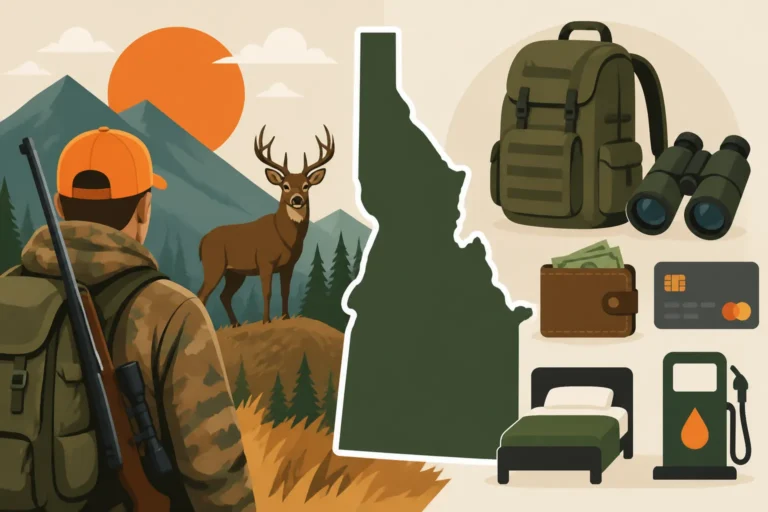
While we’re talking about the cost of an Idaho resident elk tag, it’s vital to acknowledge that the tag itself is only a fraction of the total investment you’ll make in pursuit of a bull. A truly comprehensive budget needs to account for far more than just the license and tag.
Essential Gear Investment for the Backcountry
Elk hunting, especially in Idaho’s rugged backcountry, is a gear-intensive endeavor. Your equipment choices directly impact your comfort, safety, and success. For many hunters, this is where a significant portion of their budget goes. We're talking quality boots that can handle miles of steep terrain, a reliable backpack capable of carrying heavy loads, and proper layering systems to deal with Idaho’s unpredictable mountain weather. Think about your optics: a good pair of binoculars and a spotting scope can make all the difference when Glassing Idaho Breaks for Mule Deer or spotting an elk at range.
Then there's your weapon system. Whether you're a bowhunter needing a well-tuned compound bow, high-quality arrows, and broadheads, or a rifle hunter requiring a dependable rifle, ammunition, and perhaps a scope, these are substantial investments. Don't forget basic camp essentials if you're packing in: a lightweight tent, sleeping system, cooking gear, and navigation tools like a GPS or a detailed map set (perhaps from GoHunt). While many items can be acquired over time, preparing for an elk hunt often necessitates some upfront gear purchases or upgrades, and these costs can easily dwarf the price of the actual tag.
Travel, Lodging, and Sustenance Expenses
Even as a resident, hunting in Idaho often means traveling some distance from home. Fuel costs for your truck or ATV can add up quickly, especially if you're scouting multiple units or driving deep into the mountains. If you plan to stay overnight, lodging can range from free dispersed camping on public lands to paid campsites, or even hotels and cabins if you're hunting closer to civilization.
Then there's food. A several-day or week-long elk hunt requires substantial sustenance. Whether you're packing in freeze-dried meals, bringing coolers full of groceries for a truck camp, or stopping at local diners, food costs are a real factor. Don't forget water purification methods for backcountry hunts, or buying bottled water for front-country camps. If you're tackling truly remote areas, you might even consider hiring a pack string outfitter for a Wilderness Pack Trips Built for Hunters to help get your camp and gear deep into the wilderness, adding another significant expense. These logistical costs are often underestimated but are absolutely critical for a successful and comfortable hunt.
Post-Harvest Costs: Processing and Transport
The moment of truth arrives: you've successfully harvested an elk! Congratulations! Now, the real work begins, and with it, more expenses. First, there's the monumental task of Packing an Elk Out of Steep Country Alone or with your hunting partners. This requires physical exertion, but also specialized equipment like game bags, a pack frame, and perhaps even a cooler system for keeping meat cool.
Once the animal is out of the woods, you have a choice: butcher it yourself or take it to a professional meat processor. Processing an elk can cost anywhere from $200 to $500 or more, depending on the services you opt for (cutting, wrapping, sausage making, etc.). If you desire a European mount or a full shoulder mount, taxidermy is another significant expense, easily running into the thousands for a quality job. Even if you process it yourself, you'll need supplies like butcher paper, vacuum seal bags, and freezer space. Understanding Field Dressing and Carcass Transport Rules Explained is crucial to ensure your hard-earned meat is handled correctly and legally. These post-harvest costs are the "good problems to have," but they are still financial considerations that should be part of your overall budget planning.
| Item | Estimated Resident Cost (Annual) | Notes |
|---|---|---|
| Idaho Resident Hunting License | $15.75 | Required for all hunting activities. |
| Idaho Resident Elk Tag | $31.75 | Allows pursuit of one elk during general or drawn controlled hunts. |
| Archery Validation (Optional) | $15.75 | Needed for archery-only seasons. |
| Muzzleloader Validation (Optional) | $15.75 | Needed for muzzleloader-only seasons. |
| Controlled Hunt Application Fee | $1.75 per application | Non-refundable fee to apply for limited-entry hunts. |
| Second Elk Tag (Optional) | $31.75 | If available in specific units/seasons, often for cow elk. |
| Minimum Total (License + 1 Elk Tag) | $47.50 | Does not include optional validations or application fees. |
| Rough Total (with 1 validation & 1 application) | ~$65.00 | A more realistic base for many hunters. |
Disclaimer
The information provided in this article regarding Idaho resident elk tag costs and associated fees is intended for general guidance only. Hunting regulations and fee schedules are subject to change annually by the Idaho Department of Fish and Game (IDFG). While every effort has been made to ensure accuracy at the time of publication, it is the hunter's responsibility to verify all current regulations, season dates, and fee structures directly with the official IDFG website or by contacting them directly before purchasing licenses or tags and before heading into the field. This guide does not constitute legal advice or an official interpretation of hunting laws.