Idaho Small Game Seasons at a Glance
Many hunters find themselves captivated by the pursuit of big game in Idaho, dreaming of towering elk and impressive mule deer. But in doing so, it’s easy to overlook the vibrant, accessible, and incredibly rewarding world of small game hunting that Idaho offers in spades. The sheer variety can be overwhelming, and trying to decipher the specific season dates, bag limits, and nuanced regulations for everything from chukar to coyotes can feel like a full-time job. This comprehensive guide aims to cut through that confusion, giving you a clear, detailed look at Idaho's diverse small game seasons and helping you plan your next exhilarating, action-packed hunt.
The Accessible World of Idaho Small Game
While the majestic big game species often steal the spotlight, Idaho's small game hunting provides an invaluable, often overlooked, opportunity for both seasoned hunters and newcomers alike. It's a chance to hone your skills, spend more days afield, and introduce new generations to the joys of the hunt without the intensity and financial commitment often associated with elk or deer. The beauty of small game lies in its relative accessibility and the sheer volume of opportunities available across the state, often extending through periods when big game seasons are closed.
Why Small Game Offers Unique Opportunities
Think about it: how many chances do you get to truly explore vast landscapes, refine your marksmanship, or work your hunting dog without the pressure of a limited big game tag? Small game, including upland birds, waterfowl, and various furbearers and varmints, provides just that. These hunts are fantastic for skill development, teaching you about habitat, tracking, wind direction, and close-quarters shooting. They often involve higher shot opportunities, which can be incredibly engaging for younger hunters or those looking to gain more trigger time. Furthermore, the sheer variety means you can shift gears from chasing fast-flushing pheasants in agricultural fields to calling coyotes in the sagebrush, all within the same hunting year. It's a dynamic experience that keeps you engaged and learning.
General Licensing and Season Structure
Before you head out, understanding the basic licensing requirements is paramount. For residents and non-residents alike, you’ll need a valid Idaho hunting license. Unlike big game, which often requires controlled hunt tags or draws, many small game species fall under general seasons, meaning you can buy your license and go. However, there are crucial exceptions. For instance, migratory birds like ducks, geese, and swans require federal and state migratory bird validations, including a federal duck stamp. Turkeys often have specific tags, and certain furbearers might require trapping licenses if you plan to trap instead of hunt.
It’s always a good idea to consult the most current Idaho Fish and Game regulations. These are updated annually and can be found on their website. Many seasoned hunters also rely on resources like The Idaho Hunt Planner Is the Tool to Start With or third-party platforms like GoHunt, which can help visualize unit boundaries and access information, though always double-check with the official regulations. Season dates for small game can vary by region or even specific wildlife management areas (WMAs), so paying close attention to these details will save you a lot of headache and ensure you're hunting legally. Most small game seasons kick off in late summer or early fall and can run well into winter, offering months of potential adventure.
Feathers and Flights: Upland Birds and Waterfowl
Idaho is a bird hunter's paradise, offering everything from challenging chukar hunts in rugged breaks to classic pheasant drives in agricultural lowlands. The diversity of habitats across the state translates directly into a fantastic variety of bird hunting opportunities, each with its own unique charm and set of challenges.
Chasing Upland Birds: Grouse, Chukar, Partridge, and Quail
Idaho’s uplands are alive with the whirring wings of various game birds. Forest grouse, including ruffed, blue (dusky), and spruce grouse, typically open in late August and run through December. These hunts often take you into timbered areas, sometimes requiring significant hiking through dense cover. They’re excellent for getting out early in the season, before the big game rush, and you can often find decent numbers in higher elevation timber stands. For a deeper dive into these habitats, check out our guide on Chukar, Grouse and Idaho's Upland Country.
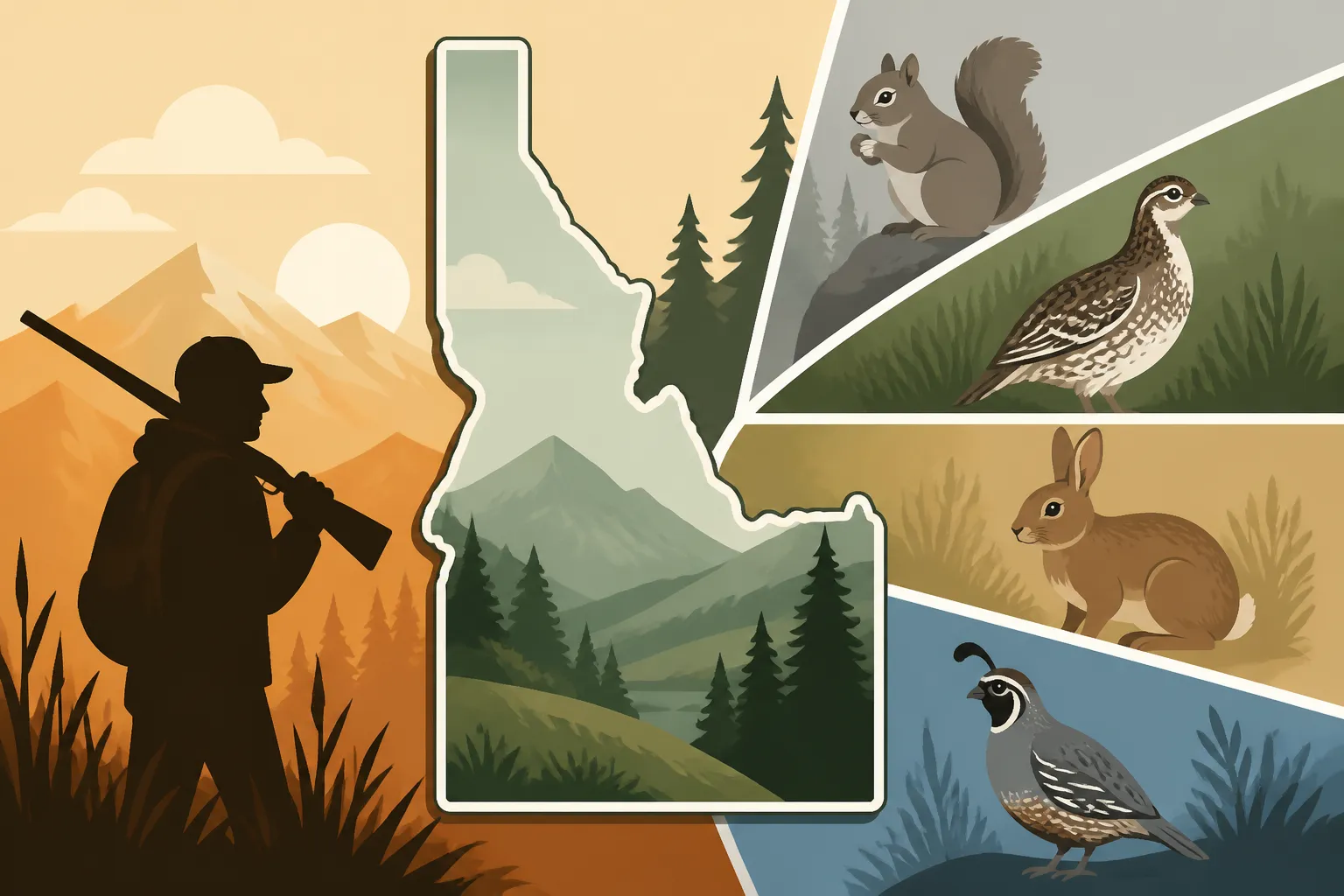
Then there are the hard-core, leg-busting pursuits of chukar and Hungarian partridge. These birds inhabit the steep, rocky river breaks and sagebrush-covered hillsides, often far from roads. Their seasons usually begin in mid-September and stretch all the way to January 31st, providing ample opportunity for dedicated bird dog owners and physically fit hunters. Chukar, in particular, are notorious for their preference for incredibly challenging terrain, often leading hunters on grueling climbs and descents. Hungarians, or "Huns," often share similar habitats but tend to frequent gentler, agricultural edges, offering a slightly less punishing experience. Quail, primarily California quail, are also found in similar arid and semi-arid regions, particularly near irrigated farmlands and riparian zones, with seasons generally mirroring those of chukar and Huns. These birds offer exciting action, often flushing in coveys, and are fantastic table fare.
Turkey Hunting: Spring and Fall Opportunities
Idaho also boasts fantastic turkey hunting, primarily for Merriam’s subspecies, which thrive in the state’s timbered regions. Unlike many small game species, turkey hunting requires a specific tag, which can be purchased over the counter for general seasons, or applied for via a controlled hunt in specific units. Spring turkey season is perhaps the most popular, typically running from mid-April through late May. This is when gobblers are most vocal, making for thrilling calling scenarios as you try to lure a wary tom into shotgun range. Our piece on Spring Against Fall Turkey Seasons in Idaho goes into detail on the nuances of these hunts.
Fall turkey seasons are generally longer, often from mid-September through January 31st in many units, and offer a different hunting experience. Instead of calling in lovesick gobblers, fall hunting often involves breaking up flocks and then calling birds back together, or simply still-hunting through known roosting and feeding areas. Both seasons offer unique challenges and rewards, providing hunters with diverse opportunities to pursue these intelligent birds. Always confirm specific unit regulations, as some areas may only be open for one season or have specific weapon restrictions.
Waterfowl Migrations: Ducks, Geese, Swans, and Cranes
For those who love the chill of dawn and the sight of cupped wings over decoys, Idaho’s waterfowl seasons are second to none. The state sits right in the path of the Pacific Flyway, bringing in a huge variety of ducks and geese. Duck seasons are generally split into two segments, starting in early October and running into January, with specific dates varying by zone (e.g., Idaho Zone 1 and Zone 2). Goose seasons usually run concurrently but can have different bag limits and sometimes extend later into the winter. Whether you’re setting up a spread on a major river like the Snake, exploring potholes in agricultural fields, or hunkering down on a large reservoir, the opportunities for exciting waterfowl action are abundant. Find out more about specific locations in Waterfowl Along the Snake River and the rules for Idaho Duck Bag Limits by Species.
Beyond ducks and geese, Idaho offers controlled hunt permits for swans and sandhill cranes. These are highly sought-after, limited draw tags that provide a truly unique hunting experience. Applying for these permits happens much earlier in the year, typically during the spring controlled hunt application period. While these are not general tags you can simply buy, the opportunity to pursue these magnificent birds adds another layer of depth to Idaho's waterfowl offerings for those lucky enough to draw a tag. Keep in mind that for crane hunting, there's a minimum age, which you can learn more about in Idaho's Minimum Age for Big Game and Cranes.
Fur, Fangs, and Fast-Paced Action: Varmints and Furbearers
Idaho's small game isn't just about birds; it also offers a thrilling array of opportunities for pursuing varmints and furbearers. These hunts often provide year-round action, are fantastic for predator control, and can be incredibly exciting, testing different skill sets than bird hunting.
Year-Round Pursuits: Coyotes, Jackrabbits, and Ground Squirrels
Perhaps the most accessible and continuously open small game opportunity in Idaho is coyote hunting. Hunting Coyotes in Idaho Year Round is not only a fantastic way to spend time outdoors but also serves an important role in managing predator populations, especially impacting deer and elk calf survival. There are no closed seasons or bag limits for coyotes, allowing hunters to pursue them with a variety of methods, including calling, stalking, and even baiting (with specific restrictions). Using electronic calls can be incredibly effective, as detailed in Electronic Calls for Predators and Varmint Hunting, mimicking prey animals or other coyotes to bring them into range.
Similarly, jackrabbits and cottontail rabbits offer extensive seasons, with cottontails generally open year-round with some unit-specific closures, and jackrabbits open year-round in most areas. These fast-moving targets provide excellent practice for quick shooting and can be found in a variety of habitats, from sagebrush flats to timber edges. Snowshoe hare, another rabbit species, also typically offers a long season, often into March, giving hunters a chance to pursue them in snow-covered conifer forests. Our detailed piece on Idaho Cottontail and Snowshoe Hare Seasons can help you pinpoint the best times and places. Ground squirrels, like Richardson's and Uinta ground squirrels, are also often open year-round for hunting, providing casual shooting opportunities in agricultural and grassland areas. These small critters can offer a lot of fun, especially for honing shooting skills at varying ranges.
Regulated Furbearers: Bobcat, Fox, Raccoon, and More
Beyond the year-round varmints, Idaho also has regulated seasons for a variety of furbearers that can be hunted. Bobcat season typically runs from mid-December through mid-March, though dates can vary slightly by unit. These elusive predators offer a challenging hunt, often pursued with hounds or through calling setups. Remember, there are specific tagging requirements for bobcats, which you can read about in Idaho Bobcat Season and Pelt Tag Rules.
Red fox and raccoon also offer hunting opportunities. Fox season typically opens in late October and extends through January 31st, providing a chance to pursue these cunning animals in various habitats, from open fields to timbered edges. Raccoon hunting is generally open year-round, making it another accessible option for those looking for continuous hunting action. Our guide on Idaho Fox and Raccoon Season Dates provides more specific details. Skunks and badgers also have hunting seasons, usually coinciding with or being open year-round like many varmints. While not traditionally sought after for their meat, these furbearers offer unique hunting experiences and contribute to wildlife management efforts. Always double-check the current regulations for specific dates, bag limits, and any special provisions for each species, as they can change annually.
Essential Tools and Planning for Idaho Small Game Hunters
Embarking on an Idaho small game hunt requires more than just knowing the season dates; it demands thoughtful preparation, the right gear, and a solid understanding of where and how you'll access hunting grounds. The right approach can make all the difference between a frustrating outing and a memorable, successful one.
Gear Up for Success
The gear you'll need varies significantly depending on what small game you're pursuing. For upland birds, a good shotgun (typically a 12 or 20 gauge) and appropriate birdshot (often #6 or #7.5) are essential. Comfortable, durable upland boots are a must for covering miles, especially in rugged chukar country, and a vest or game bag will be invaluable for carrying shells, water, and, hopefully, harvested birds. Don't forget bright orange clothing, which is highly recommended and often legally required for upland hunts, to ensure safety in fields with multiple hunters.
Waterfowl hunting, by contrast, demands specialized gear: waders for cold water, blinds or concealment, decoys, and a shotgun capable of firing steel shot or other non-toxic ammunition (which is legally required for waterfowl). Good optics, like binoculars, are also helpful for spotting birds from a distance. For varmints like coyotes, a flat-shooting rifle, such as a .223 or .22-250, often paired with a good scope and shooting sticks, is typical. Electronic calls are highly effective for bringing predators in close. For rabbits and squirrels, a .22 rifle or a small gauge shotgun is usually sufficient. Regardless of the species, always carry essentials like plenty of water, navigation tools (GPS or a good map app like GoHunt), a first-aid kit, and suitable clothing layers for Idaho's often unpredictable weather.
Navigating Regulations and Finding Public Access
One of the most crucial aspects of small game hunting in Idaho is understanding the regulations and knowing where you can hunt. Idaho has millions of acres of public land, including national forests and BLM ground, which offer incredible opportunities. However, knowing the specific boundaries and rules for each area is vital. This is where resources like the official Idaho Fish and Game website and their annual regulation booklets become your best friends. These resources will clarify things like shooting hours, legal weapon types for specific seasons or areas, and special restrictions that might apply to Wildlife Management Areas.
For non-residents, understanding that some land ownership might vary slightly in terms of access, it's particularly helpful to utilize modern mapping technologies. GoHunt's mapping features, for example, can overlay public and private land boundaries, helping you identify accessible hunting grounds and avoid trespassing. Always carry proof of your license and any required tags or validations. Before heading out, always consult Where the Current Idaho Regulations Are Posted and thoroughly review the specific unit or zone regulations for your chosen small game species. This proactive approach ensures a safe, legal, and ultimately more enjoyable hunting experience in Idaho's diverse small game environments.
Idaho Small Game Season Overview
Here's a quick look at general season frameworks for some popular Idaho small game species. Please remember that these are general guidelines, and specific dates, bag limits, and unit-specific rules can and do vary annually. Always consult the current Idaho Fish and Game regulations before planning your hunt.
| Species Group | Typical Season Start | Typical Season End | Key Considerations |
|---|---|---|---|
| Upland Birds | |||
| Forest Grouse | Late August | Late December | Timbered areas, earlier opener, no specific tag |
| Chukar/Partridge | Mid-September | Late January | Rugged breaks, good dog work, no specific tag |
| Pheasant | Mid-October | End December | Agricultural fields, WMAs, often requires stamp |
| Quail | Mid-September | Late January | River bottoms, irrigated areas, no specific tag |
| Turkeys | |||
| Spring Turkey | Mid-April | Late May | Calling, specific tag required (OTC or controlled) |
| Fall Turkey | Mid-September | Late January | Flocking, specific tag required (OTC or controlled) |
| Waterfowl | |||
| Ducks/Geese | Early October | Late January | Zones, federal/state stamps, non-toxic shot |
| Swans/Cranes | Variable (Fall) | Variable (Fall) | Controlled hunt draw, specific permits |
| Varmints/Furbearers | |||
| Coyotes | Year-round | Year-round | No limits, calling effective, vital predator control |
| Jackrabbits | Year-round | Year-round | Fast targets, good practice, few restrictions |
| Cottontail Hare | Year-round (some closures) | Year-round (some closures) | Variable seasons, good small game option |
| Snowshoe Hare | Mid-September | Mid-March | Timbered areas, winter hunting |
| Red Fox | Late October | Late January | Calling, varied habitats |
| Raccoon | Year-round | Year-round | Night hunting popular, versatile hunt |
| Bobcat | Mid-December | Mid-March | Pelt tagging required, often with hounds |
Disclaimer
Please remember that hunting regulations, season dates, and license requirements can change. Always consult the official Idaho Department of Fish and Game regulations for the current year before planning any hunting trip. This guide is intended for informational purposes only and does not supersede official legal documents.