Idaho Waterfowl Season Framework
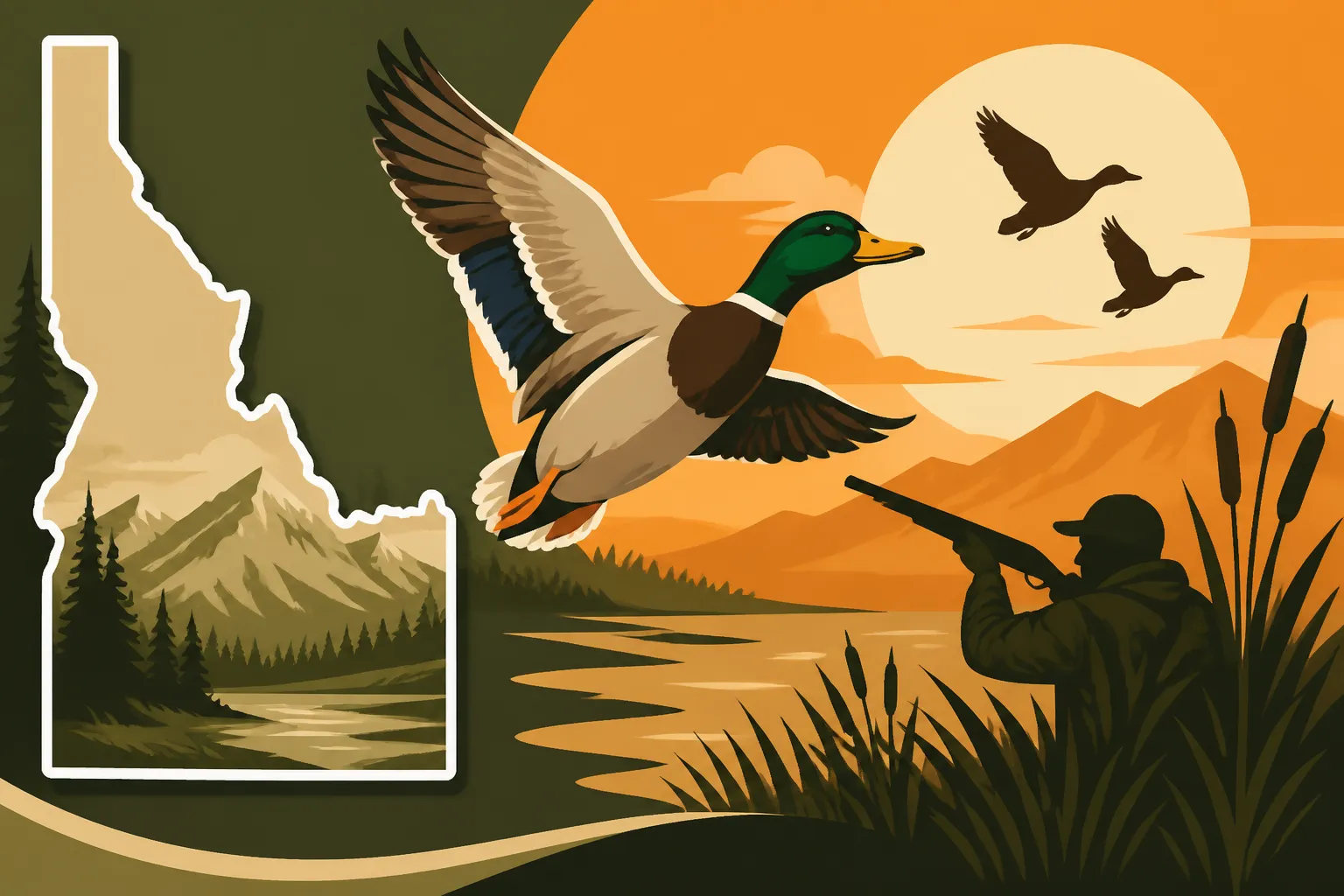
Trying to make sense of Idaho's waterfowl seasons can feel like navigating a maze, with different zones, species-specific regulations, and constantly shifting dates that can leave even seasoned hunters scratching their heads. This guide is designed to demystify the Idaho waterfowl season framework, providing you with a clear, comprehensive understanding of what to expect, how to prepare, and where to find the most up-to-date information so you can enjoy more successful days afield.
Understanding Idaho's Waterfowl Hunting Framework
Idaho's waterfowl hunting framework is a carefully structured system, designed to manage migratory bird populations sustainably while providing ample opportunity for hunters. It's a dance between state regulations and federal guidelines, all influenced by the dynamic nature of bird migration. Understanding this foundational structure is the first step toward a successful season.
Key Regulatory Bodies and Resources
At the heart of Idaho's waterfowl management is the Idaho Department of Fish and Game (IDFG). They are the primary authority, setting specific season dates, bag limits, and other regulations for ducks, geese, and other migratory game birds within the state. However, IDFG doesn't operate in a vacuum. Their regulations must align with federal frameworks established by the U.S. Fish and Wildlife Service (USFWS), which manages migratory bird populations across the entire nation. Idaho falls within the Pacific Flyway, one of four major migratory bird routes in North America, and its regulations are tailored to the specific bird populations utilizing this corridor. Each year, hunters need to consult the latest Idaho Migratory Game Bird Seasons and Rules brochure, often referred to as the "proclamation," which details all the current season dates and specific rules. This annual publication is absolutely critical, as regulations can and do change from one year to the next based on population surveys, habitat conditions, and federal mandates.
For those looking to go beyond the printed brochure and dive into more advanced planning, online tools are invaluable. The IDFG website offers a robust resource, including an interactive A Walkthrough of the Idaho Hunt Planner where hunters can explore different units and regulations. Beyond state resources, platforms like GoHunt provide excellent tools for researching season dates, public land access, and even scouting potential hunting locations. These digital resources compile a wealth of information, making it easier to visualize hunt boundaries, identify productive habitat, and stay current with any emergency rule changes that might occur during the season. It’s always a good idea to cross-reference information from multiple sources to ensure you have the most accurate and up-to-date details for your chosen hunting area.
General Season Structure and Zones
Idaho typically divides the state into distinct waterfowl zones to account for varying migration patterns, habitat availability, and hunting pressure across its diverse geography. While the exact boundaries can shift slightly over the years, the state generally operates with three primary zones: the North Zone, the Southwest Zone, and the Southeast Zone. These zones often have different opening and closing dates for duck and goose seasons, and sometimes even different bag limits, reflecting the local conditions and populations. For instance, the North Zone, with its abundant timbered wetlands and proximity to major migration routes, might see earlier or later seasons than the arid Southwest or agricultural Southeast zones.
These zones are usually defined by county lines, major rivers, or other clear geographic features, making them relatively easy to identify on a map. However, it's not uncommon for specific hunt areas or Wildlife Management Areas (WMAs) within these zones to have unique regulations, so simply knowing the broader zone isn't always enough. Just as with big game, where you have specific rules for Idaho Elk Zones Explained, waterfowl hunting often involves this level of granular detail. Hunters must pay close attention to the specific unit or WMA they intend to hunt to avoid inadvertent violations. The complexity underlines the importance of a thorough review of the annual proclamation and a good mapping application to confirm your location relative to zone boundaries.
Specific Waterfowl Seasons: Ducks, Geese, and Other Species
Diving into the specifics, Idaho offers a variety of opportunities for waterfowl hunters, with seasons tailored for different species of ducks and geese, as well as opportunities for coots and snipe. Each species category comes with its own set of dates and bag limits, which are carefully managed to ensure sustainable populations year after year.
Duck Seasons and Bag Limits
Idaho's duck seasons generally span from early fall into mid-winter, offering a lengthy window for hunters across the state's three zones. Typically, the North Zone might open in early October and run through mid-January, while the Southwest and Southeast zones usually kick off a week or two later in mid-October, extending into late January. These dates are crucial for planning, as they dictate when you can legally pursue ducks. The daily bag limit for ducks is often an aggregate number, meaning a total number of ducks regardless of species, but with specific restrictions on certain species known as "point values" or "species limits." For example, the overall daily bag might be seven ducks, but within that, you might only be allowed to harvest two hen mallards, two redheads, two pintails, two canvasbacks, three wood ducks, or three scaup (with scaup sometimes having a restricted season within the broader duck season).
The complexity of these species-specific limits means that positive identification of your target is absolutely vital before you pull the trigger. Mistaking a hen mallard for a drake or misidentifying a pintail can quickly lead to an over-limit violation. After a successful hunt, your possession limit is typically three times the daily bag limit, which applies to birds in your immediate possession, in transit, or stored at your permanent residence. This framework allows hunters to accumulate birds over multiple days while ensuring sustainable harvest levels. For a deeper dive into these specifics, understanding Idaho Duck Bag Limits by Species is non-negotiable for any serious duck hunter. Always remember that these exact dates and limits are subject to change annually, so checking the current year's IDFG migratory bird proclamation is a fundamental responsibility before every season begins.
Goose Seasons and Bag Limits
Geese hunting in Idaho often features more varied seasons and bag limits compared to ducks, reflecting the different population dynamics and migratory behaviors of Canada geese, white-fronted geese (specklebellies), and light geese (snow and Ross's geese). Canada goose seasons, for example, might include an early September "early season" in some zones, often designed to target resident populations before the main migration arrives, followed by a general season that typically runs from mid-October into January or even February, concurrent with or slightly longer than duck seasons. Bag limits for Canada geese are typically four or five per day, but these can also vary by zone or specific management area, particularly if local populations require closer management.
White-fronted geese often share similar season dates with Canada geese, though their daily bag limit is usually more restrictive, perhaps two per day. Light geese, which include snow and Ross's geese, are often managed with much more liberal seasons and bag limits due to their abundant populations. Their seasons can extend well into March, and daily bag limits might be as high as 20 or even more, with generous possession limits to encourage harvest. For hunters targeting specific areas, particularly those known for high goose concentrations, places along the Snake River offer prime opportunities, and exploring articles like Goose Hunting Along the Snake River can provide valuable insights. GoHunt can also be an excellent resource for pinpointing areas with high goose activity by analyzing harvest data and satellite imagery, helping you locate those critical feeding and resting areas. As with ducks, it's paramount to study the current year's regulations carefully, as goose seasons and limits are also subject to annual adjustments by IDFG.
Other Waterfowl: Coots and Snipe
While ducks and geese tend to steal the spotlight, Idaho's waterfowl regulations also encompass seasons for coots and snipe, providing additional hunting opportunities. Coots, often mistaken for ducks by novices, are actually marsh-dwelling birds related to rails. Their seasons typically run concurrently with duck seasons in the various zones, from early fall through mid-winter. The daily bag limit for coots is usually quite generous, often set at 15 birds per day, with a possession limit three times that amount. They can offer fast-paced action and a good way to introduce new hunters to the sport, especially in marshy areas or shallow parts of lakes and reservoirs.
Snipe, on the other hand, are shorebirds that inhabit wet meadows, marshes, and flooded agricultural fields. These elusive birds present a challenging target due to their erratic flight patterns. Their seasons also generally align with duck and coot seasons. The daily bag limit for snipe is typically eight birds, with a possession limit of three times the daily bag. Hunting snipe often involves flushing them from cover with a dog or by simply walking through appropriate habitat. While not as widely pursued as ducks and geese, coots and snipe provide unique hunting experiences and are a legitimate part of Idaho's migratory bird hunting framework, adding diversity to a hunter's season. Always check the specific sections for these birds in the annual migratory bird proclamation for the most accurate and up-to-date information.
Essential Regulations Beyond Season Dates
Beyond knowing when and where you can hunt, a successful and legal waterfowl season in Idaho hinges on understanding several other crucial regulations. These rules cover everything from the necessary paperwork to the type of ammunition you can use, ensuring fair chase and responsible hunting practices.
Licensing and Federal Duck Stamp Requirements
Before you even step foot in a wetland, proper licensing is paramount. Every hunter, regardless of age, must possess a valid Idaho hunting license. For Idaho residents, this is straightforward. For nonresidents, the process involves purchasing a nonresident license, and it's worth noting the costs involved, as detailed in guides like The Idaho Nonresident Hunting License Price. This base license allows you to legally hunt in Idaho, but for migratory waterfowl, there are additional requirements.
Perhaps the most iconic requirement for waterfowl hunters is the Federal Migratory Bird Hunting and Conservation Stamp, more commonly known as the Federal Duck Stamp. Any person 16 years of age or older must purchase and possess a current Federal Duck Stamp, signed in ink across the face, to hunt migratory waterfowl. The revenue generated from these stamps goes directly to conserving wetland habitats critical for waterfowl and other wildlife. Additionally, Idaho requires all migratory bird hunters, including those pursuing ducks, geese, coots, and snipe, to obtain a Harvest Information Program (HIP) validation. This is a free validation, but it's mandatory and helps federal and state agencies collect vital harvest data to inform future management decisions. Completing the HIP survey involves answering a few questions about your hunting activity from the previous season. Remember, all these licenses and validations need to be current and in your possession while hunting. It's also worth noting that anyone born after 1974 needs to have completed Anyone Born After 1974 Needs Idaho Hunter Education to acquire a hunting license, a foundational requirement for all hunters in the state.
Legal Hunting Methods and Equipment
Idaho, like all states, has strict rules governing the methods and equipment you can use to hunt waterfowl. One of the most fundamental rules revolves around legal shooting hours. For waterfowl, hunting is generally permitted from one half-hour before sunrise to sunset. Unlike big game hunting, where specific times for Idaho Legal Shooting Hours for Big Game might vary slightly with species, the half-hour before sunrise to sunset rule is a consistent benchmark for migratory birds. It's imperative to consult a sunrise/sunset table for your specific hunting location to ensure you're within legal shooting hours.
Another critical equipment regulation is the shotgun plug requirement. When hunting migratory game birds, your shotgun must be "plugged" or otherwise limited to a total capacity of no more than three shells in the magazine and chamber combined. This is a federal regulation designed to prevent excessive harvest. Furthermore, only nontoxic shot is permitted for hunting waterfowl and coots. Lead shot is strictly prohibited to prevent environmental contamination and lead poisoning in birds. This means you'll need to use steel, bismuth, or other approved nontoxic shot types. While decoys and various calls are legal and widely used, certain electronic calls are generally prohibited for waterfowl, though they are legal for other species like predators, as discussed in Electronic Calls for Predators and Varmint Hunting. Understanding these equipment and method restrictions ensures you're hunting ethically and legally.
Public and Private Land Access Considerations
Knowing where you can legally hunt waterfowl is just as important as knowing the regulations. Idaho offers a mix of public and private land opportunities. Public lands managed by IDFG, such as Wildlife Management Areas (WMAs), are often prime waterfowl hunting locations, having been specifically managed for wildlife habitat. However, WMAs can have their own unique, localized rules, which hunters need to be aware of. It's a good idea to check specific Hunting Rules Specific to Idaho WMAs before heading out, as they might have restrictions on access, camping, or even specific hunting methods beyond state-wide regulations. Other public lands, including those managed by the Bureau of Land Management (BLM) and the U.S. Forest Service (USFS), also offer waterfowl hunting, particularly along rivers, creeks, and smaller wetlands.
Hunting on private land in Idaho requires explicit permission from the landowner. Trespassing, even inadvertently, can lead to serious legal consequences and erode the good relationships between hunters and landowners. Therefore, securing Getting Landowner Permission in Idaho is absolutely essential before hunting any private parcels. Digital mapping applications, like those available through GoHunt, are invaluable tools for identifying land ownership boundaries and determining public versus private ground. These apps can prevent accidental trespass and help hunters navigate complex checkerboard land ownership patterns, particularly along river corridors like the Idaho's Snake and Salmon River Access Points. Always respect private property, even if you are simply retrieving a downed bird.
Planning Your Idaho Waterfowl Hunt
A successful waterfowl hunt isn't just about showing up with a shotgun; it's about meticulous planning, understanding the birds, and adapting to the ever-changing environment. Idaho's diverse landscapes offer unique challenges and rewards for the dedicated waterfowler.
Scouting and Habitat Identification
Effective scouting is the bedrock of any successful waterfowl hunt. Birds are creatures of habit, driven by food, water, and security. Identifying key habitats where they feed, rest, and roost is crucial. In Idaho, this can mean anything from vast agricultural fields where geese might feed on waste grain, to expansive marshes and shallow lakes, or even the winding sloughs and backwaters of major river systems. Understanding specific areas where Waterfowl Holding on Big Reservoirs occurs can reveal seasonal hot spots. Ducks often prefer smaller, sheltered water bodies, flooded timber, or agricultural fields that retain standing water, especially early in the season. Geese, with their larger size and dietary needs, frequently utilize open fields adjacent to larger water bodies for feeding, returning to the water for roosting.
Beyond identifying these habitat types, true scouting involves observing bird behavior. Are the birds flying in a consistent pattern from a roost to a feed? What time of day are they most active? Are they using specific flight corridors? Pay attention to subtle signs like fresh droppings, tracks along muddy shores, or concentrations of feathers. While e-scouting with satellite imagery from platforms like GoHunt can help you identify potential areas, there's no substitute for boots on the ground (or waders in the water) to confirm bird presence and patterns. This firsthand knowledge is what ultimately leads to setting up in the right spot at the right time.
Weather and Water Conditions
Waterfowl hunting is inherently tied to the whims of weather and water. These two factors dictate bird migration, feeding patterns, and where birds will ultimately settle. Major weather fronts, especially cold fronts pushing down from the north, are often catalysts for large migrations, bringing new birds into Idaho's hunting areas. A sudden drop in temperature can freeze smaller water bodies, forcing birds onto larger, open water or into moving rivers that remain ice-free, completely changing their distribution. Conversely, prolonged mild weather can delay migrations, keeping birds further north and reducing opportunities in Idaho.
Water levels are equally critical. Flooded fields that offer prime feeding early in the season can dry up quickly, pushing birds elsewhere. Conversely, a sudden influx of rain or irrigation water can create new, temporary habitats that birds will quickly exploit. Hunters need to be flexible and adaptable, often changing their plans based on recent weather forecasts and observed water conditions. Dressing appropriately for the weather is also paramount; Idaho weather can swing from mild to frigid in a single day, especially during the late fall and winter months. Preparing for mud, ice, wind, and rain is part of the waterfowl hunting experience.
Annual Regulation Changes
It cannot be stressed enough: Idaho's waterfowl regulations are not static. They are dynamic, changing annually based on population data, habitat assessments, and federal guidelines. What was legal last year might not be legal this year, or vice-versa. Species-specific bag limits, season dates, and even zone boundaries can be adjusted to reflect the health of bird populations. For example, if pintail populations are struggling nationally, their bag limit in Idaho might be reduced. If an early goose season proves too effective or not effective enough, its dates could shift.
Therefore, the single most important piece of advice for any Idaho waterfowl hunter is to obtain and thoroughly read the current year's Idaho Migratory Game Bird Seasons and Rules brochure (the proclamation) as soon as it's released, usually in late summer. This document is your authoritative source for all regulations. Don't rely on information from previous years or what you heard from a friend of a friend. Cross-referencing this official proclamation with tools like GoHunt, which strives to provide up-to-date regulatory information, ensures you are fully compliant. Additionally, keeping an eye on IDFG's website for any in-season emergency closures or changes is a smart practice to avoid any surprises while you're afield.
| Species Category | Daily Bag Limit (Example) | Possession Limit (Example) | Typical Season Dates (Approx.) | Key Restrictions |
|---|---|---|---|---|
| Ducks | 7 (aggregate) | 21 (aggregate) | Oct – Jan | Hen Mallard (2), Pintail (2), Canvasback (2), Redhead (2), Wood Duck (3), Scaup (3) |
| Canada Geese | 4-5 | 12-15 | Sep (early), Oct – Jan | Varies by zone/area |
| White-fronted Geese | 2 | 6 | Oct – Jan | |
| Light Geese | 20 | 60 | Oct – Mar | |
| Coots | 15 | 45 | Oct – Jan | |
| Snipe | 8 | 24 | Oct – Jan |
Note: All daily and possession limits are examples based on recent seasons and are subject to change annually. Always consult the current Idaho Migratory Game Bird Seasons and Rules proclamation.
Disclaimer
Please note that hunting regulations are dynamic and subject to change. The information provided in this guide is for general informational purposes only and does not constitute legal advice. Hunters are solely responsible for understanding and complying with all current Idaho Fish and Game regulations and federal laws. Always consult the official Idaho Fish and Game website and the most recent migratory bird proclamation before participating in any hunting activity.