The Nine Capped Elk Zones in Idaho
It's a familiar ache for many Idaho elk hunters, isn't it? That feeling of anticipation, planning for months, only to find the tag for your dream unit or weapon choice gone in a flash. The limited nature of prime hunting opportunities, especially for sought-after big game, can be incredibly frustrating. This guide is here to shed some light on Idaho's "capped elk zones"—what they are, why they exist, and how you can navigate the competitive landscape to hopefully secure one of these coveted tags and experience some of Idaho's best elk hunting.
Decoding Idaho's Elk Zone Management System
Idaho's approach to elk management is a fascinating, yet sometimes complex, system designed to balance herd health with hunting opportunity. It’s not just a free-for-all; there’s a method to the madness, even if it feels chaotic when those tags go on sale. The state uses a two-tiered system: larger elk zones for broader management and smaller Game Management Units (GMUs) for specific, localized rules.
Elk Zone vs. Game Management Unit (GMU)
Think of it this way: Idaho is divided into 28 large geographic areas called Elk Zones. These zones are the primary framework for how the state manages its elk herds, considering things like habitat, population density, and hunter access. When you buy an elk tag, it's almost always for a specific zone, or designated as a "general" tag valid in multiple zones. But within each of those zones, there are usually several smaller areas known as Game Management Units (GMUs). These GMUs are the granular level of regulation, where specific season dates, weapon restrictions, and antler point rules might apply.
It can get a little confusing because the zone boundaries often encompass several GMUs. So, while your tag might say "Lolo Zone," you'll then need to consult the regulations to see which GMUs within that zone are open for your chosen weapon type and dates. Understanding How Idaho Elk Zones Sit on Top of the Units is crucial for effective pre-season scouting and planning your hunt. The zones give you the big picture, but the GMUs fill in the critical details. This layered approach allows Idaho Fish and Game to manage elk populations effectively across vast and varied landscapes, from dense timber to high desert.
General Tags vs. Controlled Hunt Tags
Navigating Idaho’s tag system means understanding the fundamental difference between general tags and controlled hunt tags. Most hunters are familiar with the "general" tag concept – these are tags available over the counter or through a general sale, typically on a first-come, first-served basis, until they sell out. These tags usually offer more flexibility in terms of zones and longer seasons, but they might also be in areas with higher hunter pressure or more challenging success rates. They're often the go-to for many resident and nonresident hunters.
Controlled hunt tags, on the other hand, are the golden tickets. These tags are allocated through a lottery drawing system, offering access to specific units, species, or seasons that are highly limited in number. They are typically for highly sought-after areas, specific trophy opportunities, or to manage very sensitive or limited populations. While general tags focus on providing widespread hunting access, controlled hunts are about providing high-quality, managed experiences with significantly fewer hunters. The draw odds for controlled hunts can be incredibly low, leading to many frustrated hunters applying year after year.
Unpacking the "Capped" Elk Zone Definition
So, what exactly does "capped" mean in the context of Idaho elk zones? It’s a term that strikes both excitement and dread into the hearts of hunters, particularly nonresidents. Essentially, a capped elk zone is a zone where the number of general tags available for purchase is strictly limited, or "capped." Unlike other general zones where tags might be available for a longer period or in greater abundance, these zones have a hard limit on how many hunters can participate.
The Rationale Behind Capped Zones
The existence of capped zones isn't about making hunting harder; it's a strategic move by Idaho Fish and Game to manage hunter numbers and maintain the quality of the hunting experience. Imagine if everyone could buy a tag for the most popular, high-density elk areas. You'd have overcrowding, increased pressure on the elk, and a significant degradation of the experience for everyone involved. Capped zones are primarily established to:
- Manage Hunter Pressure: Too many hunters in one area can lead to a less enjoyable and less safe experience. By limiting tags, the state aims to spread hunters out and prevent areas from becoming overwhelmed.
- Maintain Herd Quality and Behavior: Excessive pressure can stress elk, alter their natural patterns, and make them more nocturnal or reclusive. Capping tags helps ensure elk can maintain more natural behaviors, which ultimately benefits both the animals and the hunters.
- Protect Specific Herds: Some elk herds are more vulnerable due to habitat loss, disease, or other factors. Capped zones allow for precise control over harvest numbers in these sensitive areas.
- Provide Quality Opportunities: While still general tags, the limited numbers in capped zones often mean a better hunting experience with potentially higher success rates or opportunities for mature animals compared to uncapped, heavily hunted general zones.
It’s a balancing act, trying to provide opportunity while safeguarding the resource. For hunters, it means these zones are often highly desirable and incredibly competitive.
The "First-Come, First-Served" Race
The moment the calendar flips to the tag sale date for capped zones, it’s not just a sale; it’s a full-blown race. Unlike controlled hunts that use a drawing, capped zone tags are sold on a "first-come, first-served" basis. This means when the designated sale window opens – often in the morning on a specific date in June – every hunter with their eyes on a capped zone tag is hitting refresh on the GoOutdoorsIdaho website.
The demand for these tags far outstrips supply, and popular capped zones can sell out in mere minutes, sometimes even seconds. It’s an incredibly stressful experience for hunters, akin to trying to snag concert tickets for a sold-out show. You need to have your account logged in, your payment information pre-saved, and be ready to click the moment the clock ticks over. Many hunters use multiple devices, enlist family members, or set multiple alarms to maximize their chances. Tools like the GoHunt app can be invaluable here, not just for researching units but for setting up notifications to ensure you're ready the moment When Capped Elk Tags Go on Sale. If you're not prepared, if your internet connection lags for even a second, or if you hesitate, you’ll likely be staring at a "sold out" message, and that’s a tough pill to swallow after all the anticipation.
Exploring Idaho's Nine Capped Elk Zones
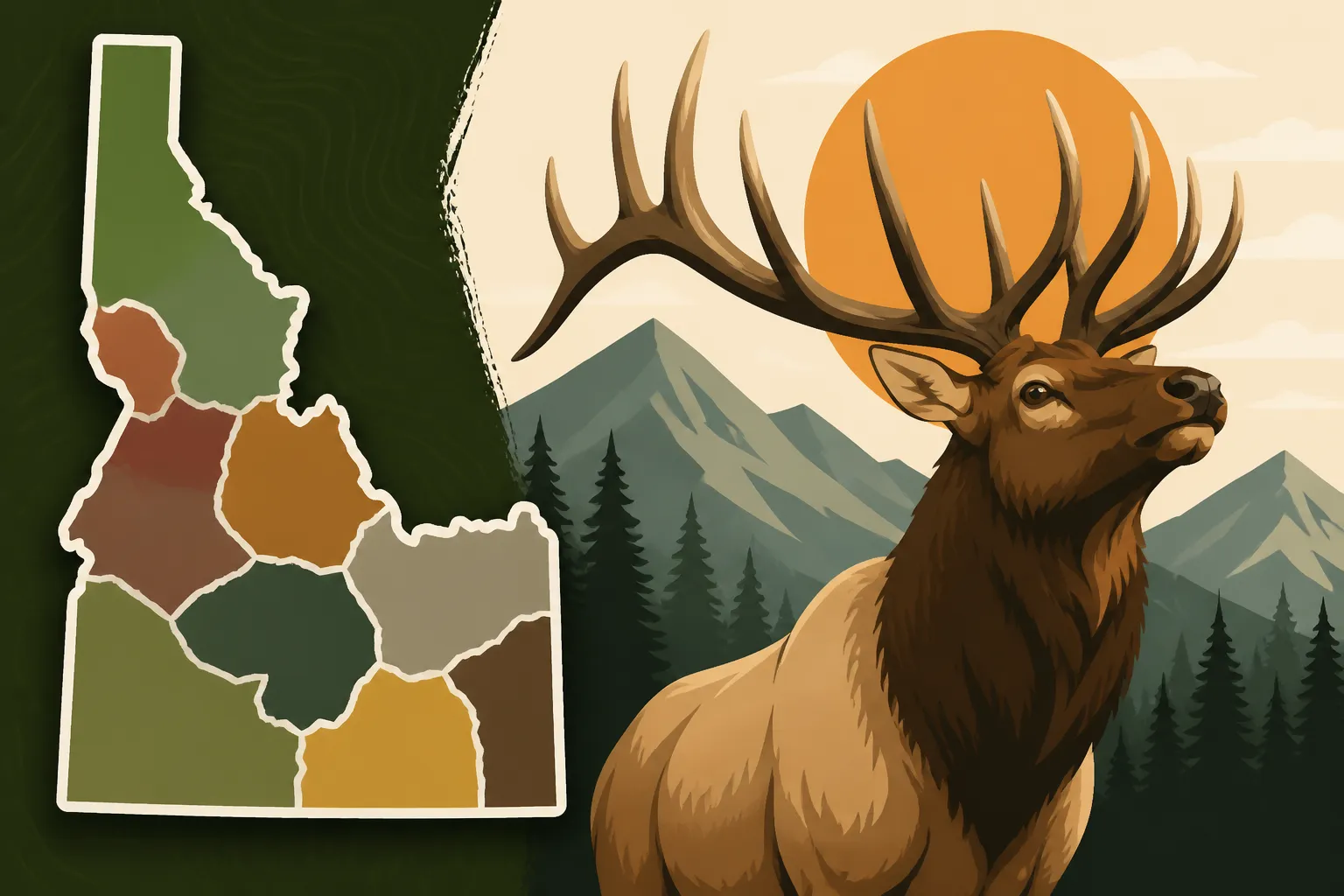
Idaho currently manages nine specific elk zones under this "capped" system. Each offers unique terrain, habitat, and hunting challenges. Understanding the characteristics of each can help you prioritize your choices and prepare for the kind of hunt you’re getting into.
Panhandle and Selway
These two zones represent vastly different experiences but share the capped distinction.
Panhandle Zone: Located in the very northern reaches of Idaho, this zone is characterized by dense forests, steep drainages, and generally lower elevations compared to some of Idaho's more central mountain ranges. It’s often associated with whitetail deer hunting due to the thick timber, but it holds a healthy elk population as well. The hunting can be challenging, often involving still-hunting or calling in heavy cover. Access is generally good, with a mix of national forest and private timberland. Hunters here need to be proficient in navigating thick woods and prepared for the variable weather of the northern Rockies. Success rates can be moderate, but patient hunters willing to work the timber can find opportunities.
Selway Zone: Ah, the Selway. This zone is almost synonymous with true wilderness hunting. Encompassing parts of the vast Selway-Bitterroot Wilderness, it's one of the largest wilderness areas in the lower 48. Hunting here is not for the faint of heart. It demands exceptional physical fitness, advanced backcountry skills, and a commitment to multi-day pack trips. The terrain is incredibly rugged, with steep mountains, deep canyons, and vast expanses of timber. Elk populations are healthy, but they are wild and spread out. Access is often via trailheads that require significant hiking or by hiring a bush pilot for an airstrip drop-off. For the intrepid hunter seeking an authentic backcountry experience, the Selway offers unparalleled solitude and a chance at a truly wild bull. Remember, nonresidents planning to hunt elk in designated wilderness areas like the Selway often need to understand the rules around Idaho Forces Nonresidents to Hire a Guide for Wilderness Elk.
Lolo and Middle Fork
These zones also offer rugged, mountainous hunting, but with their own distinct flavors.
Lolo Zone: Situated along Idaho's border with Montana, the Lolo Zone is another one known for its dense, often steep, timbered country. It's notoriously challenging, characterized by deep canyons and heavy cover that can make spotting elk difficult. Hunters here often rely on still-hunting, tracking, and calling to locate animals. The elk in the Lolo are often scattered, and success can be hard-won, but the rewards can be significant for those who put in the effort. Weather can be a major factor, with early snows common at higher elevations. This zone is a true test of a hunter's grit and woodsmanship.
Middle Fork Zone: The Middle Fork Zone encompasses the heart of central Idaho's wilderness, including significant portions of the Frank Church River of No Return Wilderness. This is another extremely remote and rugged area. Access is primarily on foot or horseback, often involving long pack-ins or jet boat access up the Salmon River. The terrain is characterized by steep, broken country, deep river canyons, and mixed conifer forests. Hunting here is a serious expedition, often requiring extensive planning and preparation. While challenging, the Middle Fork offers a very low-pressure hunting environment and the potential for exceptional quality elk. Floating the Middle Fork of the Salmon River for a float hunt is also a unique opportunity in this zone, combining a wilderness river trip with elk hunting.
Sawtooth and Pioneer
Central Idaho’s high-country gems, these zones demand physical conditioning and a love for elevation.
Sawtooth Zone: The Sawtooth Zone, named after the iconic Sawtooth Mountains, is located in central Idaho and is renowned for its breathtaking alpine scenery. This is high-elevation country, featuring granite peaks, glacial lakes, and steep, timbered slopes transitioning to open basins and meadows. Elk here often migrate between summer high country and lower elevation winter range. Hunting in the Sawtooth Zone requires excellent physical condition to navigate the rugged, steep terrain and handle potential altitude sickness. While the scenery is a major draw, hunters must be prepared for demanding hunts, often involving glassing open basins and stalking through sparse timber. It’s a spectacular place to hunt, but it truly earns its reputation as a backcountry challenge.
Pioneer Zone: Just east of the Sawtooths, the Pioneer Zone offers similar high-elevation, rugged hunting opportunities. It features steep mountain ranges, deep canyons, and a mix of dense timber and open, sagebrush-covered slopes. The elk here are often found in the sub-alpine and alpine zones during the early seasons, moving to lower elevations as the weather dictates. Like the Sawtooth, hunting the Pioneer Zone demands significant physical exertion, with much of the access requiring foot travel into remote areas. These central Idaho mountains are known for their challenging weather, from brilliant fall days to sudden, heavy snowstorms. Patience, perseverance, and strong legs are vital for success in the Pioneer.
Island Park, Palisades, and Smoky-Bennett
Rounding out the capped zones, these offer a mix of eastern and central Idaho landscapes.
Island Park Zone: Located in eastern Idaho, adjacent to Yellowstone National Park, the Island Park Zone presents a unique hunting environment. It's characterized by extensive lodgepole pine forests, open parklands, and agricultural fringes. The terrain is generally less steep and rugged than the central wilderness zones, but it still offers significant challenges, particularly in finding elk within the vast timber. Elk often move between public forest lands and private agricultural areas, requiring hunters to be aware of land boundaries and access. This zone can experience heavy snow earlier in the season, which can influence elk migration patterns. Its proximity to Yellowstone means it sees some impressive bulls moving in and out of the park, making it a highly desirable tag.
Palisades Zone: Further south in eastern Idaho, bordering Wyoming, lies the Palisades Zone. This zone offers a mix of habitats, from dense coniferous forests and aspen groves to sagebrush hillsides and river bottoms along the Snake River. The terrain is varied, ranging from moderate slopes to steep, broken country. Elk populations are generally strong, and the zone provides good opportunities for hunters willing to explore diverse landscapes. Similar to Island Park, elk movement in Palisades can be influenced by weather and proximity to private agricultural land. It’s a popular zone, and for good reason, offering a classic western elk hunting experience with a mix of timber and open country hunting.
Smoky-Bennett Zone: Found in central Idaho, the Smoky-Bennett Zone covers a broad area with diverse topography. It features a blend of high-elevation sagebrush-steppe, rolling timbered hills, and steep, rugged mountain slopes. This mix of habitats allows elk to find forage and cover throughout the seasons. Hunting here can involve everything from glassing vast open country to still-hunting through patches of timber. Success often depends on adaptability and understanding elk patterns across varied terrain. While still demanding, it might offer a slightly different challenge than the deep wilderness zones, appealing to hunters who appreciate a mix of open and forested hunting.
Here's a quick overview of these capped zones:
| Elk Zone | Primary Location | Key Characteristics | Typical Terrain |
|---|---|---|---|
| Panhandle | Northern Idaho | Dense timber, good access, whitetail overlap | Steep drainages, heavy forests |
| Selway | Central-West Idaho | Iconic wilderness, extremely rugged, remote | Vast timber, steep mountains, deep canyons |
| Lolo | Central-North Idaho | Dense timber, challenging, border w/ Montana | Deep canyons, heavy forests |
| Middle Fork | Central Idaho | Remote wilderness, float hunting, very rugged | Steep broken country, river canyons, conifer forests |
| Sawtooth | Central Idaho | Alpine scenery, high elevation, physically demanding | Granite peaks, high basins, steep slopes |
| Pioneer | Central Idaho | High country, rugged, mix of timber/sage | Steep mountain ranges, deep canyons |
| Island Park | Eastern Idaho | Lodgepole forests, near Yellowstone, good access | Forests, open parklands, agricultural fringes |
| Palisades | Eastern Idaho | Border w/ Wyoming, varied habitat, strong populations | Conifer forests, aspen, sagebrush hills, river bottoms |
| Smoky-Bennett | Central Idaho | Diverse habitat, mix of sage and timbered mountains | High-elevation sagebrush, rolling hills, steep mountains |
Strategies for Acquiring a Capped Zone Tag
Getting one of these capped zone tags feels like winning the lottery sometimes, even though it's technically a general tag. The competition is fierce, but there are definitely strategies you can employ to boost your chances.
Be Prepared for the Onslaught
This isn't an exaggeration: when capped zone tags go on sale, it's an internet feeding frenzy. You absolutely must be prepared for the moment they drop. This means knowing the exact date and time, down to the second, that the sale opens. Mark your calendar, set multiple alarms, and tell your family not to disturb you.
On the day of the sale, have your GoOutdoorsIdaho account logged in and ready to go. Ensure your credit card information is saved and up to date within your profile to minimize any delays during checkout. Even a few seconds of fumbling with payment details can mean the difference between getting a tag and being shut out. Use a fast, reliable internet connection, and consider having a backup device ready, just in case. Some experienced hunters even use multiple browsers or computers simultaneously, just like trying to buy concert tickets. Keep an eye on resources like the GoHunt app or website, as they often provide real-time updates and reminders, giving you every possible edge in the race to click "buy." Successfully purchasing Buying a Tag Through GoOutdoorsIdaho requires speed and preparation above all else.
Understanding Resident vs. Nonresident Opportunities
It's a stark reality that nonresident hunters face an even steeper uphill battle for capped zone tags. Idaho, like many western states, prioritizes its residents, and this is reflected in the tag allocation and sale structure. Often, Idaho residents will have an earlier or separate sale window for some capped zones, giving them a significant advantage. This means that by the time nonresident sales open, a portion of the limited tags may already be gone, or in some cases, certain zones might be entirely sold out.
For example, Why Idaho Residents Wait Five Days for Capped Tags for certain opportunities can influence what’s left for nonresidents. This creates an added layer of competition for nonresidents, making the "first-come, first-served" race even more intense. Nonresidents must be hyper-vigilant and extremely fast, as their window of opportunity might be much smaller and the remaining tags fewer. It's crucial for nonresidents to thoroughly research the specific sale dates and rules for their status, as they can differ significantly from resident hunters. This often means focusing on the overall nonresident tag quota and understanding that a general sale for a popular capped zone can burn through those allocated tags incredibly quickly.
Researching Zone Specifics and Draw Odds
Even for general tags that are first-come, first-served, the concept of "draw odds" still applies in a broader sense – not for getting drawn, but for understanding hunter success and pressure. Before you even attempt to buy a capped zone tag, you need to do your homework. Dive deep into the Idaho Fish and Game website, particularly The Idaho Hunt Planner Is the Tool to Start With. This invaluable tool provides harvest statistics, public land percentages, and crucial details about each zone and GMU.
Look at success rates for the previous year. If a zone has a very low success rate, even if you secure a tag, you need to temper your expectations. Analyze hunter densities. A capped zone might still have a lot of hunters, especially on public lands. Understand the terrain, typical weather patterns, and access points. For nonresidents, tools like GoHunt can provide layered mapping and historical data that helps you analyze specific GMUs within zones, even for general season success. Don't just pick a zone because you've heard it's "good"; understand why it's good and if your hunting style and physical conditioning match the demands of that particular area. Having backup choices is also incredibly important; if your first choice sells out in seconds, you need to be ready to quickly pivot to a second or third option. This research helps manage expectations and improves your actual hunting success once you have that tag in hand.
What to Consider After Securing a Capped Zone Tag
Congratulations! You beat the clock and secured one of those coveted capped zone tags. But the journey has only just begun. The tag is merely your ticket; now you have to make the hunt happen.
Scouting and Physical Conditioning
Many of Idaho's capped elk zones are found in rugged, demanding country. Just having the tag isn't enough; you need to be physically and mentally prepared for the hunt. If you're a resident, take advantage of the off-season to physically scout your chosen zone. Learn the roads, trails, drainages, and potential elk hangouts. Locate water sources, bedding areas, and feeding grounds. For nonresidents, physical scouting isn't always feasible, so E-Scouting an Idaho Unit Before the Season becomes paramount. Utilize satellite imagery, topographic maps, and hunting apps to virtually explore the terrain, identify potential access points, and pinpoint areas of interest.
Regardless of whether you can scout physically or virtually, get in shape! Most capped zones involve significant hiking, often at elevation, and potentially packing out an animal over difficult terrain. Start a rigorous exercise regimen months before your hunt. Focus on cardio, leg strength, and endurance. Being in top physical condition won't just increase your chances of success; it will make the entire experience safer and more enjoyable. Don't underestimate the mountains; they will test you, and being prepared is your best defense.
Understanding Access and Regulations
Even with a tag in hand, the hunt isn't simple point-and-shoot. Each zone, and even specific GMUs within zones, will have its own set of rules and access considerations. You need to intimately understand the current Idaho hunting regulations. Pay close attention to unit boundaries, legal shooting hours, and weapon-specific restrictions.
One of the biggest considerations, especially in Idaho's vast public lands, is the motorized vehicle rule. Many areas, particularly during hunting season, have restrictions on where you can drive. Idaho's Motorized Hunting Rule Keeps You on the Road in many areas from August 30 through December 31, preventing off-road travel. This means you might have to park your vehicle and hike significant distances to access prime hunting grounds. Do your research on which roads are open, which are closed seasonally, and where you can legally park. Furthermore, some capped zones, like the Selway and Middle Fork, overlap with designated wilderness areas. If you're a nonresident and drew an elk tag for one of these wilderness portions, be aware of the specific rule that Idaho Forces Nonresidents to Hire a Guide for Wilderness Elk for certain species. Ignoring these regulations can lead to fines, citations, and the potential loss of your hunting privileges, so be sure to thoroughly review the current year's regulations on the Idaho Fish and Game website.
Disclaimer
Please remember that hunting regulations, season dates, and tag allocation processes can change frequently. Always consult the most current Idaho Fish and Game regulations for the exact details pertaining to your hunt before making any plans or purchasing tags. This information is provided for general guidance and educational purposes only.