Idaho Elk Zones and the A Tag or B Tag Choice
The sheer complexity of Idaho's elk hunting regulations can feel like trying to navigate the backcountry without a map, especially when you're staring down the choice between an "A Tag" and a "B Tag." Many hunters, myself included, have felt that initial wave of confusion, wondering which option truly aligns with their hunting style and goals, or even what the fundamental differences actually are. This guide is here to untangle that knot, breaking down Idaho's elk zones and the critical distinctions between A and B tags so you can confidently make the best decision for your next hunt.
Decoding Idaho's Elk Zone System
Idaho's approach to managing its elk herds is unique, employing a system of "elk zones" that overlay the state's traditional Game Management Units (GMUs). This layered system is designed to provide targeted management strategies based on regional herd dynamics, habitat conditions, and hunting pressure. For hunters, it means understanding how these zones function is just as important as knowing the specific unit boundaries.
Understanding Unit Boundaries vs. Elk Zones
When you first look at an Idaho hunting map, you'll see a patchwork of numbered Game Management Units (GMUs). These units are the base layer of management, defining specific geographical areas for various game species. However, when it comes to elk, Idaho Fish and Game (IDFG) groups several of these GMUs together into larger "elk zones." Think of it like this: a GMU is a single county, but an elk zone might be an entire region encompassing multiple counties. While a deer hunt might be confined to a single GMU, your elk tag will be valid across an entire zone, which could span numerous units. This means that if you draw an elk tag for, say, the Lolo Zone, your tag is valid in all the individual GMUs that make up the Lolo Zone, giving you a much broader hunting ground than a single unit would. This distinction is crucial because success can often hinge on knowing which units within a zone tend to hold the most animals or offer the best access.
The Rationale Behind Idaho's Zone Approach
Idaho adopted the elk zone system to better manage specific elk populations and provide more flexible hunting opportunities. Historically, a statewide tag often led to disproportionate pressure in easily accessible areas or allowed for harvests that didn't align with the biological needs of a particular herd. By creating zones, IDFG can tailor season structures, tag allocations, and weapon restrictions to individual herd objectives within those defined areas. For example, a zone experiencing declining calf recruitment might have more conservative hunting seasons or cow tag limitations, while a zone with a healthy, expanding population might offer more liberal opportunities. This localized management allows for a more responsive and effective conservation strategy, ensuring sustainable hunting opportunities for future generations. It also means that hunters need to do their homework on specific zones, as what applies to the Panhandle Zone might be entirely different from the requirements in the Owyhee Zone, even if they're in the same year's regulations.
How Idaho Elk Zones Are Laid Out
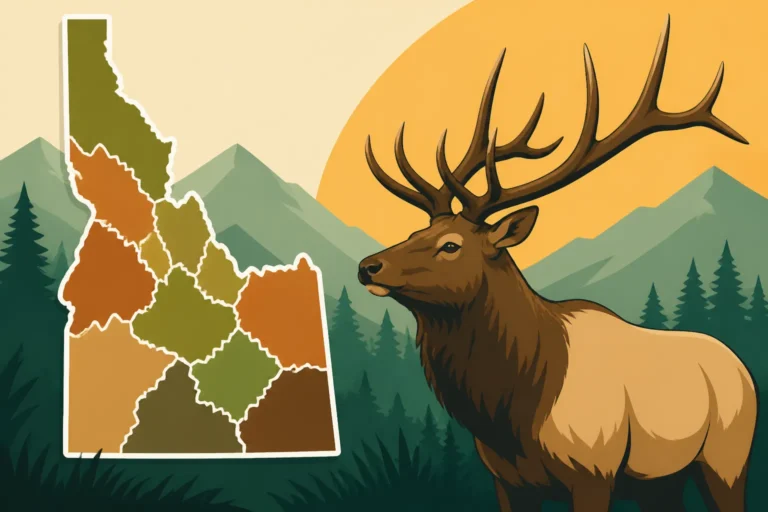
Idaho is divided into 28 distinct elk zones, each with its own set of regulations, tag allocations, and hunt structures. These zones are strategically drawn to encompass specific ecological regions, often defined by major mountain ranges, river systems, or habitat types. For instance, the Panhandle Zone covers the far northern reaches of the state, characterized by dense timber and steep terrain, while zones in the central part of the state like the Salmon Zone might include vast wilderness areas. When you're looking at your options, you'll notice zones like the Frank Church Zone, which is predominantly wilderness, contrasting with agricultural fringe zones. Each zone offers a unique hunting experience, from high-desert sagebrush country for mule deer and scattered elk, to vast tracts of dark timber for pursuing bugling bulls. Understanding how these zones are laid out is the first step in narrowing down your hunt choices and setting realistic expectations for the terrain and elk behavior you'll encounter. A good place to start your research is by looking at the official maps to grasp the geographical scope of each area, or dive into the specific details of how Idaho Elk Zones Are Laid Out.
The Core Difference: Idaho's A Tag vs. B Tag
The decision between an A Tag and a B Tag is perhaps the most significant choice an Idaho elk hunter will face, directly impacting when and with what weapon you can hunt. It's not just a matter of different names; it represents a fundamental divergence in hunting philosophy and opportunity. Many hunters get tripped up here, assuming one is inherently "better" than the other, when in reality, they simply cater to different preferences and hunting styles.
What an Idaho A Tag Buys You
An Idaho A Tag, often referred to as the "archery-primary" tag, is designed to provide extensive opportunities during the early archery seasons. If you're a bowhunter, this tag is generally your gateway to chasing rutting bulls in September, when elk are most vocal and active. While the A Tag definitely favors archery hunters, it's not exclusively for them. In most A Tag zones, you'll find early muzzleloader seasons as well, though these usually have stricter weapon limitations than general seasons. The core advantage of the A Tag is often the timing: it allows you to be in the woods during the prime pre-rut and early rut phases, which can offer some of the most exciting and target-rich elk hunting experiences. However, it's crucial to remember that an A Tag typically has more restricted rifle seasons, or sometimes no rifle season at all, within that specific zone. So, if you're primarily a rifle hunter, an A Tag might not give you the desired window, or it could force you into a weapon choice you're not comfortable with. It truly offers a specialized experience, and understanding what an Idaho A Tag Allows is key.
What an Idaho B Tag Buys You
Conversely, an Idaho B Tag is generally considered the "rifle-primary" tag, but this isn't entirely accurate. While B Tags do typically offer more liberal rifle seasons, they also often include archery and muzzleloader seasons that run later in the fall. The main benefit of a B Tag for rifle hunters is access to those later, colder seasons, which can sometimes concentrate elk in wintering areas, making them more predictable. For many, the B Tag represents the classic Idaho elk hunt, with a focus on chasing animals during the rifle season. However, it's worth noting that B Tag archery seasons might occur slightly later than A Tag archery seasons, or have different length restrictions, depending on the zone. A B Tag allows for a wider range of weapon choices across different timeframes, making it a more versatile option for hunters who might use multiple weapon types or prefer to hunt later in the year. It's important to weigh these options carefully, as what an Idaho B Tag Allows could mean the difference between hunting the early bugle or the late-season snow.
Key Seasonal Differences for A and B Tags
The most significant difference between A and B tags lies in their associated hunting seasons, particularly for archery and rifle. Generally, A Tags offer longer, earlier archery seasons that align perfectly with the peak of the elk rut in September. This is when bulls are often most responsive to calls, making it an incredibly exciting time for bowhunters. However, the general rifle seasons in A Tag zones are usually shorter, later, or sometimes even non-existent, pushing rifle hunters into very specific windows, often post-rut.
B Tags, on the other hand, usually feature shorter or later archery seasons, potentially missing the absolute peak of the rut, though still offering good bowhunting opportunities. The real appeal of the B Tag is its more expansive and often earlier general rifle seasons, allowing hunters to pursue elk during prime mid-fall periods when animals are still active but not necessarily concentrated on winter ranges. This difference in timing profoundly impacts scouting, hunting strategies, and the overall experience. For instance, an A Tag hunter might be navigating warmer temperatures and thick foliage in early September, while a B Tag rifle hunter in November could be dealing with snow, limited daylight, and elk that are more wary and scattered. Understanding these specific season dates for each zone is paramount, and resources like the Idaho Fish and Game website or tools like GoHunt can help clarify these nuances quickly.
Navigating Weapon Choices with A and B Tags
Your preferred weapon plays a colossal role in whether an A Tag or a B Tag makes the most sense for your Idaho elk hunt. The state's regulations are meticulously crafted around weapon types and their corresponding seasons within each zone, meaning a seemingly minor oversight in this area can render your expensive tag useless or force you into an unwanted hunting style.
Archery Hunters and the A/B Tag Decision
For dedicated archery hunters, the A Tag is often the first choice, and for good reason. It’s designed to maximize opportunity during the early, warm, and vocal periods of the elk rut. When you're dreaming of bugling bulls and close-range encounters, the extended archery seasons offered by A Tags in many zones are simply unbeatable. These seasons typically run through most of September, providing ample time to locate, pattern, and stalk elk when they are most active and responsive to calls. This focus on early archery is why A Tags Favor Archery and Muzzleloader Hunters.
However, an A Tag isn't the only option for bowhunters. Many B Tag zones also offer archery seasons, though these might start a bit later or be shorter in duration. For instance, a B Tag archery season might kick off in late September or early October, giving you a chance to hunt the tail end of the rut or transition into a spot-and-stalk strategy as elk begin to settle into post-rut patterns. Some bowhunters might even prefer these slightly later seasons, finding that elk are less pressured or that cooler temperatures make for more comfortable hunting conditions. The decision ultimately comes down to whether you prioritize the peak rut action of an A Tag or the potentially less crowded, later-season archery opportunities of a B Tag.
Muzzleloader Opportunities with A and B Tags
Muzzleloader hunters also have distinct considerations when choosing between A and B tags. The A Tag often provides early muzzleloader seasons, typically in late September or early October, that coincide with cooler weather and potentially more concentrated elk activity post-rut. These seasons are prized by muzzleloader enthusiasts who enjoy the challenge and historical connection of primitive weapon hunting. However, Idaho has very specific rules for muzzleloader-only hunts, often banning scopes and inline ignition systems, requiring traditional open or peep sights and exposed caps. This means your equipment needs to comply with these strictures to be legal. You'll need to know the Idaho Muzzleloader Caliber Minimums: .45 for Deer, .50 for Elk to ensure your setup is legal.
B Tags can also offer muzzleloader seasons, sometimes running later into October or even November, often overlapping with or preceding general rifle seasons. These later seasons can be fantastic, as elk are often focused on feeding and transitioning towards wintering grounds, potentially making them more predictable. The key difference usually comes down to the timing of the muzzleloader season within the broader hunting calendar. If you want to hunt primitive weapons early, alongside or just after the archery rut, an A Tag might be your pick. If you prefer a later muzzleloader hunt, possibly even in snow, a B Tag zone might be more suitable. Always double-check the specific zone regulations for weapon restrictions and season dates, as these can vary significantly.
Rifle Hunters and the B Tag Advantage
For hunters primarily wielding a centerfire rifle, the B Tag is overwhelmingly the more advantageous choice. B Tags Favor the Centerfire Rifle Crowd by offering more robust and typically longer general rifle seasons. These seasons are often strategically placed in October and November, allowing rifle hunters to pursue elk as they transition from high-country summer ranges to lower elevation wintering areas. The colder weather and potential for snow can often work in a rifle hunter's favor, pushing elk out of dense timber and making them more visible.
While some A Tag zones do have rifle seasons, they are often much shorter, sometimes only a few days, and might occur later in the season when elk have already been heavily pressured by archery and muzzleloader hunters. This can make a successful rifle hunt in an A Tag zone considerably more challenging. The B Tag, conversely, usually provides a more traditional rifle hunting experience with ample time to scout, hunt, and adapt to changing conditions. For many, the broader window and better timing of general rifle seasons in B Tag zones are a non-negotiable factor. If you're planning a trip primarily with a rifle, meticulously researching which B Tag zones offer the best rifle opportunities for your desired dates is crucial for maximizing your chances of success.
Strategies for Choosing the Right Tag
Choosing between an A Tag and a B Tag isn't a decision to be made lightly. It requires introspection about your own hunting preferences, thorough research into specific zones, and a realistic assessment of hunting pressure and access. Many hunters jump in without considering these critical factors and end up with a tag that doesn't quite fit their expectations, leading to frustration.
Self-Assessment: Your Hunting Style and Preferences
Before you even glance at a regulation book, take a moment for an honest self-assessment. What kind of elk hunter are you? Are you a dedicated archer who lives for the intense, up-close challenge of calling in a bull during the bugle? If so, the longer, earlier archery seasons of an A Tag zone might be your ideal. You might be willing to sacrifice a rifle season for that prime September bowhunting window. Do you prefer the thrill of a muzzleloader hunt, embracing the challenge of a single shot and traditional sights? Some A Tag zones offer fantastic early muzzleloader opportunities.
On the other hand, perhaps you're a rifle hunter who enjoys the crisp, cooler air of October and November, glassing open hillsides or still-hunting timber as elk gather for winter. If so, a B Tag zone with its more liberal rifle seasons would likely be a better fit. Consider your experience level, physical fitness (some early archery seasons can be grueling in warm weather), and your comfort with different weapon types. If you're flexible with weapons, you might even consider the broader range of seasons a B Tag often provides. Your personal hunting philosophy should be the ultimate compass in this decision.
Researching Zone-Specific Opportunities and Success Rates
Once you have a handle on your personal preferences, it's time to dive deep into the specific zones. Just because a zone offers A or B tags doesn't mean all zones are created equal in terms of opportunity or success. This is where diligent research pays off. The Idaho Fish and Game website is an invaluable resource, offering detailed information on drawing odds, harvest statistics by unit and zone, and season dates. Tools like GoHunt can further streamline this research, offering powerful filters and data visualizations that help you compare zones side-by-side.
Look beyond just "success rates." What do those rates tell you about your preferred method? A zone might have a high overall success rate, but if most of that success comes from rifle hunters and you're an archer, it might not be the best fit. Pay attention to bull-to-cow ratios, calf recruitment numbers, and population trends within each zone. Also, consider the terrain and habitat. Are you comfortable hunting in steep, timbered mountains, or do you prefer more open, glassing country? This detailed research will reveal nuances that a quick glance at the regulations might miss. Remember, the Idaho Hunt Planner Is the Tool to Start With for any serious research effort.
Considering Pressure and Access in A vs. B Zones
Hunting pressure and access are often overlooked factors that can profoundly impact your experience. Generally, early archery seasons (often A Tags) can sometimes feel less pressured than peak rifle seasons (often B Tags), simply because there are fewer archery hunters than rifle hunters. However, highly accessible areas, regardless of the tag type, will always see more boots on the ground. When researching zones, look at road systems, trailheads, and public land percentages. Units with vast wilderness areas, like those covered by the Frank Church Wilderness, might offer less pressure but demand greater physical exertion and specialized gear, as well as potentially requiring an outfitter for non-residents targeting certain species.
Conversely, zones with extensive road networks, while offering easier access, will almost certainly experience higher hunting pressure, especially during the general rifle seasons associated with B Tags. Consider what kind of experience you're after: a remote, solitary hunt requiring a pack-in, or a more accessible hunt where you might encounter more fellow hunters. Online mapping tools with public land and road layers are essential for this part of your research. Understanding the dynamics of hunter density can significantly inform your A Tag vs. B Tag decision, helping you choose a zone that aligns with your tolerance for crowds and your desire for solitude.
Applying for Idaho Elk Tags: A Step-by-Step Guide
The application process for Idaho elk tags, particularly for nonresidents, involves several steps and strict deadlines. Missing a key date or misunderstanding the difference between general and controlled hunts can lead to missed opportunities or even lost application fees. It's a system that rewards careful planning and attention to detail.
The Application Timeline for Residents and Nonresidents
Idaho's application timeline differs between residents and nonresidents, with nonresidents having an earlier application period for general deer and elk tags. Historically, nonresident applications for these general tags open in early December and run through mid-February. The draw itself often takes place in March, with results posted shortly after. It's absolutely critical to be aware of these dates, especially since Idaho Moved Nonresident Deer and Elk Tags Into a Draw for 2026, making the application window more crucial than ever.
For residents, the timeline for general tags is often slightly later, with an opportunity to purchase general tags after nonresidents have gone through their draw. Controlled hunts, which are permits for specific units, species, and seasons (often for trophy animals or limited entry areas), have a different application window, typically opening in April and closing in June for both residents and nonresidents. Understanding these staggered deadlines is paramount. Mark your calendar, set reminders, and apply well in advance to avoid any last-minute stress or technical glitches on the application portal. The Idaho Fish and Game website is always the most accurate source for current year dates.
Using the Idaho Hunt Planner for Tag Selection
The Idaho Hunt Planner is an indispensable tool provided by IDFG, serving as a comprehensive hub for all hunting information. When deciding on your A Tag or B Tag, this planner allows you to filter hunt opportunities by species, weapon type, unit, and zone. You can explore harvest statistics from previous years, view public land percentages, and even look at drawing odds for controlled hunts. This is where you can truly dive into the data to support your tag choice.
For example, if you're leaning towards an A Tag for archery, you can use the planner to see which A Tag zones have the highest archery harvest success rates, favorable bull-to-cow ratios, and sufficient public land access. If a B Tag rifle hunt is more your speed, you can filter for B Tag zones with strong rifle success and compare season dates across multiple options. The interactive maps within the planner also help visualize zone and unit boundaries, road access, and designated wilderness areas. Leveraging this tool effectively, combined with resources from services like GoHunt, can transform a daunting decision into a data-driven choice, greatly increasing your chances of finding a satisfying hunt.
Understanding Controlled Hunt vs. General Season Tags
It's vital to differentiate between Idaho's general season tags and controlled hunt tags. Most of the A Tag and B Tag discussions pertain to general season tags, which are sold over-the-counter or through an allocation draw until quotas are met. These tags allow you to hunt within the designated elk zone during the specified general seasons for that tag type. General tags are typically available for most elk zones and offer broader access.
Controlled hunt tags, on the other hand, are limited entry permits drawn through a lottery system for specific, highly regulated hunts. These are often for particular units, specific weapon types (like muzzleloader-only hunts in certain areas), or for trophy-class animals. Controlled hunts have much lower drawing odds, especially for nonresidents, but can offer exceptional opportunities in areas with limited pressure or specific management goals. While some controlled hunts might be designated as "A" or "B" type seasons within their specific regulations, they are distinct from the general A and B tags. You apply for controlled hunts separately, and there is no preference point system in Idaho to increase your odds year over year. Idaho Has No Preference Points, and What That Changes means every applicant, whether first-timer or seasoned veteran, starts on equal footing for each draw. This distinction is crucial to ensure you're applying for the correct type of tag for your desired hunt.
Practical Examples of A Tag and B Tag Scenarios
Sometimes, the best way to understand the A Tag vs. B Tag dilemma is to walk through some real-world scenarios. Let's imagine a few different types of hunters and how their choices would play out in Idaho's diverse landscape.
The Archery-Focused Hunter in the Frank Church Wilderness
Imagine Sarah, a dedicated bowhunter from out of state, who dreams of a remote, wilderness elk hunt, chasing bugling bulls with her recurve. Her ideal hunt is a physically demanding, pack-in experience, far from roads and crowds, where she can immerse herself in the elk rut. For Sarah, an A Tag would be the obvious choice, likely in a zone like the Frank Church, Selway-Bitterroot, or Sawtooth Zone. These zones often have extensive designated wilderness areas, and the A Tag’s early September archery season perfectly aligns with the peak of the elk rut.
With an A Tag, Sarah can spend weeks practicing her calling, scouting remote basins, and setting up treestands or ground blinds along elk travel corridors. She'd be hunting when elk are most vocal and vulnerable to calling, offering her the best chance at a close-range shot. The challenge of the wilderness, combined with the pure archery focus, is exactly what she seeks. However, as a nonresident, Sarah would also need to be aware of the specific regulations regarding outfitters in designated wilderness areas, as Idaho Forces Nonresidents to Hire a Guide for Wilderness Elk for certain species, including elk. She would also understand that if her archery hunt was unsuccessful, her A Tag might offer very limited, if any, rifle opportunities in her chosen zone, meaning she's all-in on archery.
The Rifle Hunter Targeting Rutting Bulls in the Selway-Bitterroot
Now consider Mark, a seasoned rifle hunter who loves the ruggedness of Idaho and wants to target a mature bull. While he appreciates archery, his true passion lies in covering ground with his rifle, ideally during a time when elk are still active and responsive to limited calling, but also when he can take advantage of slightly longer shots if necessary. For Mark, a B Tag in a zone like the Selway-Bitterroot or Clearwater might be ideal. These zones often have robust general rifle seasons that run through October, sometimes even extending into early November.
With a B Tag, Mark could plan his hunt for mid-October. While the peak bugle might be over, bulls are often still in small bachelor groups or with cows, and can be located with locator calls. The cooler weather means elk are less likely to be strictly nocturnal, and the changing foliage provides better visibility. He'd spend his days glassing vast timbered slopes, targeting feed areas, and meticulously still-hunting through dark timber. The B Tag gives him the flexibility of using his rifle during a period of good elk activity, without the extreme physical demands or specific equipment restrictions of early archery. He might also find that elk have spread out a bit more after the initial archery pressure, offering new opportunities. This aligns perfectly with the intent of B Tags Favor the Centerfire Rifle Crowd.
Early Muzzleloader Seasons and the A/B Tag Nuance
Finally, let's look at David, a hunter who cherishes the experience of a muzzleloader hunt. He appreciates the challenge and tradition, and wants to be in the woods when the temperatures are moderate, but perhaps after the chaos of the archery rut dies down slightly. This is where the A Tag vs. B Tag decision for muzzleloaders gets nuanced.
Many A Tag zones offer a dedicated early muzzleloader season, typically in late September or early October. This would put David in the field just as the peak bugle winds down, but before significant snows. Elk might be less vocal, but still concentrated, moving between feed and bedding areas. He'd need to ensure his muzzleloader complies with Idaho's strict "muzzleloader-only" rules, meaning no scopes and exposed percussion caps. Alternatively, some B Tag zones also offer muzzleloader seasons, sometimes later in October or even November, often coinciding with colder weather and potential snow, which can aid in tracking. David would need to consult the specific zone regulations very carefully, as the presence and timing of muzzleloader seasons can swing the A/B Tag decision. If he wants to hunt a general-weapon muzzleloader season where scopes are allowed, he might be looking at a completely different set of rules compared to a dedicated "muzzleloader-only" hunt. This is where confirming specific Idaho Muzzleloader Season Dates for Deer (and elk, similarly) is crucial.
Common Pitfalls and How to Avoid Them
Even with all the research in the world, hunters can still fall into common traps when navigating Idaho's elk tag system. These pitfalls often stem from assumptions or failing to cross-reference multiple sources of information. Being aware of these potential missteps can save you a lot of headache and heartache.
Misinterpreting Season Dates and Weapon Restrictions
One of the most frequent mistakes hunters make is misinterpreting the season dates or weapon restrictions for their chosen zone and tag type. It's easy to look at a calendar and see "Elk Season: September 1 – November 30" and assume your tag is valid for the entire period with any weapon. However, Idaho's regulations are far more granular. An A Tag might allow archery from September 1-30, but then have a rifle season for only five days in late October, or no rifle season at all. A B Tag might have an archery season in mid-September for two weeks, followed by a rifle season in October.
Furthermore, weapon restrictions can change dramatically between "any weapon" seasons and "muzzleloader-only" or "archery-only" seasons. For example, Are Scopes Allowed on Muzzleloader-Only Hunts? The answer is generally no in designated muzzleloader-only seasons. Not all muzzleloader seasons are created equal; some may allow modern inline muzzleloaders and scopes, while others strictly require traditional percussion caps and open sights. Always check the specific regulations for your chosen zone, your chosen tag type (A or B), and your specific weapon down to the individual dates. Cross-reference the online regulations with the printed handbook, and when in doubt, call the Idaho Fish and Game regional office for clarification.
Overlooking Resident Preference in Capped Zones
Idaho does not have a preference point system, which means first-time applicants have the same odds as those who've applied for years. This is a blessing for many but can lead to a false sense of security regarding tag availability, especially for nonresidents. While many general A and B tags are available over the counter or through the initial nonresident draw, certain "capped zones" have limited tag quotas that can sell out very quickly.
What many nonresidents overlook is that in some capped zones, residents often get a head start or a separate allocation period. This means a nonresident might apply for a B Tag in a popular capped zone only to find that the resident quota fills up almost instantly, leaving very few, if any, tags for nonresidents. This is why it's crucial to research not only the general drawing odds but also the specific rules for Capped Elk Zones Sell Out While General Tags Sit. For example, the Sawtooth Zone is a popular capped zone where tags are limited. While a good resource like GoHunt might show the historical demand, the current year's process can still be swift. Always be aware of whether your chosen zone is a capped zone and how that impacts availability for nonresidents. Having a backup zone in mind is always a wise strategy.
The Importance of Post-Draw Planning
Many hunters treat the draw as the finish line, when in reality, it's just the starting gun. Once you've successfully drawn your A or B tag for a specific Idaho elk zone, the real planning begins. Post-draw, it's easy to relax and assume everything will fall into place, but this is a critical period for scouting, gear preparation, and logistical arrangements.
Your post-draw plan should include detailed e-scouting using satellite imagery and topographic maps to identify potential elk habitat, bedding areas, and water sources within your zone. Consider the specific Idaho Archery Season Dates for Elk if you drew an A Tag, or the corresponding rifle dates for a B Tag, and tailor your scouting to those periods. If you're a nonresident, you'll also need to factor in travel logistics, lodging, and potentially securing an outfitter if you plan to hunt in a wilderness area requiring one. This is also the time to fine-tune your physical conditioning, ensuring you're ready for the rigors of an Idaho elk hunt. Waiting until the last minute can lead to overlooked details, rushed decisions, and a less enjoyable, less successful hunt. Treat the tag draw as the signal to ramp up your preparation, not to slow down.
| Tag Type | Primary Weapon Focus | Typical Season Timing | Key Advantages | Potential Disadvantages |
|---|---|---|---|---|
| A Tag | Archery, Muzzleloader | Early/Mid-September (Archery), Late Sep/Early Oct (Muzzleloader) | Prime rut archery action, less hunter density in some zones | Very limited or no rifle season, earlier season can mean warmer weather/bugs |
| B Tag | Rifle, Archery, Muzzleloader | Late Sep/Early Oct (Archery), October/November (Rifle/Muzzleloader) | More liberal rifle seasons, opportunity for various weapon types, cooler weather | Archery seasons may miss peak rut, rifle seasons can be more pressured |
Disclaimer
Please note: Hunting regulations and season dates are subject to change. Always consult the most current Idaho Fish and Game regulations for the exact details applicable to your chosen hunt unit and season before applying or heading afield.