Electronic Calls for Predators and Varmint Hunting
The silence of the Idaho backcountry can be a beautiful thing, but when you're targeting wily predators or elusive varmints, that silence can feel like an impenetrable wall. Many hunters find themselves frustrated, spending hours glassing or still-hunting, only for their quarry to vanish like ghosts. This guide is here to cut through the confusion and show you how electronic calls can be a game-changer, exploring Idaho's specific regulations and best practices to dramatically increase your success in the field.
Understanding Idaho's Regulations on Electronic Calls
Navigating hunting regulations can often feel like deciphering ancient texts, and the rules around electronic calls are no exception. The Idaho Department of Fish and Game (IDFG) has clear guidelines, but it's essential to understand the nuances, especially when distinguishing between big game and predators or varmints. Missteps here can lead to heavy fines or loss of hunting privileges, so paying close attention is paramount.
General Rules for Predators vs. Big Game
The most critical distinction to grasp in Idaho is that electronic calls are strictly prohibited when hunting big game, mountain lion, or turkey. This means if you're out chasing elk, deer, bear, moose, bighorn sheep, mountain goat, or even turkeys, leaving your e-caller at home is not just a good idea, it's the law. The intent behind this rule is to maintain fair chase principles for these more challenging species, ensuring that hunters rely on their woodsmanship, scouting, and traditional calling techniques. Imagine the unfair advantage if a hunter could broadcast an elk bugle or deer grunt on a loop, drawing animals directly to them without any skill in traditional calling.
However, the landscape changes dramatically when you shift your focus to predators and varmints. For these species, electronic calls are generally given the green light across most of Idaho. This is a huge relief for hunters targeting coyotes, foxes, or ground squirrels, as these animals often respond incredibly well to the realistic and consistent sounds produced by electronic devices. It opens up a whole new world of strategies, allowing you to mimic a wide array of distress calls and animal vocalizations that would be difficult, if not impossible, to achieve consistently with mouth calls alone. Always double-check the latest regulations on the IDFG website, as rules can occasionally be updated, but for now, this big game/predator divide is the golden rule.
Specific Predator Species and Call Legality
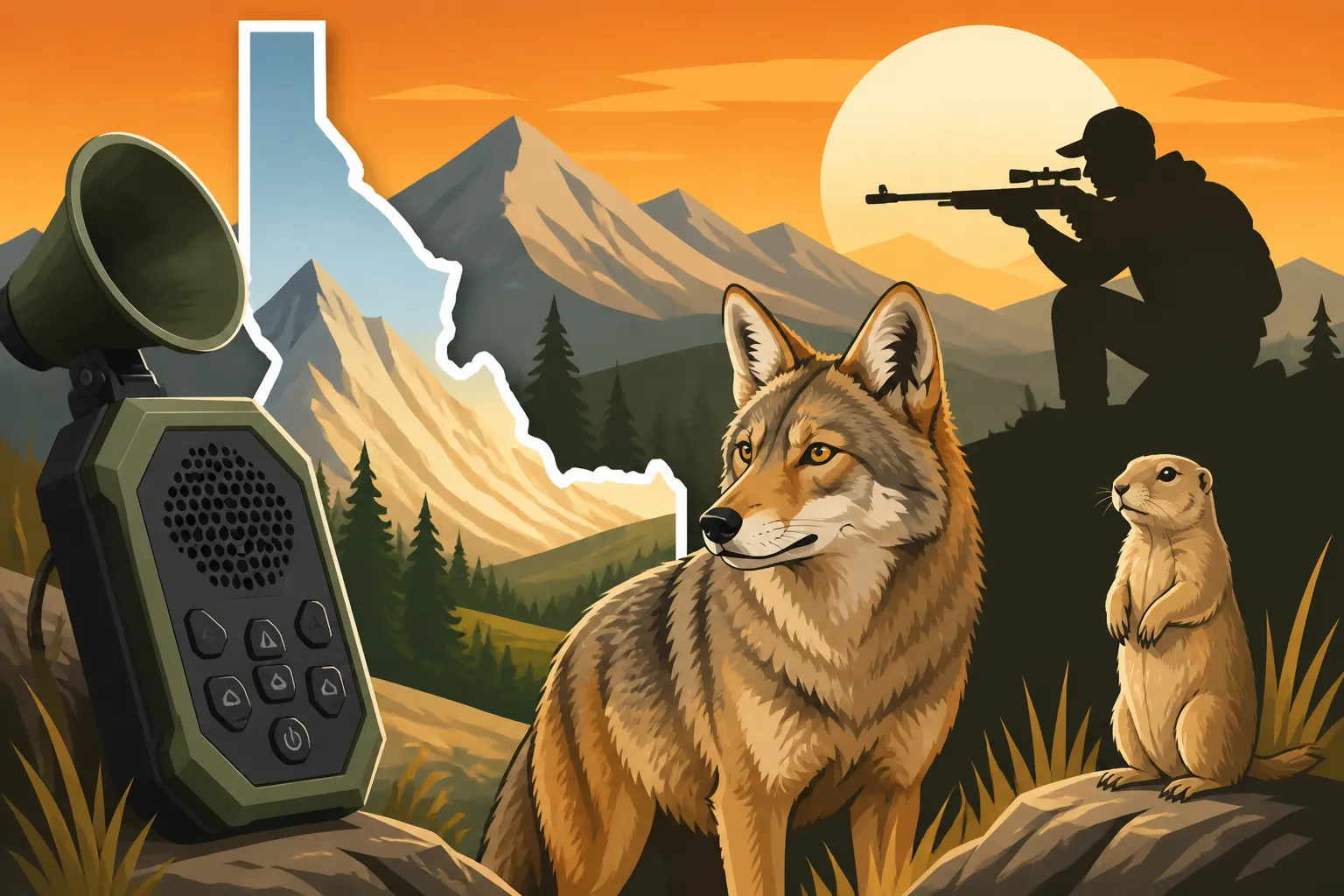
When it comes to specific predators in Idaho, electronic calls are your friend. Coyotes, bobcats, fox (red and gray), raccoon, skunk, and badger are all fair game for electronic calling. These animals are often highly responsive to distress sounds of prey, making e-calls incredibly effective tools for bringing them into range. Think about a scenario where you're set up on a high point overlooking a sagebrush flat. Instead of relying on a mouth call that requires movement and breaks your camo, you can discreetly activate a rabbit-in-distress call from your remote, drawing a curious coyote right out into the open.
Even for wolves, which are classified as predators in Idaho, electronic calls are generally permitted. Given the intelligence and wariness of wolves, any tool that gives you an edge in calling them in is a significant advantage. However, understanding the nuances of wolf hunting, particularly where you can hunt and the season dates, is crucial, as outlined in guides like "Idaho Wolf Seasons Change Unit by Unit in Idaho". While e-calls are legal, specific unit restrictions or special conditions might still apply to wolf hunting, so always consult the current Idaho hunting regulations booklet.
It's also worth noting that while electronic calls are allowed for these predator species, there might be specific areas where general hunting restrictions (like those on some Wildlife Management Areas) could indirectly affect their use, so always be aware of the specific rules for the location you are hunting.
Varmint Hunting and Electronic Devices
Idaho's definition of "varmints" typically includes species like ground squirrels, rock chucks, marmots, and sometimes crows, depending on the specific regulations. For these creatures, electronic calls are not only legal but incredibly popular. Varmint hunting is often about controlling populations that can damage agricultural crops or rangeland, and e-calls provide an efficient way to draw them out for a clean shot.
Picture yourself on a hot summer day, setting up near a rocky outcropping known for rock chucks. A high-pitched whistle or a rodent squeal from your e-caller can often lure these wary critters out of their burrows, presenting an ethical shot opportunity. Similarly, for species like Idaho ground squirrels, a repetitive squeak or chatter from an electronic call can draw them up from their holes, making them visible for a shot. For a deeper dive into targeting these specific species, you might want to read more about "Rockchuck Hunting Across the Sage Flats" or "Idaho Ground Squirrel Shooting Rules Explained". The use of electronic calls drastically increases your chances of success and can make varmint hunting a much more engaging and productive experience.
| Species Category | Electronic Call Legality | Common Use Cases |
|---|---|---|
| Big Game | Prohibited | Elk, Deer, Bear, Moose, Bighorn Sheep, Mountain Goat |
| Mountain Lion | Prohibited | – |
| Turkey | Prohibited | – |
| Predators | Permitted | Coyote, Wolf, Bobcat, Fox, Raccoon, Skunk, Badger |
| Varmints | Permitted | Ground Squirrel, Rock Chuck, Marmot, Crow |
| Upland Birds | Prohibited | Chukar, Grouse, Pheasant, Quail, Partridge, Dove |
| Waterfowl | Permitted (some restrictions) | Ducks, Geese (e.g., unplugged shotgun, specific call types) |
Note: Waterfowl regulations regarding electronic calls can be complex and are often subject to federal guidelines. Always consult specific waterfowl regulations for the latest rules, as they differ significantly from big game and predator/varmint rules.
Why Electronic Calls Are So Effective for Predators
Once you understand the rules, the next step is to embrace the power of electronic calls. They're not just a technological gimmick; they're a highly refined tool that can give you a significant advantage in the field, particularly when pursuing intelligent and elusive animals like Idaho's predators.
Mimicking Prey Sounds Realistically
The primary reason electronic calls stand head and shoulders above many traditional calling methods for predators is their ability to accurately and consistently mimic a vast array of prey sounds. A hand-blown distress call can be effective, no doubt, but achieving the consistent volume, pitch, and duration of a dying jackrabbit or a frantic bird can be incredibly challenging, especially for extended periods or in windy conditions. Electronic calls, like those offered by companies such as FOXPRO or Primos, excel in this. They can produce incredibly lifelike sounds, from the frantic cries of a cottontail rabbit to the high-pitched squeals of a rodent, or even the territorial barks of a coyote pup. This realism is key to fooling wary predators who rely heavily on their hearing to locate food.
Furthermore, these devices often come with extensive sound libraries, allowing you to cycle through dozens, if not hundreds, of different animal vocalizations. You can experiment with various distress calls, pup calls, or even common prey sounds that are specific to the area you're hunting. This versatility means you're not limited to one or two go-to sounds but can adapt your calling strategy to the specific species, time of year, and even the individual animal you're trying to attract. For instance, a lone coyote might respond best to a pup distress call, while a dominant male might charge into a challenge howl.
Situational Adaptability and Remote Control
Imagine trying to blow a mouth call while lying prone in the sagebrush, trying to stay perfectly still as a coyote scans the area. Any movement, however slight, can blow your cover. This is where the remote-control functionality of electronic calls becomes invaluable. You can place the e-caller 30 to 50 yards (or even further, depending on the unit) away from your position, giving the predator something else to focus on as it approaches. This draws their attention away from you, allowing you to remain completely motionless and ready for the shot.
The ability to adjust volume, switch sounds, or even pause the call with a simple click of a button, all from your concealed position, is a game-changer. If a coyote hangs up at 200 yards, a subtle change to a more aggressive sound or a slight increase in volume might be all it takes to bring it the rest of the way. This remote control also allows for more dynamic calling sequences, mimicking a fleeing animal or a struggling prey, which can often be more enticing than a static, repetitive sound. This kind of nuanced control significantly improves your chances of closing the distance and getting a clean shot, whether you're hunting during the day or utilizing "Night Hunting Legal for Coyotes Out West?" strategies where stealth is even more critical.
Attracting Multiple Species
One of the often-underestimated benefits of electronic calls is their ability to attract a wide range of predator species, sometimes simultaneously. A general distress call, like a rabbit in distress, is a universal language in the animal kingdom that spells "easy meal" to almost any opportunistic predator. While you might be specifically targeting coyotes, it's not uncommon for bobcats, foxes, or even an opportunistic badger to respond to the same call.
This broad appeal makes e-calls highly efficient. You can sit down for a calling session, confident that your efforts might bring in more than just your intended target. This isn't just about increasing your chances of a harvest; it's about making your time in the field more exciting and unpredictable. You never quite know what might step out of the brush in response to those convincing sounds, making every calling setup an adventure. This versatility also allows you to make the most of extended hunting trips, potentially filling multiple "Idaho Fox and Raccoon Season Dates" or "Idaho Bobcat Season and Pelt Tag Rules" on the same outing if conditions allow.
Choosing and Using Your Electronic Call in Idaho
Picking the right electronic call and mastering its use is crucial for success. It’s not just about turning it on and letting it rip; there's an art and science to it, especially in Idaho's diverse terrain and varied animal behavior.
Key Features to Look for in an E-Call
When you're sifting through the options for electronic calls, it can feel a bit overwhelming. There are so many models out there, each boasting different features. But for hunting in Idaho, a few key elements really stand out. First and foremost, volume is critical. You're often hunting in open country or dense timber where sound needs to travel. A weak speaker just won't cut it. Look for models with powerful, clear speakers that can project sound effectively, even on windy days or across long canyons.
Next, consider the sound library size and quality. The more diverse the calls you have at your disposal, the more adaptable you'll be. Beyond quantity, the realism of the sounds is paramount. Many modern callers allow you to download additional sounds, which is a fantastic feature for staying current or customizing your library for specific Idaho prey species. Brands like FOXPRO and Primos are well-regarded for their sound quality and extensive libraries.
The remote range is another non-negotiable feature. As discussed, placing the call away from you is a huge advantage. A remote that reliably functions at 100-200 yards allows for optimal placement and minimal disturbance. Battery life is also incredibly important; nothing ruins a hunt faster than a dead caller. Look for units that offer extended battery life or the option to use external battery packs for prolonged trips.
Finally, consider durability and ease of use. Idaho's hunting conditions can be tough, from dusty sagebrush flats to wet, cold timber. Your caller needs to be rugged and resistant to the elements. And when a coyote is coming in hot, you don't want to be fumbling with complex menus. An intuitive interface with easily accessible favorite sounds on the remote is a huge plus. Websites like GoHunt often have comprehensive gear reviews that can help you compare models and features specific to Western hunting conditions.
Strategic Placement and Setup
Where you place your electronic call is almost as important as the sounds you play. The goal is to draw the predator's attention away from your hide. Always try to place the call upwind from your position and the expected approach of the animal. Predators rely heavily on their sense of smell, and if they catch your scent before hearing the call, the game is over. By placing the call upwind, any scent you give off will be carried away from the call and, ideally, away from the predator's approach lane.
Position the call roughly 30-75 yards away from you, ideally slightly off to one side. This creates a "kill zone" between the call and your position. When the predator commits to the sound, its focus will be on the call, giving you time to make a subtle movement for a shot. Using terrain to your advantage is crucial. Place the call where it has an unobstructed path for sound to travel but is also visible enough to attract attention. If there's a small rise or a cluster of brush between the call and where you expect the animal to come from, that can provide a natural funnel.
Always remember scent control when setting up. Even if the call is distracting the animal, any lingering human scent around the call itself or in the approach path can be detrimental. Wear clean hunting clothes, use scent-eliminating sprays, and handle the call as little as possible with bare hands. Just as you would for big game, a good scent control regimen increases your odds for predator hunting, too.
Effective Calling Sequences and Timing
Calling isn't just about playing one sound on repeat; it's about telling a story. Different calling sequences can trigger different responses from predators. Generally, you want to start with a softer, less aggressive call for a short duration (30 seconds to a minute) to pique curiosity without alarming any close-by animals. A simple mouse squeak or a short whimper can be a great opener. After a minute or two of silence, if nothing appears, you can increase the intensity to a medium distress call, like a rabbit or rodent in distress, for a minute or two.
Patience is key. Many hunters make the mistake of calling too frequently or too loudly right from the start. Give the sounds time to work, especially in colder weather when animals might be moving slower. If no response after 5-10 minutes, then consider a more aggressive sequence – perhaps a longer, more frantic distress call, or even a challenge howl if you're targeting coyotes. Varying the sequence by mixing in short bursts, periods of silence, and different distress calls can keep the animal engaged and prevent them from "hanging up" at a distance. Think about how a predator might approach a wounded animal – sometimes cautious, sometimes aggressive.
Timing your calls can also be crucial. While predators can be called at any time, periods of low light – dawn and dusk – are often the most productive. However, there are exceptions, and sometimes mid-day can be surprisingly effective, especially in cooler weather or when hunting in thick cover where animals feel secure. Also consider the time of year: pup distress calls are highly effective in late summer and early fall when young coyotes are more vulnerable, while aggressive challenge howls might work better during the breeding season. Just like "Bugle and Cow Call Timing Through September" for elk, understanding the seasonal behavior of your target predator is vital.
Ethical Considerations and Best Practices
While electronic calls offer incredible advantages, their use comes with an ethical responsibility to ensure fair chase and respect for the wildlife we pursue. Technology should enhance the hunting experience, not detract from the challenge or lead to unethical practices.
Respecting Wildlife and Fair Chase
The ease with which electronic calls can bring in animals might tempt some hunters to push the boundaries of ethical behavior. However, true sportsmanship means respecting the animals and ensuring a fair chase. This involves avoiding practices like "over-calling" an area to the point where animals become call-shy and more difficult for other hunters to pursue ethically. It also means making every effort for a quick, humane kill. Electronic calls bring animals closer, increasing the likelihood of a clean shot, but it's still up to the hunter to ensure they are proficient with their weapon.
Always be mindful of your impact on the local predator population. While coyotes and other predators are often managed to protect livestock or game species, wanton waste is never acceptable. Ensure you have a plan for any harvested animals, even if it's just leaving them for scavengers. Hunters play a crucial role in wildlife management, and upholding ethical standards ensures the long-term health of both the animal populations and the public perception of hunting.
Combining E-Calls with Other Scouting Methods
Electronic calls are powerful tools, but they are most effective when integrated into a broader hunting strategy. They should complement, not replace, thorough scouting and preparation. Before you even set up your call, you should have a good idea of where predators are likely to be. This involves checking for tracks, scat, and kill sites, as well as understanding general predator behavior in the area.
E-scouting tools, as highlighted in "E-Scouting an Idaho Unit Before the Season", are incredibly useful for identifying potential calling locations. Look for areas with good visibility, natural funnels, and proximity to known game trails or water sources. Combine this with real-world boots-on-the-ground scouting to confirm sign and identify good setup points. For more consistent success, you might also consider using "Trail Camera Rules on Idaho Public Land" to monitor predator activity in certain areas, helping you understand their patterns and preferences before you commit to a calling setup. The more information you gather beforehand, the higher your chances of a successful and ethical hunt.
Hunter Safety and Awareness
Using electronic calls, especially for predators, means you're actively trying to attract potentially dangerous animals. While most predators like coyotes are typically wary of humans, any animal drawn in by a call is operating on instinct and a heightened state of awareness. Always assume the animal will approach from an unexpected direction and be ready.
Beyond the animals themselves, safety extends to other hunters in the field. Idaho is a popular hunting destination, and many people are out during various seasons. When using electronic calls, particularly those that mimic large prey distress or predator vocalizations, be acutely aware of your surroundings. Never set up a call in a location where you don't have a clear and safe shooting lane, and always identify your target clearly before pulling the trigger. The sounds you're emitting could also attract other hunters who might mistake your position or assume you're calling a different species. Wearing blaze orange, even when not legally required (like during specific archery or muzzleloader seasons), is always a smart choice for visibility, as detailed in "Blaze Orange Requirements Through the Season". Communicate your plans with hunting partners, know your backdrop, and prioritize safety above all else.
Disclaimer
Please note: Hunting regulations can change. It is your responsibility to consult the latest Idaho Fish and Game regulations annually before engaging in any hunting activities. This guide is for informational purposes only and should not be considered legal advice.