Where Electronic Calls Are Legal for Big Game
There's a common bit of confusion that swirls around in the hunting community, especially when it comes to technology: where exactly do electronic calls fit into the picture for big game hunting in Idaho? It's a valid question, because the rules aren't always the same across all species, and getting it wrong can land you in a heap of trouble. This guide is here to clear up that fog, ensuring you understand Idaho's specific regulations regarding electronic calls for big game, so you can hunt legally and ethically.
The Blanket Ban on Electronic Calls for Big Game in Idaho
Let's cut right to the chase: Idaho has a pretty clear stance on electronic calls when it comes to big game. It's a resounding "no." This isn't just a suggestion; it's a firm regulation designed to uphold the principles of fair chase and traditional hunting.
Understanding Idaho's General Big Game Regulations
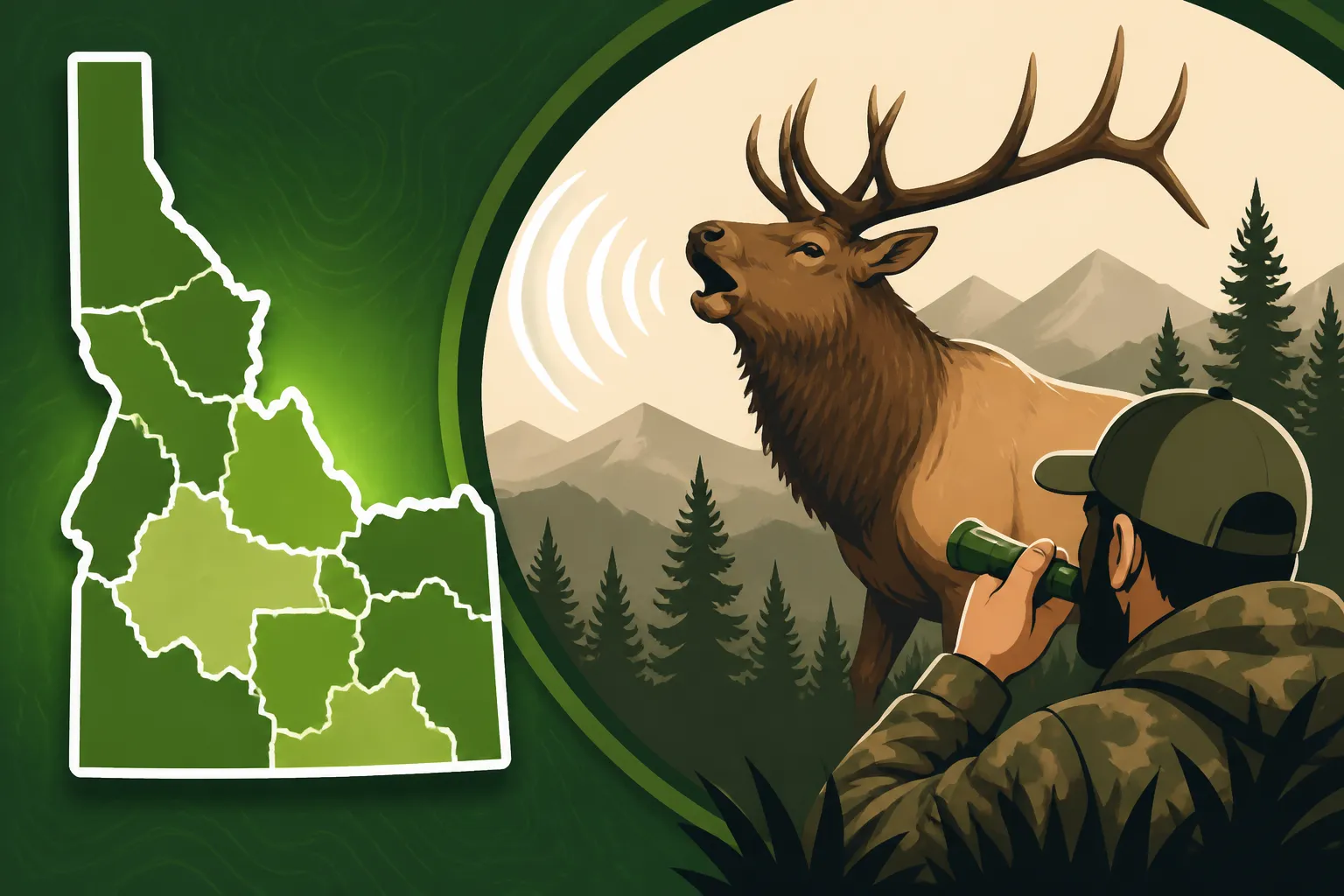
Idaho Fish and Game regulations explicitly state that it is illegal to use any electronic device that produces or amplifies a call or sound to attract or attempt to attract big game animals. This means if you're out there chasing elk, deer, bear, moose, or any other species classified as big game, you absolutely cannot use a device that plays a recorded bugle, a fawn bleat, a bear growl, or anything similar. The intent here is to maintain a level playing field, where the hunter's skill in mimicking natural calls (using mouth calls, diaphragms, or traditional bugle tubes) is what makes the difference, not a pre-recorded sound loop.
Imagine you're nestled in a stand of dark timber, trying to coax a bull elk into range. You've been practicing your cow calls for months, developing that perfect mew and chirp. Now, picture someone else showing up with a smartphone, hitting play on a high-fidelity recording of a bugle sequence that sounds like a herd of angry bulls. It just doesn't feel right, does it? That's precisely the sentiment the regulation aims to protect. The challenge, the skill, and the connection to the animal are diminished when technology takes over the calling aspect.
Distinguishing Big Game from Other Species
One of the biggest sources of confusion for hunters is that the rules for big game are often different from those for predators and varmints. In Idaho, "big game" is a specific classification that includes species like deer (mule deer and whitetail), elk, bear (black bear), moose, bighorn sheep (both Rocky Mountain and California), mountain goat, pronghorn, and even mountain lion and wolf when hunted under big game regulations.
It's crucial to understand this distinction because while you might see electronic calls advertised or used for coyotes, that legality doesn't magically extend to a bull elk. This difference can trip up even experienced hunters who are new to Idaho's specific regulations or who switch between hunting various species. Always, always verify the rules for the specific animal you are pursuing. Relying on general knowledge or assumptions from other states or species is a recipe for an unwelcome encounter with a game warden.
Why the Rules Differ: Big Game vs. Predators and Varmints
The variation in regulations surrounding electronic calls between big game and predators/varmints isn't arbitrary; it's rooted in different management objectives and ethical considerations.
Electronic Calls for Predators and Varmints
For many predators and varmints in Idaho, such as coyotes, foxes, and badgers, electronic calls are perfectly legal and widely used. This is a crucial distinction and often where the confusion for big game hunters arises. Why the difference? For these species, the primary management goals often include population control, reducing depredation on livestock, and providing ample recreational hunting opportunities. The "fair chase" principle, while still respected in a broader sense, isn't applied with the same strictness as it is for trophy big game species.
Hunters targeting coyotes, for example, often employ sophisticated electronic callers like those from FoxPro or Lucky Duck. These devices can produce a vast array of sounds, from rabbit distress to pup barks, effectively luring in predators. They are incredibly effective tools for calling in wary canines across the open sage flats or through timbered draws. Many hunters find resources and information on these practices through platforms like GoHunt, which often details different hunting methods. If you're looking to explore this avenue, check out our detailed guide on "Electronic Calls for Predators and Varmint Hunting".
The "Fair Chase" Principle in Idaho Hunting
The concept of "fair chase" is a cornerstone of ethical hunting, especially for big game. It's an unwritten code that defines what constitutes an honorable pursuit of game, ensuring the animal has a reasonable chance to evade the hunter. Electronic calls for big game are largely seen as violating this principle because they remove a significant element of skill and challenge.
Traditional calling for big game, whether it's rattling antlers for deer, using a bugle tube for elk, or a hand call for bear, requires a deep understanding of animal behavior, vocalizations, and the ability to reproduce those sounds effectively under pressure. It's an art form that takes practice, patience, and often a keen ear. When an electronic device does all the work, it essentially automates this skill, creating what many consider an unfair advantage that undermines the sporting nature of the hunt. This philosophy is deeply ingrained in Idaho's hunting culture and regulations, emphasizing the hunter's connection to the land and the animal through traditional means. It speaks to the broader ethics of hunting and conservation, ensuring that the pursuit remains a challenging and respectful endeavor.
Specific Scenarios and Common Misconceptions
The rule against electronic calls for big game can still feel a bit ambiguous when you consider all the technology we carry into the field these days. Let's tackle some common "what-ifs" and clear up those lingering doubts.
What About Recorded Locator Calls?
This is a frequently asked question, especially among elk hunters. Many wonder, "Can I play a recorded bugle from my phone or a small speaker just to locate elk, not necessarily to call them in for a shot?" The answer, unfortunately, is still no. While your intent might be solely to locate and not to actively lure, the Idaho Fish and Game regulations typically don't differentiate based on intent when it comes to the method of using an electronic device to produce big game sounds. If the device produces the sound of a big game animal, and you're using it in the field while hunting, it falls under the prohibition.
It's a tricky area because hunters are always looking for an edge, and hearing a real-sounding bugle from a device could certainly help pinpoint an animal. However, the rule is designed to be broad to prevent circumvention. The best practice is always to err on the side of caution. For locating elk, rely on your own lungs, a traditional bugle tube, or a cow call, which are all perfectly legal. Mastering the art of "Bugling Against Cow Calling Through September" with traditional calls is a skill that will serve you well and keep you on the right side of the law.
Using Electronic Devices for Navigation and Scouting
Here's where the line becomes clearer: not all electronic devices are illegal for big game hunting. Modern hunting is deeply integrated with technology for navigation, mapping, and scouting, and these tools are generally perfectly fine. GPS units, smartphones running mapping applications, rangefinders, and even trail cameras (within specific regulations) are legal and widely used to enhance safety and efficiency in the field.
The key distinction, as mentioned before, is whether the device is producing or amplifying animal sounds with the intent to attract game. Your Garmin GPS, your phone running a mapping app like GoHunt's incredible suite of tools for "E-Scouting an Idaho Unit Before the Season", or your laser rangefinder are not generating animal sounds, so they don't fall under the ban. These tools are invaluable for everything from tracking your path through rugged terrain to pinpointing public land boundaries, as detailed in guides like "Using onX Layers for Idaho Public Land". They enhance your ability to hunt effectively without interfering with the fair chase principle related to calling.
So, feel free to use your electronic mapping and navigation tools to their fullest. Just make sure those devices aren't playing a symphony of elk bugles when you're out there pursuing big game.
Consequences of Violating Electronic Call Regulations
Ignoring the rules about electronic calls for big game in Idaho isn't just a slap on the wrist; it can lead to serious legal repercussions that can impact your hunting privileges for years to come. No one wants to spend their hard-earned hunting time dealing with fines or legal battles, so understanding the potential consequences is paramount.
Fines, Penalties, and License Revocation
Getting caught using an electronic call for big game in Idaho can result in significant fines. These aren't usually minor tickets; they can range from several hundred to over a thousand dollars, depending on the severity and specific circumstances of the violation. Beyond monetary penalties, game wardens often have the authority to seize any equipment used in the commission of the crime, which could include your electronic call, firearm, bow, or even your vehicle in extreme cases.
Perhaps the most impactful consequence for any hunter is the potential for license suspension or revocation. Idaho Fish and Game takes wildlife violations seriously, and using illegal methods can lead to losing your hunting privileges for a period, sometimes for multiple years, both in Idaho and potentially in other states through interstate compacts. Imagine putting in for those coveted tags, drawing successfully, and then losing the ability to hunt because of a preventable error. It's a devastating outcome that far outweighs any perceived advantage an electronic call might offer. Our article on "Penalties for Breaking the Motorized Rule" gives a broader sense of the types of consequences you might face for various infractions in Idaho.
The Importance of Knowing Your Regulations
The age-old adage, "ignorance of the law is no excuse," holds particularly true in hunting. It's the individual hunter's responsibility to know and understand the current regulations for the season, unit, and species they are pursuing. Regulations can change from year to year, and sometimes even mid-season, so relying on what you thought you knew last year, or what a buddy told you, is a dangerous gamble.
Before heading into the field, make it a habit to thoroughly review the current Idaho Fish and Game Hunting Regulations pamphlet. These are available online on the official Idaho Fish and Game website and often at license vendors. Many hunters also find it helpful to use online resources like the GoHunt platform, which often compiles regulation summaries and provides links to official sources. Taking the time to read through these official documents, especially the sections pertaining to "Methods of Take" and "General Rules," will ensure you're compliant and avoid any unpleasant surprises. Staying informed is the best way to protect your hunting future. For up-to-date information, always refer to "Where the Current Idaho Regulations Are Posted".
Here’s a quick overview of electronic call legality for different game types in Idaho:
| Game Category | Legal Status for Electronic Calls | Common Rationale | Examples |
|---|---|---|---|
| Big Game | ILLEGAL | Fair chase, traditional hunting, ethical considerations | Elk, deer, bear, moose, sheep, goat, pronghorn, mountain lion, wolf (when classified as big game) |
| Predators | LEGAL | Population management, reduce depredation, recreational opportunity | Coyotes, foxes, bobcats, wolves (when classified as predators) |
| Varmints | LEGAL | Population control, recreational opportunity | Badgers, ground squirrels, raccoons |
| Upland Birds | Generally ILLEGAL | Fair chase, traditional methods (check specific rules) | Pheasant, grouse, chukar, quail |
| Waterfowl | LEGAL | Traditional methods (e-callers for ducks/geese common) | Ducks, geese, swans (with specific permits) |
| Electronic Aids | LEGAL (if not producing sounds) | Navigation, scouting, safety | GPS, mapping apps (GoHunt), rangefinders, trail cameras (regulated) |
This table provides a general guideline. Always consult the most current Idaho Fish and Game regulations for precise, up-to-date information on any specific species or hunting method.
In summary, the use of electronic calls for big game in Idaho is strictly prohibited. This regulation is a cornerstone of the state's fair chase principles, ensuring that the pursuit of iconic species like elk and deer remains a challenging and skill-based endeavor. While electronic calls are perfectly legal and effective for predators and varmints, it's crucial for hunters to understand this distinction. By staying informed, adhering to current regulations, and embracing traditional calling methods for big game, you'll ensure a legal, ethical, and ultimately more rewarding hunting experience in Idaho.
Disclaimer
Please remember that hunting regulations are subject to change. While this guide provides comprehensive and current information based on Idaho Fish and Game regulations, it is your responsibility to consult the most recent official Idaho Fish and Game hunting regulations pamphlet or website before planning and executing any hunt. This content is for informational purposes only and should not be considered legal advice.