Donating Meat After a Guided Hunt
You’ve just wrapped up an incredible hunting experience in Idaho, maybe it was a guided elk hunt deep in the backcountry, or perhaps you finally tagged that mule deer buck you’ve been chasing for seasons. The rush is real, the hard work paid off, and now you're standing over your harvested game. But then the logistics hit you: what exactly do you do with all that meat? Especially if you’re far from home, or your freezer is already bursting. This guide is all about navigating the incredibly generous and practical option of donating your game meat after a successful hunt in Idaho.
Why Donating Your Harvested Game Makes So Much Sense
It's a common scenario. You've successfully harvested an animal, and you're feeling a mix of pride, relief, and maybe a little bit of exhaustion. Now comes the hard work of field dressing, packing out, and processing the meat. For many hunters, especially those traveling from out of state or on a guided trip, bringing all that precious game meat home just isn't feasible. That's where donation steps in as a truly wonderful solution.
The Logistics Headache of Transporting Meat
Imagine you've flown into Idaho for an archery elk hunt. You've got your gear, your tag, and a week of vacation. Success! You've taken a beautiful bull. Now, you're looking at potentially hundreds of pounds of boned-out meat. How are you going to get that all the way back to, say, Florida or Pennsylvania? Freezing, coolers, dry ice, checked baggage fees – it can quickly become an expensive and logistical nightmare. Even if you drove, the sheer volume of meat from a large animal like an elk can overwhelm your cooler space and home freezer capacity.
This is a real frustration for many hunters. You don't want any of that hard-earned meat to go to waste, but the thought of trying to transport it all can be daunting. You've put in the effort, honored the animal, and now you want to ensure its bounty provides for others. This is precisely where donation programs shine, offering a seamless way to put that meat to good use without the immense personal logistical burden.
Giving Back to the Community Through Wild Game
Beyond the practicalities, there’s a deep satisfaction in knowing your harvest will feed those in need. Many food banks and charitable organizations across Idaho welcome donations of properly processed wild game meat. It’s a lean, healthy protein source that is often a luxury for families relying on food assistance. By donating, you’re not just solving your own logistical challenge; you’re actively contributing to food security in the local community. It’s a powerful way to extend the impact of your hunt, turning a personal success into a shared benefit. It really embodies the spirit of conservation and ethical hunting, ensuring that every bit of the animal is utilized respectfully. When planning a hunt, especially a guided one, considering donation ahead of time can be a smart move, helping you streamline the end-of-hunt process. Many outfitters, particularly those found through platforms like BookYourHunt, are familiar with local donation options and can often assist with the initial steps.
Idaho's Regulations for Donating Game Meat
When it comes to donating game meat, it's not as simple as just dropping off a bag of venison. Idaho, like every state, has specific rules and regulations to ensure food safety, proper identification of the animal, and adherence to hunting laws. Understanding these requirements is crucial to making a successful and legal donation.
Evidence of Sex and Tagging Requirements
First and foremost, your harvested animal must be legally tagged and reported according to Idaho Fish and Game regulations. This is non-negotiable, whether you’re keeping the meat or donating it. For big game, specific "evidence of sex" requirements often apply, meaning certain parts of the animal must remain naturally attached to the carcass or meat until it reaches final processing, allowing wildlife officials to verify the species, sex, and often the legal kill. This is particularly important for animals like antlered deer or bull elk. If you're planning on donating, communicate this to your game processor. They are generally well-versed in these rules, but it’s always good to be informed yourself. You can find detailed information about these rules in resources like Mandatory Reporting After an Idaho Harvest and Field Dressing and Carcass Transport Rules Explained.
Disease Testing and Carcass Transport Rules
A critical consideration for any hunter in Idaho, and especially when donating meat, is the potential for Chronic Wasting Disease (CWD). Idaho has a robust CWD surveillance program, and depending on where you harvest your animal, there might be specific requirements for CWD testing or restrictions on carcass transport. For example, if you harvest an animal in a CWD management zone, there may be rules about what parts of the carcass can leave that zone. Processors who accept donated game meat will be aware of these CWD protocols, but you, as the hunter, are ultimately responsible for complying with them. Always check the current Idaho Fish and Game regulations for the unit you hunted to understand any CWD-related rules, including specific instructions for sampling. You can learn more about this by researching Carcass Transport Rules After a CWD Detection. Knowing these rules before your hunt, perhaps by using scouting tools like GoHunt, can save you a lot of headaches later.
Approved Facilities and Program Participation
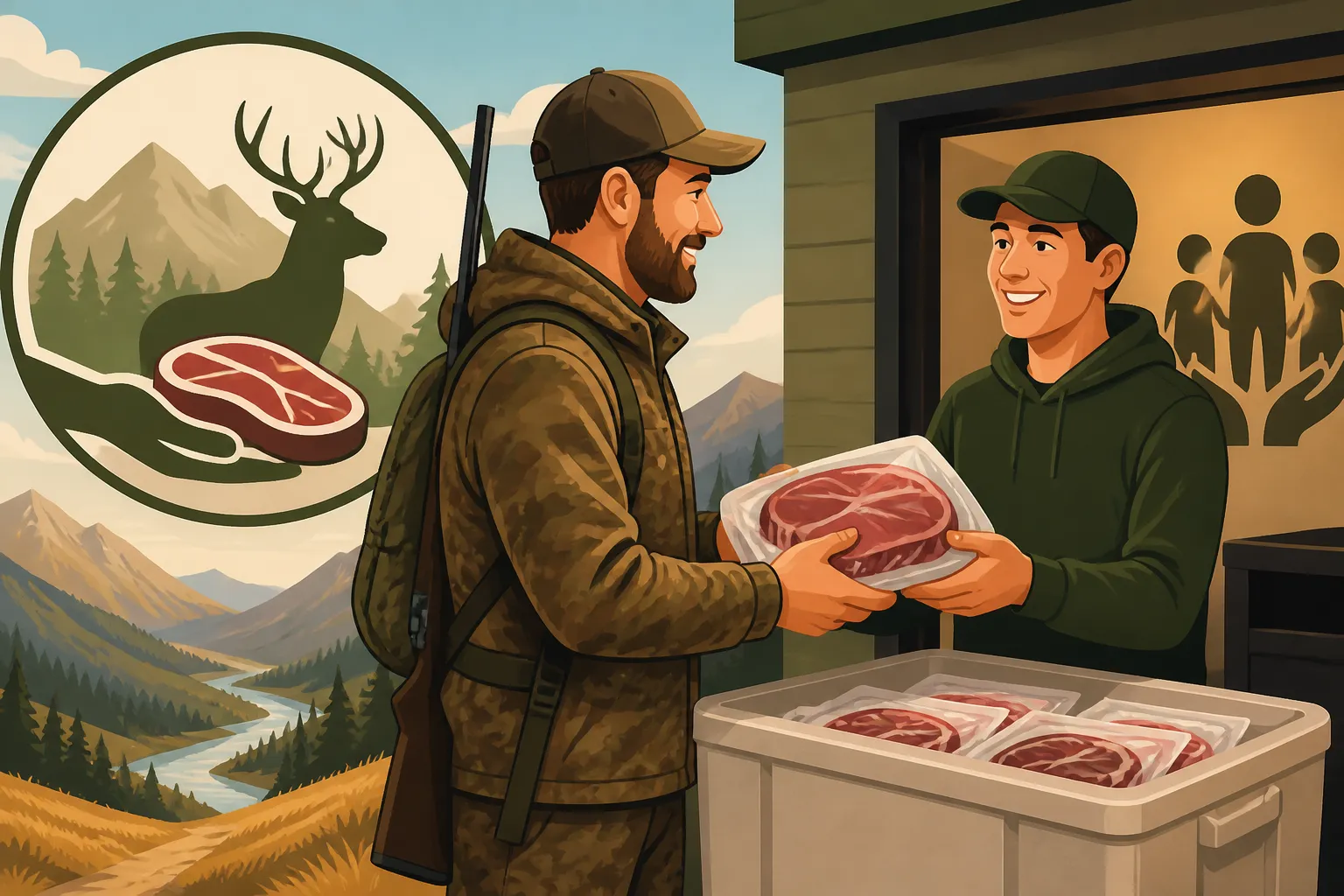
Idaho’s regulations often specify that donated wild game meat must be processed at a licensed facility that participates in an approved game donation program. This ensures that the meat is handled, processed, and stored to food safety standards, making it safe for human consumption by those receiving it through food banks. You can’t just field dress an animal, break it down yourself in your garage, and then drop off a cooler of venison at a soup kitchen. The chain of custody and professional processing is key. This is designed to protect both the donor and the recipient, guaranteeing that the meat is of high quality and meets all necessary health standards. Your processor will typically handle the official transfer to the donation program once they've finished their work.
Finding a Game Processor and Donation Program in Idaho
So, you’ve decided to donate your hard-earned game meat. Great choice! The next step is connecting with the right people and places in Idaho that can facilitate this generous act. It’s usually a two-part process: finding a qualified meat processor and then ensuring that processor can get the meat to an approved donation program.
Identifying Participating Meat Processors
The first critical link in the chain is finding a meat processor willing to handle game animals for donation. Not all processors offer this service, and even fewer participate in programs that specifically route the meat to charities. Your best bet is to start by looking for local meat lockers and butcher shops in the area where you hunted, or along your route out of Idaho. Many processors list on their websites or social media if they accept wild game and if they work with donation programs.
A direct phone call is always the most efficient way to confirm. Ask them:
- Do you process wild game for donation?
- Do you have a relationship with a specific food bank or program?
- What are your requirements for the meat (e.g., must be boned out, specific cooling)?
- What are the costs involved (some processors offer reduced fees for donated meat, others require the hunter to cover the full processing cost)?
You'd be surprised how many small-town processors are proud to be part of this initiative. When planning a trip, especially a guided experience found through services like BookYourHunt, don't hesitate to ask your outfitter for recommendations. They often have established relationships with local processors who can handle your harvest efficiently.
Connecting with Hunters Feeding the Hungry Programs
Many states have "Hunters Feeding the Hungry" or similar programs that serve as central hubs for game meat donation. These programs act as intermediaries, connecting hunters with processors and then distributing the professionally prepared meat to local food banks, shelters, and other charitable organizations. While Idaho has mechanisms for donation, it's often facilitated directly through local processors working with local food banks rather than a single statewide program with a specific name like "Hunters Feeding the Hungry."
However, the spirit is the same. When you talk to a processor, ask them if they participate in any local food assistance initiatives. They can often tell you exactly which food banks they work with and what the process is. These programs are vital, as they ensure the meat reaches those who need it most, providing high-quality, lean protein that might otherwise be unavailable. It’s a truly commendable effort that benefits everyone involved.
Practical Steps for Donating Your Harvested Game
You’ve done the hard work in the field; now let's make sure your donation goes smoothly. The process of donating game meat isn't complex, but it does require attention to detail and clear communication with your chosen processor and any associated donation program.
Field Dressing and Initial Care in the Field
The journey to donation begins the moment your animal is down. Proper field dressing and quick cooling are paramount, especially for larger game like elk or deer. The faster you can get the animal gutted and cooled, the better the meat quality will be. This is crucial whether you're keeping the meat or donating it. Remove the entrails as quickly as possible, and if conditions allow, skin the animal and quarter it to allow for maximum air circulation to cool the meat. In warm weather, packing ice into game bags can literally save your meat. Any processor, whether for your own consumption or donation, will appreciate clean, well-cared-for meat. Poorly handled meat can be rejected, so make sure to review guidelines on Meat Salvage Requirements for Big Game to ensure your efforts are worthwhile.
Communicating with Your Processor
As soon as you have your animal on the ground and have done the initial field dressing, contact your chosen game processor. Let them know you're on your way (or that your outfitter is bringing the meat in), and clearly state that you intend to donate the meat. This advance notice allows them to prepare, understand any specific requests, and advise you on exactly how they need the meat presented. They will also inform you of any costs associated with processing the donated meat, as sometimes the hunter covers these fees, ensuring the charity receives the meat free of charge. This early communication is key to avoiding misunderstandings and ensures the processor knows to route the finished product to a donation program rather than preparing it for your pickup.
Handling Costs and Receipts
While the act of donating meat is selfless, there might still be costs involved. Most processors will charge a fee for their services, even for donated game. This covers their labor, equipment, and packaging. Some "Hunters Feeding the Hungry" type programs or processors might have special arrangements where processing fees are subsidized or waived, but you should always expect to pay for the processing yourself unless explicitly told otherwise.
It’s important to clarify these costs upfront with the processor. Once the processing is complete and the meat is transferred to a food bank, you may be eligible for a tax deduction for the fair market value of the donated meat, often based on the average cost of similar cuts of beef or pork. Be sure to ask the processor or the donation program for a receipt or proper documentation for your tax records. It's a small but meaningful benefit to acknowledge your generosity.
| Step | Action | Key Considerations |
|---|---|---|
| 1. Field Care | Properly field dress and cool the animal immediately after harvest. | Remove entrails, skin if possible, and cool meat quickly to preserve quality. Pack ice if conditions are warm. |
| 2. Research Processors | Find a licensed game processor in Idaho willing to accept donated wild game. | Look for local meat lockers; ask if they partner with food banks or donation programs. Ask your outfitter. |
| 3. Initial Contact | Call the chosen processor as soon as possible after harvest. | Clearly state your intent to donate the meat. Ask about their specific requirements for receiving game and any associated costs. |
| 4. Transport to Processor | Deliver the carcass or boned-out meat to the processor promptly. | Ensure compliance with Idaho's CWD rules and carcass transport guidelines. Meat must be clean and well-cooled. |
| 5. Processing & Donation | The processor will prepare the meat and transfer it to an approved charity. | Confirm who covers processing fees. Get documentation for tax purposes if applicable. |
| 6. Follow-Up (Optional) | You might receive a thank you or a general update from the charity. | This isn't always standard, but it's a nice gesture if offered. |
Donating your game meat is a wonderful way to honor your harvest and give back. It simplifies the logistics for you while providing high-quality, nutritious food to those in need. It's a win-win that truly embodies the ethical hunting tradition.
Disclaimer
This article is for general informational purposes only and does not constitute professional advice. Laws, prices and regulations vary by location and change over time. Consult a qualified professional for guidance on your specific situation.