Booking Agents Against Booking Direct
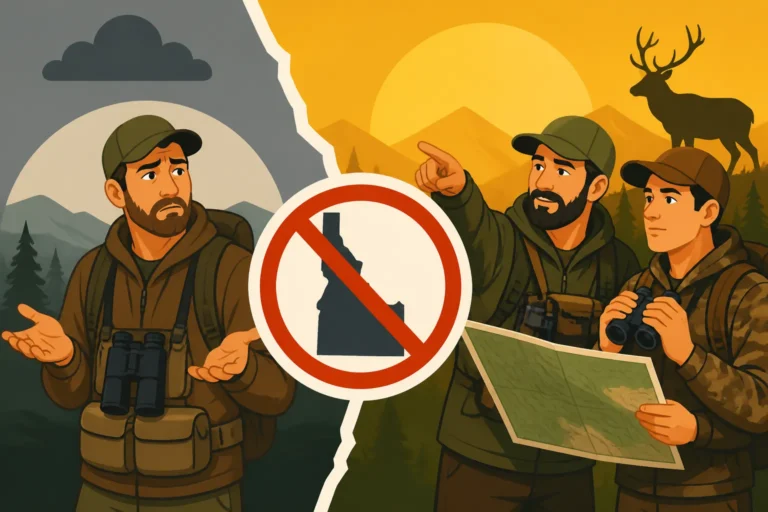
Planning a hunt in Idaho can feel like navigating a dense, tangled forest before you even step foot in the wilderness. One of the biggest initial hurdles many hunters face is deciding how to actually book their trip: do you reach out directly to an outfitter, or do you enlist the help of a booking agent? This guide will cut through the confusion, laying out the practical realities, benefits, and potential pitfalls of each approach so you can make an informed choice for your next Idaho adventure.
The Direct Approach: Going Straight to an Outfitter
When you're dreaming of chasing elk across Idaho's timbered slopes or glassing for mule deer in the high desert, one natural instinct is to simply contact an outfitter directly. This method has been the backbone of the hunting industry for generations, fostering personal connections and giving hunters a direct line to the folks who know the land and the game best.
Why Hunters Choose to Book Direct
There's a certain appeal to going straight to the source. Many hunters value the unfiltered communication and the ability to build a relationship with the outfitter who will actually be guiding their trip. You can talk directly about your expectations, your physical capabilities, and any specific requests you might have without a middleman interpreting the conversation. This direct line can be invaluable, especially when you're trying to gauge the personality of your potential guide or asking very specific questions about the terrain, the expected shot distances, or the outfitter's philosophy on tracking wounded game. It’s also often believed that booking direct might lead to a better price, as you theoretically cut out any agent commissions. While this can sometimes be true, it’s not a universal rule, as many outfitters factor these costs into their pricing regardless of how you book. For some, the opportunity to develop a rapport over the phone or through email even before arriving in camp is a significant part of the overall hunting experience.
Consider a scenario where you're a seasoned archer looking for a very specific type of hunt—say, a September Bugling Elk in Idaho's Timbered Zones hunt with a focus on calling in bulls. By contacting outfitters directly, you can discuss their specific calling strategies, the kind of terrain they operate in, and their success rates for archery elk. You might even discover a smaller, family-run operation that doesn't widely advertise but comes highly recommended by word-of-mouth, offering a more intimate experience. This kind of nuanced detail is often best gleaned through direct, back-and-forth conversations.
The Downsides of Booking Direct
While the direct approach has its perks, it also places a significant burden on you, the hunter. The most immediate challenge is the sheer amount of research involved. You become your own booking agent, responsible for finding reputable outfitters, checking their references, verifying their licenses, and comparing their offerings. Idaho, like any hunting state, has a robust outfitting industry, and sifting through dozens of websites and making countless phone calls can quickly become a full-time job. You'll need to understand how The Idaho Outfitters and Guides Licensing Board Explained works to ensure your chosen outfitter is legitimate and properly insured.
Furthermore, when you book direct, you're only seeing the options presented by that one outfitter. You might be missing out on other fantastic opportunities in different parts of the state or with a different operational style. For instance, if you're set on a specific Idaho Elk Zones and the A Tag or B Tag Choice, you might limit your search to outfitters only operating in that zone, potentially overlooking another outfitter in an adjacent zone with better success rates or a more suitable hunting style for your preferences. Should issues arise—a last-minute cancellation by the outfitter, a discrepancy in services provided versus what was promised, or even just miscommunication—you're solely responsible for resolving these problems directly with the outfitter. There's no intermediary to help mediate or advocate on your behalf, which can add stress to an already high-stakes situation.
The Booking Agent Advantage: Leveraging Third-Party Services
In recent years, the rise of hunting booking agents and online platforms has offered an alternative path for hunters. These services aim to streamline the booking process, providing a curated selection of outfitters and often acting as a bridge between the hunter and the guide.
How Booking Agents Can Simplify Your Search
The primary benefit of a booking agent is the significant reduction in your research time. Agents typically have a network of pre-vetted outfitters they work with, saving you the exhaustive effort of finding and qualifying them yourself. Many agents specialize in certain regions or species, like Idaho elk or mule deer, and can offer insights into Idaho Runs 99 Game Management Units that might be best suited for your hunt. Platforms like BookYourHunt or GoHunt compile listings, reviews, and sometimes even drawing odds information, giving you a centralized hub to explore options.
Imagine you're a first-time Idaho hunter, perhaps a nonresident overwhelmed by the complex tag application process and the vastness of the state. An agent can be invaluable in guiding you through options, explaining the nuances of A Tags Favor Archery and Muzzleloader Hunters versus B Tags Favor the Centerfire Rifle Crowd, and connecting you with an outfitter who can help navigate these complexities. They often have intimate knowledge of what different outfitters offer, from fully guided horseback trips deep into the Frank Church Wilderness and Idaho's Rules to more accessible truck-and-foot hunts. If you're looking for a very specific type of hunt, such as a Mountain Goat Hunting Above Idaho Timberline or a Pronghorn Hunting Is Controlled-Hunt Only in Idaho controlled hunt, an agent might know exactly which outfitters have permits in those limited areas or specialize in those unique experiences. Should an issue arise with your booked hunt, a reputable agent can also act as an intermediary, helping to resolve disputes or, in some cases, rebooking you with another outfitter in their network.
Potential Drawbacks of Using an Agent
While agents offer convenience, there can be trade-offs. One common concern is the potential for a loss of that direct, personal connection with the outfitter. While you'll eventually communicate with your guide, the initial conversations and negotiations often flow through the agent. This can sometimes lead to filtered information or a less personal understanding of the hunt details. Another frequently cited drawback is the cost. Agents typically earn a commission on bookings, which can either be added to the hunt price (paid by you) or absorbed by the outfitter. While some argue that this makes the hunt more expensive, many outfitters simply view agent commissions as a marketing cost, and the price you pay might be the same whether you book direct or through an agent. However, it's always wise to clarify pricing structures.
There's also the potential for bias. An agent might have stronger relationships with certain outfitters or receive higher commissions from them, leading them to subtly steer you towards those options rather than presenting a truly unbiased range of choices. It's crucial to ensure your agent is focused on your needs and preferences, not just filling a quota for a particular outfitter. You might find less flexibility for highly customized requests, as agents often work within established packages offered by their network outfitters. For example, if you want a hybrid hunt with specific days for archery and then rifle hunting during a general season, an agent might have to work harder to find an outfitter willing and able to accommodate such a unique request.
Navigating Idaho Hunts: What This Means for Your Trip
Idaho presents its own unique set of considerations for hunters, and how you choose to book your trip can sometimes play a role in navigating these specifics. From its vast wilderness areas to its draw system, understanding these nuances is key.
Specific Idaho Considerations
Idaho is famous for its vast public lands, including massive wilderness areas like the Frank Church-River of No Return. However, if you're a nonresident planning an elk, moose, sheep, or goat hunt within a designated wilderness area, Idaho law mandates that you must hire a licensed outfitter. This is a crucial regulation that cannot be bypassed. An agent, especially one specializing in Idaho hunts, would be well-versed in this rule and could immediately connect you with outfitters who operate in those wilderness zones. They can explain which specific Which Idaho Hunts Legally Require an Outfitter fall under this rule and help ensure you stay compliant. If you were booking direct, you'd need to be aware of this rule yourself and ensure any outfitter you contact is properly permitted for wilderness operations.
Idaho's draw system is another significant factor. While neither an agent nor direct booking can guarantee you a tag, a good agent might be more adept at understanding Checking Idaho Drawing Odds Before You Apply for specific units or species. They might advise you on applications for controlled hunts, which are often the only way to pursue species like Idaho Moose Is a Controlled Hunt You Wait Years For. Agents often keep track of When Idaho Controlled Hunt Applications Open and deadlines, ensuring you don't miss crucial windows. For specialty hunts—perhaps you're keen on a Muzzleloader Season Dates for Idaho Deer or an archery-only elk hunt—an agent might have a quicker path to finding outfitters who specialize in those weapon types and seasons, matching your preferences with available opportunities.
Vetting Your Choice: Whether Direct or Agent
Regardless of whether you choose to book direct or through an agent, thorough vetting is paramount. Never assume that an outfitter, even one presented by an agent, is automatically the right fit or fully legitimate.
First and foremost, always check references. Ask for a list of recent clients—ideally from the past one to two years—and actually call them. Ask about the quality of the hunt, the guide's demeanor, the camp conditions, and how any unexpected situations were handled. A reliable outfitter or agent will gladly provide these.
Next, verify licensing. If booking direct, make sure the outfitter is currently licensed by the Idaho Outfitters and Guides Licensing Board. You can usually look this up on the board's official website. If using an agent, ask them how they vet their outfitters and if they can confirm licensing. This protects you from unlicensed operations.
Finally, scrutinize the contract. This is where the rubber meets the road. Understand all the terms, including deposit requirements, payment schedules, and crucially, the Reading the Cancellation and Refund Terms. What happens if you can't make the hunt due to an emergency? What if the outfitter cancels? What if you fail to draw a tag for a controlled hunt? Make sure these contingencies are clearly spelled out and that you're comfortable with them before signing anything or sending a deposit. Don't be shy about asking questions and seeking clarification.
Making Your Decision: A Tailored Approach
There's no single "right" way to book a hunt; the best approach depends heavily on your personal preferences, experience level, and the specific hunt you're after.
When Booking Direct Shines
Booking direct truly shines for the experienced hunter who knows exactly what they want and enjoys the deep dive into research. If you've hunted Idaho before, know specific How Idaho Numbers Its Game Management Units or Idaho Elk Zones Explained you want to target, and have a good idea of what makes a reputable outfitter, the direct approach can be very rewarding. It allows you to forge a personal connection with the outfitter, potentially leading to repeat bookings and a long-term hunting relationship. This is particularly appealing to those who view the outfitter as more than just a service provider but as a partner in their hunting endeavors. It also gives you maximum control over the initial conversations and the ability to ask highly personalized questions about everything from Arrow Weight That Gets Through an Elk to Rifle Zero Distance for Canyon Country Shooting. If your budget is a primary concern and you're hoping to avoid any potential agent markups, booking direct might feel like a more transparent path, even if the actual savings aren't always guaranteed.
When an Agent Is Your Best Bet
Conversely, a booking agent is often the best choice for first-time Idaho hunters, those new to guided hunts, or anyone feeling overwhelmed by the sheer volume of information and options. If you're short on time but long on ambition for an Idaho hunt, an agent can be a huge time-saver. They do the legwork, narrowing down choices and presenting you with vetted outfitters that match your criteria. This convenience is a major draw for busy professionals or families.
Agents are also incredibly valuable for complex hunts, especially those involving controlled tags or very specific species like Idaho Moose Is a Controlled Hunt You Wait Years For or unique weapon restrictions. They can help navigate the complexities, connecting you with outfitters who specialize in those niches. For example, if you want to try an Idaho What an Idaho Drop Camp Costs but aren't sure which outfitter offers the best logistics for your party, an agent with broad experience could quickly point you in the right direction. Finally, if you value peace of mind and the security of having an intermediary should unforeseen issues arise, an agent can provide that added layer of support.
Here's a quick comparison to help solidify your thoughts:
| Feature | Booking Direct | Using a Booking Agent |
|---|---|---|
| Research Required | High – you do all the legwork, vetting, and comparison | Low to Moderate – agent provides curated, pre-vetted options |
| Communication | Direct and unfiltered with the outfitter | Often starts through the agent, direct communication usually follows |
| Range of Options | Limited to what you personally find and research for each individual outfitter | Broader access to a network of outfitters and diverse hunt styles (e.g., GoHunt, BookYourHunt) |
| Cost Transparency | Can appear more direct, but outfitter costs often factor in marketing anyway | Agent commission may be included in price; clarify who pays |
| Problem Resolution | Handled directly between you and the outfitter | Agent can act as an intermediary, helping resolve disputes |
| Relationship Focus | Primarily with the outfitter for a long-term connection | Primarily with the agent, who facilitates connections to multiple outfitters |
| Expert Guidance | You rely on your own hunting knowledge and outfitter's responses | Agent offers expertise on regions, outfitters, and specific hunt types |
Ultimately, the choice comes down to how much time you have, how much control you want over the research process, and whether you value the convenience and advocacy a third party can provide. Both methods can lead to incredible Idaho hunting experiences, but understanding their differences will help you choose the path that best suits your needs for the adventure ahead.
Disclaimer
This article is for general informational purposes only and does not constitute professional advice. Laws, prices and regulations vary by location and change over time. Consult a qualified professional for guidance on your specific situation.