The Minimum Client Age Outfitters Set
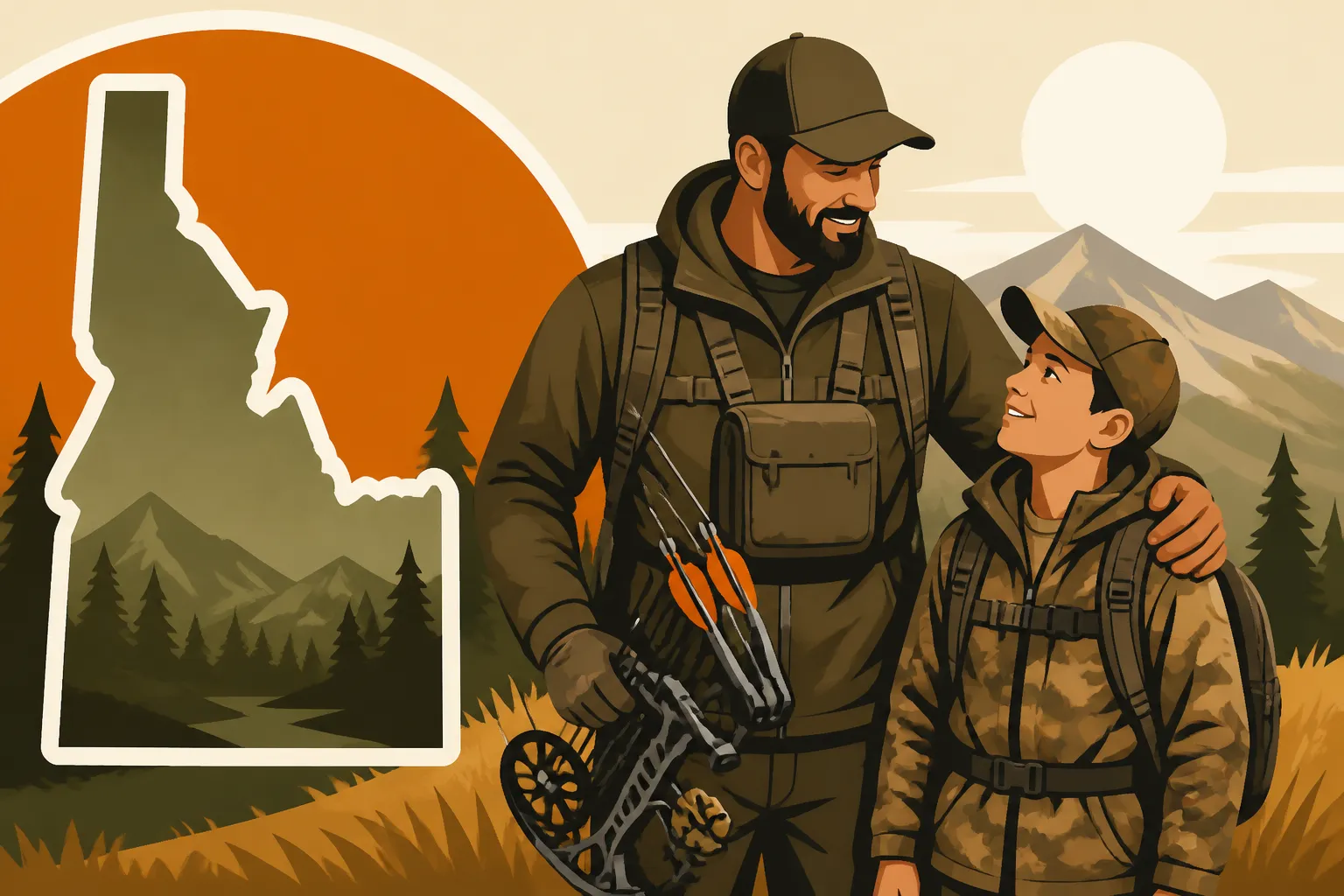
Bringing a younger hunter along on an Idaho adventure can create lifelong memories, but it's completely understandable to wonder if outfitters have specific age limits for their clients. It’s a common frustration for families planning a big trip: you don't want to get all excited, only to find out your child isn't old enough to join. This guide will help you understand the various factors that influence outfitter age policies and how to plan a successful hunting trip for the whole family in Idaho.
Why Outfitters Set Minimum Client Age Requirements
Outfitters aren't just trying to make things difficult; their age requirements often stem from a combination of safety, liability, and the practicalities of ensuring a quality experience for every paying client. The wild places of Idaho can be demanding, and what might be an exhilarating challenge for an adult could be overwhelming or even dangerous for a child who isn't physically or mentally ready.
Safety Considerations in Idaho's Rugged Terrain
Idaho's hunting grounds are renowned for their rugged beauty and challenging landscapes, from steep timbered mountains to vast, sage-covered breaks. A guided hunt often involves long days in the field, sometimes far from easy access, with unpredictable weather and demanding physical activity. Whether it's traversing slick, muddy trails, climbing steep hillsides, or enduring hours in a treestand, there's a significant physical component to most hunts.
Outfitters must consider the safety of everyone in their camp and guiding team. A younger, less experienced, or less physically capable hunter could pose a safety risk to themselves or others. This isn't just about avoiding accidents with firearms or bows, but also about the ability to keep up with the group, handle extreme weather, or react appropriately in unexpected situations, such as encountering dangerous wildlife or needing to make a quick decision during a stalk. The wilderness doesn't care about age; it demands readiness.
Legal and Regulatory Frameworks
While Idaho law specifies minimum ages for hunters to participate in certain activities, it doesn't generally dictate a specific minimum age for outfitter clients directly. However, state hunting regulations certainly influence an outfitter's policies. For example, Idaho has a Minimum Age to Hunt Big Game in Idaho which is often 10 years old, with strict supervision rules for those under 10. If an outfitter is taking clients out for elk or deer, they must adhere to these state laws.
Beyond the baseline, outfitters often set their own, higher age minimums based on the specific type of hunt they offer and their insurance requirements. A 10-year-old might legally hunt big game with proper supervision, but an outfitter might decide that a 12-year-old or even a 14-year-old is the minimum for their particular backcountry rifle elk hunt, simply because of the inherent demands of that specific trip. They have to balance legal compliance with practical safety and client experience expectations.
Ensuring a Quality Experience for All Clients
Think about it from the outfitter's perspective: they are running a business that promises a high-quality hunting experience. This means ensuring that everyone on the trip has the best possible chance at success and enjoys their time. If one client, particularly a younger one, struggles with the physical demands, gets easily fatigued, or becomes bored during long hours of glassing, it can impact the entire group's dynamics.
Other clients who have paid a significant sum for their dream hunt might become frustrated if the pace is constantly slowed, or if the guide's attention is disproportionately diverted. Outfitters want positive word-of-mouth and return clients, so they need to set expectations that allow them to deliver on their promises. Establishing a minimum age, especially for more strenuous or focused hunts, helps them manage these expectations and ensure a smoother, more successful experience for everyone involved.
Common Age Thresholds and What They Mean
There isn't a universal age minimum across all Idaho outfitters or all types of hunts. What one outfitter considers acceptable for a youth hunter might be completely different for another, largely depending on the style and intensity of the hunt being offered.
Typical Minimum Ages for Guided Hunts
For many guided big game hunts—like deer or elk in a general season—you'll often find outfitters looking for clients who are at least 12 to 14 years old. This age range often aligns with a child's increasing physical stamina, mental maturity, and ability to grasp complex safety instructions and hunting ethics. It's also typically past the legal minimum for hunting big game in Idaho on their own (once hunter education is completed).
However, these are general guidelines, not strict rules. Some outfitters may have lower age minimums for less physically demanding hunts, like a pheasant or waterfowl outing, where the focus is more on camaraderie and less on arduous trekking. Conversely, a highly demanding backcountry mule deer hunt might push that minimum even higher, perhaps to 16 or 18, given the extreme physical and mental resilience required. The best approach is always to check directly with the specific outfitter you're considering.
Variances Based on Hunt Type and Physical Demands
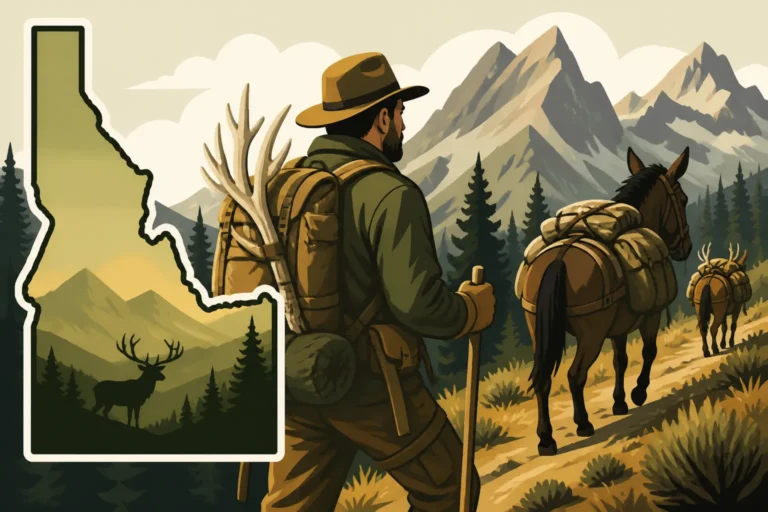
The type of hunt plays a huge role in an outfitter's age policy. Imagine the difference between sitting in a warm duck blind on the Snake River versus a seven-day horseback elk hunt deep in the Frank Church Wilderness. The physical requirements are vastly different. For hunts involving horses, for instance, outfitters will often have a minimum age (and sometimes a weight limit) to ensure the client has enough horsemanship ability to manage themselves safely. You might find some outfitters requiring 12 or even 14 years old for rigorous horseback trips, ensuring riders can handle the demands of the saddle for hours on end, navigate uneven terrain, and respond calmly if a horse spooks. This ties into the general Horsemanship Requirements for Idaho Guides who often assess clients' riding skills.
A spot-and-stalk archery hunt for elk in steep timbered country, requiring long hikes, early mornings, and late nights, might necessitate a higher minimum age than a black bear hunt over bait where clients are mostly stationary. The more physically and mentally demanding the hunt, the higher the minimum age tends to be. If an outfitter specializes in high-altitude, pack-in hunts, they're likely going to prioritize clients (of any age) who can demonstrate the necessary fitness and endurance, which often means an older, more developed individual.
Special Considerations for Youth Hunts and Mentored Programs
Some Idaho outfitters actually specialize in youth hunts, creating experiences specifically designed to introduce younger hunters to the outdoors. These hunts often have more relaxed minimum ages, sometimes down to the legal minimum for hunting with supervision. These outfitters understand that patience, education, and adapting the hunt to the child's pace are paramount. They might offer shorter days, less strenuous hikes, and a stronger emphasis on learning and enjoying the experience rather than solely focusing on harvesting an animal.
Idaho's The Idaho Hunting Passport and Who Qualifies is a fantastic program that allows new hunters, including youth, to try hunting with a mentor without first completing hunter education. Outfitters who participate in or design hunts around this program are often more attuned to welcoming younger, less experienced clients. When considering an outfitter for a youth hunter, it's worth asking if they offer Youth Hunt Discounts Some Outfitters Offer or if they have specific youth-focused packages that accommodate these learning opportunities. These trips typically include dedicated guidance and a strong emphasis on responsible hunting practices, making them ideal for a child's first hunting experience.
How to Find Out an Outfitter's Age Policy
Navigating the world of outfitters and their specific requirements can feel like a maze, but there are clear steps you can take to get the information you need, especially regarding age policies. Being proactive and direct in your communication is key.
Checking Outfitter Websites and Brochures
The first place to start your research is usually the outfitter's official website or their promotional brochures. Many reputable Idaho outfitters will clearly state their minimum age requirements, especially for their more challenging big game hunts. Look for sections on "FAQs," "Hunt Details," "Client Expectations," or "Physical Requirements." If they cater specifically to youth or family hunts, they'll often highlight that too.
However, sometimes the information isn't immediately obvious or might be tucked away in the fine print. Don't assume that if it's not listed, there are no age restrictions. It's simply the first step in gathering information, and often requires follow-up. Using resources like GoHunt for initial research into specific units or hunt types can sometimes give you a general idea of the physical demands of an area, which in turn might hint at the kind of client an outfitter in that area would target.
Direct Communication with the Outfitter
The most reliable way to understand an outfitter's age policy is to pick up the phone or send an email and ask them directly. When you call, be prepared with specific questions. Don't just ask, "Do you take kids?" Instead, ask: "What is your minimum age for a guided elk hunt in Unit X?" or "My son is 13 and has completed hunter education; would he be able to join your deer hunt?"
It's also crucial to be completely upfront about your child's physical condition, hunting experience, and maturity level. Explain their previous outdoor experiences, how they handle long days, and their ability to follow instructions. A good outfitter will appreciate your honesty and will likely engage in a conversation to assess if their hunt is a good fit. They might even have flexibility for a mature, experienced young hunter. This direct conversation is also a great time to ask Questions Worth Asking Before You Book to ensure alignment on all aspects of the trip.
Utilizing Booking Platforms and Forums
Online booking platforms and hunting forums can also be valuable resources. Websites like BookYourHunt often list multiple outfitters with their various offerings. While specific age policies might not always be front and center on these platforms, you can use their search filters or contact forms to inquire. Some platforms might even have client reviews that mention experiences with younger hunters, which can provide anecdotal evidence.
Hunting forums and online communities dedicated to Idaho hunting can also be a goldmine. You can post a question asking for recommendations for youth-friendly outfitters or inquire about specific outfitters' reputations regarding younger clients. Just remember to take forum advice with a grain of salt and always verify information directly with the outfitter before making any commitments. These platforms are excellent for gathering a broad range of opinions and narrowing down your options before direct contact.
Preparing a Younger Hunter for a Guided Trip
Once you've found an outfitter with an age policy that works for your family, the real work begins: preparing your younger hunter for the adventure of a lifetime. A guided hunt, especially in Idaho's demanding terrain, is no small undertaking, and proper preparation is essential for both success and enjoyment.
Physical and Mental Conditioning
Hunting in Idaho can be incredibly physically demanding. A multi-day guided hunt often means long hours of hiking over uneven, steep terrain, sometimes at high altitudes. Your young hunter needs to be physically conditioned for this. Start a fitness regimen well in advance: regular hikes, walks, and general outdoor activity are crucial. Focus on building stamina and leg strength.
Beyond the physical, mental conditioning is equally important. Hunting can involve early mornings, cold weather, long periods of quiet waiting, and the emotional roller coaster of seeing and then possibly missing an animal, or not seeing one at all. Prepare your child for these realities. Talk about patience, resilience, and the understanding that success is never guaranteed. Setting realistic expectations is vital to prevent disappointment and ensure they appreciate the entire experience, not just the harvest. Discussing potential challenges like altitude sickness if hunting high up, or simply being away from home comforts, can also help them mentally prepare.
Hunter Education and Safety
Even if Idaho's mentored hunting program allows a child to hunt without hunter education under strict supervision, it is highly recommended that any young hunter participating in a guided trip complete a hunter education course. This foundational knowledge covers firearm safety, wildlife identification, shot placement, ethics, and survival skills. Not only does it demonstrate responsibility to the outfitter, but it also instills critical safety habits that could be life-saving. Remember, The Idaho Hunter Education Birth Year Cutoff means almost everyone needs this certification eventually.
Practice safe firearm or bow handling extensively before the trip. Ensure your child is comfortable and proficient with their chosen weapon. Emphasize the four rules of firearm safety repeatedly, and practice drawing, aiming, and dry-firing in a safe environment. A guided hunt means working closely with a guide and other clients, and everyone's safety depends on each individual's adherence to strict safety protocols. This preparation will not only make your child safer but also boost their confidence in the field.
Essential Gear for Younger Hunters
Having the right gear is paramount for comfort, safety, and success, especially for younger hunters who might be more sensitive to discomfort. Invest in good quality layering systems appropriate for Idaho's often unpredictable weather. This includes moisture-wicking base layers, insulating mid-layers, and waterproof/windproof outer shells. Ill-fitting or inadequate clothing can quickly lead to misery and even hypothermia.
Proper footwear is also critical. Quality, broken-in hiking boots that offer ankle support and good traction are a must for navigating Idaho's terrain. Don't forget a comfortable, properly fitting backpack that your child can carry throughout the day with their water, snacks, and extra layers. Headlamps, gloves, a warm hat, and appropriate optics (binoculars are a great learning tool) should also be on the checklist. A well-prepared young hunter with comfortable, functional gear is far more likely to enjoy the experience and focus on the hunt.
Here's a quick comparison of factors influencing outfitter age policies:
| Hunt Type | Typical Physical Demand | Typical Age Range (Outfitter) | Key Considerations |
|---|---|---|---|
| Backcountry Elk (Pack-in) | Very High | 14+ (often 16+) | Stamina, altitude, mental toughness, horse experience |
| Rifle Deer (Road Access) | Moderate to High | 12+ | Patience, basic fitness, shooting proficiency |
| Archery Elk (Spot & Stalk) | High | 14+ | Stamina, stealth, patience, bow proficiency |
| Black Bear (Baited) | Low to Moderate | 10+ | Patience, ability to sit still, basic safety |
| Waterfowl/Upland Bird | Low | 8-10+ (with supervision) | Dog etiquette, gun safety, attention span |
| Horseback Hunts | Moderate to High | 12+ | Riding ability, comfort in saddle for long periods |
Remember, bringing a younger hunter on an Idaho guided hunt can be an incredibly rewarding experience. By understanding the outfitters' considerations, doing your homework, and preparing your child thoroughly, you can set the stage for a memorable and successful adventure.
Disclaimer
This article is for general informational purposes only and does not constitute professional advice. Laws, prices and regulations vary by location and change over time. Consult a qualified professional for guidance on your specific situation.