How Idaho Spike Camp Arrangements Work
Heading out into Idaho’s vast backcountry for a hunt is a dream for so many of us, but the reality of carrying everything you need for days, sometimes weeks, can feel absolutely overwhelming. Setting up a spike camp allows you to push deeper, stay longer, and immerse yourself truly in the wild, without the daily trek back to a distant base camp. This guide will walk you through what an Idaho spike camp entails, how to plan for one, and what to expect when you commit to this rugged style of hunting.
What Exactly Is an Idaho Spike Camp?
When you hear "spike camp" in Idaho, it's not some fancy glamping setup; it’s a commitment to efficiency, minimalism, and getting closer to the game. It's about shedding the excess and embracing the essentials to maximize your time in prime hunting territory.
Defining a Spike Camp vs. Base Camp
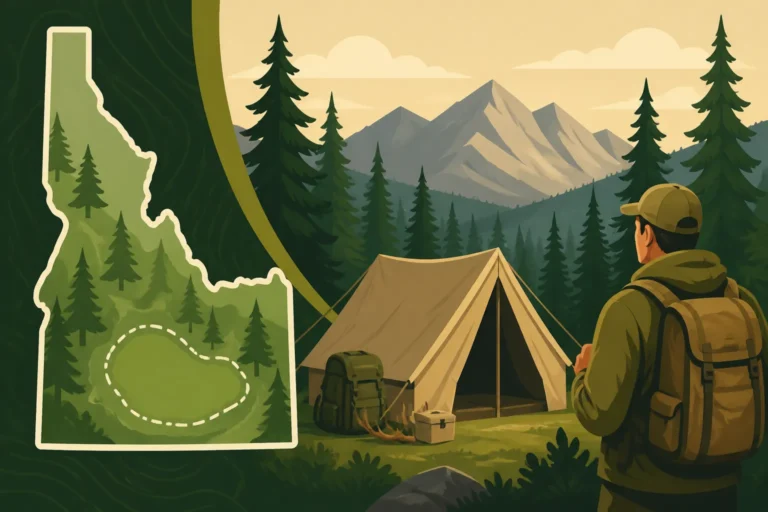
At its core, a spike camp is a temporary, lightweight camp established away from your main base camp. Think of your base camp as your home base—it's where your truck is parked, where you might have a larger tent, a more robust cooking setup, and perhaps a comfortable cot. It's often relatively accessible, maybe a short hike or drive from a trailhead.
A spike camp, on the other hand, is your mobile forward operating base. It's typically located deep in the backcountry, often several miles or even a day's hike from your base camp or trailhead. The gear is minimal, designed to keep you warm, dry, and fed for a few nights while you actively hunt an area. You're not bringing a cooler full of ice or a propane stove; you're bringing a small stove, dehydrated meals, and enough water filtration to last. The entire purpose is to cut down on daily travel time to and from your hunting grounds, allowing you to be in the action at first and last light without a strenuous daily commute.
Why Hunters Choose a Spike Camp
The primary reason hunters opt for a spike camp is simple: access and efficiency. Idaho's rugged mountains and vast wilderness areas hold some incredible animals, but they often live far from roads and easily accessible campsites. By establishing a spike camp, you can literally cut hours of hiking out of your daily routine. Imagine hiking five miles in before daylight, hunting all day, and then turning right around for another five-mile hike back to your truck. That's exhausting and eats into precious hunting time.
With a spike camp, you hike in once, set up, and then your daily commute might only be a mile or two from your tent to your hunting ridge. This strategy allows you to cover more ground, spend more time glassing or stalking, and be present during those crucial low-light hours when big game animals are most active. It’s about increasing your odds by increasing your presence where the animals are, and often, that's far off the beaten path. It also gives you a deeper sense of immersion in the hunt, truly living in the wilderness for a few days.
Common Gear for a Barebones Spike Camp
Packing for a spike camp is an art form. Every ounce counts, and multi-use items are king. Your shelter will likely be a lightweight backpacking tent, a small tarp, or even a bivy sack, chosen for its minimal weight and compact size rather than luxurious space. Sleeping systems usually involve a lightweight sleeping bag rated for the expected temperatures and an inflatable sleeping pad to provide insulation and comfort from the cold ground.
Cooking gear is pared down to the absolute essentials: a small, efficient backpacking stove, a single pot, and perhaps a titanium mug. Dehydrated or freeze-dried meals are the norm, supplemented with high-calorie snacks like nuts, jerky, and energy bars. Water filtration is critical; carrying all your water is usually impossible, so a reliable filter or purification tablets are non-negotiable. Don't forget a first-aid kit, navigation tools (GPS, map, compass), a headlamp, and proper rain gear. Your hunting essentials—optics, weapon, knife—will, of course, be with you. The idea is to bring just enough to survive and hunt effectively, shedding anything that adds unnecessary weight or bulk.
Logistics of Setting Up a Spike Camp
The success of your Idaho spike camp hinges on meticulous planning. You can't just throw some gear in a pack and wander off into the wilderness. Knowing how you'll get there, where you'll set up, and how you'll minimize your footprint are all critical.
Pack-In Methods to Your Spike Location
How you get to your chosen spike camp location will largely dictate what you can bring. For many, it's afoot, with a heavy backpack laden with all the essentials. This requires significant physical conditioning, especially when navigating Idaho's steep, rugged terrain. If you're planning a DIY walk-in hunt, make sure you've spent plenty of time getting ready; consider reading Physical Conditioning for Idaho Backcountry.
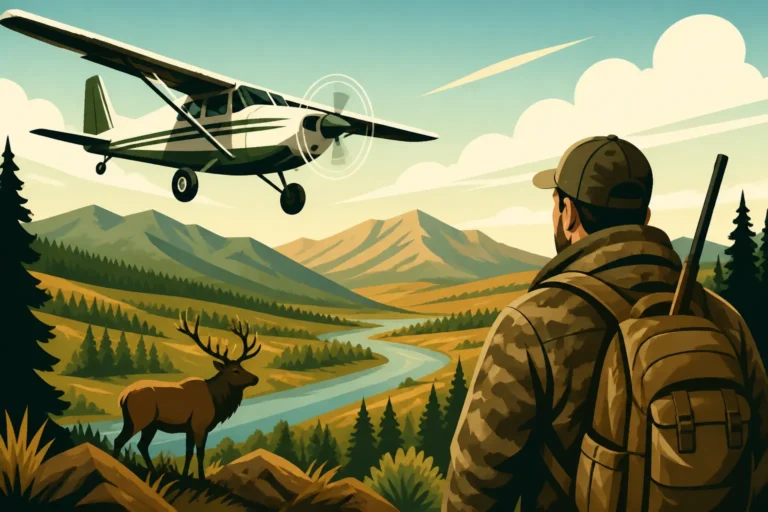
Another popular option, especially for accessing more remote areas or carrying slightly more gear, is using horses or mules. Some hunters own their own pack stock, while others might arrange for a horse packer to shuttle their gear in. This can be a huge advantage for covering long distances with heavy loads. Where legal and accessible, ATVs or UTVs might be used for the initial approach to a trailhead, but remember Idaho's Motorized Hunting Rule Keeps You on the Road and prohibits driving off established routes. For the truly remote, some outfitters offer services to fly hunters and their gear into backcountry airstrips, opening up vast tracts of wilderness that are otherwise extremely difficult to reach.
Choosing the Right Location
Selecting the perfect spike camp location is a strategic decision that can make or break your hunt. You’re looking for a spot that offers a balance of concealment, comfort, and proximity to game. First, consider water. Access to a reliable water source—a spring, creek, or snowmelt—is paramount. Hauling water significantly adds to your pack weight and can be a daily chore if your source is distant. Next, think about cover. You want protection from the elements, whether that's dense timber for windbreaks or a rock outcropping for shelter from rain. Concealment is also important; you don’t want your camp to spook game, nor do you want it to be easily spotted by other hunters.
Elevation plays a role too. Do you want to be high for better glassing, or lower down near bedding areas or migration corridors? Consider your target species. Are you after elk in the dark timber or mule deer on the open breaks? The terrain features that funnel game, like saddles, benches, or natural travel routes, are often prime areas to set up. Before you even leave home, use mapping tools like those on GoHunt or the Idaho Hunt Planner Is the Tool to Start With to scout potential locations remotely, looking for these key features, water sources, and natural shelters. Remember to consider wind direction and thermals when setting up, as you don't want your scent blowing into prime hunting areas. Thinking about Reading Terrain Before You Pick a Camp is crucial here.
Minimizing Your Impact on the Idaho Wild
When you’re deep in the Idaho backcountry, practicing Leave No Trace principles isn't just a suggestion; it's a responsibility. This means planning ahead and preparing, traveling and camping on durable surfaces, disposing of waste properly, leaving what you find, minimizing campfire impacts, respecting wildlife, and being considerate of other visitors.
For a spike camp, this translates to packing out everything you pack in—including all your trash, food scraps, and even human waste (often with a WAG bag system, especially in fragile alpine environments). Choose durable surfaces like established campsites, rock, or dry ground for your tent. Avoid sensitive areas like meadows or stream banks. If you have a fire, keep it small, use existing fire rings, and ensure it's dead out before you leave. The goal is that no one should know you were there after you've packed up and left, preserving Idaho's wild places for future generations.
Outfitter-Assisted Spike Camp Services
For those who want the spike camp experience but lack the extensive gear or expertise for a full DIY venture, or simply want to lighten the load, many Idaho outfitters offer various levels of support. This can bridge the gap between a fully guided hunt and a completely self-sufficient expedition.
What Outfitters Provide for Spike Camps
An outfitter-supported spike camp can range from a basic gear drop to a fully pre-set camp. At the simpler end, an outfitter might pack your gear in on horses or mules to a pre-arranged spot, leave it for you, and then return on a specified date to pack you and your harvest out. This significantly reduces your physical burden and allows you to bring a bit more comfort item-wise than if you were packing it all on your back.
Other outfitters might set up a more robust spike camp for you, complete with a wall tent, a small wood stove, cots, and perhaps even some basic cooking supplies. They'll drop you off, and you'll manage the hunting, cooking, and daily camp life. This still gives you the self-sufficiency of a DIY hunt but removes the considerable logistical challenge of establishing a comfortable camp in a remote area. When you're researching potential outfitters for these kinds of services, platforms like BookYourHunt can be a great starting point to explore options and read reviews.
The Difference Between Drop Camps and Spike Camps with an Outfitter
It’s important to understand the nuance between a "drop camp" and a "spike camp" when working with an outfitter, as the terms can sometimes be used interchangeably but often imply different levels of service and mobility. A traditional "drop camp" arranged by an outfitter is typically a more established, semi-permanent camp set up for you in a pre-determined location. Think of it as a comfortable base camp that's been dropped into the backcountry. It often includes larger tents, a more comprehensive cooking setup, and sometimes even a designated camp helper. These are detailed further in Drop Camps in Idaho's Backcountry and The Logistics of a Horseback Drop Camp.
A "spike camp" service from an outfitter, however, generally implies something even lighter and more flexible. While an outfitter might pack your gear into a spike camp location, the expectation is often that you will manage the setup of your small tent and minimalist gear. The outfitter's role is more about transportation and logistics, allowing you to be highly mobile and move your "spike" setup if the game moves or your hunting strategy changes. It's about empowering you to hunt independently from a remote, light footprint camp.
Benefits and Drawbacks of an Outfitter-Supported Spike Camp
The benefits of an outfitter-supported spike camp are considerable. Foremost is the reduction of physical exertion. Hauling a heavy pack several miles into steep country is no small feat, and having your gear packed in can save your energy for the hunt itself. You can also bring more comfortable items, like a larger sleeping pad or a few extra changes of clothes, without feeling every ounce on your back. It opens up more remote areas to hunters who might not have the physical capacity or the pack stock to reach them otherwise. Plus, outfitters often have invaluable knowledge of the terrain and game patterns, which they can share when dropping you off.
However, there are definite drawbacks, the most significant being cost. These services come with a price tag, which can vary wildly depending on the remoteness, the amount of gear, and the duration of the service. You're also on their schedule for drop-off and pickup, which means less flexibility if your plans change due to weather or early success. It's crucial to thoroughly vet any outfitter you consider. Ask questions about their experience, success rates, and what their prices leave out, as often things like tags, meat processing, and tips are not included. Make sure you get a clear understanding of their Gear List Your Outfitter Will Send and what services are explicitly covered in your agreement.
Essential Considerations for a Successful Spike Camp Hunt
A spike camp hunt in Idaho is an adventure, but it demands careful attention to detail and a healthy respect for the wild. Your preparedness directly impacts your safety and success.
Physical and Mental Preparedness
Going deep into the Idaho backcountry for a spike camp hunt is not for the faint of heart. It requires a significant level of physical fitness. You'll be hiking for miles, often with a heavy pack, up and down steep inclines, at elevations that might challenge your lungs. Training for months beforehand with weighted pack hikes, cardiovascular exercise, and strength training is not just advisable; it's essential for both enjoyment and safety. Consider training specifically for Physical Conditioning for Idaho Backcountry to get a realistic idea of the demands.
Beyond the physical, mental toughness is paramount. You’ll be far from civilization, often out of cell service, and exposed to whatever weather Idaho throws at you. There will be cold, wet, hungry moments. There will be times of doubt and loneliness. Being mentally prepared to push through discomfort, stay positive, and maintain focus on your hunting goals is critical. Resilience, problem-solving skills, and a realistic expectation of the challenges will serve you well. Knowing that you're prepared for potential bear encounters, including carrying bear spray, is also a part of that mental readiness, especially in units where Grizzly Identification for Idaho Bear Hunters is a concern.
Food, Water, and Shelter
These three pillars are the foundation of any successful spike camp. For food, prioritize high-calorie, lightweight, and easy-to-prepare options. Dehydrated meals are popular, but supplement them with energy bars, jerky, nuts, and instant coffee or tea. Plan your meals carefully, accounting for the energy you'll expend.
Water is life. Never underestimate the importance of reliable water access and purification. Carry enough water for your immediate needs, but rely on a good filter, purification tablets, or a UV purifier for ongoing supply. Know your water sources before you go—not all creeks or springs are perennial.
Your shelter must be appropriate for the season and elevation. A lightweight, three- or four-season backpacking tent is usually ideal, providing protection from wind, rain, and snow. Ensure your sleeping bag is rated for temperatures well below what you expect, as mountain nights can drop unexpectedly. A good sleeping pad is crucial not just for comfort but for insulation from the cold ground, preventing hypothermia. Pack extra layers of clothing, especially wool or synthetics, and keep a dedicated set of dry sleeping clothes that never leave your sleeping bag.
Emergency Preparedness and Communication
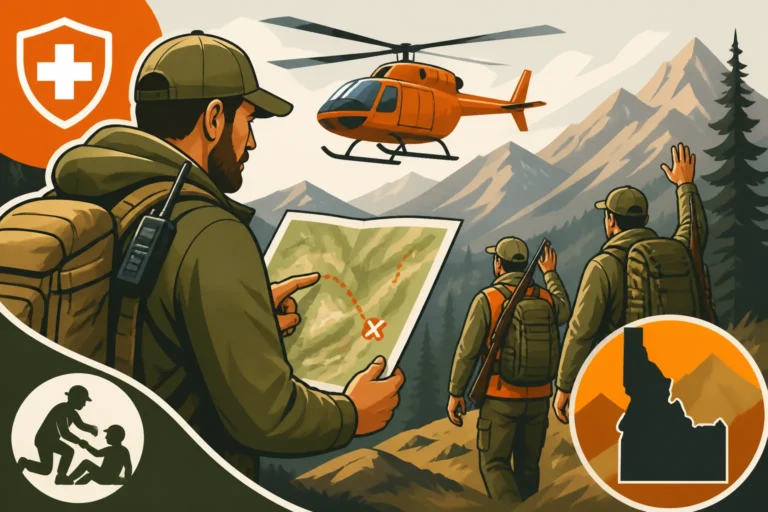
Being isolated in the backcountry means you are your own first responder. A comprehensive first-aid kit is non-negotiable, tailored to potential hunting injuries, cuts, blisters, and general ailments. Know how to use everything in it. Carry a personal locator beacon (PLB) or a satellite messenger like a Garmin inReach or Zoleo. Cell service is unreliable, if not non-existent, in much of Idaho’s hunting country. Devices for Satellite Communication From a Backcountry Camp are essential for emergencies and can provide peace of mind for loved ones at home.
Beyond physical items, always tell someone your exact hunt plan, including your route, spike camp location, expected return date, and a contingency plan. Check the weather forecast meticulously before you go and understand that mountain weather can change dramatically in minutes. Be prepared to hunker down if a storm rolls in. Knowing what to do in case of an injury or getting lost could be the difference between a bad day and a tragic one.
Field Care and Game Retrieval from a Spike Camp
A successful hunt doesn’t end with pulling the trigger or releasing an arrow; it begins a whole new set of challenges, especially from a spike camp. You'll need to know how to field dress and quarter your animal efficiently and cleanly. Pack a sharp knife, game bags, and perhaps a small gambrel. Keeping the meat cool is paramount, particularly in warmer early seasons. Spreading meat out on game bags in the shade, allowing air circulation, and getting it off the ground are critical steps.
Retrieval is often the most demanding part. From a spike camp, you're likely miles from your vehicle, possibly with significant elevation changes. You’ll be making multiple trips with heavy packs of meat. Having a strong, lightweight frame pack designed for hauling meat is essential. Consider reading Packing an Elk Out of Steep Country Alone for some brutal but realistic expectations. If you’ve arranged for an outfitter to pack out your harvest, confirm the exact pickup location and timing. This is where your communication device comes in handy to coordinate. Always remember Idaho's The Meat Salvage Requirements for Big Game, ensuring you take all edible portions.
| Feature | Traditional Base Camp | Spike Camp |
|---|---|---|
| Location | Near vehicle access, trailheads, or established campsites. | Remote backcountry, miles from vehicle access or base camp. |
| Accessibility | Easily reachable by vehicle or short, easy hike. | Requires significant hike, pack stock, or special transport. |
| Comfort Level | Larger tents, more amenities, more gear, greater comfort. | Minimalist, barebones shelter, essential gear, less comfort. |
| Gear Weight | Less concern about individual item weight; more provisions. | Every ounce counts; lightweight, multi-use items preferred. |
| Daily Hunting | Longer daily commutes to hunting grounds. | Direct access to hunting grounds, reduced daily travel. |
| Duration | Often for the entire hunt season or extended periods. | Typically 2-4 nights, requiring re-supply or return to base. |
| Logistics | Simpler, less complex resupply and game retrieval. | Complex planning for water, food, waste, and game retrieval. |
| Cost | Potentially lower for DIY; higher for full-service outfitter. | Can be higher if utilizing outfitter pack-in/out services. |
| Physical Demands | Moderate to high, depending on daily hunt plan. | Very high, especially for self-supported pack-ins and pack-outs. |
Disclaimer
This article is for general informational purposes only and does not constitute professional advice. Laws, prices and regulations vary by location and change over time. Consult a qualified professional for guidance on your specific situation.