Meat Processing and Shipping Costs After a Hunt
You've just wrapped up an incredible Idaho hunt, maybe you've taken down that bull elk you've dreamed about for years, or perhaps a great mule deer buck from the high desert breaks. The hard work of the stalk, the shot, and the initial field dressing is done. But a common, yet often overlooked, frustration sets in for many hunters, especially nonresidents: what happens after the animal is on the ground? The journey isn't over when the tag is punched; this guide will walk you through the real costs and logistics involved in meat processing and shipping your hard-earned game back home.
Understanding the Reality of Post-Harvest Costs
It’s easy to get caught up in the excitement of the hunt itself, focusing on gear, tags, and travel. However, many hunters, particularly those coming from out of state, are blindsided by the additional financial and logistical challenges that arise once an animal is on the ground. This isn't just about bagging your game; it's about preserving and transporting it properly, which comes with its own set of expenses and considerations.
Beyond the Tag: Why Processing and Shipping Matter
Let's face it, hunting isn't cheap. You've invested in your license, your tag, travel, lodging, and perhaps even an outfitter. But the moment you harvest an animal, a whole new layer of costs begins. You can't just throw a quartered elk into the back of your rental car and drive cross-country without a plan. Proper processing ensures that your hard-earned meat doesn't spoil, maximizing the incredible organic protein you've worked so hard for. Shipping, on the other hand, is the bridge that gets that valuable meat from a small Idaho town butcher shop all the way to your home freezer, often hundreds or thousands of miles away. Ignoring these critical steps means potentially wasting a significant portion of your harvest, which is something no ethical hunter ever wants. It's about respecting the animal and your effort.
The Unexpected Sticker Shock for First-Timers
For many first-time Western hunters, especially those from areas with different hunting cultures or closer to home, the costs associated with processing and shipping can be a real shock. You might have budgeted for your tag and rifle, but did you factor in several hundred dollars for butchering an elk, plus potentially another few hundred, or even a thousand, for shipping frozen meat across state lines? These aren't small figures, and they can easily add 10-20% to the total cost of your trip if you're not prepared. It's not uncommon for hunters to call local processors only to discover a full schedule or prices that far exceed what they anticipated. The key here is proactive planning, just like you'd plan your stalk or shooting lanes. Knowing these costs upfront allows you to save accordingly and avoid that dreaded moment of opening your wallet wider than you expected. When you're asking Questions Worth Asking Before You Book your hunt, processing and shipping should definitely be on that list.
Breaking Down Meat Processing Expenses in Idaho
Once you've successfully field dressed your animal and gotten it out of the backcountry—a feat in itself, especially if you're Packing an Elk Out of Steep Country Alone—the next step is professional processing. While some dedicated hunters might choose to do their own butchering, for most, a local meat processor is the practical and often necessary choice.
Butcher Shop Services: From Field to Freezer
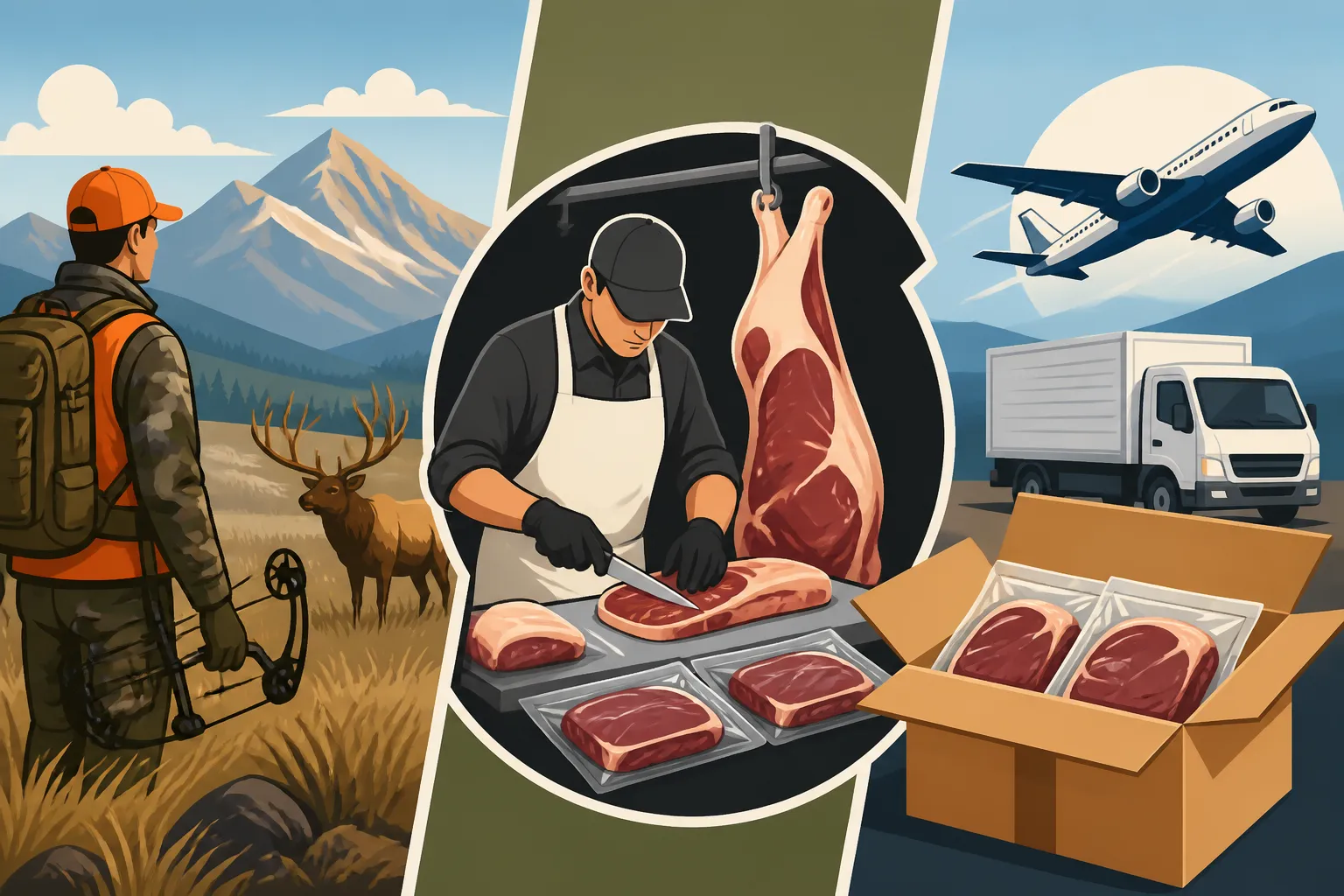
Most butcher shops in Idaho that cater to game animals offer a range of services. The basic package usually includes skinning, caping for shoulder mounts if desired, cutting the meat into steaks, roasts, and stew meat, and then grinding the remaining trim into hamburger. They'll vacuum seal or double-wrap the cuts, label them, and then freeze them solid. This comprehensive service ensures that your meat is handled hygienically and packaged for long-term storage.
The cost for these basic services varies widely depending on the species and the size of the animal. An elk will naturally cost more than a deer, simply due to the sheer volume of meat and the labor involved. Always call ahead to get current pricing and to ensure the processor has availability, especially during peak hunting seasons. Some small-town processors get absolutely swamped, and you don't want to be left with a valuable carcass and no one to process it. Remember the Field Dressing and Carcass Transport Rules Explained are essential to ensure your meat is even accepted by a processor.
Specialty Cuts and Sausage Making
Beyond the standard cuts, many Idaho processors offer specialty services that can add a fantastic dimension to your wild game. This might include turning some of your ground meat into various types of sausage, like breakfast sausage, Italian sausage, or even bratwurst. They often have options for adding pork or beef fat to achieve the desired texture and flavor profile. Another popular option is jerky or pepperoni sticks, which are perfect for snacks or gifts.
These specialty items come with an additional cost, usually per pound. While they can increase your overall processing bill, many hunters find them well worth the investment for the unique culinary experiences they provide. Imagine having homemade elk pepperoni from your very own Idaho bull! Just be clear with the butcher about what you want and understand the pricing structure for each specialty item. This is definitely one of those things What an Idaho Outfitter Prices Almost Never Include, so budget for it separately.
Caping and Antler Prep for Taxidermy
If you're lucky enough to harvest a trophy animal and plan on getting a shoulder mount or European skull mount, the processor can often handle the initial caping and antler preparation. Caping is the careful removal of the hide from the neck and shoulder area, preserving it for the taxidermist. Antler prep usually involves cleaning the skull cap for a shoulder mount or boiling and bleaching the entire skull for a European mount.
These services are typically an add-on cost to the basic processing fee. It's crucial to communicate your taxidermy plans clearly with the processor. They can provide initial care, but you'll still need to arrange for the hide and antlers to be transported to your chosen taxidermist, which might be back home or a local Idaho artisan. Shipping antlers and capes has its own set of challenges and costs, which we'll touch on later. It's a distinct process from shipping the meat, and knowing this can help you budget for Shipping Capes and Antlers Home separately.
Navigating Game Meat Shipping Options
Once your meat is professionally processed and frozen solid, the next hurdle is getting it home. This is where many nonresident hunters face their biggest logistical and financial challenge.
Shipping Fresh vs. Frozen Game
There's a critical distinction to make: you should only ship game meat that has been professionally processed and thoroughly frozen. Attempting to ship fresh or partially chilled meat is a recipe for disaster. The risk of spoilage, even with expedited shipping, is incredibly high, and the potential health implications are severe. Frozen meat, especially if packed correctly, can withstand transit times much better.
When planning your hunt, consider how long the meat will need to stay frozen. If you’re driving, a high-quality cooler with dry ice can keep meat frozen for several days. For flying or commercial shipping, rock-solid freezing is non-negotiable. Some processors will hold your frozen meat for a short period, giving you time to arrange shipping or travel, but always confirm their policies and any associated storage fees.
Professional Game Meat Shipping Services
For most nonresident hunters, using a professional game meat shipping service is the most reliable option. These services specialize in transporting perishable goods, often using insulated containers and expedited freight. They understand the intricacies of interstate game transport regulations and work to ensure your meat arrives safely and frozen. Major freight companies can handle this, and some small businesses specifically cater to hunters.
The cost of these services can be substantial, often ranging from several hundred to over a thousand dollars for a large animal like an elk, depending on the weight of the meat and the distance it needs to travel. These services often operate on specific schedules or pick-up days, so it’s vital to coordinate with your processor and the shipping company well in advance of your departure. Some outfitters, like those you might find on BookYourHunt, will have local recommendations or even help facilitate this process as part of their services. Researching these options before you leave home will save you a lot of stress and potential headaches.
DIY Transport Considerations
If you're driving home, especially from a successful hunt, you have the option of transporting the meat yourself. This requires proper planning and equipment. You'll need large, high-quality coolers—think Yeti, RTIC, or similar heavy-duty brands—and plenty of dry ice. Dry ice is essential because it keeps things much colder than regular ice and sublimates (turns directly into gas) rather than melting into water, which can ruin packaging.
When packing, make sure the meat is completely frozen before it goes into the coolers. Place a layer of cardboard or newspaper between the dry ice and the meat to prevent "freezer burn" from direct contact. Pack the coolers as full as possible to minimize air space, which helps maintain temperature. For a multi-day drive, plan stops where you can replenish dry ice supplies. Remember, a full elk can yield over 200 pounds of boned-out meat, requiring multiple large coolers and careful packing. Consider the weight limits of your vehicle and if you're taking advantage of services from an outfitter, discuss the logistics of getting the processed meat from the processor to your vehicle, especially if you booked a The Logistics of a Horseback Drop Camp or similar remote experience.
Budgeting for Your Post-Hunt Logistics
Ignoring post-harvest costs is a rookie mistake that can turn the joy of a successful hunt into a financial burden. Proactive budgeting and communication are your best allies.
Creating a Realistic Financial Plan
When you budget for your Idaho hunting trip, don't just stop at the tags and licenses. Add a dedicated line item for "Post-Harvest Costs." Estimate a realistic amount for meat processing, considering the species you're targeting and whether you'll want specialty cuts. Then, research shipping costs from your hunt area to your home. You can often get quotes from shipping companies based on estimated weight and distance.
| Item | Estimated Cost Range (Deer) | Estimated Cost Range (Elk) | Notes |
|---|---|---|---|
| Basic Processing | Check Processor for Current Rates | Check Processor for Current Rates | Includes skinning, cutting, wrapping, freezing |
| Specialty Sausage/Jerky | Additional Cost per lb | Additional Cost per lb | Price depends on ingredients (e.g., added pork fat) |
| Caping/Antler Prep | Small Fee | Small Fee | For taxidermy; separate from shipping antlers |
| Total Processing | Varies by Processor | Varies by Processor | Always call ahead for quotes |
| Insulated Shipping Boxes | Typically included in freight cost or separate | Typically included in freight cost or separate | High-quality containers are essential |
| Commercial Freight Shipping | Check Carrier for Current Rates | Check Carrier for Current Rates | Dependent on weight, distance, and speed |
| Dry Ice (for DIY transport) | A few dollars per lb | A few dollars per lb | Needed for multi-day drives |
| Extra Coolers (for DIY) | Varies by quality | Varies by quality | If you don't own them already |
| Total Shipping/Transport | Varies by Method | Varies by Method | Plan for potential hundreds of dollars |
Keep in mind that these are estimates. Contacting specific processors and shipping companies in the Idaho region you plan to hunt in, even months beforehand, will give you the most accurate figures. Sites like GoHunt, while primarily focused on drawing odds and unit research, can sometimes lead you to community forums where hunters share processor recommendations and cost insights. Also, remember that The Average Cost of a Guided Idaho Elk Hunt is a significant investment already, and these post-harvest costs add to it.
The Importance of Communication with Your Outfitter or Processor
Communication is absolutely paramount. Before you even head out, talk to your outfitter (if you're using one) about their experience with local processors and shipping options. They often have established relationships and can offer invaluable advice or even facilitate arrangements. Ask if they have a preferred processor or if they've heard of services that hunters have had good experiences with.
Once you have an animal down, contact the processor as soon as possible. Let them know what you have, its approximate size, and your expected drop-off time. This helps them manage their workload and ensures they're ready for your game. Be clear about your cutting instructions, what specialty items you want, and your plans for shipping or pick-up. A little communication upfront can prevent misunderstandings and ensure your meat is handled exactly as you wish.
Hidden Costs to Watch Out For
Beyond the obvious processing and shipping fees, there are a few "hidden" costs that can creep up:
- Storage Fees: If you can't pick up your meat immediately or arrange shipping quickly, some processors charge a daily or weekly storage fee for frozen game. This is usually nominal but can add up.
- Expedited Shipping Premiums: If you're short on time or have a tight travel schedule, you might need to pay extra for faster shipping, which can significantly increase the cost.
- Packaging Upgrades: Some shipping companies might recommend or require specific, more robust packaging materials for large shipments, which could be an additional fee.
- Permits or Inspections: While rare for personal consumption, be aware that some states have specific regulations about importing game meat. It's always a good idea to check your home state's game and fish department rules to avoid any issues upon arrival.
- Meat Salvage Requirements: In Idaho, it's illegal to waste game meat. Understanding the Meat Salvage Requirements for Big Game means ensuring all edible portions are taken, which translates to more meat to process and potentially more cost. However, the alternative is illegal and unethical.
- Donation: If you find yourself with more meat than you can handle, or if shipping costs become prohibitive for a portion of your harvest, remember you can always explore Donating Game Meat After an Idaho Hunt to local food banks or charities, which could alleviate some of your personal processing and shipping burden.
By anticipating these potential costs and planning accordingly, you can ensure that the conclusion of your Idaho hunting adventure is as rewarding and stress-free as the hunt itself.
Disclaimer
This article is for general informational purposes only and does not constitute professional advice. Laws, prices and regulations vary by location and change over time. Consult a qualified professional for guidance on your specific situation.