What a Guided Idaho Mule Deer Hunt Costs
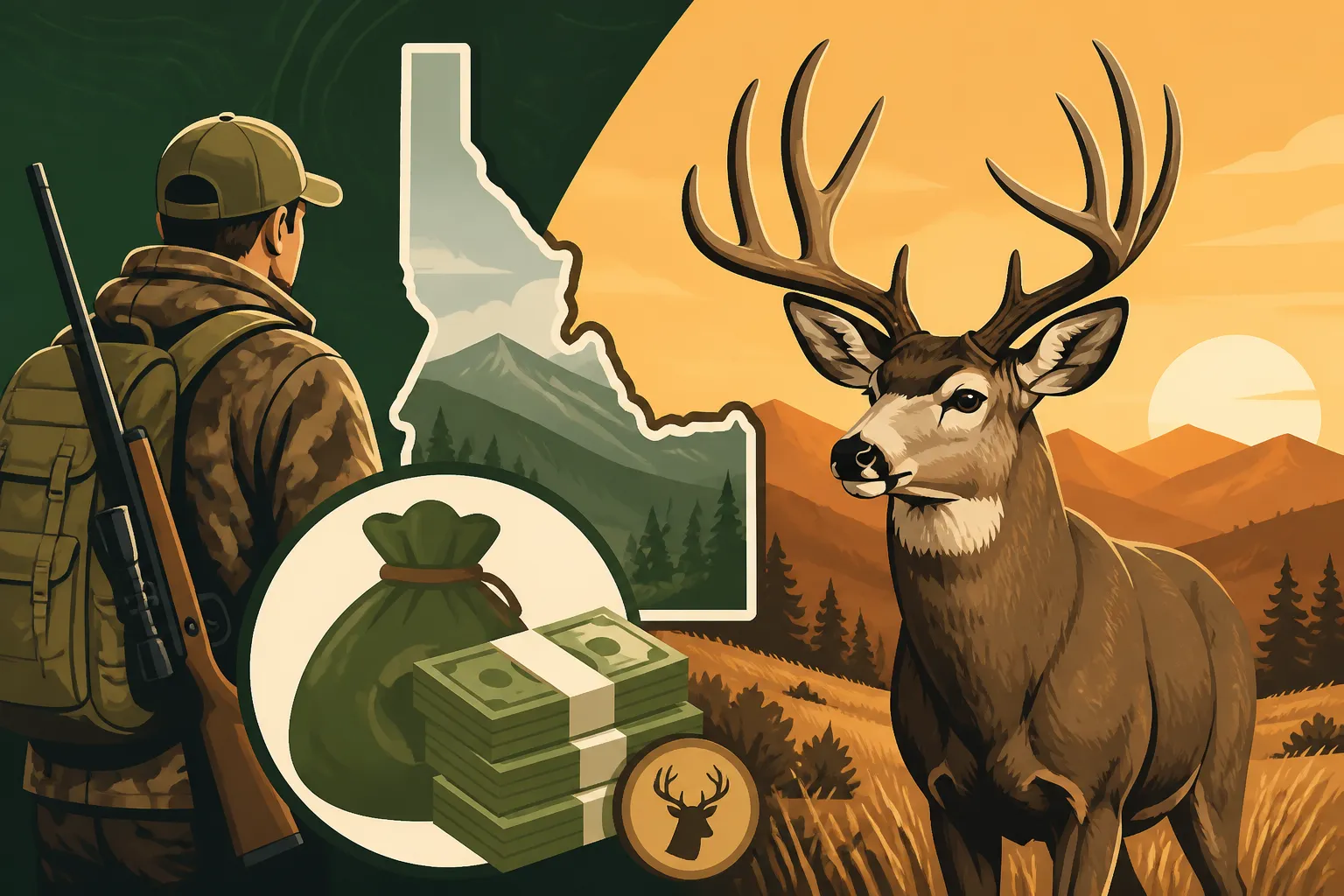
Dreaming of a guided mule deer hunt in the rugged, breathtaking landscape of Idaho? It's a truly incredible experience, but let's be honest, the first thing many of us wonder is, "What's this going to set me back?" Figuring out the true cost can feel like trying to hit a moving target, especially with so many variables. This guide is here to help you understand the real shape of a guided Idaho mule deer hunt's price tag, breaking down what influences the cost and what you can expect your money to cover.
The Core Investment: What Shapes a Guided Mule Deer Hunt's Price Tag
When you start looking at guided hunts for Mule Deer Across Idaho's High Desert and Breaks, it's easy to see prices that vary wildly. This isn't just random; a multitude of factors contribute to the overall investment you'll make. Understanding these elements can help you align your expectations with your budget and find the experience that's right for you.
Hunt Duration and Guide-to-Hunter Ratios
One of the most significant drivers of a guided hunt's cost is simply how long you're in the field and how much personalized attention you receive. A standard mule deer hunt might run anywhere from five to seven full days of hunting. Longer trips, naturally, require more resources from the outfitter—more meals, more lodging, more guide time, and more wear and tear on equipment.
The guide-to-hunter ratio also plays a critical role. If you opt for a 1:1 guide-to-hunter ratio, where it's just you and your guide, you're getting undivided attention. This often translates to more strategic stalks, faster decision-making, and a highly personalized experience, but it comes at a premium. Conversely, a 2:1 ratio, where two hunters share one guide, might reduce your individual cost somewhat, but you'll need to coordinate efforts and perhaps compromise on individual stalk opportunities. For instance, imagine glassing a big buck across a canyon. With a 1:1 guide, the focus is entirely on getting you into position. With a 2:1, the guide is balancing the needs and abilities of two hunters, which might mean a different approach or a longer wait. It's a trade-off between cost and personalized service.
Location, Terrain, and Logistical Complexity
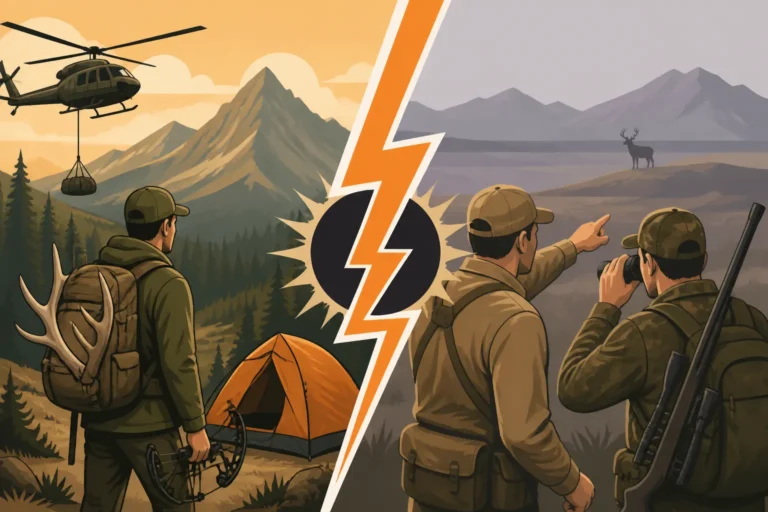
Idaho is a vast state, and where you choose to hunt mule deer dramatically impacts the logistical challenges and, by extension, the price. An outfitter operating in a more accessible unit, perhaps one with established roads leading close to prime hunting areas, will have lower operational costs for things like fuel and transportation. They might use trucks or ATVs to get you closer to the action, making for a less strenuous hunt but potentially in more pressured areas. Keep in mind that Idaho's Motorized Hunting Rule Runs August Into December dictates where these vehicles can go.
However, many of Idaho's trophy mule deer bucks call remote, rugged backcountry home. Accessing these areas often requires horses, mules, or even bush planes to fly into primitive airstrips. A true wilderness pack-in hunt means multiple days' worth of supplies, heavy-duty pack animals, and seasoned wranglers to get you and your gear miles deep into roadless country. This dramatically increases the outfitter's expenses for feed, tack, specialized equipment, and the sheer human effort involved in moving a camp. The more remote and challenging the terrain, the higher the cost of the hunt will be, as the outfitter is shouldering a much greater logistical burden to put you in those special places.
Outfitter Reputation, Experience, and Camp Amenities
Just like in any service industry, the reputation and experience of an outfitter factor heavily into their pricing structure. An outfitter with decades of successful hunts, a proven track record of ethical practices, and a history of putting clients on quality animals will command a higher price. They've invested years in learning the land, understanding mule deer behavior, and building a loyal, expert guiding team. This isn't just about a name; it's about the assurance of a well-run operation. It's wise to consider Outfitter Success Rates on Mule Deer when making your choice.
Furthermore, the style of camp and amenities provided can range from spartan to luxurious. A basic spike camp, consisting of durable wall tents, cots, and perhaps a wood stove, focuses solely on functionality in the backcountry. On the other end of the spectrum, some outfitters offer comfortable lodges, gourmet meals, hot showers, and even wifi access. While these creature comforts can make for a more pleasant overall experience, they also add significantly to the overhead costs that are passed on to the hunter. It's crucial to decide what level of comfort is important to you versus what's simply a bonus, and how that aligns with your budget.
Beyond the Base Price: Hidden and Expected Expenses
When you see a price quote for a guided hunt, it's critical to understand that this is almost never the total cost of your adventure. There are several other significant expenses you'll need to budget for, which can collectively add a substantial amount to your overall investment. Failing to account for these can lead to unpleasant surprises.
Licenses, Tags, and Application Fees
This is perhaps the biggest "hidden" cost because it's entirely separate from the outfitter's fee. To hunt mule deer in Idaho, you'll need to purchase a hunting license and a specific mule deer tag. For nonresidents, these fees can be substantial. Idaho also uses a draw system for many of its desirable tags, meaning you'll pay an application fee just to enter the drawing, whether you're successful or not. If you do draw, you then have to purchase the tag itself.
It’s easy to overlook these costs when focused on the outfitter’s price, but they are absolutely mandatory. Make sure you fully understand the Total Cost of a Nonresident Idaho Deer Hunt by checking the current Idaho Fish and Game regulations. Additionally, be acutely aware of the application deadlines and draw results calendar, as many outfitters book their hunts around these dates. Missing a deadline for your tag can derail your entire trip, even if you’ve already paid a deposit to an outfitter. Understanding the Booking Around the Idaho Draw Calendar is paramount.
Travel, Gear, and Personal Incidentals
Getting to Idaho, especially for nonresidents, involves significant travel expenses. This could include flights to airports like Boise (BOI) or Spokane (GEG), followed by a rental car to reach the outfitter's meeting point. Fuel costs for driving around the state can also add up, particularly if you're exploring on your own before or after the hunt. You might also need to budget for hotel stays before and after the hunt, depending on flight schedules or the distance to the outfitter's base camp.
Beyond travel, your personal hunting gear represents another substantial investment. While an outfitter provides the guiding service, lodging, and meals, you're responsible for your rifle or bow, ammunition, optics (binoculars, spotting scope), and all your clothing layers. Idaho weather can be famously unpredictable, swinging from warm and sunny to cold, wet, and snowy in a single day, especially in the mountains. Quality rain gear, insulating layers, sturdy boots, and a reliable pack are essential. Don't underestimate the physical demands; strong Physical Conditioning for Idaho Backcountry is often key to success, and appropriate gear supports that effort. These aren't just minor purchases; they are critical investments in your comfort, safety, and success.
Post-Harvest Processing, Shipping, and Gratuities
Let’s say you’re successful – congratulations! Now, what happens to your mule deer? The outfitter will typically assist with field dressing and getting the animal back to camp or a roadhead. However, beyond that, you're usually responsible for the costs of professional meat processing (unless you plan to do it yourself), taxidermy for a trophy, and shipping costs if you live out of state. These services can add hundreds, if not thousands, of dollars to your total bill, especially if you're shipping a large volume of meat or a full shoulder mount across the country.
Then there are gratuities. Tipping your guide and other camp staff (cooks, wranglers) is customary and expected in the hunting industry, much like in a restaurant or any other service field. This isn't just a nicety; for many guides, tips are a significant part of their income. A general rule of thumb is to budget 10-20% of the hunt's base cost for gratuities, depending on the service quality and your guide's effort. For example, on a $5,000 hunt, a tip could range from $500 to $1,000. It's an important part of showing appreciation for hard work and dedication.
Weighing Your Options: Different Guided Hunt Styles
Not all guided hunts are created equal, and understanding the different service levels can help you find a hunt that fits both your budget and your desire for independence. Each style offers a different balance of outfitter support and hunter responsibility, directly impacting the overall cost.
Fully Guided: The All-Inclusive Experience
A fully guided hunt is often what people envision when they think of hiring an outfitter. This experience is designed to be as hands-off for the hunter as possible, allowing you to focus almost entirely on the hunt itself. Typically, a fully guided mule deer hunt includes:
- Dedicated Guide Services: Your guide will scout the area, help you locate game, plan stalks, field dress your animal, and assist with retrieval. This is their primary job.
- Lodging: This can range from comfortable wall tents in a backcountry camp to a rustic lodge or cabin with beds, heat, and sometimes even hot water.
- Meals: All your meals are typically provided, from hearty breakfasts to packed lunches in the field and delicious dinners in camp.
- In-Field Transportation: Whether it's horseback, ATV, or truck, the outfitter will handle getting you to and from hunting areas.
- Initial Game Care: Field dressing, caping, and packing the animal out of the field are usually part of the service.
The primary advantage of a fully guided hunt is the convenience and expertise. You benefit from the outfitter's deep knowledge of the area, their equipment, and their experience tracking and calling mule deer. It minimizes your logistical headaches and maximizes your hunting time. However, this level of comprehensive service naturally comes with the highest price tag, reflecting the extensive resources and labor involved.
Semi-Guided and Drop Camps: More Involvement, Lower Cost
If you're looking to reduce your overall expenses or desire a more hands-on hunting experience, semi-guided hunts and drop camps offer excellent alternatives to a fully guided trip.
Semi-Guided Hunts: These bridge the gap between fully guided and a pure DIY hunt. With a semi-guided hunt, the outfitter provides significant logistical support and advice, but you take on more of the actual hunting duties. This might include:
- Pre-Scouted Areas: The outfitter shows you promising hunting spots, points out migration routes, or directs you to areas known to hold bucks.
- Camp and Logistics: They provide the camp (often a comfortable wall tent setup), meals, and transportation to the general hunting area.
- Reduced Direct Guiding: You might hunt independently or with your hunting partners during the day, making your own stalks and decisions. The guide might check in periodically or be available for assistance with game retrieval.
This option works well for experienced hunters who are confident in their own hunting abilities but want the advantage of local knowledge and camp support without the expense of a dedicated guide at their side every moment.
Drop Camps: These are the most budget-friendly guided option, ideal for hunters who want to immerse themselves fully in the backcountry experience but need help getting deep into remote areas. As the name suggests, the outfitter "drops" you and your gear off at a pre-arranged camp, then picks you up at the end of your hunt. A typical drop camp might include:
- Transportation: Horseback or ATV pack-in to a designated campsite.
- Camp Setup: The outfitter provides a basic camp (tents, cooking gear, cots) that is already set up and ready for your arrival.
- Game Retrieval: Sometimes, the outfitter will retrieve your downed animal from a pre-determined location, but this varies significantly, so clarify upfront.
You are entirely responsible for your own hunting, cooking, and daily camp operations. It’s essentially a DIY hunt with a crucial logistical assist. This dramatically cuts costs but requires a much higher level of self-sufficiency, wilderness skills, and physical fitness. For a deeper dive into these specifics, read about What an Idaho Drop Camp Costs.
Here's a simple comparison of the three common hunt styles:
| Hunt Style | Guide Involvement | Hunter Responsibility | Typical Inclusions | Cost Implication |
|---|---|---|---|---|
| Fully Guided | High (1:1 or 2:1 ratio) | Low (focus on hunting) | Guide, lodging, meals, transport, game care | Highest |
| Semi-Guided | Moderate (advice, support) | Medium (hunt independently) | Camp, meals, transport to general area, advice | Medium |
| Drop Camp | Low (pack-in/out, camp setup) | High (DIY hunting, cooking) | Pack-in/out, pre-set camp | Lowest |
Maximizing Value and Finding the Right Fit
The quest for an Idaho mule deer isn't just about bagging a buck; it's about the experience. Finding the right guided hunt means doing your homework, asking tough questions, and aligning your expectations with the services offered. There are ways to ensure you're getting the best value for your investment and making an informed decision.
Researching and Vetting Idaho Outfitters
Once you have a general idea of your budget and preferred hunt style, the real work of finding an outfitter begins. This isn't a decision to rush. Start by utilizing online platforms that specialize in connecting hunters with outfitters, such as BookYourHunt. These platforms often allow you to filter by species, location, hunt style, and even price range, giving you a broad overview of available options. Another excellent resource is GoHunt, which provides detailed unit data, drawing odds, and often includes information about reputable outfitters operating in specific areas.
After you've identified a few potential outfitters, dive deep into their credentials. Always verify their licensing. The Idaho Outfitters and Guides Licensing Board is the governing body, and you should always check their database to ensure the outfitter is legally permitted to operate. You can learn How to Verify an Idaho Outfitter License directly through the board's website. Ask for references from past clients, and make sure to speak with them. Ask pointed questions about the quality of the guides, the condition of the camp, the food, and how well the outfitter communicated throughout the process. Don't shy away from asking Questions Worth Asking Before You Book to avoid any surprises. Reputable outfitters will be transparent and happy to provide this information.
Timing Your Hunt and Setting Expectations
The time of year you choose to hunt mule deer in Idaho can significantly impact both the cost and the type of experience you'll have. Early season hunts (late August through September) typically involve bucks in velvet or hard-horned but still in summer patterns. These hunts can sometimes be less expensive than peak rut hunts, but they often require more intense glassing and stalking, as deer aren't as focused on breeding.
The rut, which typically occurs from late October through November, is often considered prime time for mule deer. Bucks are more active, less wary, and can be more predictable in their movements. This increased opportunity often translates to higher prices for guided hunts during these coveted weeks. If you're flexible with your dates, you might find better value outside the rut, though the hunting style will shift. For more insight into these periods, check out When the Mule Deer Rut Actually Starts.
Finally, be realistic about your expectations. Not every guided hunt guarantees a trophy buck. The outfitter's job is to put you in the best possible position for success, but hunting is never a sure thing. Discuss what a "successful" hunt means to you with your outfitter beforehand. Is it about taking any mule deer, or are you holding out for a true trophy? Be upfront about your physical capabilities, shooting proficiency, and desired experience. Booking a hunt is a significant investment, often requiring you to secure your spot well in advance. Understanding How Far Ahead to Book an Idaho Hunt is key, as popular outfitters often book out years in advance. Sometimes, you can even leverage historical data by Reading an Idaho Harvest Statistics Report to get a feel for what certain units typically produce.
Disclaimer
This article is for general informational purposes only and does not constitute professional advice. Laws, prices and regulations vary by location and change over time. Consult a qualified professional for guidance on your specific situation.