Why Deer and Bear Are Generally Exempt
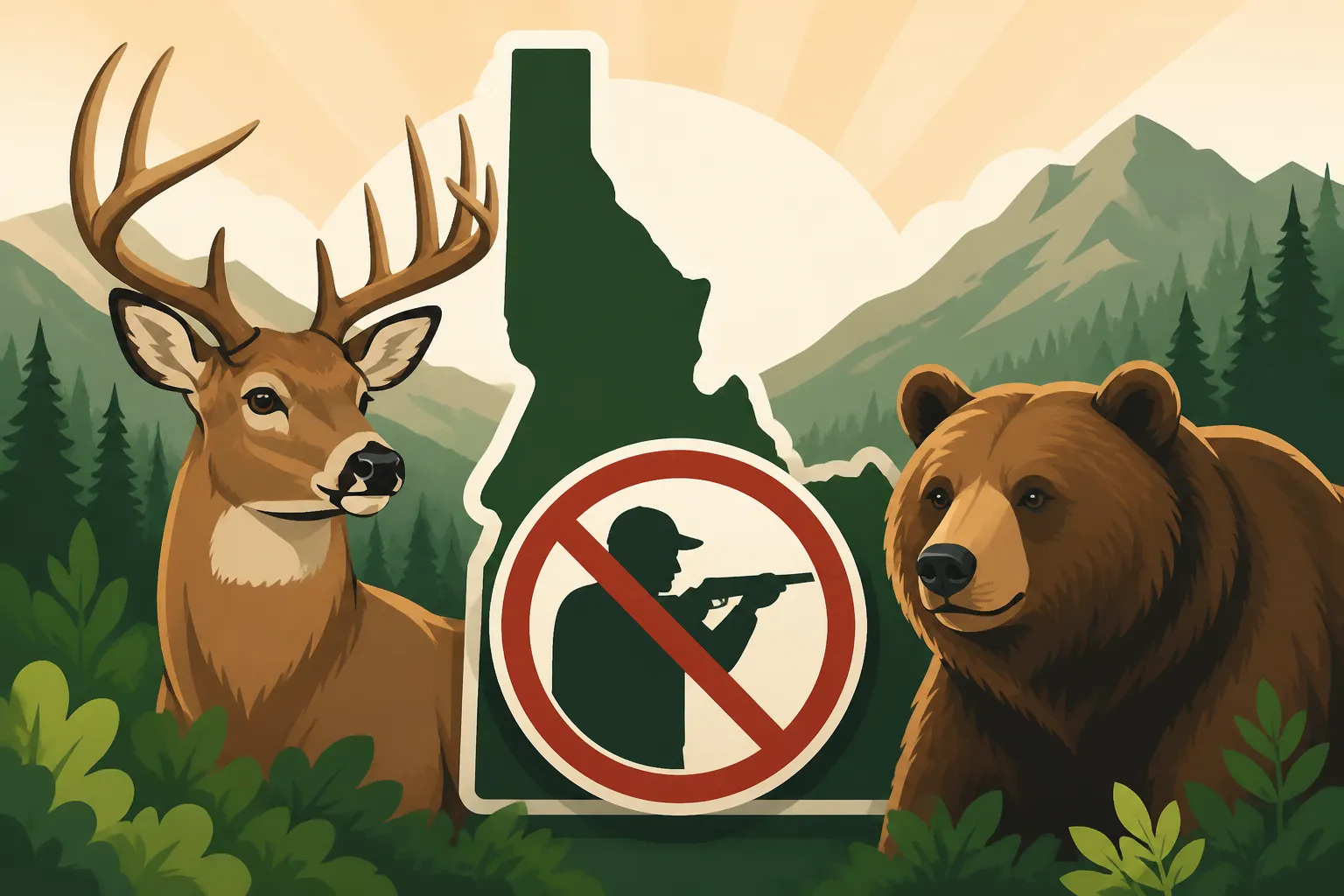
One of the most head-scratching aspects of planning an Idaho hunting trip, especially for nonresidents, is navigating the complex rules surrounding guides in designated wilderness areas. It can feel like you need a law degree just to figure out who you can hunt with and where. If you've been baffled by why elk or sheep require an outfitter, but then you hear that you can hunt deer or bear without one, you're not alone. This guide aims to clear up that confusion, explaining why deer and black bear hunts are generally exempt from Idaho's nonresident wilderness guide requirement, and what that means for your backcountry adventure.
Unpacking Idaho's Wilderness Guide Rule for Nonresidents
Idaho's wilderness guide rule for nonresidents often catches hunters by surprise, and understandably so. It's a unique regulation designed to manage commercial use and hunting pressure within the state's vast designated wilderness areas. For many, it's a significant factor in deciding whether a self-guided dream hunt is even possible.
The Core of the Rule: Who, What, Where
At its heart, Idaho's wilderness guide rule states that nonresidents must hire a licensed Idaho outfitter to hunt specific "trophy" big game species within designated wilderness areas. This isn't just a suggestion; it's a legal requirement. The species that fall under this mandate are usually elk, moose, bighorn sheep, mountain goat, and mountain lion. Imagine spending countless hours e-scouting, planning your gear, and getting physically ready for an elk hunt deep in the Frank Church River of No Return Wilderness, only to realize you legally have to book a guide because you're from out of state. It's a frustration many nonresidents face, and it's a crucial piece of the Idaho hunting puzzle to understand well before you apply for tags or start making travel plans. You can learn more about which areas this applies to in Which Wilderness Areas the Idaho Rule Covers.
These regulations are very specific about the location – it's designated wilderness areas that trigger the requirement. This means if you're hunting outside those boundaries, even on adjacent National Forest land that feels just as wild, the guide rule doesn't apply to these species. The distinction between a wilderness boundary and other public lands can sometimes be subtle on a map, but the legal implications are anything but. Missing this detail could derail an entire hunt.
Why the Rule Exists: History and Purpose
The origins of this rule are multifaceted, rooted in a combination of wildlife management goals, economic considerations for the outfitting industry, and historical precedents for how these remote lands are utilized. One primary driver is undoubtedly the state's desire to regulate commercial activity within these sensitive and often fragile wilderness ecosystems. By requiring nonresidents to use licensed outfitters for certain species, the state maintains a level of oversight on the impact of hunting operations, ensuring they adhere to specific standards and permits. This also helps support local businesses, as outfitters are often deeply embedded in the communities bordering these wilderness areas.
Historically, the argument has also been made that outfitters, with their local knowledge and specialized equipment like pack strings and backcountry camps, contribute to safer and more responsible hunting practices in extremely challenging terrain. While many experienced DIY hunters might disagree with the necessity for their specific situation, the rule attempts to create a framework for managing nonresident pressure and providing a service industry around these premium hunting opportunities. It's a balance between public access and commercial enterprise, all within the context of preserving the wilderness character.
Designated Wilderness Areas in Idaho
Idaho is truly blessed with some of the largest and most pristine wilderness areas in the lower 48 states. These are not just big tracts of trees; they are vast, roadless landscapes managed to preserve their natural character. The most famous, of course, is the Frank Church River of No Return Wilderness, a behemoth that spans over 2.3 million acres. Then you have the equally rugged Selway-Bitterroot Wilderness, straddling the Idaho-Montana border, and the stunning Sawtooth Wilderness. These areas are incredibly remote, challenging, and offer an authentic backcountry experience that is hard to match.
For a nonresident hunter, these areas represent the pinnacle of Western hunting, but also the complexity of the guide rule. The sheer scale means that if you're planning a hunt here, whether guided or unguided (for exempt species), your logistics have to be absolutely dialed in. There are very few roads, and travel is primarily by foot, horseback, or in some specific instances, by jet boat on major rivers or via backcountry airstrips. Understanding where these wilderness boundaries lie is paramount, as the difference between a legal self-guided hunt and an illegal one can be a matter of a few hundred yards on a map.
The Specific Exemption for Deer and Bear
Now, let's get to the crux of why many nonresident hunters breathe a sigh of relief when it comes to certain species: deer and black bear. Unlike their larger, more regulated counterparts, these animals often offer a path to a self-guided wilderness adventure for those coming from out of state.
Deer: Mule Deer and Whitetail
For nonresidents, both mule deer and whitetail deer are generally exempt from the wilderness guide requirement in Idaho. This means you can venture into the same vast, roadless wilderness areas that demand an outfitter for elk, and legally pursue deer on your own. This is fantastic news for many who dream of a true backcountry deer hunt but don't have the budget for a fully guided experience. Idaho's deer populations are diverse, with mule deer thriving in the high desert and mountain breaks of central and southern Idaho, and whitetails dominating the timbered panhandle up north.
The reasoning behind this exemption isn't explicitly stated in the regulations, but several factors likely contribute. Deer populations are generally more robust and widespread than, say, bighorn sheep or mountain goats, which are highly specialized and limited. Hunting pressure on deer, while still present, might be viewed differently by wildlife managers compared to the intense demand for limited elk or moose tags. Additionally, deer are often found in areas that are less logistically challenging than the most remote high-alpine sheep or goat country, making DIY hunts more feasible for a wider range of hunters. It allows for a more accessible "wilderness experience" for nonresidents without necessarily impacting the more sensitive or highly sought-after species and their commercial guiding infrastructure.
Black Bear: Spot and Stalk or Baiting
Just like deer, black bears are also generally exempt from the nonresident wilderness guide rule in Idaho. This opens up another fantastic self-guided opportunity for hunters looking for a thrilling backcountry experience. Idaho is home to a healthy black bear population, and the state offers both spring and fall seasons. Idaho Spring Bear Runs From April Into Summer Spring bear hunting, in particular, offers a unique challenge, often involving spot and stalk tactics on south-facing slopes as bears emerge from hibernation, or hunting over bait.
The exemption for black bears likely stems from similar considerations as deer. Bear populations are strong, and the species is managed differently than elk or other ungulates. The methods of hunting bear, while intense, don't always require the same scale of specialized logistics that a multiday elk hunt in the deep wilderness might. While outfitters certainly offer incredible guided bear hunts, especially those utilizing bait or hounds, the option to go it alone for a spot and stalk hunt is a major draw for many nonresidents. It democratizes access to a big game animal in some of the wildest parts of the state.
The "General" Aspect of the Exemption
It's crucial to understand that "generally exempt" means just that: generally. While deer and black bear are not subject to the mandatory guide rule for nonresidents in designated wilderness, hunters still need to comply with all other Idaho Fish and Game regulations. This includes proper licensing, tag acquisition, weapon restrictions, season dates, and unit-specific rules. There might also be specific wilderness area regulations (e.g., related to camping, fire, or horse use) that don't directly relate to hunting but must be followed.
No, you won't need an outfitter to legally hunt deer or bear in the Frank Church wilderness as a nonresident. But you will need solid backcountry skills, top-notch navigation, and a deep understanding of the local regulations to ensure a safe, legal, and successful hunt. The exemption gives you the opportunity to go DIY, but it doesn't lighten the burden of responsibility that comes with hunting in such wild places. Always double-check the latest regulations from Idaho Fish and Game directly, as rules can occasionally be updated or unit-specific exceptions might exist.
Practical Implications for Nonresident Hunters
Understanding that deer and bear are exempt changes the game for many nonresident hunters dreaming of an Idaho adventure. It opens doors that might otherwise be closed due to budget or the desire for a truly self-reliant experience.
Planning a DIY Deer or Bear Hunt in Wilderness
The ability to plan a do-it-yourself deer or bear hunt in Idaho's designated wilderness is a huge draw. For many, the allure of the backcountry isn't just about the hunt itself, but the challenge of proving their skills and resilience against raw nature. When planning such a hunt, you're looking at a different set of considerations than a front-country hunt. You'll need to be proficient in navigation without cell service, often relying on paper maps, GPS devices, and satellite communication. Physical fitness is absolutely paramount, as you'll be covering steep, rugged terrain, potentially packing out an animal for miles. Packing an Elk Out of Steep Country Alone
Your gear list will be extensive, focusing on lightweight, durable equipment that can withstand unpredictable mountain weather. Think about shelter, water purification, first-aid, food for the duration, and emergency signaling devices. It's not just about what to take, but what not to take, as every ounce counts on your back. Researching your chosen unit meticulously is key – looking at public land percentages, historical harvest data, and terrain features using tools like those found on GoHunt or the Idaho Hunt Planner. Reading a Controlled Hunt Area Boundary This is where your skills as a planner and woodsman truly shine, taking full ownership of your success or failure.
The Cost Savings
Let's be honest, hunting can be an expensive endeavor, and for nonresidents traveling long distances, those costs can skyrocket quickly. Hiring a fully guided hunt in Idaho's wilderness, especially for species like elk, can run into the many thousands of dollars, not including your license, tag, travel, and tips. When you're talking about a multi-day backcountry elk hunt with an experienced outfitter, you're looking at a significant investment.
The exemption for deer and bear dramatically reduces the financial barrier to entry for a true wilderness hunt. While you still have the cost of your nonresident license and tags, travel, and quality gear, you eliminate the single largest expense: the outfitter's fee. This can free up significant funds that you can then reinvest in better optics, lighter backpacking gear, or simply make the trip more financially accessible in the first place. It allows hunters to experience the raw beauty and challenge of Idaho's wilderness without needing a lottery-winning budget.
Navigating Wilderness Boundaries
One of the trickiest aspects of hunting in and around Idaho's wilderness areas is understanding and respecting the precise boundaries. While the rule says you don't need a guide for deer and bear inside designated wilderness, the rules can change immediately outside of those lines. This means you need excellent mapping resources, whether it's a GPS unit loaded with public land layers, a reputable hunting app like onX Hunt, or detailed topographic maps. It's not enough to generally know where the wilderness is; you need to know exactly where the line runs on the ground.
Imagine you're stalking a mule deer buck, and it crosses from a piece of National Forest into the Selway-Bitterroot Wilderness. If you're pursuing an elk, the rules immediately change for a nonresident. For deer and bear, you're still good, but you need to be aware of the boundary in case you were to pivot to an elk hunt, or if you had a friend along hunting a regulated species. It's a fine line that demands diligence. Always verify your position relative to these boundaries, especially when packing out game or setting up camp. Remember, ignorance of the boundaries is not a valid excuse if you inadvertently violate a regulation. Idaho's Motorized Hunting Rule Runs August Into December also needs to be considered when planning access points around wilderness areas.
When a Guide Might Still Be Beneficial (Even If Not Required)
While the exemption for deer and bear is fantastic for DIY enthusiasts, it's important to be realistic about the challenges of wilderness hunting in Idaho. Even if a guide isn't legally required, there are many situations where their expertise can be an invaluable asset, transforming a challenging hunt into a more successful and safer experience.
Logistics and Expertise
Hunting deep in Idaho's wilderness means extreme logistics. Getting yourself, your camp, and all your gear miles into the backcountry is a major undertaking, often requiring specialized knowledge of the terrain, river crossings, and safe travel routes. Outfitters, through their years of experience, possess an intimate knowledge of these areas. They know where the water sources are, which ridges hold game, and which drainages are impassable. This kind of local expertise is accumulated over decades and is simply not something you can get from maps or online scouting alone.
Moreover, outfitters often provide essential logistical support, such as pack horses or mules to carry heavy loads, saving your body for the hunt itself. They manage camp setup, cooking, and the general complexities of living comfortably and safely in a remote environment. For a nonresident unfamiliar with Idaho's unique challenges, tapping into this expertise can mean the difference between a frustrating, uncomfortable trip and a truly rewarding adventure. What an Idaho Drop Camp Actually Includes can give you an idea of the logistics involved even in a less-than-fully-guided scenario.
Accessing Remote Areas
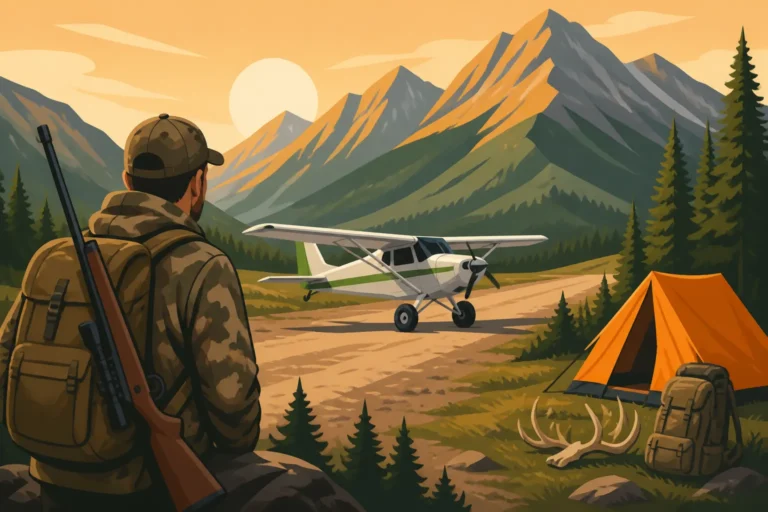
Some of Idaho's wilderness areas are incredibly remote and challenging to access. Think about the heart of the Frank Church, where traditional vehicle access is nonexistent. While you can hike or use horses, an outfitter might have permits to fly into designated backcountry airstrips, allowing them to drop you and your gear deep into prime hunting country in a matter of minutes, saving days of arduous packing. Others specialize in jet boat access up powerful rivers like the Salmon, delivering hunters to otherwise inaccessible stretches of wilderness. Flying Into an Idaho Backcountry Strip to Hunt
These specialized access methods aren't just about convenience; they can open up hunting opportunities in areas that see far less pressure simply because they are so difficult to reach. For a nonresident who might only have a week or ten days to hunt, maximizing time in productive areas, rather than spending half the trip getting there, can be a game-changer. Even for deer and bear, having an outfitter facilitate this kind of access means you're hunting, not just humping gear.
Maximizing Success
Let's face it: we all want to be successful on our hunts. While a guide can't guarantee a harvest, their knowledge and assistance can significantly increase your odds, even for species where they aren't legally required. A good outfitter, like those you might research on BookYourHunt or GoHunt, knows the seasonal movements of deer and bear, understands how weather patterns affect animal behavior, and can put you in the right place at the right time. They understand the nuances of the local habitat and can interpret fresh sign in ways a first-time visitor simply cannot.
This is especially true for trophy animals. While any deer or bear is a triumph in the wilderness, if you're specifically targeting a mature mule deer buck or a large black bear, an outfitter's understanding of their habits and preferred bedding/feeding areas can be invaluable. They can also offer guidance on field judging animals, shot placement in challenging terrain, and efficient game recovery, which can be incredibly tough in thick timber or steep canyons. Ultimately, while you can go it alone for deer and bear, a guide often maximizes the return on your investment of time, money, and effort.
Verifying Current Regulations and Finding Resources
The world of hunting regulations is constantly evolving, and Idaho is no exception. What was true last season might have changed for the next. As a nonresident, it's absolutely critical to stay informed, and thankfully, there are excellent resources available to help you do just that.
Idaho Fish and Game Resources
Your absolute first and foremost source for any hunting regulation in Idaho should always be the official Idaho Fish and Game (IDFG) website. They are the ultimate authority. You can download the current year's big game regulations, which outline all the rules, season dates, unit boundaries, and specific requirements like the nonresident wilderness guide rule. Don't rely on outdated forums, secondhand information, or even general articles (like this one!) as your sole source of truth. Always go to the source. Where the Current Idaho Regulations Are Posted is an invaluable resource that you should bookmark right now.
IDFG also provides hunt planners, drawing odds, harvest statistics, and a wealth of other information that can help you plan your hunt. Take the time to dig through their website, understand the terminology, and familiarize yourself with the nuances of Idaho hunting law. If you have any doubt whatsoever about a specific rule or situation, pick up the phone and call their regional office. Getting clarification directly from IDFG is the best way to avoid unintentional violations that could result in fines or loss of hunting privileges.
Using Hunt Planning Tools
Beyond the official IDFG resources, there are fantastic commercial hunt planning tools available that can dramatically aid your research, whether you're planning a guided hunt or a DIY adventure for exempt species. Platforms like GoHunt and BookYourHunt offer comprehensive resources for hunters. GoHunt, for example, often provides detailed unit breakdowns, drawing odds, application strategies, and mapping tools that overlay public land ownership, wilderness boundaries, and historic harvest data. This kind of platform can be indispensable for e-scouting, helping you identify potential hunting areas for deer and bear and understanding the terrain before you ever set foot in Idaho.
BookYourHunt focuses more on connecting hunters with reputable outfitters, even for species that don't require a guide. While you're exempt for deer and bear in wilderness, you might still want to consider a drop camp or a semi-guided option, and these platforms allow you to research and vet various operations, compare services, and read reviews from other hunters. Even for a fully DIY hunt, using these tools to understand the general outfitter activity in an area can give you a clearer picture of hunting pressure and access points. These resources augment the official regulations, providing a layer of practical information you won't always find directly from the state.
Understanding Outfitter vs. Guide
When researching guided hunts, it's easy to get the terms "outfitter" and "guide" confused, but in Idaho, they have distinct legal meanings and roles. An outfitter is the licensed business owner or operator who holds the necessary permits from federal or state land management agencies (like the Forest Service) to conduct commercial operations on public lands. They are the ones you contract with for your hunt, and they are responsible for the overall trip. How Idaho Outfitters Get a Forest Service Permit
A guide, on the other hand, is an employee of the outfitter. Guides are the individuals who are physically in the field with you, leading the hunt, packing animals, setting up camp, and providing direct assistance. Guides must also be licensed by the state and meet specific experience requirements, but they cannot legally operate independently or take clients on their own. Why Guides Cannot Work Independently in Idaho When you're talking about the nonresident wilderness guide rule, it specifically refers to needing to contract with a licensed outfitter who then employs licensed guides to lead your hunt for the regulated species. For deer and bear, you simply aren't required to engage either of these roles in designated wilderness.
| Feature | Elk, Moose, Sheep, Goat, Lion (Nonresident in Wilderness) | Deer & Black Bear (Nonresident in Wilderness) |
|---|---|---|
| Outfitter Required? | YES (legally mandated) | NO (generally exempt) |
| Guide Required? | YES (as employed by outfitter) | NO (generally exempt) |
| Cost Implications | Significantly higher due to outfitter fees | Potentially much lower (DIY possible) |
| Logistical Support | Typically provided by outfitter/guides | Entirely hunter's responsibility |
| Backcountry Access | Often facilitated by outfitter's special permits | Hunter must arrange own access |
| Expertise | Outfitter/guide provides local knowledge | Hunter relies on own research/experience |
| Physical Demands | High, but often managed with support | Very high, entirely self-reliant |
| Planning Complexity | Moderate (outfitter handles much of it) | Very high (hunter handles everything) |
Other Considerations for Wilderness Hunting in Idaho
Embarking on a wilderness hunt in Idaho, even for species that don't require a guide, is no small undertaking. It demands respect, preparation, and a deep understanding of the environment and your own capabilities.
Physical Demands and Preparation
Idaho's backcountry is famously rugged, characterized by steep mountains, dense timber, and deep canyons. This is not flat-land hunting. Even if you're an experienced hunter, the sheer elevation changes, rough terrain, and potential for extreme weather will test your physical limits. If you're planning a DIY deer or bear hunt in the wilderness, your physical conditioning needs to be top-notch. Start an intense workout regimen months in advance, focusing on cardiovascular endurance, leg strength, and core stability. Practice hiking with a weighted pack, mimicking the loads you'll carry.
Remember, you'll be doing everything yourself: hiking miles with all your gear, potentially quartering and packing out an animal through difficult terrain, and setting up and breaking down camp daily. There's no guide to shoulder part of the load or pitch your tent for you. Dehydration, altitude sickness, and exhaustion are real threats that can quickly turn a dream hunt into a nightmare. Physical Conditioning for Idaho Backcountry isn't just a suggestion; it's a necessity for a safe and successful wilderness experience.
Backcountry Safety and Survival
Safety in the backcountry should be your absolute highest priority. No trophy is worth putting your life, or the lives of others, at risk. When hunting in Idaho's wilderness, you are far from immediate help. Cell service is virtually nonexistent. Therefore, you need to be self-sufficient and prepared for any eventuality. This means carrying a robust first-aid kit, knowing how to use it, and having a plan for severe emergencies. Always let someone know your detailed itinerary, including your entry and exit points, intended routes, and expected return date.
Essential gear should include reliable navigation tools (GPS, compass, maps), fire starting supplies, emergency shelter, sufficient water filtration/treatment, and enough extra food to last a few unexpected days. A satellite communication device, such as a Garmin InReach or Spot device, is highly recommended. These allow you to send emergency messages and check in with loved ones, providing a crucial lifeline in remote areas. Knowing basic survival skills – how to build a shelter, start a fire in wet conditions, and signal for help – can be literally life-saving.
Leave No Trace Principles
Hunting in designated wilderness areas comes with an immense responsibility to preserve the pristine nature of these lands. Practicing Leave No Trace principles is not just good etiquette; it's a fundamental part of being an ethical hunter and outdoorsperson. This means planning ahead and preparing thoroughly, traveling and camping on durable surfaces, disposing of waste properly (pack it in, pack it out, including all garbage, food scraps, and even spent bullet casings), and leaving what you find undisturbed.
Minimize campfire impacts, respect wildlife, and be considerate of other visitors. When field dressing an animal, move the carcass away from water sources and trails. The goal is to leave no trace that you were ever there, allowing the next person (or animal) to experience the wilderness just as you did. These areas are special, and their continued health and accessibility depend on all users treating them with the utmost respect.
Disclaimer
This article is for general informational purposes only and does not constitute professional advice. Laws, prices and regulations vary by location and change over time. Consult a qualified professional for guidance on your specific situation.