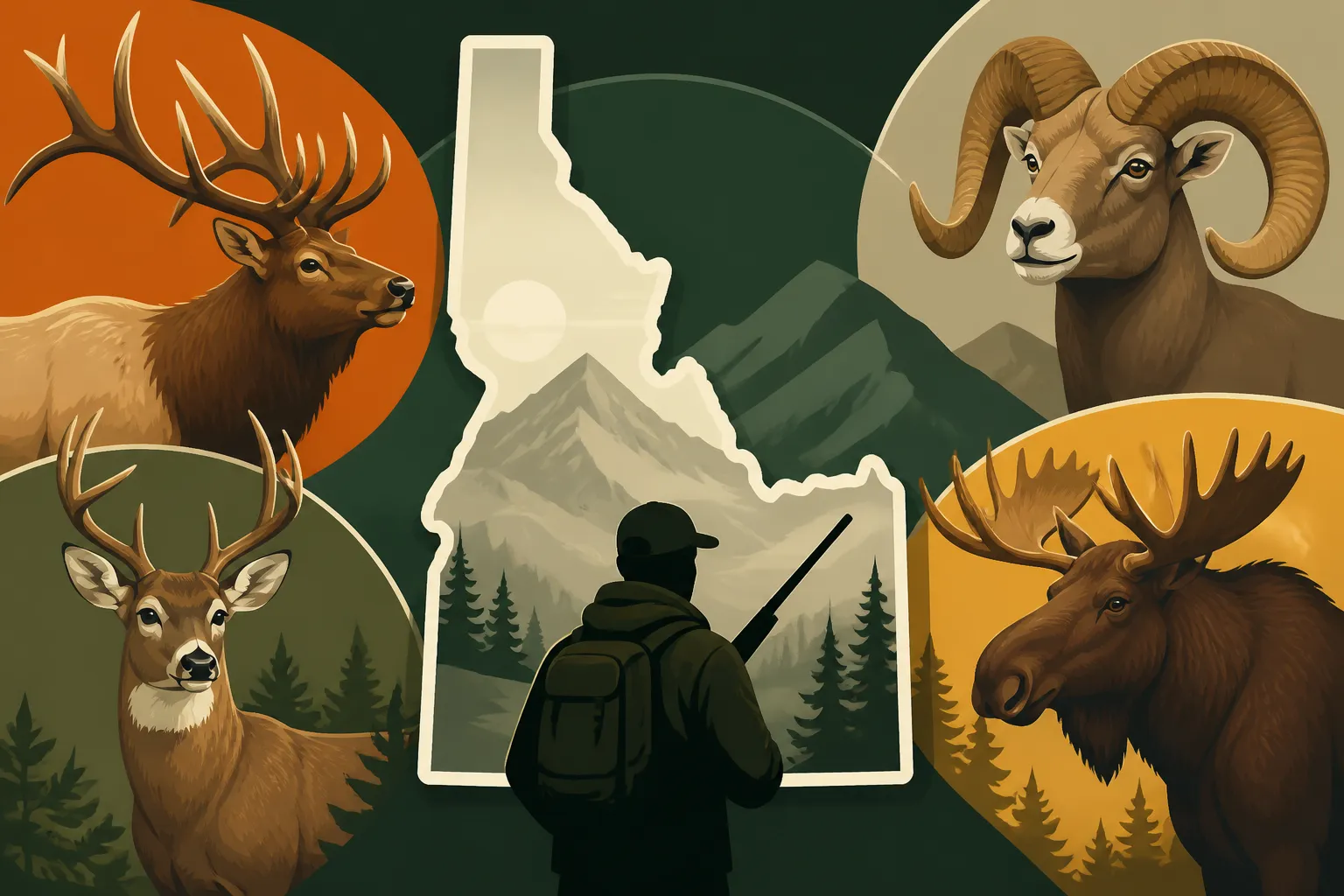
Which Species Trigger Idaho’s Wilderness Guide Rule
For many nonresident hunters, the dream of an Idaho adventure conjures images of vast, untamed wilderness and big game animals roaming freely. However, navigating the specific regulations for these remote, federally designated areas can quickly turn that dream into a frustrating maze. This guide aims to cut through that confusion, clarifying precisely which big game species trigger Idaho's strict nonresident guide requirement when you venture into the deepest backcountry.
Understanding Idaho's Wilderness Guide Rule
Idaho's wilderness areas are truly special places, offering unparalleled solitude and a chance to experience the West as it once was. But with that privilege comes a unique set of rules, particularly for those coming from out of state. It's crucial to understand these distinctions before you even start looking at hunting units on a map.
What is "Designated Wilderness" in Idaho?
When we talk about "designated wilderness" in Idaho, we're referring to specific areas set aside by federal law, primarily managed by the U.S. Forest Service or Bureau of Land Management, where human impact is minimized. These are places without roads, permanent structures, or motorized vehicle access, intentionally preserving a primeval landscape. Think of iconic areas like the Frank Church River of No Return Wilderness, the Selway-Bitterroot Wilderness, the Gospel-Hump Wilderness, or sections of the Sawtooth Wilderness. These aren't just remote forests; they are legally defined zones with strict regulations on how they can be used and accessed.
Hunting in these areas is a physically demanding endeavor. You're looking at foot or horseback travel, self-sufficiency for days or weeks, and the need for advanced navigation and survival skills. The very nature of these wild places means that logistical support is either non-existent or comes with significant effort. It's this profound remoteness and the desire to manage activity within them that underpins some of Idaho's hunting regulations, especially for those who aren't residents. In fact, Designated Wilderness Changes the Rules for Idaho Nonresidents in some pretty significant ways you need to be aware of.
The Residency Distinction: Nonresident vs. Resident
Here's the core of the matter: if you are a nonresident hunter and plan to hunt certain big game species within a designated wilderness area in Idaho, you are legally required to employ a licensed Idaho outfitter or guide. This isn't an optional suggestion; it's a mandatory prerequisite. Idaho residents, on the other hand, are free to hunt these same species in designated wilderness areas without hiring a guide. This distinction is often a point of contention and confusion, but it's a firm rule that Idaho Fish and Game enforces to the letter.
This rule isn't unique to Idaho; other Western states have similar provisions for nonresidents in their wilderness areas. The reasoning behind it is multi-faceted, often cited as a means to protect the resource, ensure ethical hunting practices in extremely challenging terrain, and support the state's licensed outfitting industry. It essentially means that if you're coming from out of state with a specific animal in mind for one of these wild places, your hunting plan must include the services of a professional.
The Spirit and Intent Behind the Rule
It’s easy to feel frustrated by such a rule, especially if you consider yourself an experienced, self-sufficient hunter. However, understanding the spirit and intent behind it can help frame the requirement. The rule aims to achieve a balance: allowing access to world-class hunting opportunities in truly wild places, while also mitigating potential issues that can arise in such remote and unforgiving environments. Outfitters bring a level of local expertise, experience with the terrain and weather, and critical logistical capabilities that can be essential for safe and successful hunting in the backcountry.
Furthermore, outfitters operating in these federal wilderness areas often hold specific special use permits from the Forest Service or BLM, allowing them to establish camps, use pack stock, and otherwise operate within strict guidelines. This helps manage the overall human footprint in these sensitive ecosystems. Rather than seeing it as a barrier, some nonresidents view the guide requirement as an opportunity to tap into decades of accumulated knowledge and experience, transforming a potentially daunting solo venture into a well-supported and ultimately safer adventure.
Elk: The Primary Driver of the Rule
When nonresident hunters think about an Idaho wilderness hunt, elk are almost always at the top of the list. The opportunity to pursue a bull elk in deep timber or high mountain basins, far from roads and crowds, is a powerful draw. However, this is precisely where the wilderness guide rule comes into play most prominently.
Why Elk are Treated Differently
Yes, elk do trigger the nonresident guide rule in Idaho's designated wilderness areas. This is arguably the most significant piece of information for nonresident elk hunters planning a DIY trip to the state's backcountry. If you're envisioning packing into the Frank Church or Selway-Bitterroot with your buddies, setting up a spike camp, and calling in a bull without a licensed outfitter, you'll need to reconsider if you're from out of state. Idaho Forces Nonresidents to Hire a Guide for Wilderness Elk, and there are no exceptions to this legal requirement. The allure of wilderness elk hunting stems from the potential for larger, less pressured bulls, and the unmatched challenge and solitude. These factors, combined with the sheer size and difficulty of retrieving an elk from such terrain, are likely why elk are included in the guide requirement. The state prioritizes the management of this iconic species and the integrity of its wilderness hunts.
Planning an Unguided Elk Hunt in Wilderness (If You're Resident)
For Idaho residents, the wilderness elk hunt is the epitome of a challenging and rewarding backcountry experience. It demands meticulous preparation that extends far beyond just gear and hunting skills. You're looking at months of physical training to handle the steep, rugged terrain and high altitudes. Detailed topographical mapping, GPS waypoints, and satellite communication devices become necessities. Residents planning such a trip must become experts in self-sufficiency, capable of navigating, setting up secure camps, managing food and water for extended periods, and executing a demanding pack-out if successful. The vastness of areas like the Frank Church River of No Return, which is one of the largest wilderness areas in the lower 48, means you could be days from the nearest trailhead. This level of planning and execution highlights the kind of experience and resources an outfitter provides to nonresidents, bridging that gap in localized knowledge and logistical support.
The Realities of a Guided Wilderness Elk Hunt
For nonresidents, acknowledging the guide requirement for wilderness elk is the first step in planning a realistic and legal hunt. A guided wilderness elk hunt typically involves a significant investment but also provides an immersive, expertly supported experience. Outfitters often provide a full camp setup, complete with wall tents, cook services, and, crucially, a string of pack horses or mules to get you and your gear deep into the wilderness. Your guide will have intimate knowledge of the unit, including elk patterns, water sources, and strategic hunting locations. When you’re successful, they handle the difficult task of quartering and packing your bull out of the backcountry.
Before committing to such a venture, it's essential to thoroughly research and vet potential outfitters. Websites like BookYourHunt can be a starting point for discovering outfitters who operate in Idaho's wilderness areas, but always follow up with direct communication and verification. Ensure the outfitter is licensed, ask for references from previous clients, and get a clear understanding of what the hunt package includes and excludes. This approach helps ensure that your substantial investment translates into the wilderness elk hunt of a lifetime, handled professionally and legally.
Other Trophy Species: Moose, Sheep, and Goat
Beyond elk, Idaho is home to other incredible trophy animals that draw hunters from all over the world. Many of these species, particularly when pursued in wilderness settings, also fall under the nonresident guide requirement. These hunts represent some of the most challenging and sought-after opportunities available, making the guidance of an experienced outfitter even more critical.
Moose Hunting in Wilderness: A Controlled Hunt Reality
Idaho's Shiras moose population, while not as abundant as elk, offers a truly unique big game experience. A moose tag in Idaho is notoriously difficult to draw; it's a controlled hunt you might wait years, even decades, to win. If your lottery ticket comes up and you're a nonresident planning to pursue one of these magnificent animals in a designated wilderness area, know that a licensed outfitter is required. Idaho Moose Is a Controlled Hunt You Wait Years For, so once you finally draw that coveted tag, you want every advantage possible. The sheer size of a Shiras moose, which can weigh upwards of 1,000 pounds, presents immense logistical challenges for retrieval, especially in remote wilderness. An outfitter's expertise in locating these animals and then efficiently packing out hundreds of pounds of meat is invaluable. They understand the dense timber and marshy habitats moose prefer, often in areas far off the beaten path, making their knowledge a game-changer for a successful hunt.
Bighorn Sheep: Once-in-a-Lifetime Wilderness Experiences
Hunting bighorn sheep in Idaho is perhaps the pinnacle of North American mountain hunting. These once-in-a-lifetime tags are extremely rare, and the hunts themselves are physically grueling, often conducted in the most rugged, vertical, and remote wilderness terrain imaginable. Idaho is home to two distinct subspecies—Rocky Mountain Bighorns and California Bighorns—and Idaho Counts Rocky Mountain and California Bighorns Separately for tag purposes. For nonresident hunters fortunate enough to draw one of these precious tags, an outfitter is absolutely required if the hunt takes place in designated wilderness. The terrain inhabited by bighorns demands not only extreme physical conditioning but also specialized equipment, advanced mountaineering skills, and a deep understanding of sheep behavior in harsh environments. An experienced sheep outfitter provides critical glassing expertise, route-finding through dangerous country, and a safety net that is paramount when hunting high above timberline. The cost associated with these guided hunts reflects the rarity of the opportunity and the intense effort required, but for many, it’s a non-negotiable part of fulfilling a lifelong dream.
Mountain Goat Hunts Above Timberline
Similar to bighorn sheep, mountain goat tags in Idaho are few and far between, requiring success in a controlled hunt drawing. These spectacular animals inhabit the highest, most inaccessible peaks and ridges of Idaho's designated wilderness areas, living truly above timberline. For nonresidents, hunting mountain goat in these areas also triggers the mandatory guide rule. A mountain goat hunt is an adventure defined by breathtaking views and lung-searing climbs, often involving scrambles across loose rock and snowfields. The dangers associated with hunting in such extreme high-alpine environments—sudden weather changes, treacherous footing, and isolation—make the presence of an experienced guide a wise, and in this case, legally required choice. Outfitters specializing in goat hunts possess the specific knowledge needed to safely navigate the terrain, locate the elusive white animals, and ensure a successful and ethical harvest and retrieval. They are trained in wilderness first aid and emergency procedures, which can be literally life-saving when you're miles from the nearest road and thousands of feet up a mountain face.
Exemptions: Deer, Bear, and Mountain Lion
While many of Idaho's premier big game species fall under the nonresident wilderness guide rule, there are notable exceptions that offer nonresidents opportunities to hunt independently in these wild landscapes. Understanding these exemptions can open up different avenues for adventure and help manage expectations when planning your hunt.
Why Deer Hunts are Exempt
Here's some good news for nonresident hunters looking to experience Idaho's wilderness without the added cost of a guide: deer, both mule deer and whitetail, do not trigger the nonresident guide requirement in designated wilderness areas. This is a significant distinction and provides a fantastic opportunity for those who are prepared for a true DIY backcountry experience. Deer and Bear Escape Idaho's Wilderness Guide Rule, allowing nonresidents more flexibility with these species. Hunting mule deer in the vast, open breaks of central Idaho's wilderness or stalking whitetails in the dense timber of the Panhandle's backcountry offers an equally challenging and rewarding hunt as elk, but without the legal mandate for an outfitter.
However, "exempt" doesn't mean "easy." A wilderness deer hunt still demands all the same physical fitness, navigation skills, and self-sufficiency as any other backcountry endeavor. You'll need to pack in all your gear, food, and water, locate deer in expansive and often steep country, and then be prepared for a difficult pack-out if you're successful. The absence of a guide requirement simply removes a layer of cost and logistics, making these hunts a viable option for experienced nonresident backpack hunters.
Black Bear: Spot and Stalk or Baited, No Guide Needed
Another exciting opportunity for nonresident hunters in Idaho's wilderness areas comes in the form of black bears. Similar to deer, black bears do not require a licensed outfitter for nonresidents hunting them in designated wilderness. This opens up options for adventurous hunters eager to combine a wilderness experience with the pursuit of a formidable big game animal. Idaho offers spring and fall bear seasons, and while many bear hunters choose to hunt over bait or use hounds (methods that often involve an outfitter for logistical reasons, even if not legally required in wilderness), spot-and-stalk hunting for bears in the vastness of the wilderness is a thrilling prospect.
Hunting bears in the wilderness requires a keen eye, patience, and a deep understanding of bear behavior and habitat. Bears often frequent remote huckleberry patches in the fall or seek out lush, green avalanche chutes in the spring. Being able to access these secluded areas on foot or horseback, without the legal necessity of a guide, can be an incredibly rewarding challenge. Just remember that bear country is also often grizzly country in certain parts of Idaho, so carrying bear spray and knowing how to use it is always a smart precaution.
Mountain Lion: Hound Hunts and Wilderness Rules
Mountain lions, another fascinating predator, also do not trigger Idaho's nonresident guide rule in designated wilderness areas. While most successful mountain lion hunts in Idaho are conducted with the aid of hounds, which typically involves hiring a specialized hound outfitter regardless of the wilderness rule, the state law doesn't specifically mandate a guide based on the wilderness designation for this species. This again points to the focus of the guide rule on certain ungulate (hoofed) trophy species.
Hunters pursuing mountain lions with hounds in wilderness areas will find that the challenges are immense. The guides themselves, often called "hound men," are experts at tracking, reading sign, and managing their dog packs in difficult terrain. They effectively act as guides, navigating the hunter through dense timber and steep canyons to reach a treed or bayed lion. So, while the legal mandate isn't there, the practical necessity of hiring a professional with trained hounds to successfully hunt a mountain lion in the wilderness is undeniable for most hunters.
Practical Implications for Nonresident Hunters
Understanding which species trigger Idaho's wilderness guide rule is just the beginning. The rule has significant practical implications that will shape your hunt planning, from your budget to your overall approach to wilderness access. Ignoring these implications can lead to unexpected costs, logistical nightmares, or even legal trouble.
Cost Considerations for Guided Hunts
Let's be blunt: hiring an outfitter, especially for a multi-day wilderness hunt, is a significant financial investment. When discussing What a Guided Idaho Elk Hunt Costs, you'll find prices can vary widely based on the outfitter, the duration of the hunt, the amenities included, and the trophy potential of the area. These costs typically cover the guide's services, food, lodging (often in spike camps or wall tents), and pack services for gear and game. However, it's critical to remember that this fee almost never includes your Idaho hunting license, the actual species tag, travel expenses to and from Idaho, meat processing, taxidermy, or tips for your guides and camp staff.
You need to factor in all these additional expenses when budgeting for a guided wilderness hunt. A successful hunt means paying for the butchering of your animal, potentially shipping the meat home, and processing your trophy. Understanding the full financial picture upfront will prevent unwelcome surprises down the road and help you determine if a guided wilderness hunt aligns with your budget.
Planning Your Wilderness Access
Even if you're hunting an exempt species like deer or bear, accessing Idaho's designated wilderness areas requires substantial planning and effort. These are roadless expanses, meaning your journey begins at a trailhead. For many, this involves backpacking deep into the backcountry, carrying everything you need on your back. This demands peak physical conditioning and a well-thought-out gear list. Alternatively, you can utilize the services of a pack string outfitter who specializes in packing people and gear into wilderness camps, without actually guiding the hunt itself. This can be a more affordable option for nonresidents hunting exempt species, providing the logistical support to get you deep in, but leaving the hunting up to you.
Consider the immense scale of areas like the Selway-Bitterroot Wilderness Access in Idaho, where trail systems crisscross hundreds of thousands of acres. Navigation skills, satellite communication devices for emergencies, and a solid understanding of wilderness survival are not optional. Whether you're hiring a full guide or just a pack service, your preparation for physical demands and self-sufficiency should be paramount.
The Role of an Outfitter in Your Hunt
For species where a guide is required, or even when considering one for exempt species, an outfitter serves as much more than just a legal formality. They are your vital link to a safe and successful wilderness experience. Their roles encompass a vast array of responsibilities:
- Logistical Masters: They arrange transportation to remote trailheads, organize pack strings, set up comfortable and functional camps, and handle all the cooking and daily chores.
- Expert Navigators & Trackers: With years of experience in their specific areas, they know the terrain, game trails, water sources, and bedding areas. They can interpret fresh sign and navigate challenging country, minimizing wasted time and effort.
- Safety Officers: In remote wilderness, safety is paramount. Outfitters are often wilderness first aid certified, carry emergency communication devices, and know how to handle adverse weather or unexpected situations.
- Game Retrieval: Perhaps one of the most physically demanding aspects of any hunt, especially for large animals like elk, is getting the meat out. Outfitters and their pack animals are equipped to handle this monumental task, turning what could be a multi-day nightmare for an unassisted hunter into a manageable operation.
Ultimately, an outfitter allows you to focus on the hunt itself, maximizing your enjoyment and opportunity while minimizing the inherent risks and arduous logistics of a true wilderness expedition.
Navigating the Outfitter Selection Process
Once you understand which species trigger Idaho's wilderness guide rule and you’ve decided that a guided hunt is the right path for your nonresident adventure, the next critical step is selecting the right outfitter. This process requires diligence, research, and clear communication to ensure your investment leads to a safe, ethical, and memorable experience.
Vetting a Licensed Idaho Outfitter
This cannot be stressed enough: always verify an outfitter's credentials. Idaho has a dedicated entity, The Idaho Outfitters and Guides Licensing Board Explained, that licenses and regulates all outfitters and guides operating in the state. Before you send a deposit or sign a contract, confirm that the outfitter you're considering holds a current, valid license for the areas and species they advertise. Don't hesitate to contact the Licensing Board directly to verify. Websites like GoHunt or BookYourHunt can be excellent resources for finding outfitters and seeing reviews, but these should always be a starting point, not the final word.
Beyond licensing, ask for recent references—and actually call them. Inquire about the outfitter's camp setup, the guide-to-hunter ratio, typical success rates for the species you're pursuing (with the understanding that hunting is never a guarantee), and their emergency protocols. Ask about the physical demands of the hunt, what gear you'll need, and what specific steps they take to ensure client safety in remote areas. A reputable outfitter will be transparent and happy to answer all your questions.
Booking Around the Idaho Draw Calendar
For many of the species that trigger the wilderness guide rule—moose, bighorn sheep, mountain goat, and many of the more desirable elk hunts—the tags are allocated through a controlled hunt draw. This presents a unique challenge for booking a guided trip. Most outfitters will offer conditional bookings, meaning you pay a deposit that is fully or partially refundable if you fail to draw the tag. However, policies vary wildly, so read the fine print carefully. Understanding Booking an Idaho Hunt Around the Draw Calendar is crucial, as the application deadlines and draw result dates will dictate your booking timeline.
It’s not uncommon for top outfitters to be booked out a year or more in advance, especially for highly sought-after trophy species. This means you might need to apply for the draw, then immediately attempt to book an outfitter based on the hope of drawing a tag. Discuss with potential outfitters their policies regarding draw success and what happens if you don't get a tag. Some will allow you to roll your deposit over to the next year's application, while others might have a non-refundable portion. Clarity here prevents major headaches and financial loss.
Considering Drop Camps vs. Fully Guided
When weighing your options with an outfitter, especially for species where a guide is required, you'll often encounter two primary service models: fully guided hunts and drop camps. Each offers a distinct experience and comes with different cost implications, making it important to choose the one that aligns with your hunting style and budget.
-
Fully Guided Hunts: This is the most comprehensive service. With a fully guided hunt, your outfitter provides a licensed guide (or guides) who will be with you throughout the hunt. They lead you to hunting areas, assist with tracking, field dressing, and often handle all the camp duties, from cooking to tending horses. This option maximizes your chances of success and minimizes your personal logistical burdens. It’s ideal for those seeking a hands-on, expert-led experience where the focus is entirely on the hunt itself, with safety and support as top priorities.
-
Drop Camps: A drop camp, as described in Drop Camps in Idaho's Backcountry, is a fantastic middle-ground option, particularly for nonresidents hunting species that don't require a guide (like deer or bear) but who still desire wilderness access assistance. However, some outfitters also offer drop camps for species that do require a guide, with the understanding that a guide will periodically check in or be available for assistance, but won't be with you 24/7. In a traditional drop camp, the outfitter packs you and your gear into a pre-established camp in the wilderness, sets it up, and then leaves you to hunt independently. They will return on a predetermined date to pack you and any harvested game out. While more affordable than a fully guided hunt, you are responsible for all your own hunting, cooking, and daily camp management. This requires a higher level of self-sufficiency and hunting skill, but still provides invaluable assistance with the formidable task of getting deep into and out of the backcountry.
Making the right choice between these options depends on your budget, your experience level, and how much independence you desire during your Idaho wilderness hunt.
Species and Nonresident Wilderness Guide Rule Summary
For clarity, here's a quick reference on which major big game species trigger Idaho's nonresident wilderness guide rule.
| Species | Nonresident Wilderness Guide Required? | Notes |
|---|---|---|
| Elk | Yes | This is the most common species affected. Nonresidents must hire a licensed outfitter for wilderness elk hunts. |
| Moose | Yes | Moose tags are rare controlled hunt permits; nonresidents pursuing them in designated wilderness require an outfitter due to size and remote habitat. |
| Bighorn Sheep | Yes | Extremely rare, once-in-a-lifetime tags for hunts in rugged, high-alpine wilderness. Nonresidents require a guide for safety and expertise. |
| Mountain Goat | Yes | High-country controlled hunts in challenging terrain. Nonresidents pursuing goats in designated wilderness need an outfitter. |
| Mule Deer | No | Nonresidents can pursue mule deer in designated wilderness areas without hiring a guide. Requires high self-sufficiency. |
| Whitetail Deer | No | Similar to mule deer, nonresidents can hunt whitetail in wilderness areas independently. (Often found in Northern Idaho's timbered, non-wilderness areas, too). |
| Black Bear | No | Nonresidents can hunt black bear in designated wilderness without a guide. Great opportunity for a DIY backcountry experience. |
| Mountain Lion | No | While often hunted with hounds and professional "hound men," there is no legal requirement for a nonresident guide specifically due to wilderness designation for mountain lions. |
Disclaimer
This article is for general informational purposes only and does not constitute professional advice. Laws, prices and regulations vary by location and change over time. Consult a qualified professional for guidance on your specific situation.