Every Idaho Guide Works Under a Licensed Outfitter
Hunting in Idaho is an incredible experience, but the regulations can sometimes feel like a dense tangle of rules, especially when it comes to who can take you where. One of the most common points of confusion, and frankly, a source of frustration for many eager hunters, revolves around the distinct roles of hunting guides and licensed outfitters. Many folks assume a guide is an independent operator, but that's simply not the case here in the Gem State. This comprehensive guide will untangle the critical relationship between guides and outfitters in Idaho, explaining why every guide operates under the umbrella of a licensed outfitter, what that means for both parties, and how it impacts your hunting adventure.
The Foundational Rule: Every Idaho Guide Works Under a Licensed Outfitter
When you're dreaming of chasing elk through the timbered mountains or glassing for mule deer across the sagebrush breaks, the idea of hiring an expert to lead the way is incredibly appealing. However, Idaho has a very specific structure in place for these services. Unlike some other states where a guide might operate as a sole proprietor, here in Idaho, it's a fundamental principle: a hunting guide must be employed by or contract with a licensed outfitter. This isn't just a quirky local rule; it's the bedrock of how guided hunting operates in the state, designed to ensure accountability and a consistent standard of professionalism.
The Legal Framework and Why it Matters
This legal framework isn't arbitrary; it's a deliberate system put in place by the state to protect both hunters and the natural resources. The licensed outfitter acts as the primary entity responsible for the overall operation, holding the necessary permits, insurance, and land use authorizations. Think of the outfitter as the CEO of a small hunting company, handling all the logistics, legalities, and overarching business aspects. The guide, then, is the expert field operative, focusing entirely on the hunt itself, but always under the direction and liability of that outfitter. This structure provides a clear chain of command and accountability. If something goes awry—whether it's a safety incident, a miscommunication about regulations, or a logistical issue—there's a licensed entity (the outfitter) that is ultimately answerable to the state. Without this, individual guides could operate without proper oversight, potentially leading to unsafe practices or damage to public lands.
This also ties into the specific rules regarding certain species and locations. For instance, Idaho Forces Nonresidents to Hire a Guide for Wilderness Elk. This isn't just about a guide being present; it's about a licensed outfitter providing that service through their employed guides. The complexity of wilderness permits, access, and specific regulations demands a level of organizational oversight that the outfitter provides. It ensures that the operations adhere to federal wilderness mandates, such as "minimum tool" policies and limits on group sizes, which are crucial for preserving these pristine areas.
What "Working Under" Truly Means for a Guide
For a guide in Idaho, "working under" a licensed outfitter means a few things. First, they cannot independently solicit clients for guided hunts. Their clients are the outfitter's clients. Second, their legal authority to guide stems directly from the outfitter's license and permits. They are essentially an extension of that outfitter's operation. This includes everything from the specific hunting units the outfitter is permitted to operate in to the types of services offered. A guide can't just decide to take a client on an elk hunt in a new zone if their outfitter doesn't have the appropriate Forest Service or BLM special use permits for that area.
Moreover, the outfitter is responsible for the guide's conduct, training, and adherence to all state and federal regulations. This means the outfitter has a vested interest in ensuring their guides are competent, ethical, and knowledgeable. They handle payroll, scheduling, equipment, and often provide further training to their guides beyond the basic requirements. This relationship creates a system where the outfitter has a strong incentive to maintain a high standard of service and safety, as their entire business hinges on the performance and reputation of their guides. It's a team effort, where the guide is the face of the hunt, but the outfitter is the backbone supporting it all.
Understanding Idaho's Outfitter Licensing Requirements
Becoming a licensed outfitter in Idaho is no small feat. It involves a rigorous application process designed to ensure that those who are granted the privilege of leading commercial hunting trips are competent, financially stable, and committed to ethical practices. This isn't just about hanging a shingle and calling yourself an outfitter; it's a serious commitment that demands significant investment and ongoing adherence to strict regulations.
The Initial Hurdles: Experience, Financials, and Permits
Before an individual can even apply to be an outfitter, they need to demonstrate a substantial amount of relevant experience. This isn't simply about having hunted a lot; it's about having led trips, managed logistics, and shown a proven track record in outdoor recreation or guiding. They need to understand the nuances of the land, the game, and the safety protocols required for backcountry operations. Beyond experience, financial stability is paramount. Outfitters are required to carry substantial liability insurance to protect clients in case of accidents or unforeseen circumstances. They also need to show they have the financial resources to run a professional operation, from equipment maintenance to employee wages. This financial vetting is crucial because it ensures that outfitters aren't operating on a shoestring budget, which could compromise safety or quality of service.
A critical component for any outfitter is securing the necessary land use permits, especially for operating on public lands like National Forests or Bureau of Land Management (BLM) ground. These permits dictate where an outfitter can legally conduct business, how many clients they can take, and what specific activities are allowed. How Idaho Outfitters Get a Forest Service Permit involves a detailed process with federal agencies, often requiring environmental assessments and proof of compliance with various regulations. Without these permits, an outfitter cannot legally operate on public land, which comprises a significant portion of Idaho's hunting opportunities. It’s a complex dance of state and federal regulations that only a well-prepared and resourced outfitter can manage effectively.
Maintaining the License: Annual Renewals and Compliance
The process doesn't end once an outfitter gets their license. Maintaining it is an ongoing commitment. Outfitters must renew their licenses annually, which often involves updating their insurance, submitting activity reports, and ensuring all their guides are properly licensed and current on their own requirements. This continuous oversight by the state is vital. It means that outfitters can't just get a license and then let their standards slip; they are under constant scrutiny to uphold the integrity of the profession.
Compliance also extends to ethical practices and adherence to wildlife regulations. Outfitters are expected to be stewards of the land and its wildlife, ensuring that their operations do not negatively impact game populations or habitat. This includes strict adherence to hunting seasons, bag limits, and fair chase principles. Any violations can lead to fines, suspension, or even revocation of their license, which is a powerful incentive to maintain high standards. For hunters, this ongoing compliance means you can generally trust that a licensed outfitter is operating legally and responsibly, adding a layer of peace of mind to your booking.
The Idaho Outfitters and Guides Licensing Board (IOGLB): Your Regulatory Watchdog
When you're shelling out hard-earned money for a guided hunt, you want assurance that you're in capable and ethical hands. That's where the Idaho Outfitters and Guides Licensing Board (IOGLB) comes into play. This state agency is the backbone of Idaho's regulated outfitting industry, ensuring a level playing field for professionals and a layer of protection for clients. The Idaho Outfitters and Guides Licensing Board Explained is a critical piece of the puzzle for understanding how the system works.
Mission and Role in Ensuring Ethical Practices
The IOGLB's primary mission is to protect the public's interest and safety by regulating the outfitting and guiding industry in Idaho. They don't just hand out licenses; they set the standards, review applications, investigate complaints, and enforce the rules. This oversight ensures that only qualified individuals and businesses are operating, helping to weed out unscrupulous operators who might otherwise tarnish the reputation of the entire industry. They ensure that outfitters and guides are knowledgeable about regulations, proficient in outdoor skills, and maintain appropriate safety standards.
For hunters, this means that when you choose a licensed Idaho outfitter, you're not just picking someone at random. You're engaging with a professional who has met state-mandated criteria, undergone scrutiny, and operates under a specific code of conduct. This significantly reduces your risk of encountering subpar service, unsafe conditions, or illegal activities. It fosters an environment where ethical practices are not just encouraged, but legally enforced, contributing to a better and safer hunting experience for everyone.
How the Board Oversees Outfitters and Guides
The IOGLB's oversight is comprehensive. They establish the requirements for both outfitter and guide licenses, which include things like experience, first aid certification, and specific knowledge of Idaho's hunting laws. They review all applications, conduct background checks, and issue the actual licenses. Beyond the initial licensing, the board continuously monitors the industry. They require outfitters to submit annual reports, detailing their operations, client numbers, and any incidents. This data helps the board keep track of activity and ensures ongoing compliance.
The board also investigates complaints filed against outfitters or guides. If a client has a legitimate concern about safety, professionalism, or any violation of regulations, they can formally file a complaint with the IOGLB. The board takes these complaints seriously, launching investigations that can lead to disciplinary actions ranging from warnings and fines to license suspension or even revocation. This robust system of oversight ensures that accountability isn't just a theoretical concept; it's actively enforced, giving hunters recourse if their expectations of a professional service are not met.
Filing a Complaint: When Things Go Wrong
While most guided hunts in Idaho are fantastic experiences, sometimes things don't go as planned, or you might encounter an issue that warrants a formal complaint. Knowing that the IOGLB exists and how to engage with them provides a crucial safety net. If you feel an outfitter or guide has acted unethically, dangerously, or in violation of Idaho regulations, you have the right to file a complaint. This isn't a step to take lightly, but it's an important mechanism for maintaining industry standards.
The process typically involves contacting the IOGLB directly, usually through their website or by phone, to obtain the necessary forms and instructions. You'll need to provide detailed information about the incident, including dates, locations, names, and any supporting documentation. The board will then review your complaint and, if deemed credible, initiate an investigation. This might involve interviewing you, the outfitter, the guide, and any other relevant parties. While the process can take time, it's designed to be fair and thorough, ensuring that both sides of the story are heard before any decisions are made. It's a powerful tool for consumer protection within the Idaho hunting industry.
The Guide's Life: Skills, Training, and Daily Duties
So, what does it actually take to be a guide operating under an outfitter in Idaho? It's far more than just knowing where the animals are. A successful guide is a master of many trades, balancing wilderness skills, client management, and strict adherence to regulations, all while being an ambassador for their outfitter and the state's hunting heritage.
The Ten-Day Area Experience Guides Must Have
One of the foundational requirements for becoming a licensed guide in Idaho is demonstrating substantial experience in the specific areas they will be guiding. Idaho law generally mandates that guides have a The Ten-Day Area Experience Guides Must Have in the unit or territory where they intend to work. This isn't just about showing up; it means they've spent at least ten days, in the specific hunting area, actively scouting, tracking, or otherwise familiarizing themselves with the terrain, animal movements, water sources, and access points. This isn't a casual stroll; it's intense, focused time in the field.
This requirement is hugely important for several reasons. First, it ensures that guides genuinely know the local conditions, which is critical for success and safety. A guide who knows the land intimately can better anticipate animal behavior, navigate challenging terrain, and react effectively to unforeseen circumstances like sudden weather changes. Second, it builds confidence in the client. Hunters want to know their guide isn't just relying on an app or a map, but truly understands the country firsthand. This deep local knowledge is invaluable for finding game, making smart decisions, and ultimately, delivering a quality hunting experience.
Essential Skills Beyond Hunting: Horsemanship and First Aid
While hunting prowess is obviously key, an Idaho guide's toolkit must extend far beyond spotting game and tracking. Many guided hunts, particularly those for species like elk in the backcountry, rely heavily on pack animals. Therefore, Horsemanship Requirements for Idaho Guides are often a critical skill. This involves not just riding a horse, but also knowing how to pack animals safely and efficiently, caring for their health, and managing them in challenging mountain environments. A guide's ability to handle horses can make or break a remote hunting trip, ensuring gear arrives safely and harvested game can be packed out.
Furthermore, remote hunting inherently carries risks. Accidents can happen, from minor cuts and sprains to more serious medical emergencies, often miles from the nearest road or medical facility. This is why first aid and wilderness emergency response training are absolutely essential for guides. They are often the first, and sometimes only, responders in a crisis. Having a guide who is certified in wilderness first aid or a higher level of emergency medical training provides a crucial layer of safety for clients. It means they can assess injuries, provide initial care, and manage an evacuation if necessary, all of which are indispensable skills when you're deep in the Idaho wilderness.
Daily Responsibilities on a Guided Hunt
The daily life of a hunting guide is demanding and varied. It often begins long before dawn, preparing coffee and breakfast, organizing gear, and discussing the day's plan with clients. Once in the field, their primary responsibility is to locate game, lead the stalk, and assist the hunter in making a safe and ethical shot. This involves constant awareness of wind direction, terrain, and game sign. But it's also about much more. Guides are responsible for interpreting regulations, ensuring legal compliance (e.g., checking tags, ensuring shooting hours are observed), and acting as a knowledgeable resource for the hunter.
Post-harvest, the work intensifies. Guides are typically involved in field dressing, caping, and packing out the animal, often over difficult terrain. They also play a crucial role in camp management, from setting up tents and cooking to maintaining equipment and ensuring a comfortable and safe environment. Beyond the practical tasks, a guide is also a companion, a teacher, and a motivator, helping clients manage expectations, cope with challenging conditions, and appreciate the overall experience, regardless of whether a trophy animal is harvested. Their days are long, physically demanding, and require immense patience and dedication.
| Responsibility Area | Outfitter's Primary Role | Guide's Primary Role |
|---|---|---|
| Legal Compliance | Holds state license; secures federal permits; insurance | Adheres to regulations under outfitter's direction |
| Business Operations | Marketing, booking, contracts, financials, equipment | Field execution; direct client interaction |
| Client Management | Booking, logistics, pre-trip communication, invoicing | In-field hospitality, safety, hunt execution, education |
| Logistics & Planning | Overall hunt plan, camp location, supply chain | Daily hunt plan, navigation, animal location |
| Staffing | Hires, trains, and supervises guides | Executes duties as directed by outfitter |
| Safety | Overall safety protocols, emergency planning | In-field safety, first aid, immediate response |
| Land Use | Secures permits for specific units and species | Operates within permitted areas and conditions |
| Equipment | Provides major gear (horses, tents, vehicles) | Maintains and utilizes equipment efficiently |
What This Structure Means for You, the Hunter
Understanding Idaho's outfitter-guide relationship isn't just academic; it has direct implications for your hunting trip. It offers both assurances and responsibilities, shaping your expectations and how you should approach booking your next adventure. This system is designed to create a more reliable and regulated experience for everyone involved.
Assurance of Accountability and Professionalism
The biggest benefit for hunters is the built-in accountability. Because every guide operates under a licensed outfitter, there's a clear line of responsibility. This means that when you book with an outfitter, you're not just hiring a single person; you're engaging with an established business that has undergone state vetting. This provides a strong assurance of professionalism. Outfitters have a reputation to uphold and a license to protect, which incentivizes them to provide high-quality service, employ skilled guides, and operate ethically. This is especially comforting when you are investing a significant amount of money in your hunt.
This also means that the outfitter is responsible for carrying the necessary insurance, permits, and ensuring that all operations comply with state and federal laws. You don't have to worry about whether your guide has the right permits to be on a particular piece of public land or if they are adequately insured. The outfitter handles these complex administrative tasks, allowing you, the hunter, to focus on the excitement of the hunt itself. This structure provides a crucial layer of consumer protection that might not exist in less regulated environments.
Navigating Permits and Wilderness Regulations
For nonresidents, in particular, Idaho's regulations can be tricky, especially concerning wilderness areas. As previously mentioned, Which Species Trigger Idaho's Wilderness Guide Rule is a vital piece of information. For certain species like elk, bighorn sheep, and mountain goat in designated wilderness areas, nonresidents are legally required to employ a licensed outfitter. This isn't a suggestion; it's a hard and fast rule. This requirement is in place due to the specific challenges of managing access and impact within pristine wilderness, where "minimum tool" principles often limit motorized or mechanized equipment.
The outfitter's role here is crucial. They are already permitted to operate in these wilderness areas, have experience navigating their unique challenges, and understand the intricate rules governing their use. They ensure that all activities, including client transport, camp setup, and animal retrieval, comply with wilderness mandates. Deer and Bear Escape Idaho's Wilderness Guide Rule, meaning you can hunt these species in wilderness areas as a nonresident without an outfitter, but for those specific trophy species, an outfitter is your only legal avenue to hunt in those areas. This nuance highlights why understanding the outfitter-guide structure is so important for planning your hunt correctly.
The Importance of Vetting Your Outfitter
Given the critical role of the outfitter, properly vetting them becomes your most important pre-hunt task. You can't just pick the first name you see; you need to do your homework. This is where resources like BookYourHunt or GoHunt can be incredibly useful, offering platforms to research outfitters, read reviews, and compare services. Beyond these platforms, a thorough vetting process includes checking references from previous clients, verifying their license with the IOGLB, and having clear conversations about what's included (and not included) in the hunt price. Vetting an Idaho Outfitter Before You Send a Deposit is absolutely non-negotiable.
Don't be shy about asking direct questions. Inquire about their experience in the specific unit or zone you're interested in, their success rates for the species you're pursuing, and their safety protocols. Ask about their guides' experience and training. A reputable outfitter will be transparent and willing to provide this information. Remember, you're not just buying a hunt; you're investing in an experience, and the quality of that experience hinges largely on the professionalism and competence of your chosen outfitter and their team of guides.
The Full Spectrum of Services: More Than Just a Guide
When you engage with an Idaho outfitter, you're not just getting a guide. You're tapping into a whole ecosystem of services and logistical support that makes an otherwise challenging backcountry hunt manageable and often much more comfortable. The range of options can be vast, catering to different budgets, skill levels, and desired levels of independence.
From Drop Camps to Fully Guided Expeditions
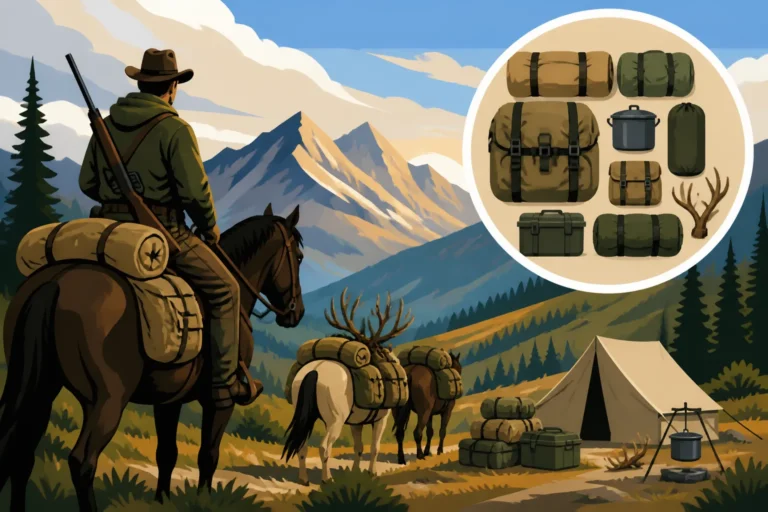
Outfitters offer a diverse menu of hunting experiences, from bare-bones drop camps to luxurious, fully guided trips. A drop camp, for instance, is a popular option for hunters who want a backcountry experience but need help getting their gear and provisions deep into the wilderness. With a drop camp, the outfitter and their guides pack you and your equipment, often via horses or mules, to a pre-selected camp location, set up your tents, and leave you to hunt independently. They then return at a pre-arranged time to pack out your harvest and bring you back out. This can be a more affordable alternative to a fully guided hunt and is perfect for experienced hunters who enjoy the challenge of navigating and hunting on their own but want to bypass the grueling pack-in and pack-out logistics. Drop Camps in Idaho's Backcountry offer a unique blend of solitude and logistical support.
On the other end of the spectrum, a fully guided expedition covers everything. From the moment you arrive at the designated meeting point, the outfitter and their guides handle all the details: camp setup, meals, navigating to hunting areas, guiding the stalk, field dressing, and packing out your animal. This option is ideal for those new to western hunting, less familiar with the terrain, or simply wanting to maximize their time in the field without worrying about any of the camp chores. It’s also often a necessity for nonresidents pursuing specific species in wilderness areas, as previously discussed. Understanding What a Guided Idaho Elk Hunt Costs will give you a realistic expectation of the investment for these comprehensive services.
Accessing Remote Areas: Pack Strings, Jet Boats, and Airstrips
Idaho's wilderness is vast and rugged, and much of its best hunting ground is inaccessible by vehicle. This is where outfitters truly shine, leveraging specialized means of transport to get hunters into remote, low-pressure areas. Pack strings, consisting of horses and mules, are the traditional workhorses of backcountry hunting. Outfitters and their experienced guides are adept at navigating treacherous trails, crossing rivers, and hauling heavy loads of gear and game through the mountains. These animals aren't just transportation; they are integral to many backcountry operations.
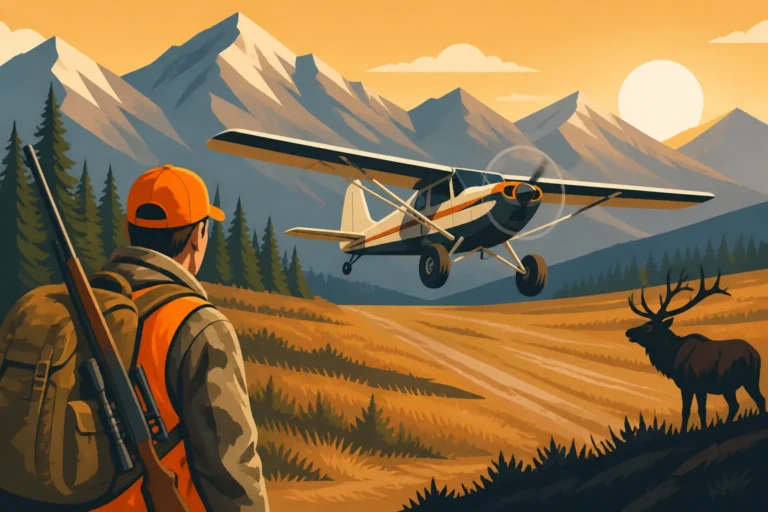
Beyond hooves, some outfitters utilize unique forms of access. Backcountry Airstrips and Jet Boats Change Idaho Access significantly. Imagine flying into a remote airstrip deep in a wilderness area, completely surrounded by roadless country. This allows access to areas that would take days to reach by foot or horseback, maximizing hunting time. Similarly, jet boats can navigate shallow, fast-moving rivers like the Salmon or Snake, providing access to canyon country that is otherwise impenetrable. These methods require specialized equipment, permits, and highly skilled operators, all of which are part of an outfitter's unique offering. When you book with an outfitter, you're not just buying their knowledge; you're buying access to these logistical solutions that open up parts of Idaho few hunters ever get to experience.
Managing Logistics: Food, Gear, and Camp
Beyond the actual hunt, the logistics of a backcountry trip can be overwhelming. What food do you pack? How much water? What specialized gear do you need for unpredictable mountain weather? This is where the outfitter's expertise in logistical management becomes invaluable. They handle meal planning, ensuring nutritious and satisfying food is available throughout the hunt. They know what gear is essential for the terrain and conditions, often providing communal items like cooking equipment, tents, and even satellite communication devices for emergencies.
For a fully guided hunt, this means a comfortable and well-organized camp, often with heated wall tents, cots, and a dedicated cook. For drop camps, they ensure all your personal gear, food, and hunting equipment are safely transported to and from the site. This meticulous attention to detail frees the hunter from the burdens of planning, packing, and managing a remote camp, allowing them to conserve energy and focus entirely on the hunt. Booking an Idaho Hunt Around the Draw Calendar with an outfitter also helps with this, as they understand the timing for applications and tag acquisition, streamlining that entire complex process for you. It's truly a comprehensive service designed to make your Idaho hunting dreams a reality, with all the heavy lifting handled by professionals.
Disclaimer
This article is for general informational purposes only and does not constitute professional advice. Laws, prices and regulations vary by location and change over time. Consult a qualified professional for guidance on your specific situation.