Seasonal Road Closures Across Idaho Forests
There’s nothing quite like the crushing disappointment of planning an Idaho hunting trip for months, visualizing that perfect timber stand or sagebrush flat, only to arrive and find your access road gated and locked. It’s a common frustration many of us face, turning what should be an exciting start to a hunt into a sudden scramble for a new plan. This guide is here to help you understand the ins and outs of seasonal road closures across Idaho’s vast forests, so you can anticipate them and build a more successful hunting strategy.
The Critical Reasons Behind Idaho's Road Closures
When you encounter a closed gate or a "road closed" sign deep in the national forest, it's easy to feel like the powers-that-be are just trying to make your life harder. But the truth is, these closures are implemented for very important reasons, directly benefiting the wildlife, the land itself, and even your own safety. Understanding why these roads are closed can help you plan better and even find new opportunities.
Protecting Crucial Winter Range and Sensitive Wildlife
One of the primary drivers behind seasonal road closures in Idaho, especially during late fall, winter, and early spring, is the protection of crucial wildlife winter range. Think about it: our harsh Idaho winters force elk, deer, and other big game animals down to lower elevations where food is more accessible and the snow isn't quite as deep. These areas are their lifeline. Unrestricted vehicle access can stress these animals, forcing them to expend precious energy trying to avoid vehicles and human activity. This added stress can be deadly, especially for calves and fawns, or for animals already weakened by the cold and lack of forage.
Beyond big game, many sensitive species rely on undisturbed habitats during specific times of the year, whether it's for nesting, calving, or simply surviving. The Forest Service and Bureau of Land Management (BLM) work closely with Idaho Fish and Game to identify these critical areas and implement closures that give wildlife the space they need. It’s not about keeping hunters out; it’s about ensuring there's a healthy population of game for future generations to hunt. These closures create sanctuaries where animals can survive the toughest months without constant disturbance, ensuring they're healthy when hunting season rolls around again. In many units, you’ll notice that Idaho Winter Range Closures That Affect Scouting often align with road closures, making it a dual-purpose restriction.
Preventing Resource Damage and Erosion
Idaho's terrain is rugged and beautiful, but it's also incredibly fragile, especially when wet. Driving on soft, saturated roads, particularly those with steep grades or poor drainage, can cause significant damage. Vehicle tires churn up mud, create deep ruts, and can quickly lead to severe erosion. This erosion doesn't just make the road impassable; it washes sediment into streams and rivers, negatively impacting water quality and fish habitat. Imagine a logging road after a heavy rain: a single truck can turn it into a muddy mess that takes weeks to dry out and months to recover.
The cost to repair these damaged roads is astronomical, diverting funds that could be used for other critical forest management activities. By closing roads during wet periods (spring thaws, heavy rains, or deep snowmelt), land managers prevent irreversible damage. It's a proactive measure to maintain the integrity of our forest road systems for long-term access, and to protect the delicate ecosystems downstream. Sometimes, road work or heavy machinery operation also necessitates temporary closures to ensure worker safety and efficient project completion, like after a wildfire or during major timber operations.
Ensuring Public Safety and Road Maintenance
Beyond wildlife and environmental concerns, public safety is a huge factor. Many forest roads in Idaho are not maintained to the same standards as state highways. They can be narrow, winding, steep, and prone to washouts, rockslides, or deep snowdrifts. During winter, snow and ice can make these roads extremely hazardous, if not completely impassable. Imagine driving an old logging road in the dark, only to find a massive tree down across your path or a section of the road completely gone due to a landslide. It's not just an inconvenience; it can be a life-threatening situation.
Seasonal closures often coincide with periods when snow depths are too great for safe travel, or when spring melt creates conditions ripe for landslides and mudslides. These closures prevent hunters, recreationists, and other forest users from getting stranded, injured, or putting themselves in dangerous situations. They also allow for necessary maintenance work, like grading, culvert repair, or clearing downed timber, without the added complication of public traffic. It's about ensuring that when the roads are open, they're as safe and accessible as possible within their designated use.
Decoding the Different Types of Road Closures
Not all road closures are created equal. You might encounter a locked gate, a sign that simply says "seasonal closure," or discover that certain routes are only open to specific types of vehicles during certain times. Knowing the nuances can help you anticipate what to expect and how to interpret the information you find on maps or at trailheads.
Understanding Seasonal Gates and Barriers
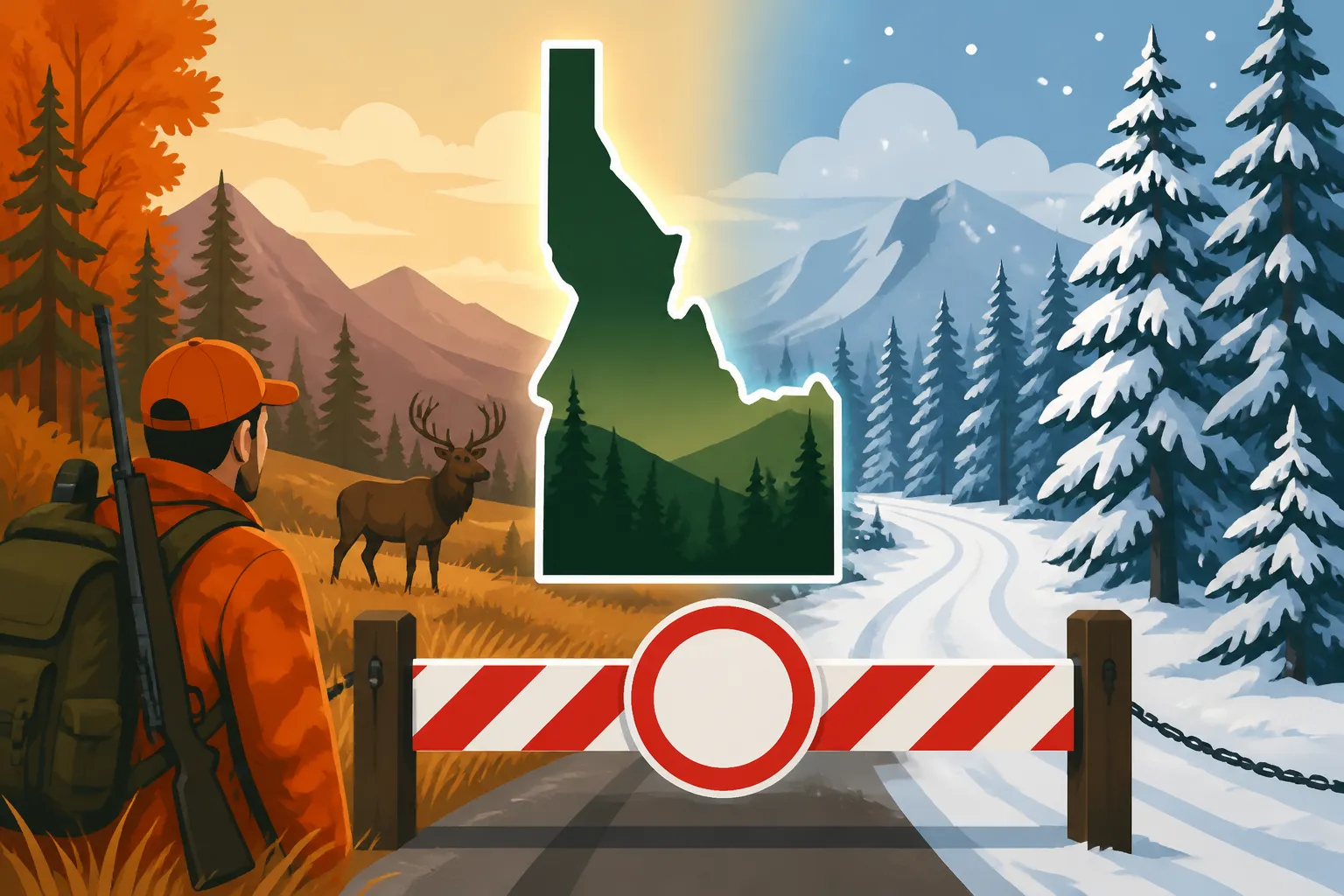
These are probably the most common type of closures you'll run into in Idaho's forests. Seasonal gates and physical barriers are often placed on roads that lead into sensitive winter range areas, or on routes particularly susceptible to damage during wet conditions. These closures are typically predictable, with set opening and closing dates that are usually announced by the Forest Service or BLM well in advance. For example, many roads that access higher elevation summer range might be gated in November and not reopen until late May or early June, allowing the ground to dry out and wildlife to move unhindered during their most vulnerable period.
You’ll see these gates on various types of roads, from main access points to smaller spurs. They're usually marked with signs indicating the purpose of the closure and the dates it's in effect. It’s important to remember that these gates are often designed for vehicles, but foot traffic, mountain bikes, and horses are typically still allowed beyond them. This can actually create fantastic opportunities for hunters willing to put in the effort, offering access to less-pressured areas. Idaho's Motorized Hunting Rule Runs August Into December is another key regulation that often works in conjunction with these seasonal gates, limiting vehicle use even on roads that might appear open.
Emergency and Temporary Closures
These are the less predictable, "surprise" closures that can really throw a wrench into your plans. Emergency closures are often implemented due to immediate threats or events, such as active wildfires, post-fire rehabilitation efforts, severe flooding, major washouts, or even localized landslides. These closures can happen at any time of year and are usually put in place with little to no advance warning, as the situation dictates.
Imagine a wildfire breaking out in August, encompassing your favorite hunting unit. Access roads would be immediately closed for public safety, allowing firefighters to work unhindered. After the fire is contained, areas might remain closed for months or even years for rehabilitation, to prevent erosion, or to allow timber salvage operations. Similarly, heavy spring rains could wash out a bridge or a section of road, leading to an emergency closure until repairs can be made. These temporary closures are crucial for safety and resource recovery, but they underscore the need for hunters to check conditions right up until their departure.
Motor Vehicle Use Map MVUM Restrictions
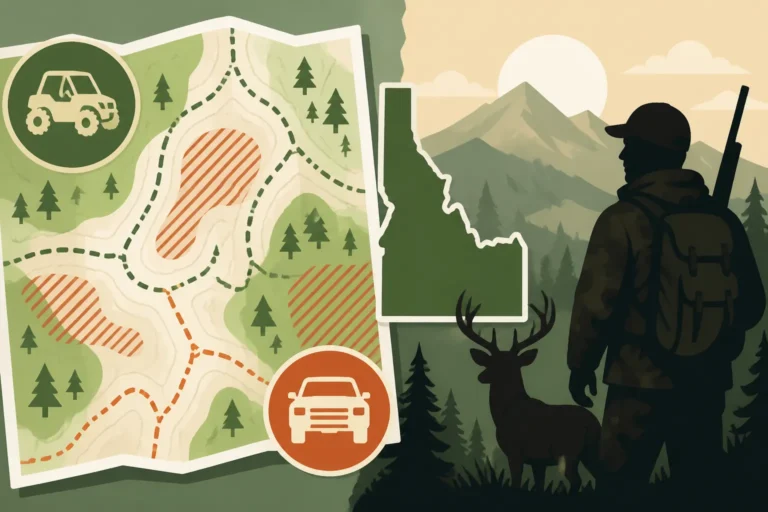
Motor Vehicle Use Maps (MVUMs) are your best friend when navigating Idaho's national forests and understanding where you can and cannot drive. These maps, issued by each National Forest, are the official legal documents detailing where motorized vehicles are allowed. They distinguish between roads open to highway-legal vehicles, those open to off-highway vehicles (OHVs) like ATVs and UTVs, and those that are permanently closed to all motorized traffic. What's crucial to understand is that MVUMs also designate seasonal restrictions.
An MVUM might show a road as open, but with a specific seasonal caveat, like "Open May 15 – November 30." If you're looking at a standard Forest Service map or a digital map layer without the MVUM data, you might miss these critical details. Always consult the official MVUMs for the specific National Forest or Ranger District you plan to hunt. Digital mapping tools like onX Hunt have integrated these MVUM layers, making it much easier to visualize legal routes and their associated seasonal limitations. This is especially vital when considering Driving Off Established Roads Is Prohibited in Idaho, as MVUMs clearly delineate what counts as an "established road" for motorized travel.
| Type of Closure | Typical Reason(s) | When It Occurs | How to Identify | Hunter Opportunity |
|---|---|---|---|---|
| Seasonal Gate/Barrier | Winter range protection, wet season damage | Predictable dates (e.g., Nov-May) | Physical gate, "seasonal closure" sign | Foot/horse access |
| Emergency/Temporary | Wildfires, floods, landslides, critical repairs | Unpredictable, as needed | Posted signs, news alerts, agency websites | Plan B, monitor updates |
| MVUM Restrictions | Long-term management, specific vehicle types, seasons | Defined dates on official maps, year-round | Official MVUMs, digital map layers (e.g. onX Hunt) | Legal vehicle use, non-motorized access |
How to Find Critical Closure Information
The key to navigating Idaho's seasonal road closures successfully is doing your homework before you ever leave home. Relying on outdated maps or general assumptions can lead to wasted time, fuel, and significant frustration. Luckily, there are several excellent resources available to help you stay informed.
Idaho Fish and Game Resources
While Idaho Fish and Game (IDFG) primarily manages wildlife and hunting seasons, they often work in conjunction with land management agencies to communicate access restrictions that impact hunters. Their website is a treasure trove of information, and it's always the first place I check when planning a hunt. You'll find sections dedicated to specific game management units, regulations, and sometimes even direct links or advisories regarding access.
The IDFG often posts news releases or special announcements about significant closures, especially those related to winter range protection or large-scale events like wildfires. Don't overlook the importance of calling your local IDFG regional office. The staff there are intimately familiar with local conditions, current closures, and often have insights that aren't yet updated on websites. They can be invaluable for clarifying nuanced regulations or getting real-time updates on conditions that might not be widely published. Remember, understanding How Idaho Numbers Its Game Management Units will help you quickly find unit-specific information on their site.
National Forest and Bureau of Land Management Websites
Since most of Idaho's hunting occurs on federal public lands, the websites of the U.S. Forest Service (USFS) and the Bureau of Land Management (BLM) are absolutely essential. Each National Forest (e.g., Boise National Forest, Payette National Forest, Salmon-Challis National Forest) and BLM District has its own website, where they post detailed information on road conditions, seasonal closures, MVUMs, and emergency alerts.
- USFS Websites: Look for sections like "Recreation," "Alerts & Notices," or "Motor Vehicle Use Maps." You can usually download MVUMs directly from these sites, which are critical for understanding specific road allowances. These sites are regularly updated with information on everything from fire restrictions to specific road repairs.
- BLM Websites: Similar to the Forest Service, BLM offices provide maps and information specific to their managed lands. They’re particularly important for hunting mule deer and antelope in southern Idaho's sagebrush country.
- Contact Local Offices: Just like with IDFG, don't hesitate to call the Ranger District office for the specific area you plan to hunt. The local staff are usually the most knowledgeable about current conditions and temporary closures. They often have maps showing current snow lines, recent washouts, or unexpected gate closures.
Leveraging Hunting Apps and Digital Tools
In today's hunting world, digital mapping applications have become indispensable, and they are particularly powerful for navigating road closures. Platforms like onX Hunt and GoHunt have revolutionized how hunters access and interpret land information, often integrating official data layers directly into their maps.
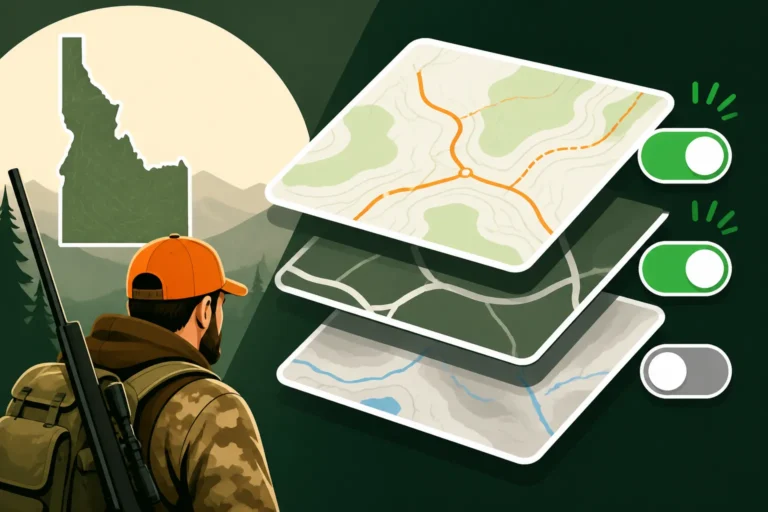
onX Hunt, for example, overlays land ownership, MVUMs, and often includes information on gates and seasonal road restrictions. You can zoom in on your planned route, see if a road is designated as seasonally closed, and get specific dates directly on the map. This visual representation is incredibly helpful for pre-season scouting. You can identify potential access points, pinpoint roads that will be closed, and plan alternative routes or hike-in options. Using onX Layers for Idaho Public Land is a game-changer for this type of detailed planning.
Similarly, GoHunt offers robust planning tools that often include information on access and potential restrictions, helping you visualize your hunt area from a bird's-eye view. Both these apps allow you to download maps for offline use, which is crucial when you're deep in the backcountry with no cell service. They provide an immediate, visual understanding of where you can and cannot drive, saving you countless hours of driving up to a locked gate. They can also help you understand Road and Trail Layers for Scouting Idaho Access and assess the best ways to get into an area.
Strategizing Your Hunt Around Known Closures
Knowledge is power, especially when it comes to hunting. Once you understand the reasons behind road closures and how to find up-to-date information, you can proactively build these realities into your hunt plan, turning potential obstacles into unique opportunities.
The Power of Pre-Season Scouting and Research
This cannot be stressed enough: do your homework! Your pre-season preparation should include a deep dive into maps and agency websites for your chosen hunting unit. Start by pulling up the MVUMs for the National Forest or BLM land you intend to hunt. Identify all potential access roads and cross-reference them with seasonal closure dates. Print physical copies of these maps and highlight the restricted areas.
Digital scouting with tools like onX Hunt is invaluable. Spend hours "driving" those virtual roads, marking potential gates, and identifying alternative routes or trailheads that remain accessible even when roads are closed. Look for roads that parallel ridges or drainages, but might be further back from common access points. Research the historical opening and closing dates for specific roads. While these can vary, they provide a good baseline. Don't just look at the road to your spot; consider the roads around it. Sometimes, a slightly longer hike from an open road can put you in less pressured country. The Idaho Hunt Planner Is the Tool to Start With also provides excellent map resources and links to relevant agencies, making it a good hub for starting your research.
Developing Backup Plans and Embracing Adaptability
Even with the best pre-season research, unforeseen closures can happen. Wildfires, early snow, or unexpected road damage can force last-minute changes. This is where adaptability becomes your greatest hunting asset. Always have a Plan B (and maybe a Plan C!). If your primary access road is closed, what's your next option? Is there another road that goes into the same general area, even if it means a longer hike? Or do you have a completely different unit or area scouted out as a fallback?
This might mean being ready to transition from a vehicle-supported hunt to a backpack hunt, or packing a mountain bike to cover more ground beyond a closed gate. It means embracing the fact that sometimes, the best hunting spots are the ones that require the most effort to reach. Carrying extra maps, having multiple GPS waypoints for different access points, and being mentally prepared to change course can save your hunt from total derailment. It's frustrating, absolutely, but hunters who can pivot quickly are often the most successful.
Unlocking Opportunities: Foot and Horse Access Beyond Gates
Here's the silver lining: every closed gate that frustrates motorized vehicle access opens up a world of opportunity for those willing to go in on foot or horseback. Roads that are closed to vehicles often remain open to non-motorized travel, creating vast areas of reduced pressure. This means that many animals that typically get pushed deeper into the backcountry by vehicle traffic during open seasons might stay closer to these "roaded-but-closed" areas, knowing they have a haven from vehicles.
For the hunter who embraces backpacking, mountain biking, or horse packing, these closures can lead to exceptional hunting. Imagine miles of forest roads leading into prime habitat, with no engine noise, no dust from passing trucks, and significantly fewer hunters. These areas can feel like mini-wilderness zones, accessible without the complexities of a true wilderness permit. If you have the physical capability and the right gear, intentionally targeting areas with known seasonal road closures can be a highly effective strategy for finding unpressured game. Remember, just because a gate is closed, doesn't mean the hunting is closed. It often just means the road is closed to motor vehicles, creating an opportunity for those willing to earn it on their own two feet (or four hooves!).
Disclaimer
This article is for general informational purposes only and does not constitute professional advice. Laws, prices and regulations vary by location and change over time. Consult a qualified professional for guidance on your specific situation.