Access Across the Boise National Forest
Oh, the Boise National Forest! It’s a name that conjures images of towering pines, rugged mountains, and the promise of a big game hunt. But for many hunters, especially those new to Idaho or even just new to a particular unit, the sheer size and complexity of accessing this vast public land can feel overwhelming. You stare at maps, digital or paper, and wonder, "Where do I even start? What roads are open? Can I camp there?" It’s a completely valid frustration. This guide is here to untangle the maze of access, helping you understand how to navigate and utilize the incredible hunting opportunities within the Boise National Forest.
What Makes the Boise National Forest Unique for Hunters
The Boise National Forest is a colossal chunk of public land, sprawling across central Idaho and touching everything from the suburbs of Boise to some truly remote backcountry. It’s a place of incredible beauty and diverse ecosystems, but it’s also a working forest with a lot of moving parts. Understanding its character is your first step to unlocking its hunting potential.
Diverse Terrain and Species
When you picture the Boise National Forest, don't just imagine one type of landscape. This place is a mosaic. You’ve got steep, timbered slopes that transition into open, sage-covered benches. There are deep river drainages like the South Fork of the Payette and the Middle Fork of the Boise, flanked by thick conifer stands. This incredible variety in terrain translates directly into diverse hunting opportunities. You'll find good numbers of Rocky Mountain elk, often tucked away in those dark timber pockets or feeding on open slopes at dawn and dusk. Mule deer roam the higher country in the early season and drop into the lower sagebrush draws as the snow flies. Black bears are common throughout the forest, often spotted feasting on berries in the fall. And don't forget about the upland birds like grouse that frequent the timbered areas.
This mix of environments means your hunting strategy needs to be flexible. What works for glassing mule deer on a dry, open ridge won't cut it for still-hunting a bull elk in dense timber. The challenges are real – steep climbs, thick brush, and unpredictable weather – but the rewards of chasing game in such a dynamic landscape are truly special. It forces you to become a more versatile hunter, adapting your approach to the specific habitat you’re in.
Proximity to Population Centers
One of the Boise National Forest's defining characteristics is its relative proximity to a major population center like Boise. This is both a blessing and, let's be honest, a bit of a curse for hunters. On one hand, it means easier access for many. A quick drive and you can be deep in elk country, saving precious vacation days. For residents, it allows for more frequent scouting trips, day hunts, or quick weekend excursions. The convenience is undeniable, making it a truly accessible big game playground.
However, this accessibility also means higher hunting pressure in many areas, particularly along popular road systems and closer to town. If you’re planning a general season rifle hunt, expect to see other vehicles and potentially other hunters. This isn't necessarily a bad thing, but it means you'll need to work harder to find solitude and undisturbed game. Animals quickly learn to move deeper into cover or become more nocturnal when pressure mounts. This often means embracing the backcountry, even if it's just a few miles from a trailhead, or targeting less accessible areas. It’s a trade-off, but knowing what to expect helps you plan accordingly and manage your expectations.
Navigating Roads and Trails in the Boise National Forest
Getting into the Boise National Forest is one thing; moving around once you're there is another entirely. The forest has an extensive network of roads and trails, but knowing which ones are open, when, and to what kind of vehicle is absolutely crucial for a legal and successful hunt.
Understanding Motor Vehicle Use Maps (MVUMs)
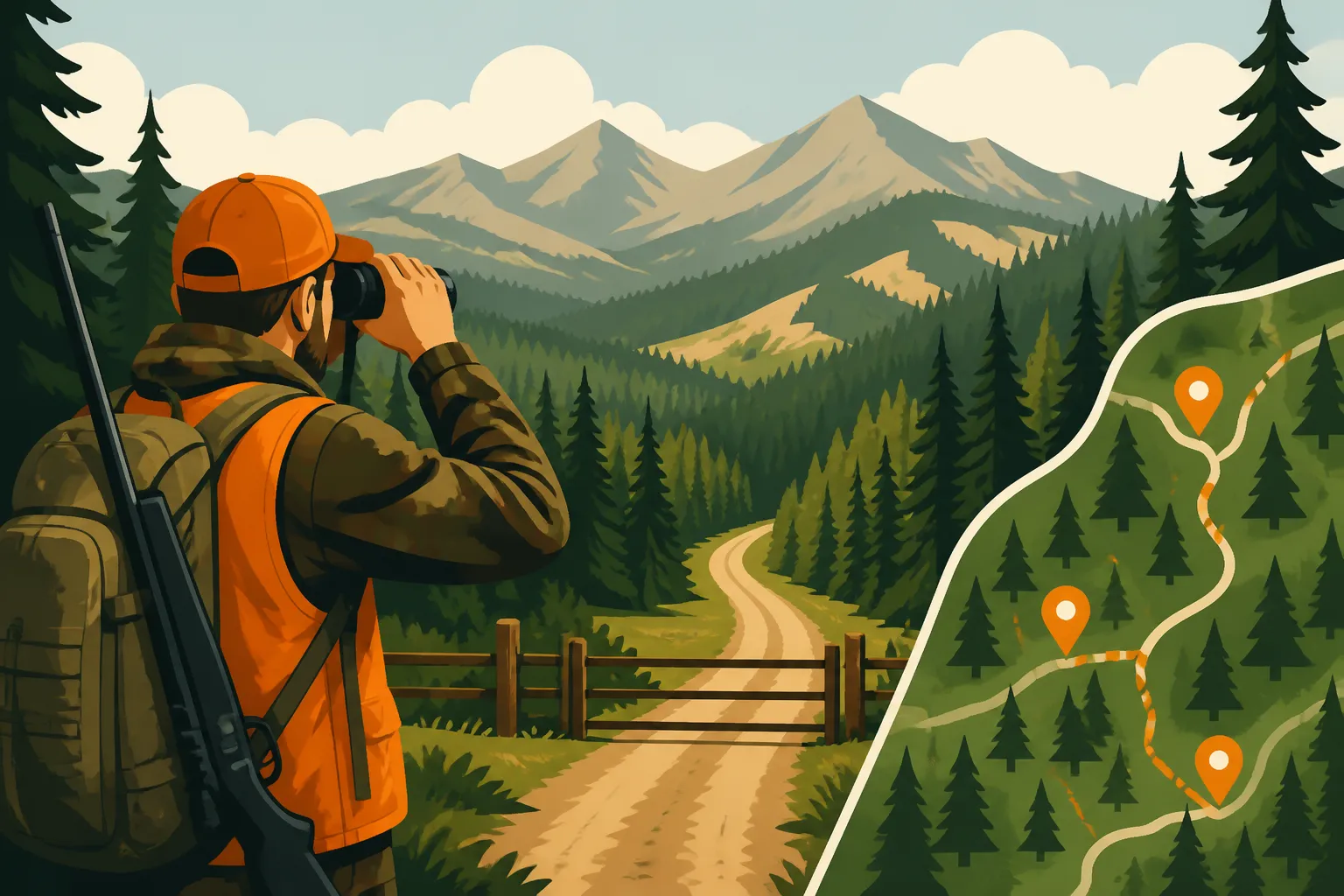
If you're going to hunt in the Boise National Forest, your new best friend needs to be the Motor Vehicle Use Map, or MVUM. These aren't your typical recreational maps; they are the official legal document dictating where and when you can drive a motorized vehicle. Trust me, you need to understand these. MVUMs show designated roads and trails for different types of vehicles – highways, open roads for cars, routes for ATVs, and even routes open only to motorcycles. More importantly, they clearly mark seasonal closures, which are incredibly common in the Boise National Forest. Idaho's Motorized Hunting Rule Runs August Into December
The trick is learning to read them. A solid black line might indicate a road open year-round to highway-legal vehicles, while a dotted line might be a seasonal route. Different symbols designate roads open to ATVs or motorcycles. Ignoring these maps can lead to fines, resource damage, and even getting your vehicle stuck or impounded. Many hunting apps, like onX Hunt, integrate MVUM data directly into their mapping layers, making it incredibly easy to see what's open or closed in real-time on your phone (even without cell service, if you download the maps beforehand!). Always cross-reference with the official MVUMs from the Forest Service website or a local ranger station.
Seasonal Road Closures and Their Impact
Seasonal road closures are a huge factor in Boise National Forest access, and they can significantly shape your hunting strategy. These closures happen for a variety of reasons: protecting wintering big game animals, preventing road damage during spring thaw when things are muddy, or even due to fire danger in the dry summer months. For example, many roads are closed during the winter and spring to protect deer and elk on their crucial winter range. As a hunter, this means that the road you drove in on during an early archery season might be gated come late rifle season. Seasonal Road Closures Across Idaho Forests
While these closures can be frustrating if you rely on vehicle access, they also present an opportunity for those willing to walk. Roads that are closed to motorized traffic often become fantastic foot or bicycle access points into areas that see less pressure. This creates sanctuaries where game might feel safer. It's vital to check the current closure dates for the specific unit you plan to hunt well in advance. Don't just assume a road will be open because it was last year; conditions and regulations change. These closures impact everything from where you can set up a spike camp to how long your pack-out might be, so a thorough understanding is non-negotiable.
Trail Systems for Foot and Horse Access
Beyond the motorized routes, the Boise National Forest boasts an impressive network of non-motorized trails. These trails are your gateway to the deeper, quieter corners of the forest where the biggest bulls and bucks often reside. Whether you’re on foot, with a horse, or even a mountain bike (where allowed), these trails can take you far from the road system and into genuine wilderness-like experiences. Navigating these backcountry trails requires a different mindset and skillset. You'll need good physical conditioning, especially if you plan to pack out a harvested animal over several miles of uneven terrain. Packing an Elk Out of Steep Country Alone
For many, using pack horses or mules is the traditional and most effective way to access remote camps and haul out game from these areas. Outfitters specializing in pack trips can be an invaluable resource if you're not equipped for such an undertaking yourself. If you're going DIY, make sure your navigation skills are sharp – a GPS device with downloaded maps is a must, but a physical map and compass are also wise backups. These trails offer the solitude many hunters crave, but they demand respect, preparedness, and a willingness to truly earn your animal.
Understanding Camping and Regulations in the Boise National Forest
Where you lay your head at night and how you manage your camp are critical considerations when hunting the Boise National Forest. Knowing the rules and best practices for camping ensures a safe, legal, and respectful experience for both you and the environment.
Dispersed Camping Opportunities
One of the great freedoms of hunting on national forest land is the ability to do dispersed camping. This means you can pretty much pitch your tent or park your rig anywhere that isn't a developed campground, as long as you adhere to certain regulations. It's the ultimate base camp flexibility, allowing you to set up right where you want to hunt, rather than being confined to a designated spot. Typically, you'll need to be a certain distance from developed recreation sites, water sources, and paved roads. The core principle of dispersed camping is "Leave No Trace." Pack out everything you pack in, minimize your impact, and leave your campsite cleaner than you found it. Camping on Forest Ground During Hunting Season
Many hunters prefer dispersed camping because it offers more privacy and the chance to be closer to their hunting grounds. You can find a secluded pull-off, tuck your camp into a stand of trees, and truly immerse yourself in the forest. Just remember to check for any local fire restrictions, which are common during dry periods, and always have a shovel and plenty of water for extinguishing any fires you might build. The Boise National Forest is vast, offering countless spots to make your temporary home, but that freedom comes with the responsibility of careful stewardship.
Developed Campgrounds and Amenities
While dispersed camping offers solitude, sometimes the convenience of a developed campground is appealing, especially for families or those who prefer a few more amenities. The Boise National Forest has numerous developed campgrounds, many located near rivers and lakes, offering designated sites, picnic tables, fire rings, and often vault toilets. Some even have potable water or hosts. These campgrounds can serve as excellent base camps, particularly if you're bringing a larger RV or have members of your hunting party who prefer a bit more comfort.
However, developed campgrounds tend to fill up, especially during peak hunting seasons or on weekends. Many operate on a first-come, first-served basis, while others allow for reservations through systems like Recreation.gov. If you're planning to use a developed campground, it's a good idea to research options and availability well in advance. While they might be further from prime hunting areas, they offer a reliable and comfortable place to return to after a long day in the field, and a hot meal cooked over a campfire can be a true luxury after a cold morning stalk.
Food Storage in Bear Country
A critical aspect of camping in the Boise National Forest, and indeed most of Idaho, is proper food storage, especially given the presence of black bears. While grizzly bears are primarily found in northern and eastern Idaho, black bears are widespread throughout the Boise National Forest, and an encounter with a food-conditioned bear is a situation you absolutely want to avoid. Bears have an incredible sense of smell and are opportunistic feeders. Leaving food, scented toiletries, or even cooking gear exposed is an open invitation. Bear Safety Practices in an Outfitter Camp
The general rule is to store all food and scented items (toothpaste, sunscreen, bug spray, cooking pots) in a bear-resistant container, a hard-sided vehicle, or properly hung from a tree. If hanging food, it should be at least 10-12 feet off the ground and 4-6 feet from the tree trunk, making it inaccessible. Always cook and eat at least 100 yards downwind from your sleeping area to minimize odors around your tent. Keeping a clean camp is paramount; don't leave scraps or dirty dishes lying around. Taking these precautions not only protects you and your gear but also helps keep bears wild and prevents them from becoming a nuisance or, worse, being euthanized due to human negligence.
Leveraging Tools for Better Boise National Forest Access
In today's hunting world, technology and good old-fashioned local knowledge go hand-in-hand to ensure you have the best possible access and information for your Boise National Forest hunt. Don't head into the woods without these resources in your back pocket.
Digital Mapping and GPS (onX Hunt / GoHunt)
Modern digital mapping applications are absolute game-changers for navigating public lands, and the Boise National Forest is no exception. Apps like onX Hunt have revolutionized how hunters approach access. With onX Hunt, you can instantly see property boundaries (public vs. private), roads, trails, wilderness areas, and even MVUM data right on your smartphone or GPS device. This is invaluable for identifying legal access points, avoiding accidental trespass onto private land, and understanding the lay of the land before you even step foot out of your truck. Using onX Layers for Idaho Public Land You can download maps for offline use, which is critical in the often signal-less canyons of the Boise National Forest. This ensures you always know where you are, even miles from cell service.
Another fantastic resource is GoHunt. While not a mapping app in the same vein as onX Hunt, GoHunt provides detailed unit overviews, draw odds, harvest statistics, and a wealth of information that can help you select the right unit within the Boise National Forest. It helps you understand what kind of hunting opportunities exist in a particular area, which can then inform your planning when you dive into the maps. These tools, used together, empower you to plan more effectively and navigate confidently. E-Scouting an Idaho Unit Before the Season
Physical Maps and Local Resources
While digital maps are amazing, never underestimate the value of a physical, paper map. Batteries die, screens crack, and signals vanish. A waterproof, tear-resistant topographical map of your hunting area, combined with a compass, is an essential backup. Forest Service maps (which often include MVUM data) or detailed topographic maps are available at ranger stations, sporting goods stores, or online. Mark your planned routes, potential camping spots, and emergency egress points on these maps.
Beyond maps, local knowledge is golden. Before your hunt, stop by the local Forest Service ranger district office that manages your unit. They can provide current information on road closures, fire restrictions, water sources, and even local game movements. Chat with folks at local sporting goods stores or diners in towns like Lowman, Stanley, or Idaho City. These are often hubs for hunters, and you might pick up invaluable tips on current conditions or less-pressured areas. Never be afraid to ask for advice; most local hunters and residents are happy to share general knowledge, even if they won't give away their secret spot.
Scouting Before Your Hunt
The best map, digital or physical, is no substitute for actual boots-on-the-ground scouting. If possible, make at least one trip to your chosen area in the weeks or months leading up to your hunt. This allows you to physically verify road conditions, check for new closures, identify trailheads, and get a feel for the terrain that a flat map can never fully convey. You’ll be able to see water sources, assess timber density, and maybe even find fresh game sign.
If an in-person scouting trip isn't feasible, leverage digital tools to their fullest. Use satellite imagery on your mapping app to identify potential bedding areas, feeding zones, and travel corridors. Look for benches, saddles, and drainages that funnel game. Pay attention to north-facing slopes for dense timber and south-facing slopes for earlier green-up and winter forage. Understanding the terrain and how animals use it is key to successful hunting, and scouting, in any form, provides that critical insight. A well-scouted area, even if only virtually, gives you a significant advantage when the season finally arrives. Reading Terrain Before You Pick a Camp
Disclaimer
This article is for general informational purposes only and does not constitute professional advice. Laws, prices and regulations vary by location and change over time. Consult a qualified professional for guidance on your specific situation.