Hunting the Salmon-Challis National Forest
Hunting in the Salmon-Challis National Forest presents a unique challenge for any hunter. Its sheer size, rugged terrain, and remote wilderness areas can feel overwhelming, leaving many wondering where to even begin their planning. This guide aims to demystify the process, offering practical advice and deep insights into navigating this immense and iconic Idaho landscape for a successful and memorable hunting experience.
Understanding the Salmon-Challis National Forest Terrain and Climate
The Salmon-Challis National Forest isn't just big; it's a colossal piece of Idaho, stretching over 4.3 million acres. Imagine rolling sagebrush hills giving way to steep, timbered mountains, carved by deep canyons and pristine rivers. This isn't a place for the faint of heart or those seeking manicured hunting plots. It's truly wild, with elevations ranging from about 4,000 feet in the river bottoms to over 12,000 feet atop the highest peaks. This dramatic change in elevation means incredibly diverse habitats, from high alpine basins to dense conifer forests and open sage-steppe, all within the same general area. Understanding this varied landscape is step one in cracking the code of hunting here.
The ruggedness of the Salmon-Challis terrain directly impacts every aspect of a hunt. Access might be limited to foot or horseback in many areas, particularly as you move deeper into the wilderness. You'll encounter everything from dense lodgepole pine stands that limit visibility to wide-open, wind-swept ridges where a good spotting scope becomes your best friend. This diverse topography often means animals have vast areas to roam, making pattern recognition crucial but also incredibly rewarding when you finally locate a prime piece of habitat. It's a land that demands physical fitness and meticulous planning, but it repays that effort with solitude and genuine wilderness encounters.
The Rugged Landscape and Elevation Changes
When we talk about the Salmon-Challis, we're talking about serious mountains. The jagged peaks of the Lemhi, Lost River, and Salmon River Ranges dominate the skyline, giving hunters an incredible backdrop but also presenting significant physical barriers. You’ll find yourself navigating steep, loose scree slopes, climbing through thick stands of timber on north-facing aspects, and crossing drainages that seem to drop straight down into the earth. The sheer scale of the forest means that what looks like a short walk on a map can quickly turn into an all-day ordeal of climbing and descending. This is where your physical conditioning truly gets tested, and where robust, reliable gear becomes more than just a luxury – it's a necessity.
The varied elevation within the forest directly influences animal distribution throughout the hunting seasons. Early in the archery season, you might find elk in high alpine meadows, feeding on lush grasses. As rifle seasons progress and the weather turns colder, those same animals will often begin to push down into lower, more protected timbered slopes or river bottoms to escape deep snow and find forage. Mule deer, too, will shift from high summer range to critical wintering grounds, sometimes covering many miles. Successful hunting in Salmon-Challis means paying close attention to these elevational shifts and being prepared to follow the game, often into challenging and remote corners of the forest. The effort to reach these high-country haunts or deep canyon bottoms might be intense, but often, that's exactly where the biggest and least pressured animals are found.
Weather Patterns and Seasonal Challenges
Idaho's mountain weather is notoriously unpredictable, and the Salmon-Challis National Forest is no exception. Early archery seasons in late August and September can bring scorching daytime temperatures, making water sources critical for both you and the game. But don't let that fool you; an early September snowstorm isn't unheard of, especially at higher elevations, which can quickly drop temperatures into the freezing range and create muddy, treacherous conditions. By rifle season in October and November, snow is a given at higher elevations, and temperatures can plummet well below freezing. You'll need to be prepared for everything from crisp, clear bluebird days to white-out blizzards that can pin you down in camp.
This volatile weather directly dictates hunting strategies and gear choices. Being caught unprepared for a sudden temperature drop or heavy snowfall isn't just uncomfortable; it can be genuinely dangerous in such a remote environment. Hunters need to pack layers, waterproof outer shells, and reliable sleeping systems. Beyond personal comfort, understanding weather patterns helps predict animal movement. A fresh blanket of snow can often push elk and deer down into more accessible areas, while a severe cold snap might encourage them to seek shelter in dense timber. Always check the forecast leading up to your hunt and, crucially, be prepared for it to change on a dime once you're out there.
Navigating Regulations and Access in Salmon-Challis
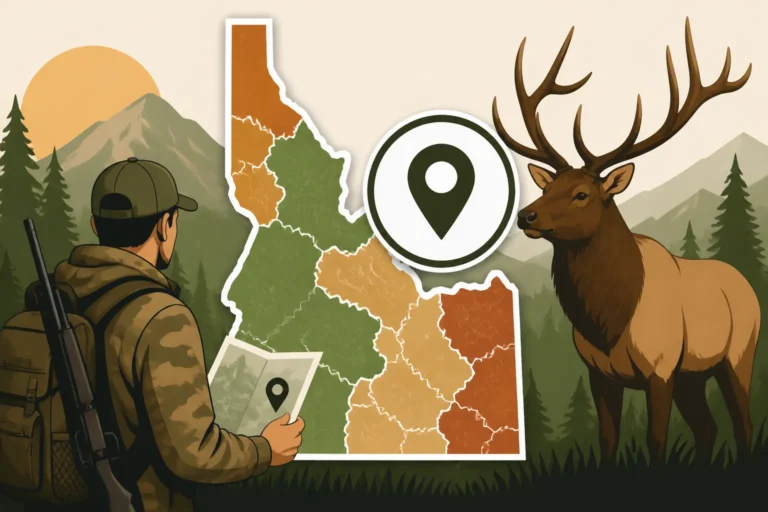
Hunting in a National Forest, especially one as vast and complex as Salmon-Challis, involves understanding several layers of regulations. There are general federal rules that apply to all National Forests regarding camping, fires, and resource use, but then there are specific Idaho Fish and Game regulations that dictate hunting seasons, weapon types, and tag requirements for the various game management units (GMUs) that fall within the forest boundaries. You can't just assume what applies in one part of the state applies here, so detailed research is absolutely critical to avoid unintentional violations.
The sheer remoteness of many areas within the Salmon-Challis also brings unique challenges and rules regarding access. Portions of the Frank Church-River of No Return Wilderness Area and the Selway-Bitterroot Wilderness Area extend into this forest, and these designated wilderness zones come with very strict regulations on motorized vehicles and, for nonresidents, even on guide requirements for certain species. Before you set foot in any unit, you need to know exactly where you are and what rules apply to that specific piece of ground. The Idaho Hunt Planner Is the Tool to Start With is an invaluable resource for this kind of detailed research, allowing you to cross-reference unit boundaries with wilderness designations.
General Forest Rules and Specific Hunting Units
The Salmon-Challis National Forest is a patchwork of Game Management Units (GMUs), each with its own set of rules regarding big game seasons. For example, some units might have general archery seasons, while others might be limited to controlled hunts where you need to draw a specific tag. Understanding which units your desired hunting area falls into, and then delving into the Idaho Fish and Game regulations for those specific units, is your absolute first step. This is where you’ll learn about weapon restrictions, season dates, and specific species regulations. Don't forget to check the official Idaho Fish and Game website for the most current regulations, as they can change annually.
Beyond the specific hunting regulations, remember you are on federal public land, and there are general forest rules to adhere to. These often cover things like campfire restrictions, food storage (especially in bear country), and dispersed camping guidelines. Always practice Leave No Trace principles to preserve this incredible resource for future generations. Tools like E-Scouting an Idaho Unit Before the Season can help you identify potential camping spots, water sources, and key terrain features well before you ever leave home. Pay close attention to Reading an Idaho Controlled Hunt Area Boundary to ensure you're always within the legal hunting zone for your tag.
Road Access, Wilderness, and Motorized Rules
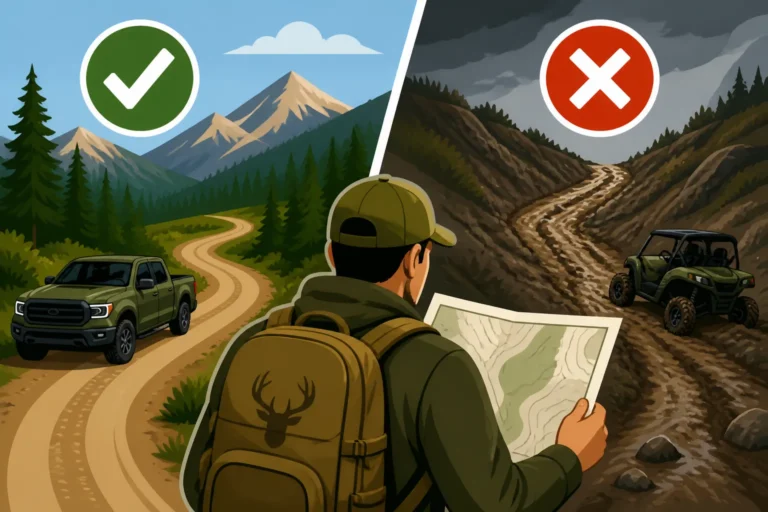
Access into the Salmon-Challis National Forest varies wildly. Some areas have well-maintained forest roads, while others are truly remote and require significant hiking or pack stock. However, even on established roads, you need to be aware of seasonal closures. Many higher elevation roads close down in late fall due to snow, sometimes earlier than you might expect, which can cut off access to prime hunting areas. It's crucial to consult Motor Vehicle Use Maps (MVUMs) from the Forest Service for the specific district you plan to hunt. These maps clearly show which roads are open, which are seasonal, and which are strictly closed to vehicle traffic. Never assume a track on a map is open; verify it first.
Crucially, substantial portions of the Salmon-Challis National Forest fall within designated wilderness areas, most notably the Frank Church-River of No Return Wilderness. Within these areas, motorized travel, including ATVs, dirt bikes, and even e-bikes, is strictly prohibited. For non-residents, there's an additional layer of complexity: you are required to hire a licensed outfitter or guide for certain big game species if you intend to hunt within a designated wilderness area. While deer and bear generally escape this rule, species like elk and bighorn sheep do not. This regulation is something every nonresident needs to understand before planning a wilderness hunt. Always familiarize yourself with Idaho's Motorized Hunting Rule Runs August Into December and the more specific implications of Motorized Vehicles Inside Wilderness Boundaries if you plan to venture into these profound landscapes. Consider looking into access into the Salmon-Challis National Forest to pinpoint specific entry points and trailheads suitable for your planned hunt.
Species to Hunt and Where to Find Them
The Salmon-Challis National Forest is a big game hunter's paradise, offering opportunities for elk, mule deer, black bear, mountain lion, and sometimes even wolf. Each species tends to favor different habitats and elevations, and understanding these preferences is key to a successful hunt. The sheer size of the forest means that game animals often have expansive home ranges, and finding them requires dedication, persistence, and a keen eye for sign. While big numbers aren't always guaranteed, the quality of the hunting experience and the potential for mature animals in remote settings is what draws many to this area.
This region is famous for its wild, free-ranging herds, a stark contrast to more developed hunting grounds. You'll find yourself truly immersed in their world, reading sign, tracking, and trying to outwit animals that haven't been constantly exposed to human pressure. But this also means you need to be prepared for long stalks, difficult retrieves, and the mental fortitude required when things don't go exactly as planned. The rewards, however, are immeasurable – a memory of a lifetime, not just a tag filled.
Elk and Mule Deer Opportunities
Elk are arguably the biggest draw for hunters coming to the Salmon-Challis, and for good reason. The forest provides vast expanses of ideal elk habitat, from dense timber where they bed during the day to open parks and clearings where they feed at dawn and dusk. The area spans multiple elk zones, and understanding which zones your hunt unit falls into, and its specific Elk Herd Distribution by Zone, is crucial. During the archery season in September, the sound of a bugling bull echoing through a canyon is an experience that truly defines western hunting. As seasons progress, elk will move, often descending from higher elevations into timbered draws and river bottoms as snow begins to fall, so adapting your strategy to seasonal movements is key.
Mule deer also thrive across the varied landscapes of the Salmon-Challis, from the high desert sagebrush country to the timbered mountainsides. Bucks will often hold tight to secluded timber pockets or steep, rocky breaks, making them challenging to spot. During the rut, typically in November, they become more active, and savvy hunters can capitalize on this increased movement. Focusing on Mule Deer Winter Range Across the High Desert can be productive, particularly later in the season. These elusive animals often require patience and methodical glassing of vast areas, often rewarded with the sight of a magnificent buck moving through rugged terrain.
Other Big Game and Predators
Beyond elk and mule deer, the Salmon-Challis National Forest offers opportunities for black bear. Both spring and fall bear seasons are available, with spring hunts often focusing on green-ups and south-facing slopes, while fall hunts might see bears concentrated on berry patches or mast crops. Color phase bears—cinnamon, blonde, and chocolate—are common in Idaho, adding to the excitement. Mountain lion hunts are also possible, typically pursued with hounds, and offer an incredibly physical and intense experience. Wolves are present throughout the forest, and while challenging to hunt, a wolf tag provides another layer of opportunity for the dedicated predator hunter.
Small game and upland bird opportunities exist as well, though often secondary to the big game pursuits. Forest grouse (ruffed, blue, and spruce) can be found in timbered areas, and chukar or Hungarian partridge might be present in the lower elevation breaks and canyon country. These can be a fun diversion or an added challenge while pursuing big game.
Here's a quick overview of some common species in Salmon-Challis:
| Species | Primary Habitat | General Season Notes |
|---|---|---|
| Elk | Dense timber, high alpine meadows, river bottoms | Archery (Sep), Rifle (Oct-Nov); check specific zone/unit |
| Mule Deer | Sagebrush flats, rocky breaks, timbered slopes | Archery (Sep), Rifle (Oct-Nov); often later season for rut |
| Black Bear | Timbered slopes, berry patches, riparian areas | Spring (Apr-Jun), Fall (Aug-Nov); spot & stalk or baiting |
| Mountain Lion | Rugged canyons, dense cover, rocky outcrops | Fall/Winter (Aug-Mar); typically hound hunting, quota based |
| Wolf | Throughout forest, often near elk/deer herds | Year-round in some units; check specific unit regulations |
| Forest Grouse | Conifer forests, riparian zones | Fall (Aug-Dec); often found opportunistically |
Essential Gear and Planning for a Salmon-Challis Hunt
Hunting the Salmon-Challis National Forest demands a high level of preparation, both in terms of physical fitness and the gear you bring. This isn't a place where you can rely on quick trips back to town for forgotten items. The remote nature of many units means you're often days from the nearest paved road, requiring self-sufficiency and a well-thought-out packing list. The rugged terrain and unpredictable weather compound these challenges, making the right gear not just helpful, but critical for safety and success. Investing in quality equipment that can withstand the rigors of a backcountry hunt will pay dividends.
Before you even start packing, a significant portion of your planning should happen long before the season opens. This includes extensive e-scouting, physical training, and making sure all your permits and tags are in order. The Salmon-Challis is a wild place, and treating it with the respect it deserves through thorough preparation is key to a rewarding experience.
Packing for Remote Backcountry
When you're packing for a Salmon-Challis hunt, think lightweight, durable, and versatile. Good quality layering clothing is paramount to adapt to the drastic temperature swings you'll encounter. Waterproof and windproof outer layers are non-negotiable. For navigation, a reliable GPS unit paired with a detailed mapping app like onX Hunt on your phone is essential. Cell service is virtually nonexistent in much of the forest, so make sure all your maps are downloaded for offline use. A satellite communication device (like a Garmin InReach or Spot device) is also highly recommended for emergency contact, both for your peace of mind and for those back home.
Beyond clothing and navigation, consider the specific needs of your hunt. If you're going deep into the backcountry, a high-quality pack designed for hauling heavy loads is critical, especially if you're lucky enough to harvest an animal. Packing an Elk Out of Steep Country Alone is a monumental task, and having the right tools for field dressing and meat care will save you a lot of grief. Reliable optics, including binoculars and a spotting scope, are crucial for glassing vast landscapes. Don't forget a first-aid kit, fire starter, water filter, headlamp, and enough food to sustain you for your entire trip, plus a buffer for unexpected delays. For any overnight trips, a good sleeping bag and shelter suitable for mountain conditions are also a must. You can read up on Camping on Forest Ground During Hunting Season to understand specific regulations.
Safety in Grizzly Country and Remote Areas
While grizzly bear populations are more concentrated in areas further north and east of Salmon-Challis, there are certainly areas within the forest where grizzly bears can be present, particularly in the northern reaches near the Selway-Bitterroot Wilderness. As such, it's prudent to assume you might encounter a grizzly, especially if you're in denser timber or near known food sources. Carrying bear spray, knowing how to properly store food, and making noise while hiking are all essential safety practices. Reviewing advice like Bear Spray Against a Sidearm in Grizzly Country is highly recommended to ensure you're prepared for such an encounter.
Beyond wildlife, the sheer remoteness of the Salmon-Challis means self-reliance is key. Tell someone exactly where you're going and when you expect to return. Be prepared for minor injuries to become major issues if you can't get help. This often means carrying extra supplies, knowing basic wilderness first aid, and having that satellite communication device. For detailed planning, many hunters find value in resources like GoHunt, which can provide insights into draw odds, unit data, and additional planning tools that complement your physical reconnaissance and digital mapping efforts. The more prepared you are for the unexpected, the safer and more enjoyable your hunt will be.
Disclaimer
This article is for general informational purposes only and does not constitute professional advice. Laws, prices and regulations vary by location and change over time. Consult a qualified professional for guidance on your specific situation.