Access Yes Rules Hunters Must Follow
Hunting in Idaho is an incredible experience, but finding consistent access to good ground can sometimes feel like solving a complex puzzle. We've all been there, staring at a map, seeing promising patches of timber or sagebrush only to realize they're locked up tight behind private property lines. It's frustrating when prime habitat is just out of reach. That's where Idaho's Access Yes program steps in, offering a crucial bridge for hunters looking for more opportunities. This guide will walk you through the essential rules and etiquette you need to follow to make the most of Access Yes lands, ensuring you're a respectful and successful visitor.
Understanding Idaho's Access Yes Program
Let's be honest, public land is fantastic, and Idaho has a lot of it. But sometimes, those public parcels are either heavily pressured, or they're landlocked by private holdings, making them tough to reach. That's the real headache, isn't it? The Idaho Fish and Game (IDFG) recognized this challenge years ago and created the Access Yes program to help open up more hunting and fishing opportunities. It's a fantastic initiative that compensates private landowners for allowing public access to their property for recreational activities, primarily hunting and fishing.
Think of it as a partnership. Landowners get a financial incentive, and hunters get more places to pursue their passion without the endless quest for individual permission slips. These aren't just small, random pieces of land; the program How Many Acres Idaho's Access Yes Covers, often opening up significant tracts that might otherwise be completely off-limits. These properties can range from agricultural fields that attract upland birds and deer, to vast stretches of timbered hills and sagebrush flats that hold elk and mule deer. It's truly a win-win situation when everyone plays by the rules. The beauty of Access Yes is that it specifically addresses that common frustration of seeing game on private land you just can't get to.
The Foundation of Access Yes: Respect and Opportunity
At its heart, Access Yes is built on a foundation of respect – respect for the landowner, respect for their property, and respect for the resource. Without that mutual understanding, the program simply wouldn't work. Landowners are essentially inviting the public onto their private domain, and that trust is invaluable. As hunters, it's our responsibility to uphold that trust. Every single negative interaction or violation of rules puts the future of these access points at risk.
The program's entire existence hinges on proving to landowners that allowing public access is a net positive, not a headache. When hunters are courteous, clean, and follow the guidelines, it reinforces the program's value and encourages more landowners to participate. This directly translates into more hunting opportunities for all of us, which is something we can all appreciate when trying to figure out where to chase a September bull or a late-season buck.
Core Rules for Hunting on Access Yes Properties
Navigating Access Yes properties means understanding that you're not on typical public land. While you're allowed to be there, it's still private ground, and there are specific conditions attached to your presence. Ignoring these conditions isn't just rude; it can lead to the loss of access for everyone and, in some cases, legal trouble. It's about being a good guest, plain and simple.
Respecting Boundaries and Designated Access Points
The first and most crucial rule is to know exactly where you're allowed to be and how you're allowed to get there. Each Access Yes property has clearly defined boundaries, and often, specific entry and exit points. You can't just wander in from any old fence line. Most often, there will be prominent Access Yes signage at designated access points, indicating where you should enter.
It's absolutely essential to Finding Access Yes Properties on a Map and to use mapping tools like onX Hunt or GoHunt to clearly delineate the boundaries. These apps can be a lifesaver for seeing exactly where the Access Yes agreement ends and other private land begins. If you're on the fence about whether you're still on the designated property, assume you're not and re-orient yourself. Venturing off the marked Access Yes area, even accidentally, is still trespassing on private property, which can land you in hot water. Always double-check your position, especially if you're pursuing a wounded animal. You'll need separate Getting Landowner Permission in Idaho if you need to cross onto adjacent private land.
Adhering to Permitted Activities and Methods of Travel
Access Yes agreements aren't a blank check for all hunting activities. Each property will have specific rules about what you can and cannot do. For instance, many Access Yes lands are designated for foot traffic only, meaning no ATVs, dirt bikes, or even bicycles are allowed. Some might permit vehicles on established roads up to a certain point, but almost none allow off-road driving. This is a critical distinction from many public land parcels, where motorized access might be more liberal.
| Activity Type | Generally Permitted on Access Yes | Often Prohibited/Restricted |
|---|---|---|
| Hunting | Yes (specific species/seasons) | Out of season hunting |
| Fishing | Yes (if applicable) | Undesignated water bodies |
| Foot Travel | Yes | Entering unauthorized areas |
| Vehicle Use | On established roads (if allowed) | Off-road, undesignated roads |
| Camping | No (usually) | All forms of camping |
| Campfires | No (usually) | All open flames |
| Baiting | No (unless specified, rare) | All baiting |
| Trail Cameras | No (unless specified, rare) | Undesignated locations |
| Littering/Dumping | Absolutely not | Any trash or refuse |
| Target Shooting | No (unless specified, rare) | Any recreational shooting |
Always check the current IDFG Access Yes map and accompanying details for each specific parcel. The rules for one property might be very different from another, even if they're right next to each other. You don't want to get surprised by a "foot traffic only" sign when you planned to drive in, or worse, find yourself in violation. Remember, Idaho's Motorized Hunting Rule Runs August Into December also applies broadly, so understanding which roads are open and when is vital.
Leaving No Trace and Respecting Property
This rule should be second nature to any ethical hunter, but it bears repeating: leave the property cleaner than you found it. Pack out all your trash, including spent shell casings, broadhead packaging, and anything else you brought in. Access Yes properties are often working ranches or farms, and trash is not only an eyesore but can be a hazard to livestock and equipment.
Gates and fences are another major point of contention. If a gate is closed, close it behind you. If it's open, leave it open. Never cut fences or damage any property infrastructure. These are the landowner's assets, and mistreating them is a sure way to get access revoked. Similarly, avoid driving or walking through planted fields if there's an alternative route, especially when crops are growing. Stay on designated paths or field edges. When you're using apps like onX Hunt, understanding the different layers, including Reading a Land Ownership Layer Correctly, helps you see exactly what type of land you're on and act accordingly.
Navigating Specific Scenarios on Access Yes Land
Hunting isn't always cut and dried, and sometimes you'll encounter situations on Access Yes lands that require careful thought and good judgment. These moments are where being a truly responsible hunter shines through.
Interacting with Landowners and Livestock
While the Access Yes program is designed to provide public access without requiring hunters to get individual permission, there's always a chance you might encounter the landowner or their staff. If you do, be courteous and respectful. A simple wave, a "thank you for the access," and a quick chat about conditions (if they're open to it) can go a long way. This positive interaction reinforces the landowner's decision to participate in the program.
Remember that many Access Yes properties are active agricultural operations. This means you might encounter cattle, horses, or other livestock. Give them a wide berth. Do not harass them, chase them, or allow your hunting dog to bother them. Hunting dogs must be under strict control, especially around livestock. If you disturb their stock, you're not just ruining someone's day; you're putting the entire Access Yes program at risk.
Parking and Vehicle Conduct
Designated parking areas are usually clearly marked on Access Yes maps or by signage on the property. Always park in these areas. Do not block gates, farm equipment access, or public roads. If there isn't a designated spot, park safely off the main road, ensuring your vehicle isn't a hazard and doesn't impede traffic or farm operations.
As mentioned earlier, motorized vehicles are almost always restricted to established public roads or specific designated routes on Access Yes properties. This means no driving across fields, no creating new trails, and no driving off-road to retrieve downed game unless explicitly permitted by the landowner – which is incredibly rare. If you've downed an animal and it's on a part of the property where vehicle retrieval isn't allowed, you'll be packing it out on foot, just like you would in true wilderness. Make sure you understand these limitations before you hunt.
Ethical Retrieval and Trespass Law on Posted Idaho Property
This is a scenario that can cause a lot of stress: you shoot an animal, and it crosses from the Access Yes property onto adjoining private land where you don't have permission. This is a critical situation where knowing the law is paramount. In Idaho, pursuing wounded game onto private land without explicit permission is trespassing.
Your first step should be to contact the Idaho Fish and Game Enforcement for advice. They may be able to assist in contacting the landowner. Under no circumstances should you just hop the fence. Respecting private property lines is non-negotiable. It's a tough pill to swallow if you lose an animal this way, but violating trespass laws will only compound the problem and could lead to fines, loss of hunting privileges, or worse. Planning your shot and understanding the terrain for potential recovery is part of being a responsible hunter.
Finding and Maximizing Access Yes Opportunities
The Access Yes program is only valuable if you know how to find and utilize it effectively. It's not always about stumbling upon a sign; sometimes it requires a bit of pre-hunt homework. This is where modern tools really shine, helping you scout and plan your hunt.
Leveraging Official Resources and Mapping Apps
The primary resource for locating Access Yes properties is the Idaho Fish and Game website. They maintain interactive maps that clearly show the boundaries of each property, the dates of access, and any specific rules or permitted activities. This should always be your first stop. Make it a habit to check these maps annually, as properties can change from year to year.
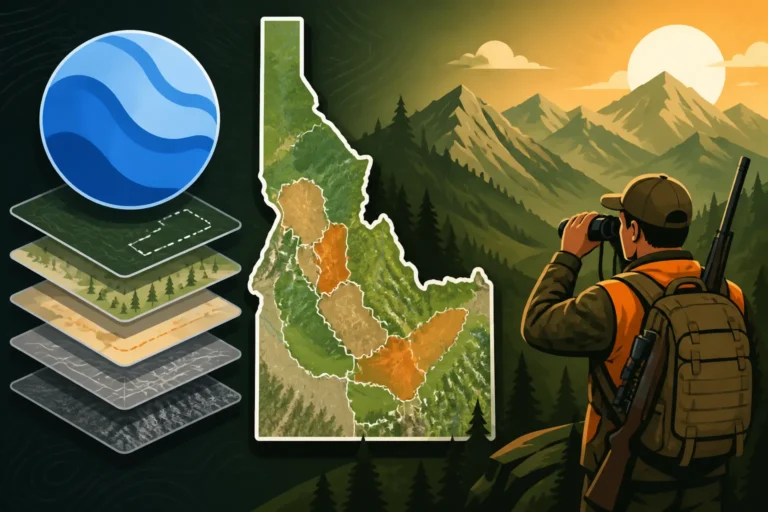
Beyond the official IDFG site, advanced mapping applications like onX Hunt and GoHunt are incredibly powerful tools. These apps overlay land ownership data, including Access Yes parcels, directly onto satellite imagery and topographic maps. They can show you not just the boundaries, but also public land, private land, and even the landowner's name in many cases. When you're E-Scouting an Idaho Unit Before the Season, using these tools to identify Access Yes ground can be a game-changer for finding those hidden gems of opportunity. They allow you to virtually "walk" the property, identify potential bedding areas, travel corridors, and even likely access routes before you ever set foot on the ground. Using onX Layers for Idaho Public Land is a fantastic way to maximize your digital scouting efforts.
Scouting and Seasonal Considerations
Once you've identified a promising Access Yes property on a map, in-person scouting is the next step. However, remember those rules about respecting the property. If the Access Yes agreement is for hunting in the fall, don't go hiking around during planting season in the spring without explicit permission. Respect the landowner's operations.
When scouting, pay attention to the terrain, potential game sign, and any existing access roads or trails. Are there choke points for deer? Are there water sources? Where are the likely escape routes? Think about how the game might use this particular parcel of land.
Also, be mindful of seasonal closures. Some Access Yes properties might only be open for specific seasons or certain dates within a season. For example, a property primarily used for waterfowl hunting might close before big game season begins, or vice-versa. Always check the specific dates listed for each property to avoid any disappointments or violations. It's also a good idea to cross-reference with Where the Current Idaho Regulations Are Posted for the specific unit and species you're pursuing to ensure you're compliant with all hunting laws.
Planning Your Hunt with Access Yes in Mind
Integrating Access Yes into your hunt plan means considering it as a valuable, but often distinct, type of hunting area. Don't treat it exactly like national forest ground. Be prepared for potentially different terrain, closer proximity to roads or homes, and a higher likelihood of encountering other hunters, especially if it's a well-known parcel.
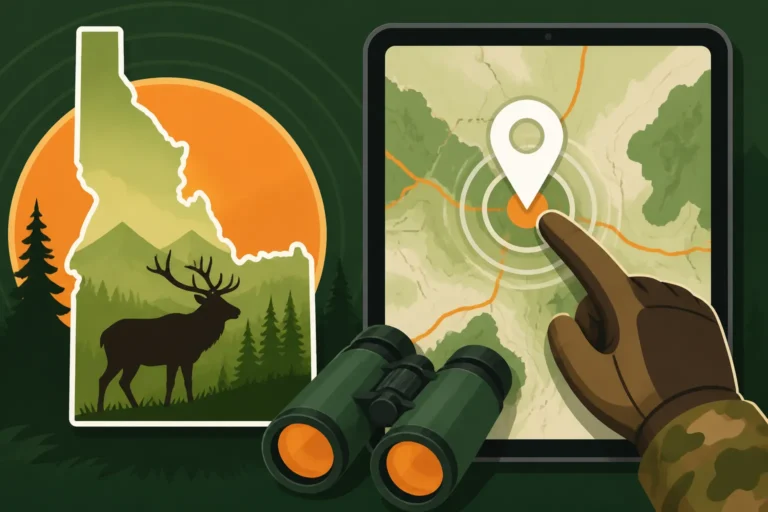
Consider packing lighter, being prepared for foot travel, and having a plan for game retrieval that respects the property's specific rules. Having that map on your phone with the Access Yes boundaries highlighted can save you from accidentally trespassing or straying into an off-limits area. It's about being prepared, being respectful, and being smart about how you utilize these fantastic opportunities.
Disclaimer
This article is for general informational purposes only and does not constitute professional advice. Laws, prices and regulations vary by location and change over time. Consult a qualified professional for guidance on your specific situation.