Seasonal Road Closures Across Idaho
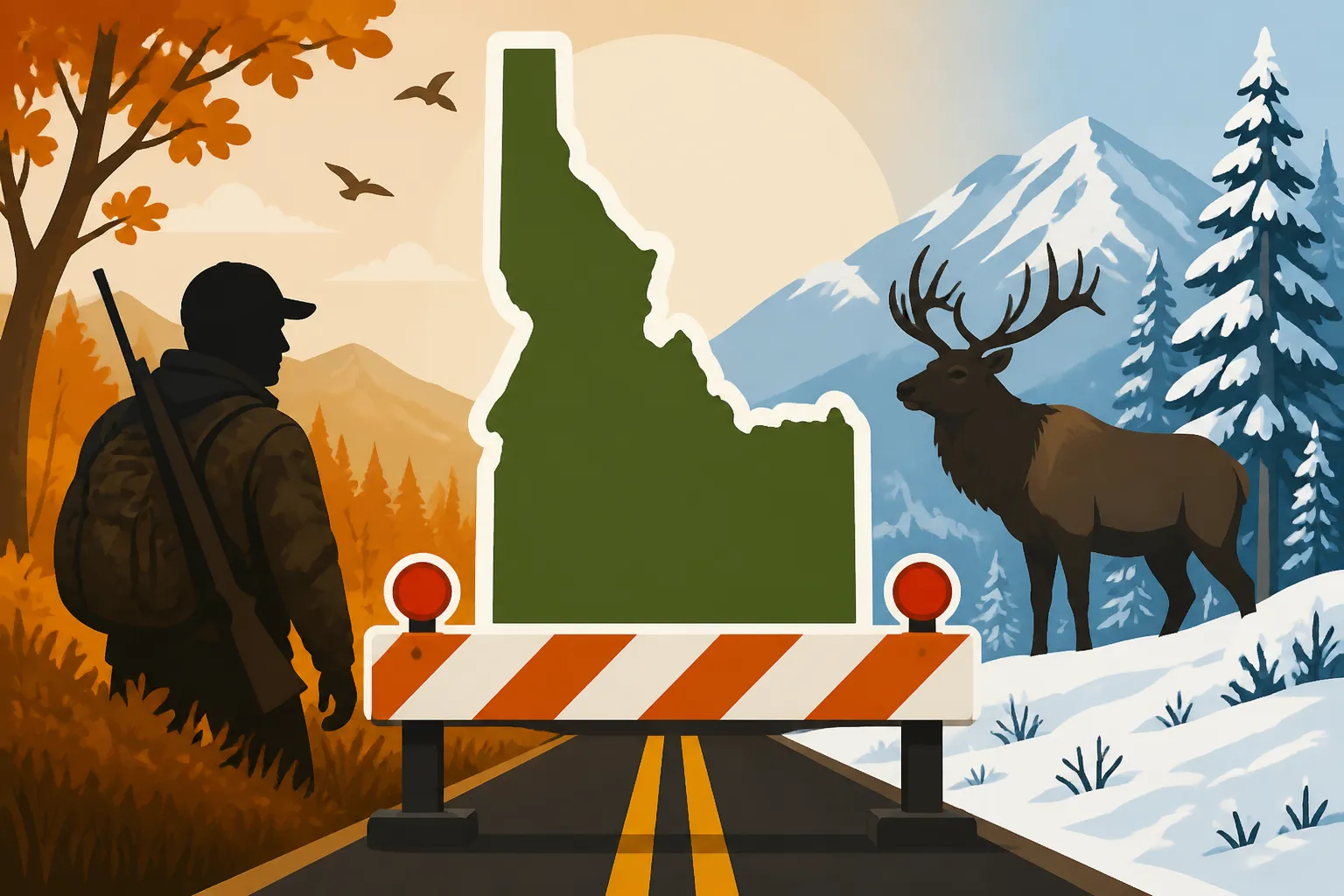
There's nothing quite like the crushing disappointment of pulling up to your carefully planned Idaho hunting access point, only to find a locked gate or a "Road Closed" sign staring back at you. We've all been there – maybe you e-scouted for weeks, poured over maps, and now your perfect entry point is completely blocked, throwing a wrench into your entire hunt plan. This guide is here to help you navigate those often-frustrating seasonal road closures across Idaho, shedding light on why they happen, when to expect them, and how you can still make your hunt a success.
Understanding Why Roads Close Seasonally in Idaho
It might feel like those "Road Closed" signs are put there just to annoy hunters, but I promise you, there's usually a very good reason behind them. Idaho's wild landscapes are beautiful but also fragile, and managing them for both wildlife and human recreation requires some tough decisions. These closures aren't arbitrary; they're vital for a number of reasons that ultimately benefit everyone, including us hunters, in the long run.
Protecting Wintering Big Game Animals
One of the primary drivers behind seasonal road closures, especially those that extend well into spring, is the protection of Idaho's incredible big game herds. Think about it: our deer, elk, and moose spend grueling winters battling deep snow, frigid temperatures, and scarce forage. Their fat reserves dwindle, and their energy levels plummet. When roads are open, even a single vehicle or a couple of hikers can inadvertently push these animals, forcing them to expend precious energy they desperately need to survive. Every time an animal is flushed from its bed or forced to move, it costs them energy, which can be the difference between making it through to spring or not.
Game managers are constantly working to ensure the health of these herds, and preventing disturbance during these critical periods is a cornerstone of that effort. Imagine a small herd of mule deer, already stressed from a long winter, trying to conserve every calorie. If vehicles are constantly driving through their sheltered wintering grounds, they'll be on the move more, burning energy, and struggling even more to find adequate food. This is why you'll often see specific units or areas closed to motorized travel from December through late spring, explicitly to protect these vulnerable populations. Hunters who understand and respect these closures are contributing to the health of the very animals we love to pursue. These closures are particularly critical for species like the mule deer, which rely heavily on specific Mule Deer Winter Range Across the High Desert to survive the lean months.
Preventing Resource Damage and Erosion
Idaho's diverse terrain, from the high desert to steep mountain forests, presents a unique challenge for road maintenance. Many forest service and BLM roads are unpaved, simple dirt tracks that can become incredibly vulnerable during certain times of the year. When the snow melts in the spring, or during periods of heavy rainfall, the ground becomes saturated and incredibly soft. Driving on these soft roads, especially with heavy vehicles, can quickly turn a passable track into a muddy rutted mess. These ruts channel water, accelerating erosion, washing sediment into streams, and damaging sensitive fish habitats.
The cost to repair these damaged roads is substantial, and often, the agencies managing these lands simply don't have the budget to fix everything. A single truck getting stuck and spinning its tires can create deep ruts that take heavy equipment to fix, not to mention the environmental damage from soil displacement and runoff. By closing these roads during the "mud season," agencies can prevent irreversible damage, save taxpayer dollars, and protect water quality for fish and other aquatic life. It's a proactive measure to ensure that when the roads do open, they're still in good shape for everyone to use safely and sustainably.
Ensuring Public Safety and Emergency Access
Beyond protecting wildlife and the land itself, road closures are also implemented for public safety. An impassable road isn't just an inconvenience; it can be a genuine hazard. Imagine being deep in the backcountry, an unexpected early snowstorm hits, and suddenly the road you came in on becomes impassable. You could be stranded, or worse, if a medical emergency arises, search and rescue teams might be unable to reach you. These closures reduce the chances of hunters and other recreationists getting stuck, lost, or injured in remote areas where help is difficult and slow to arrive.
Additionally, many roads serve as vital access routes for emergency services, including wildfire suppression efforts. A road that is blocked by snow, mud, or damaged infrastructure can severely hamper firefighters trying to reach an active blaze. By closing roads preventatively, land managers ensure that these critical arteries remain open for official use when it matters most, safeguarding both the public and the natural resources we cherish. These closures also align with larger regulations like Idaho's Motorized Hunting Rule Runs August Into December, which emphasizes responsible vehicle use in hunting areas.
Common Types and Timing of Road Closures
Seasonal closures aren't all cut from the same cloth. They vary greatly depending on the reason, the location, and the specific conditions of a given year. Knowing the different types of closures and their general timing can help you plan your hunts more effectively and reduce those frustrating surprises.
Winter Range Closures: The Longest Season
These are perhaps the most common and longest-duration closures you'll encounter in Idaho. As soon as winter truly settles in, typically from early to mid-December, and often extending through April or even into May, many roads are shut down to protect wintering big game animals. These closures are designed to minimize disturbance to deer, elk, and moose during their most vulnerable period. The exact dates can shift a bit based on snow accumulation and how quickly spring green-up occurs in a particular area.
You'll find these closures are most prevalent in lower elevation areas that serve as crucial winter range, where animals descend from higher ground to find food and shelter from deep snow. While it can be tough to give up vehicular access during these times, remember that these animals are fighting for survival. Walking in might be an option if you're prepared for snow and cold, but motorized travel is almost universally prohibited in these zones. It's essential to check specific unit regulations and local Forest Service or BLM district maps, as the boundaries and dates can vary considerably. Sometimes, these closures also coincide with or are a subset of Idaho Winter Range Closures That Affect Scouting.
Spring Thaw and Mud Season Closures
Even after the deep snows of winter have receded, many roads aren't immediately ready for traffic. The ground can remain saturated for weeks or even months as snow melts and spring rains fall. This creates what's affectionately known as "mud season," a period when roads become incredibly soft, easily rutted, and prone to severe damage. Spring thaw and mud season closures are specifically put in place to prevent this kind of resource damage.
These closures usually kick in right after the main winter range closures, or sometimes they are an extension of them, typically lasting through May and often well into June. Areas with heavy clay soils or those that receive a lot of moisture are particularly susceptible. Driving on these roads compacts the soil, creates deep ruts, and can cause erosion that washes sediment into streams and rivers. While it might be tempting to "just try" to get through, breaking these rules not only risks getting your vehicle stuck but also causes environmental harm and can jeopardize future public access. It's during this time that you'll often hear about Seasonal Road Closures Across Idaho Forests that are designed to protect the fragile spring ground.
Fire Activity and Post-Fire Recovery Closures
Wildfires are an undeniable reality in Idaho's dry summers, and they can lead to both immediate and long-term road closures. During an active wildfire, roads in and around the affected area will be closed for public safety, allowing firefighters to work unhindered and preventing people from entering dangerous zones. These closures are often implemented quickly and can change day by day as fire conditions evolve. It's absolutely crucial to respect these emergency closures – they're not just suggestions; they're vital for your safety and the safety of emergency personnel.
Beyond the active fire, many roads will remain closed for post-fire recovery. This can last for months or even years. The reasons are numerous: falling snags (burned trees that can unexpectedly fall), unstable slopes prone to landslides or rockslides, damaged culverts, and severe erosion. Driving through these areas can be extremely dangerous, and it can also hinder restoration efforts by soil compaction or disturbing sensitive recovering vegetation. Always check current fire restrictions and closure orders with the relevant land management agencies (Forest Service, BLM, Idaho Fish and Game) before heading into areas that have experienced recent wildfire activity.
Navigating Road Closures with Planning and Tools
Discovering a road closure mid-hunt is a nightmare scenario. The good news is, with a little proactive planning and the right tools, you can minimize surprises and adapt your hunting strategy. This isn't about avoiding closures entirely – that's often impossible – but rather about being prepared for them.
Utilizing Official Idaho Fish and Game Resources
Your first and best line of defense against unexpected road closures is official information from Idaho Fish and Game (IDFG) and the land management agencies (US Forest Service, Bureau of Land Management). The IDFG website is an invaluable resource. They often have maps and specific regulations for each game management unit, which will frequently detail road closure areas and dates. Don't just skim it; dive deep!
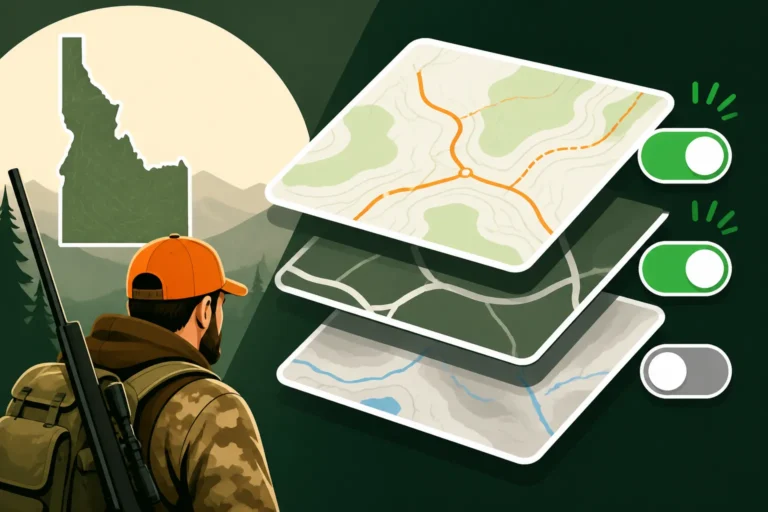
A fantastic tool is the A Walkthrough of the Idaho Hunt Planner on the IDFG website. This interactive map allows you to select specific units, layers for different types of land, and often shows special rules and restrictions, including motorized vehicle use and seasonal closures. Make it a habit to check this before you even apply for a tag, let alone head out. Beyond the website, don't hesitate to call the regional IDFG offices. The folks working there are often local experts and can provide the most current, hyper-local information about road conditions, unexpected closures, or early openings that might not yet be updated online. A quick phone call can save you hours of wasted driving.
Mapping Applications: Your Digital Lifeline
In today's hunting world, digital mapping applications are no longer a luxury; they're an absolute necessity. Tools like onX Hunt have revolutionized how hunters navigate public lands and deal with access challenges, including road closures. These apps allow you to download maps for offline use (crucial in Idaho's spotty cell service areas), overlay private and public land boundaries, and—most importantly for this topic—often show detailed road networks.
Many mapping apps, particularly onX Hunt, will have updated layers that indicate seasonal road closures, motorized travel restrictions, and even specific gates or barriers. Imagine you've planned a route into a promising elk area. Before you leave home, you can pull up your onX Hunt map, zoom in, and see if the roads you intended to use are marked as seasonally closed or fall under the Idaho's Motorized Hunting Rule Keeps You on the Road. If they are, you can then use the app to scout alternative access points, identify nearby open roads, or plan a longer hike in from a different trailhead. Another excellent planning resource, especially for draw odds and unit breakdowns, is GoHunt, which often integrates mapping and access information that can help you cross-reference potential issues. These apps are dynamic; they get updated regularly, making them much more reliable than a paper map alone for current access conditions.
Local Knowledge and Scout Reports
While digital maps and official websites are fantastic, there's still immense value in old-fashioned local knowledge. Before heading into an unfamiliar area, try to talk to people who live or regularly hunt there. This could be other hunters you meet at a sporting goods store, local residents at a gas station, or even employees at the Forest Service or BLM field offices. They might have up-to-the-minute information on recent snowfalls, mud conditions, or unadvertised closures that haven't made it to digital platforms yet.
Furthermore, if your schedule allows, a pre-season scouting trip is invaluable. Physically driving or hiking into the areas you plan to hunt can confirm road conditions, show you where gates are actually located, and reveal whether a "road" on the map is actually a barely discernible two-track that's been washed out for years. Sometimes, what looks like a perfectly good road on a satellite image might, in reality, be completely impassable even when "open." Combining official resources, advanced mapping apps, and on-the-ground intelligence gives you the most complete picture of access.
Planning Your Hunt Around Closures
Facing a road closure doesn't have to mean canceling your hunt. It just means you need to adjust your strategy. Adapting to these realities is a hallmark of a successful Idaho hunter.
Adapting Your Access Strategy
When a primary road is closed, it's easy to feel defeated, but often, it simply means you need a new approach. Instead of driving directly to your preferred hunting spot, you might have to park further out and commit to a longer hike or even an overnight backpack trip. This can turn a day hunt into a multi-day backcountry excursion, requiring different gear, fitness levels, and a change in mindset. Embrace the challenge: more miles often mean fewer hunters, and potentially undisturbed game.
Consider what an extra few miles on foot means for your hunt. If you're going after elk, for example, a road closure might push you further into the wilderness, where you'll need to be prepared for Packing an Elk Out of Steep Country Alone. This isn't just about the initial hike in; it's about getting an animal out. If a closure limits your motorized egress, you might need to plan for packing an animal out on your back, which is a whole different ballgame. Similarly, if you're eyeing the timbered zones in areas like the Lolo, a road closure could make Hunting the Lolo Zone Backcountry a more challenging but ultimately more rewarding endeavor, as you'll be getting away from the crowds.
Considering Different Seasons and Elevations
The timing of your hunt in relation to seasonal closures can also dictate your success. Early archery seasons, for instance, often occur before many winter range closures take effect, offering wider motorized access. However, these seasons might coincide with spring thaw issues if you're hunting in May or June. Late-season hunts, particularly rifle seasons in November, will almost certainly encounter road closures due to snow or winter range protection.
It also pays to think about elevation. Lower elevation roads typically close earlier and stay closed longer for winter range protection. Higher elevation roads might remain open longer into the fall but will be the first to get significant snow. Conversely, higher roads might open later in the spring due to persistent snowpack. By understanding these patterns, you can select units and seasons that align with your preferred mode of travel and tolerance for hiking. If you're an archery hunter, the type of tag you hold, such as A Tags Favor Archery and Muzzleloader Hunters, might offer more flexibility in accessing areas that are still open to foot traffic during specific seasons, compared to the more vehicle-dependent seasons associated with B Tags Favor the Centerfire Rifle Crowd.
Respecting the Rules and Minimizing Impact
Ultimately, it's our responsibility as hunters to respect these closures. Driving around a locked gate, cutting chains, or ignoring "Closed" signs isn't just illegal and can result in hefty fines; it undermines the very efforts to conserve wildlife and habitat. Such actions can lead to agencies imposing even stricter, more permanent closures, harming everyone's access in the long run.
These rules are in place for a reason, whether it's to protect a sensitive wintering herd, prevent a muddy road from becoming a permanent scar on the landscape, or ensure public safety. Ethical hunters understand that responsible access is a privilege, not a right. We must demonstrate respect for the land, the wildlife, and the regulations to ensure that future generations can continue to enjoy Idaho's incredible hunting opportunities. Always ask yourself if your actions are helping or hindering the long-term health of the resource and access for others.
Summary of Closure Reasons and Impacts
| Closure Type | Primary Reason | Typical Timing (General) | Hunting Impact |
|---|---|---|---|
| Winter Range Closures | Protect wintering big game | December – April/May | Forces foot access, potential for longer hikes. |
| Spring Thaw/Mud Closures | Prevent road damage, erosion | April/May – June | Limits vehicle access until roads dry out and harden. |
| Wildfire Closures | Public safety, fire suppression | During active fires, extended for recovery | Restricts entry to affected areas; can last for years post-fire. |
| Other Specific Closures | Habitat projects, logging | Variable, check local rules | May block specific roads or areas temporarily for management activities. |
Disclaimer
This article is for general informational purposes only and does not constitute professional advice. Laws, prices and regulations vary by location and change over time. Consult a qualified professional for guidance on your specific situation.