Camping on Idaho Forest Ground While Hunting
Planning a hunting trip into Idaho's vast national forests can feel like a daunting task, especially when you're trying to figure out where you can legally pitch a tent, park a rig, and actually hunt without running afoul of regulations or disrupting the very wilderness you've come to enjoy. This guide will walk you through the ins and outs of camping on Idaho's forest lands while hunting, helping you understand the rules, strategize your camp location, and ensure your adventure is both successful and respectful of the wild.
Understanding Idaho's National Forests for Camping
Idaho is incredibly blessed with massive tracts of national forest land, offering unparalleled opportunities for hunters seeking solitude and big game. These aren't just pretty places; they're working landscapes managed by the U.S. Forest Service, and knowing a bit about how they operate is crucial for planning your hunting camp.
The Vastness of Idaho's Forest Service Lands
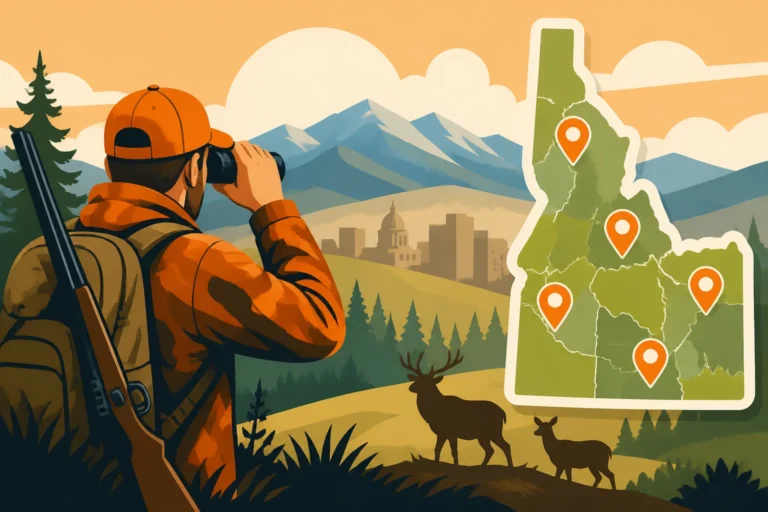
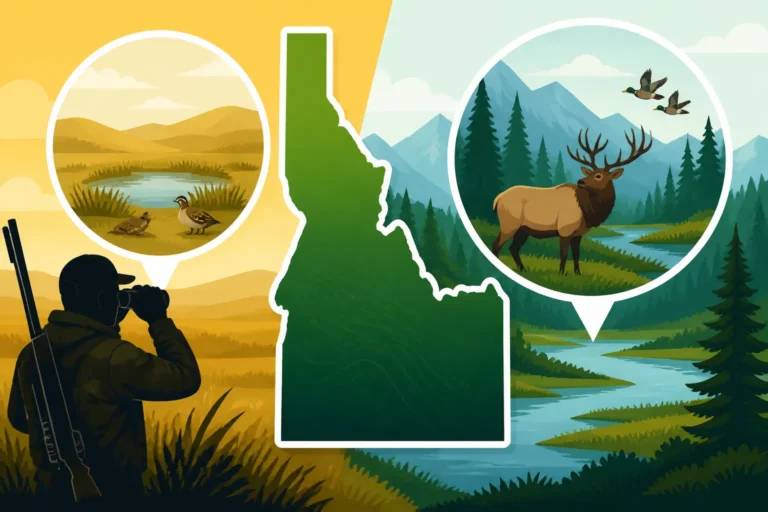
When you look at a map of Idaho, especially the northern and central parts of the state, you see a sprawling green patchwork of National Forests: the Boise, Payette, Salmon-Challis, Sawtooth, Nez Perce-Clearwater, and the Panhandle National Forests, just to name a few. These areas cover millions of acres, providing critical habitat for elk, deer, bear, and countless other species. The sheer scale means there's a huge variety in terrain, from accessible, roaded areas to remote, rugged wilderness. Each forest might have slightly different local orders or rules, so it's always a good idea to check the specific Forest Service website for the area you plan to hunt. But generally, the overarching rules for dispersed camping are consistent across these federal lands.
This immense public land resource is what draws so many hunters to Idaho, offering the chance to truly get away from it all. Unlike some states with a checkerboard of private and public ground, Idaho offers large, contiguous blocks where you can roam for days without crossing private property lines, which simplifies things immensely when you're focused on hunting. However, this freedom comes with the responsibility of understanding the rules of engagement, especially when it comes to setting up your temporary home. It’s not a free-for-all, and thoughtful planning is key to a smooth trip.
General Rules for Dispersed Camping
Dispersed camping, often called primitive or backcountry camping, is the bread and butter for most hunters in Idaho's national forests. It means camping anywhere outside of a designated campground, typically without amenities like picnic tables, fire rings, or vault toilets. The beauty of it is the freedom and solitude. Generally, you can dispersed camp for up to 14 days within a 30-day period in one location, though this can vary by specific forest or ranger district, so always double-check. After 14 days, you need to move at least a mile or more to a new site. The core idea here is to prevent resource damage from prolonged use.
When choosing a spot, the general rule of thumb is to set up your camp at least 200 feet (about 70 steps) away from developed roads, trails, and water sources. This separation helps protect water quality, minimizes impacts on wildlife, and maintains a sense of wildness for others. You're typically not required to have a permit for dispersed camping, but some areas, especially sensitive ones, might have special restrictions or require a permit, even for dispersed camping. Always look for posted signs or check with the local ranger station before you head out. These simple rules are designed to keep the forest healthy and accessible for everyone, ensuring that the next hunter finds the same pristine environment you did.
Planning Your Hunting Camp Location
Deciding where to set up camp is almost as important as picking your hunting unit. A well-chosen camp can make or break your trip, influencing everything from morning access to evening comfort.
Key Factors for Choosing a Campsite
When you're eyeing a potential camp spot on your E-Scouting an Idaho Unit Before the Season mission, there are several practical factors to weigh. First, consider proximity to your hunting grounds. You want to be close enough for efficient morning starts, but not so close that your camp activities spook game. Accessibility is another big one; how easy is it to get your gear in and out, especially if you're packing out an animal? Flat, well-drained ground is essential for comfort and avoiding mud or pooling water, particularly if an autumn storm rolls in. Think about natural shelter too – a stand of timber can offer protection from wind and sun, but avoid setting up directly under dead trees or "widowmakers" that could fall in a gust.
Water availability is paramount. While you should always pack in some water, having a reliable, treatable water source nearby can save you a lot of hassle. Look for streams or springs, and always plan to filter or purify any wild water. Finally, think about game movement. You don't want your camp to be right on a primary game trail, blocking their natural routes. Instead, locate it where your presence won't interfere with their patterns, allowing you to hunt effectively without impacting their movements. A good camp blends into the landscape, serving as a functional base without becoming a disruptive presence.
Using Mapping Tools for Scouting
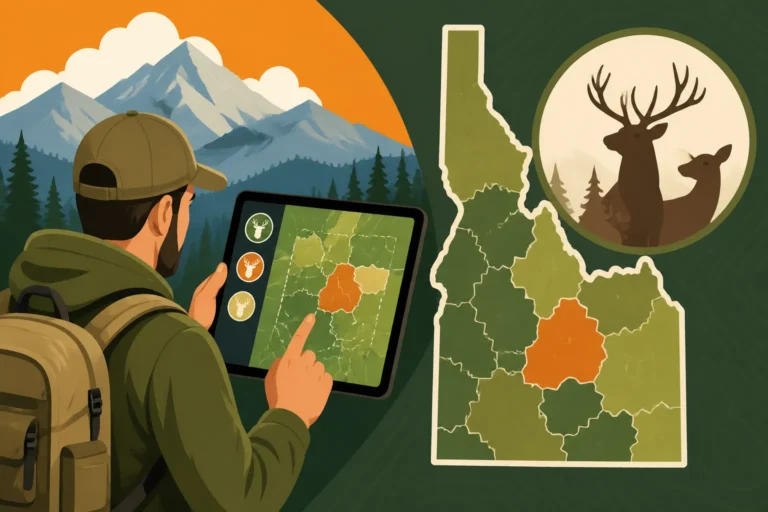
Modern technology has revolutionized how we scout and plan, making mapping apps an invaluable tool for hunters. Platforms like onX Hunt and GoHunt allow you to virtually explore potential camp locations, identify water sources, evaluate terrain, and understand land ownership from the comfort of your home. You can switch between satellite imagery, topographic maps, and even 3D views to get a comprehensive understanding of the landscape. Look for flat spots, sheltered areas, and access points. For example, Motor Vehicle Use Maps for Forest Ground are often integrated into these apps, showing you exactly where you can and cannot drive, which is critical for truck or RV camping.
Beyond simply finding a flat spot, these tools help you analyze the hunting implications of a campsite. You can mark potential glassing knobs, escape routes for game, and even plan your walk-in routes for the morning hunt, all before setting foot in the field. GoHunt, for instance, provides detailed unit information that can inform your decision, including harvest statistics and public land percentages. By spending time with these digital maps, you can arrive in Idaho with a solid plan, knowing exactly where you intend to set up your base camp and how it connects to your hunting strategy, saving precious time and effort once you're on the ground.
Navigating Regulations and Restrictions
Idaho's national forests are generally quite accommodating to hunters, but specific regulations and restrictions are in place to ensure safety, minimize environmental impact, and protect wildlife. Ignoring these can lead to fines, or worse, dangerous situations.
Fire Restrictions and Campfire Safety
There's nothing quite like a warm campfire after a long day of hunting, but open fires in the backcountry carry significant risks, especially during dry seasons. Idaho's national forests frequently implement fire restrictions, sometimes going from "Stage 1" (campfires only in designated rings, smoking only in cleared areas) to "Stage 2" (no open flames whatsoever, including charcoal grills). These restrictions are put in place for a good reason: to prevent devastating wildfires that can impact vast areas of forest, destroy wildlife habitat, and put human lives at risk. Always check the current fire restrictions for your specific forest or ranger district before you leave home and again as you travel, as conditions can change rapidly.
If campfires are allowed, practice extreme caution. Build your fire in an existing fire ring if possible, or clear a wide area down to bare mineral soil, at least 10 feet in diameter. Keep a shovel and plenty of water nearby to fully extinguish your fire. Never leave a fire unattended, even for a moment. When you're ready to break camp or turn in for the night, drown the fire with water, stir the ashes, and repeat until everything is cold to the touch – no glowing embers, no warm spots. If it's too hot to touch, it's too hot to leave. Being a responsible fire builder is not just a rule; it's a critical part of protecting the very resource you've come to enjoy.
Food Storage in Bear Country
Hunting in many parts of Idaho's national forests means you're operating in bear country, specifically black bear and, in some northern and central areas, grizzly bears. Improper food storage is one of the quickest ways to create a dangerous situation for yourself and for the bears, habituating them to human food sources. The rule is simple: all food, garbage, and anything with an odor (like toiletries or cooking gear) must be stored in a bear-resistant manner. This isn't just a suggestion; it's often a requirement, particularly in designated grizzly bear habitats. For more detailed guidance, consider reviewing Food Storage Rules in Grizzly Country.
Options for secure food storage include bear-resistant containers (hard-sided canisters or coolers specifically designed to be bear-proof), hanging food from a tree using the "bear bag" method (at least 10-12 feet high and 4 feet from the trunk), or storing it inside a hard-sided vehicle or certified bear-resistant camper. Never keep food or scented items in your tent. Cook away from your sleeping area to keep food odors from lingering near where you sleep. Dispose of all waste, including cooking water, far from camp. By taking these precautions, you protect yourself, future campers, and the bears themselves, ensuring they remain wild and don't become nuisance animals that might eventually need to be relocated or put down. For related safety measures, it's also wise to understand Bear Spray Against a Sidearm in Grizzly Country.
Seasonal Road Closures and Access
Idaho's national forests manage an extensive network of roads, but many of them are subject to seasonal closures. These closures are typically implemented to protect wildlife winter range, prevent road damage during wet spring thaws, or manage habitat. For hunters, this means that the road you scouted in August might be impassable or outright closed by the time your elk hunt rolls around in October. Always consult the local Forest Service office or check their website for Motor Vehicle Use Maps (MVUMs) which clearly designate open and closed roads, as well as any restrictions on vehicle types. These maps are your best friend for understanding vehicular access.
These closures often directly impact Idaho's Motorized Hunting Rule Runs August Into December, which restricts motorized travel off established roads. If a road is closed, it's considered off-limits to vehicles, even if it looks perfectly passable. Violating these closures can result in significant fines and impact your hunting privilege. So, if your camp plan relies on vehicle access, confirm the road status well in advance and have a backup plan. Sometimes, a closed road simply means a longer walk or a different approach, opening up opportunities for those willing to go the extra mile on foot. Seasonal Road Closures Across Idaho can significantly alter your access to certain areas, so being prepared for them is crucial for a successful and legal hunt.
Setting Up Your Hunting Camp Ethically and Safely
Beyond the regulations, there's an unspoken code of conduct in the backcountry often summarized by "Leave No Trace." Adhering to these principles, along with basic safety measures, ensures that Idaho's wild places remain just that.
Leave No Trace Principles
The Leave No Trace (LNT) principles are a set of outdoor ethics designed to minimize human impact on the environment. For hunters camping in Idaho's national forests, practicing LNT is essential for preserving the wild character of the land and ensuring it remains pristine for future generations of wildlife and outdoors enthusiasts. It's about being a considerate user of public lands.
The core tenets include: planning ahead and preparing; traveling and camping on durable surfaces (like established campsites or bare ground, not fragile vegetation); disposing of waste properly (pack it in, pack it out—yes, that includes toilet paper and food scraps); leaving what you find (don't remove antlers, rocks, or plants); minimizing campfire impacts (as discussed before, use existing rings or clear areas thoroughly); respecting wildlife (observe from a distance, never feed animals); and being considerate of other visitors (keep noise down, yield to others on trails). When breaking camp, always take a moment to "naturalize" your site, making it look as though you were never there. If every hunter commits to these simple principles, Idaho's backcountry will continue to thrive. This mindful approach to Camping on Forest Ground During Hunting Season is not just a nicety; it's a necessity.
Water Sources and Treatment
Access to safe drinking water is a critical consideration for any backcountry camp. While Idaho's national forests are crisscrossed with streams and springs, you should never drink directly from them without treatment. Even crystal-clear mountain water can harbor giardia, cryptosporidium, or other pathogens that can cause debilitating illness, effectively ending your hunt. Always plan on carrying enough water for immediate needs and have a reliable method for treating additional water you collect.
There are several effective ways to treat water:
- Filters: Portable filters are popular for their speed and ease of use. They mechanically remove bacteria and protozoa but may not remove viruses.
- Purifiers: Chemical purifiers (iodine or chlorine dioxide tablets) or UV light purifiers can kill viruses in addition to bacteria and protozoa.
- Boiling: Boiling water vigorously for at least one minute (or three minutes at elevations above 6,500 feet) is the most reliable method for killing all pathogens, though it's fuel-intensive and time-consuming.
Consider carrying a backup treatment method, like a small bottle of purification tablets, in case your primary filter malfunctions. Understanding your water needs and having a robust treatment plan is a non-negotiable part of safe and comfortable camping in the Idaho wilderness.
Emergency Preparedness
Even the most meticulously planned hunting trip can encounter unforeseen circumstances in the remote Idaho backcountry. Being prepared for emergencies isn't about being paranoid; it's about being smart and responsible. Cell service is often nonexistent in national forests, making communication challenging. Carrying a satellite communication device, like a satellite messenger or a satellite phone, can be a literal lifesaver, allowing you to send SOS messages or communicate with loved ones. For more information on this essential gear, refer to Satellite Communication From a Backcountry Camp.
Your emergency kit should include a well-stocked first-aid kit, whistle, signal mirror, headlamp with extra batteries, fire starter, shelter (emergency blanket or tarp), and enough extra food and water for at least an extra day or two. Always tell someone reliable your exact itinerary, including your hunting unit, camp location, and expected return date. Discuss specific check-in times. Be prepared for rapid weather changes, which are common in the mountains, and pack appropriate layers. Being physically fit for your hunt is also crucial; consider Physical Conditioning for Idaho Backcountry before embarking on a strenuous trip. Knowing basic wilderness first aid and how to signal for help can make all the difference when things go awry.
Types of Camping and Shelter for Hunters
The type of shelter you choose for your Idaho hunting camp largely depends on your hunting style, the terrain, and how deep into the backcountry you plan to go. From bare-bones backpacking tents to comfortable RVs, each has its pros and cons.
Tent Camping and Backpacking
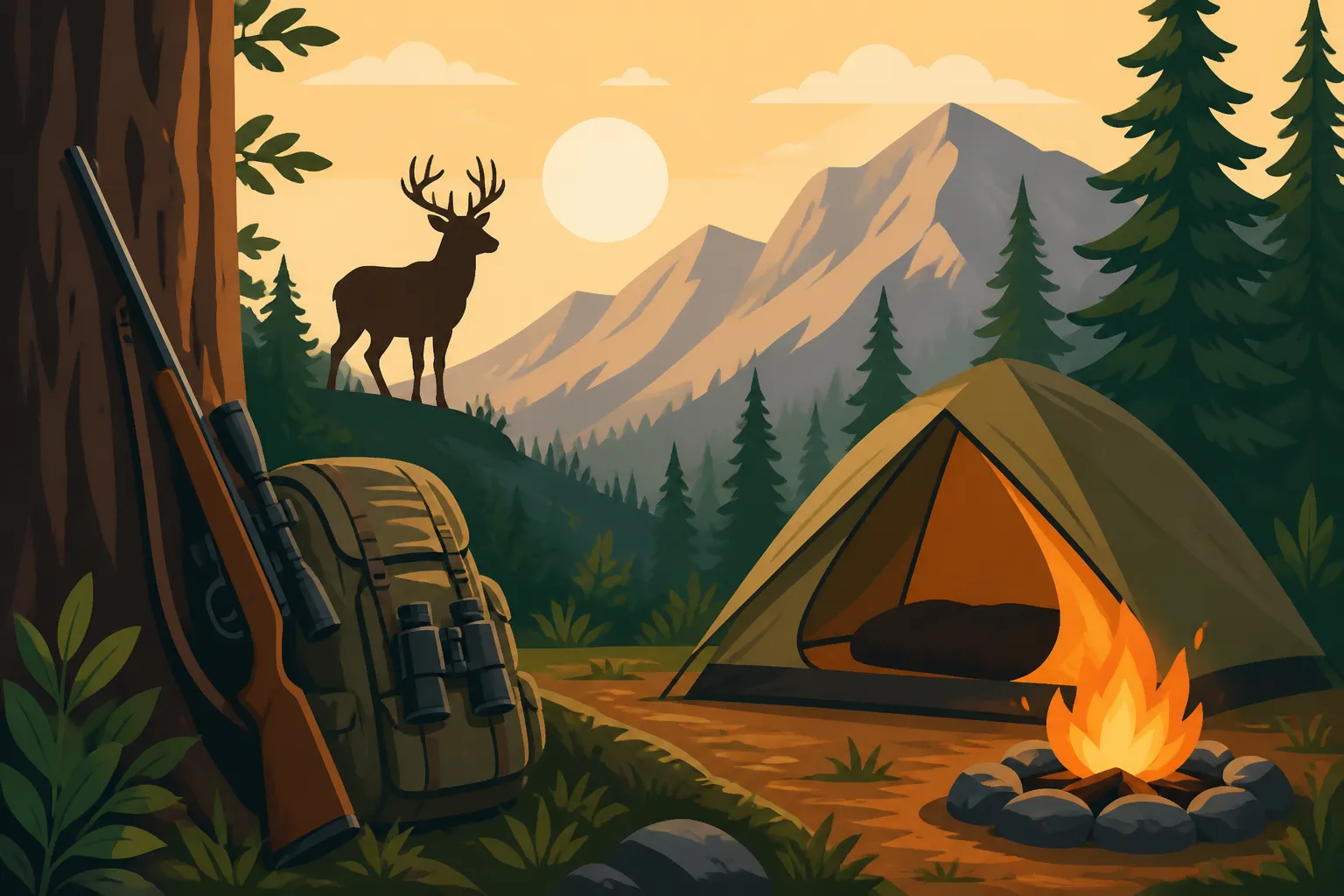
For many hunters, especially those pursuing elk or deep-country mule deer, a lightweight tent or backpacking shelter is the preferred option. This style of camping allows for maximum mobility, letting you pack in miles away from roads and establish a camp in prime hunting areas that vehicle-based hunters can't reach. A quality backpacking tent offers protection from the elements, including wind, rain, and snow, which are all common during Idaho's fall hunting seasons. Look for a tent that's robust, easy to set up, and offers good ventilation to minimize condensation.
When tent camping, focus on finding durable surfaces for your pitch—flat spots on bare earth or existing compacted sites are ideal. Avoid pitching on fragile vegetation. Pack a comfortable sleeping pad and a sleeping bag rated for temperatures well below what you expect, as mountain nights can be surprisingly cold. Remember that every item must be packed in and packed out, so weight is a significant consideration. This method allows you to truly immerse yourself in the hunting experience, getting closer to the game and the wildness of Idaho's national forests. For specific considerations about Longbow Against Recurve on a Western Hunt or Fixed Blade Against Mechanical Broadheads on Elk, your choice of tent might be influenced by how much gear you're packing overall.
Truck or RV Camping Considerations
If your hunting strategy involves staying closer to established forest roads, truck or RV camping offers a significant comfort advantage. These setups provide more space, better protection from the elements, and often amenities like a stove, refrigerator, and a more comfortable bed. This is an excellent option for those hunting areas with good road access, or for base camp operations where you might spike out on foot for a day or two and return to a more comfortable primary camp. For understanding where you can take your vehicle, consulting Motor Vehicle Use Maps for Forest Ground is essential.
However, truck and RV camping also come with their own set of considerations. You're limited to established roads and designated camping areas (if you choose to use one), which means you might be further from prime hunting spots and could encounter more pressure from other hunters. Waste disposal becomes a bigger issue; you must be prepared to pack out all trash and manage gray water and black water responsibly. "Boondocking" or dispersed camping in an RV still requires you to follow all dispersed camping rules, including the 200-foot setback from roads and water, and the 14-day stay limit. While it offers a home-away-from-home experience, the key is to ensure your vehicle camping doesn't leave a larger footprint than a tent camp.
| Camping Type | Pros | Cons | Ideal For |
|---|---|---|---|
| Tent/Backpacking | Maximum mobility, access to remote areas, minimal impact, true wilderness experience, quiet | Less comfort, limited space, all gear must be packed, exposure to elements, requires more physical effort | Deep backcountry hunting, remote elk and mule deer, multi-day spike camps, low-pressure areas |
| Truck/RV Camping | High comfort, shelter from elements, amenities (stove, fridge, bed), more gear capacity, faster setup | Limited to road access, can draw more attention, less mobile once set up, larger environmental footprint | Roadside hunting, base camp for day trips, accessible deer hunting, family hunts, when comfort is a priority |
| Wall Tent/Spike Camp | More space than backpacking tent, better for longer stays, stove often possible for warmth, comfortable | Requires pack animals or significant effort to pack in, heavy gear, takes longer to set up and take down | Longer duration hunts, larger groups, horse-supported hunts, severe weather conditions, Packing an Elk Out of Steep Country Alone |
Using a wall tent, especially if you have pack animals or are setting up a longer-term base camp, offers a middle ground between primitive tent camping and vehicle camping. They provide ample space, and often include a wood stove, making them incredibly comfortable even in harsh weather. Outfitters sometimes use them for their drop camp operations, providing a more robust shelter than a typical backpacking tent. Consider Drop Camps in Idaho's Backcountry if this sounds appealing but you don't have your own pack string.
Disclaimer
This article is for general informational purposes only and does not constitute professional advice. Laws, prices and regulations vary by location and change over time. Consult a qualified professional for guidance on your specific situation.