Landowner Permission on Idaho Private Ground
It can be incredibly frustrating to scout out what looks like prime hunting ground on a map, only to arrive and find "No Trespassing" signs plastered everywhere. Many hunters assume public land is boundless in Idaho, but the reality is a patchwork quilt of private and public ownership that often makes finding legal access a real head-scratcher. This guide is here to walk you through the ins and outs of obtaining landowner permission on private ground in Idaho, helping you navigate the complexities and open up new opportunities for your hunting adventures.
Understanding Idaho's Private Land Landscape
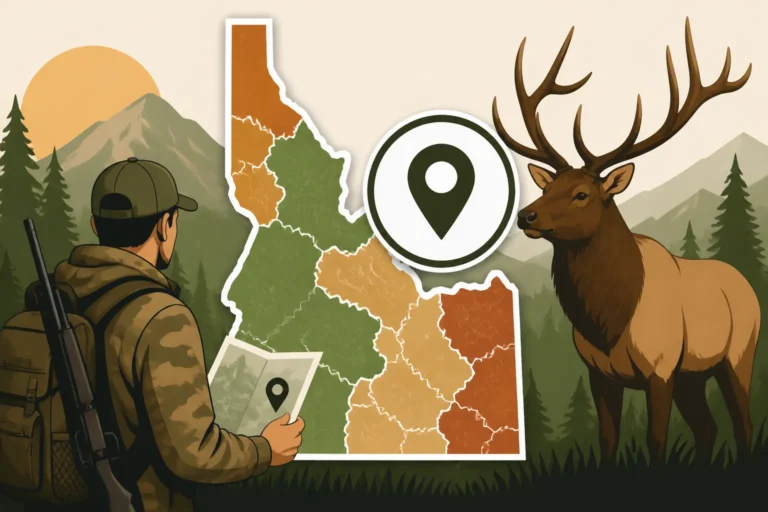
Idaho, with its vast national forests and BLM lands, often gives the impression of endless public access. However, a significant portion of the state, particularly in lower elevations, agricultural areas, and river bottoms, is privately owned. This creates a challenging mosaic where public and private parcels can be intertwined, sometimes even "landlocking" public ground without direct access. For hunters, this means that understanding land ownership is absolutely crucial before you even consider stepping foot on what looks like prime territory.
The Patchwork Nature of Land Ownership
Imagine trying to navigate a puzzle where the pieces don't always connect in a neat line. That's often what Idaho's land ownership feels like from a hunter's perspective. You might have a large block of national forest, but then a private ranch cuts right through it, or a small section of state endowment land might be completely surrounded by private agricultural fields. This isn't just an inconvenience; it can be a serious legal issue if you unknowingly cross a boundary. Many hunters mistakenly believe that if they can't see a fence or a sign, it must be public. This simply isn't the case, and ignorance of land boundaries is no excuse for trespass.
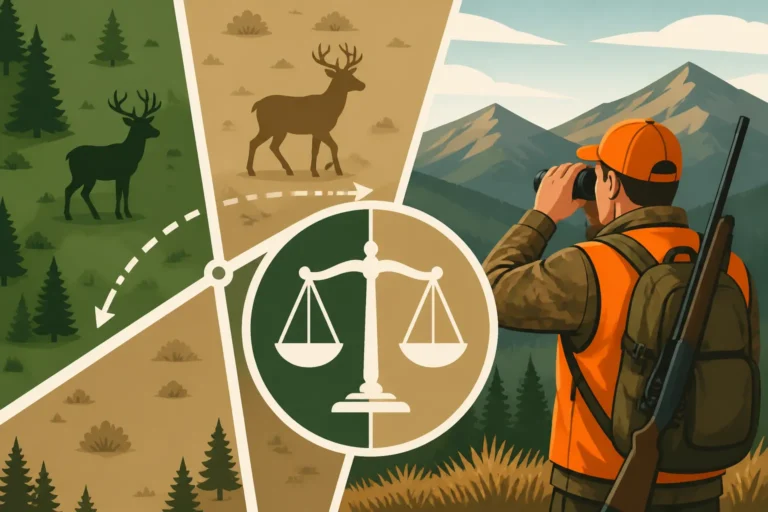
These complex ownership patterns are especially prevalent in the valleys and foothills, where fertile ground has historically been settled and farmed. Deer and elk often utilize these private lands for winter range, feeding, and bedding, moving back and forth between public and private during different seasons. If you're targeting big game that transitions between these areas, gaining permission to access key private parcels can dramatically increase your chances of success. It's about recognizing that the animals don't read "No Trespassing" signs, and often, the best hunting opportunities exist where public and private meet.
Why Private Land Access Matters for Hunters
Accessing private land can unlock incredible hunting opportunities that are often less pressured than public lands. Think about those deer that vanish from public ground as soon as the season opens, or those elusive elk herds that seem to disappear into thin air. Chances are, they've simply retreated to private ranches or timber company lands where hunting pressure is controlled or non-existent. Gaining permission to these areas means you're hunting animals that haven't been pushed around by dozens of other hunters, offering a more natural and potentially more successful experience.
Beyond reduced pressure, private land often provides superior habitat, especially for wintering animals. Many landowners manage their properties with wildlife in mind, offering consistent food sources, cover, and water. This can create pockets of incredible hunting, particularly during colder months when animals are concentrated. Furthermore, some private lands are strategically located near public access points, allowing you to access otherwise unreachable public ground by simply crossing a small corner of private property – provided you have the proper Getting Landowner Permission in Idaho. This kind of strategic access can be a game-changer for serious hunters looking to expand their opportunities.
The Legalities of Accessing Private Ground
Stepping onto private land without permission, even accidentally, can lead to serious legal repercussions, including fines, confiscation of game, and loss of hunting privileges. It's not just about avoiding trouble; it's about respecting private property rights and upholding the ethical standards of hunting. Idaho's laws are clear, and hunters are expected to know and abide by them.
Idaho's Trespass Laws Explained
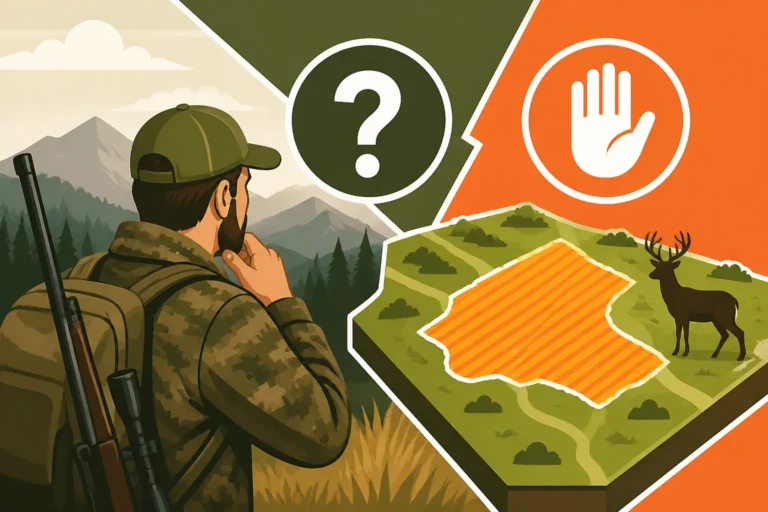
In Idaho, it is illegal to enter private land without permission. The law doesn't require "No Trespassing" signs to be posted on every fence post. If the land is privately owned, you need permission. While signs certainly make it obvious, their absence doesn't grant you a free pass. This is a critical point that many new or nonresident hunters sometimes misunderstand. The burden is on you, the hunter, to know who owns the land you intend to hunt and to secure explicit permission before setting foot on it. This also applies to seemingly innocuous acts like trailing a wounded animal onto private property; you still need to obtain permission from the landowner before pursuit, or you could face charges.
The specifics of Trespass Law on Posted Idaho Property can vary slightly depending on the context, but the core principle remains: get permission first. It's a misdemeanor offense to trespass, and if you're caught hunting or recreating on private land without proper authorization, you could be cited. The consequences can range from a warning to a substantial fine, and depending on the severity and whether game was taken, you could even face seizure of your equipment or a revocation of your hunting license. It's a risk simply not worth taking when a polite conversation can often open doors to fantastic opportunities.
Implied vs. Explicit Permission
There's a common misconception that "implied permission" exists if a gate is open or there aren't any signs. In Idaho, this is generally not the case for hunting. You need explicit permission. This means direct communication with the landowner, where they clearly state you are allowed to be on their property for hunting purposes. This isn't something to assume; it needs to be confirmed. Oral permission is legally binding, but for your protection and theirs, it’s always better to get it in writing. A simple permission slip, signed by the landowner, can save a lot of headaches if questions arise.
Think about it from the landowner's perspective: they have liability concerns, property damage worries, and may not want strangers on their land without their direct knowledge. An open gate might simply mean they're moving cattle or working in a field, not an invitation for hunters. Always err on the side of caution. Even if you've hunted a piece of private land for years, touch base with the landowner each season. Ownership can change, boundaries can shift, or their comfort level might evolve. A brief phone call or a quick visit ensures everyone is on the same page and keeps those hunting opportunities open for the future.
Strategies for Gaining Landowner Permission
Asking for permission can feel daunting, especially if you're not used to it. However, a polite, respectful approach can often yield fantastic results. It's about building a relationship, not just asking for a favor. Many landowners appreciate hunters who are courteous and considerate of their property.
The Art of the Knock-on-Door Approach
When it comes to asking for permission, nothing beats a face-to-face conversation. Dress neatly, leave your hunting gear in the truck, and approach with respect. Introduce yourself clearly, state your purpose, and be ready to listen. Don't show up right before hunting season opens; try approaching landowners weeks or even months beforehand. This shows foresight and respect for their time. Be flexible with the type of hunting you're seeking – maybe they'll only allow archery, or perhaps only during certain times of the week. Being agreeable can open the door to a "yes."
When you do get to speak with them, here are a few tips:
- Be clear about your intentions: Specify what you want to hunt (deer, elk, birds), when, and with what weapon.
- Offer assurances: Let them know you'll close gates, respect fences, avoid livestock, and pack out all your trash.
- Offer a helping hand: Sometimes, offering to help with a chore around the ranch – mending a fence, moving hay, or fixing a gate – can go a long way in building goodwill. Even if they decline, the gesture is often appreciated.
- Provide contact information: Give them your phone number and email. Ask if they prefer to be called or texted if you have a question while on their property.
- Respect "No": If they say no, thank them for their time and move on gracefully. Pushing or arguing will only sour future opportunities for other hunters in the area.
Crafting a Permission Request
Not every landowner lives on the property you want to hunt, or they might be difficult to reach in person. In these cases, a well-crafted letter or email can be effective. Keep it concise, polite, and professional. Clearly state your name, contact information, and specific request. Mention how you found their property (e.g., "I noticed your property borders the National Forest in Unit X, and I'm interested in hunting deer there"). Reiterate your commitment to ethical hunting and respecting their land.
Here's a potential structure for a written request:
Subject: Hunting Permission Request – [Your Name] – [Property Location/Unit]
Dear Mr./Ms. [Landowner's Last Name],
My name is [Your Name], and I'm a responsible hunter from [Your City/State]. I am writing to respectfully request permission to hunt [species, e.g., deer or upland birds] on your property located at [general location or tax parcel ID if you know it]. I've been researching hunting opportunities in [Idaho Unit/Area] and noticed your land offers fantastic habitat for [species].
I am committed to ethical hunting practices and have a deep respect for private property. If granted permission, I would guarantee to:
- Respect all property boundaries and posted signs.
- Close all gates.
- Avoid disturbing livestock or private residences.
- Pack out all trash and leave no trace.
- Share my contact information and check in before and after each hunt.
I understand and appreciate that granting permission is a significant favor, and I would be grateful for the opportunity. I am available to discuss this further at your convenience, either by phone at [Your Phone Number] or email at [Your Email Address]. I am also happy to provide references if you wish.
Thank you for your time and consideration.
Sincerely,
[Your Name]
Remember, follow up politely if you don't hear back, but don't badger them. A single follow-up email or call after a week or two is generally acceptable.
Tools and Technology to Identify Private Land
In today's hunting world, digital mapping tools are invaluable for navigating land ownership. They've transformed the way hunters scout, plan, and execute hunts, especially when dealing with the complex blend of public and private lands in Idaho. Knowing exactly where you stand, literally, can prevent accidental trespass and open up new opportunities.
Digital Mapping Apps for Land Boundaries
The days of poring over paper plats are largely behind us, thanks to powerful digital mapping applications. Services like onX Hunt and GoHunt have become indispensable for countless hunters. These apps overlay property ownership information directly onto detailed satellite imagery and topographic maps on your smartphone or GPS device. You can instantly see public lands (National Forest, BLM, State Land, etc.) distinguished from private parcels, often with the landowner's name displayed. This real-time information is absolutely crucial for ensuring you stay on legal ground. Using onX Layers for Idaho Public Land can teach you more about maximizing these tools.
These apps aren't just for avoiding trespass; they're powerful scouting tools. You can identify potential access points, pinpoint bottlenecks where animals might travel between public and private, and save waypoints for gates or important boundaries. When you're knocking on doors, being able to show a landowner precisely which portion of their property you're interested in, or how it connects to public land, demonstrates your professionalism and preparedness. It significantly aids in communication and builds trust. Always download offline maps before heading into the backcountry, as cell service is often nonexistent.
Utilizing County Assessor and GIS Data
While mapping apps are fantastic for immediate field use, sometimes you need to do a deeper dive. County assessor's websites in Idaho are public resources that allow you to search property records by parcel number, address, or even owner name. This can be particularly useful if you've identified a promising piece of land but the mapping app doesn't show the owner's contact information, or if you want to find an absentee landowner's mailing address. These sites often provide detailed parcel maps, tax information, and sometimes even sales history.
Geographic Information System (GIS) data, often provided by state agencies like Idaho Fish and Game or even directly by counties, offers another layer of detail. These datasets can include everything from habitat types and topographic contours to road networks and historical fire perimeters, all of which can be overlaid with land ownership information. While accessing and interpreting raw GIS data might be a bit more technical, many mapping applications pull their information directly from these sources. Learning how to Reading a Land Ownership Layer Correctly can give you a significant advantage in pre-season scouting and planning. This deep dive into public records can reveal crucial information, such as whether a large timber company owns a vast tract that might offer permission more readily than a private rancher.
Alternative Private Land Access Programs
Sometimes, individual permission requests aren't the only way to gain access to private ground. Idaho offers specific programs designed to facilitate access for hunters, which can be a valuable resource for finding new opportunities.
The Idaho Access Yes Program
Idaho Fish and Game runs a fantastic program called Access Yes!, which pays landowners to allow public hunting, fishing, and trapping on their private property. This program is a win-win: landowners receive compensation, and hunters gain legal access to land that would otherwise be closed. These properties are often strategically located, providing access to prime habitat or connecting otherwise landlocked public lands. The specific rules for each Access Yes! property are posted on signs at entry points and are available on the Idaho Fish and Game website.
When you're looking for new places to hunt, always check the Access Yes! program. The map-based tool on the Fish and Game website allows you to pinpoint these properties, see their boundaries, and understand what species are available to hunt. It's a goldmine for hunters who are willing to do a bit of research. Remember, though, that these properties often come with specific rules, such as walk-in only, no motorized vehicles, or specific hunting dates, which hunters are expected to strictly follow. How Many Acres Idaho's Access Yes Covers and Finding Access Yes Properties on a Map can give you more insights into this program. Always review the specific conditions for each site you plan to visit, as they are legally binding.
Controlled Access and Landowner Appreciation Tags
Beyond Access Yes!, some private lands might be part of specific controlled hunts, or landowners might receive Landowner Appreciation Program Tags in Idaho. These tags are sometimes available through outfitters or directly from the landowner and offer exclusive access to private ground. While these opportunities often come at a premium, they can provide unparalleled hunting experiences, particularly for highly sought-after species or trophy animals. These situations often involve managed herds and carefully controlled hunting pressure, leading to higher success rates.
Additionally, some large timber companies or agricultural operations might have their own permit systems for hunting on their vast holdings. These aren't typically "public" access in the traditional sense, but they do offer a structured way to gain permission. It often involves purchasing a permit or applying for access well in advance of the season. Researching these possibilities, especially for larger landholders in your target unit, can uncover unique opportunities that many hunters overlook. These types of arrangements are usually well-documented on the company's website or through local game departments.
Maintaining Positive Landowner Relationships
Getting permission once is great, but maintaining a good relationship with a landowner is how you secure hunting access for years to come. It’s all about respect, communication, and demonstrating that you are a responsible and trustworthy hunter. A positive relationship doesn't just benefit you; it helps ensure that landowners remain open to granting permission to other hunters in the future.
Best Practices While on Private Property
Once you've been granted permission, your actions on the property are critical. Always adhere to the specific conditions the landowner set. If they said "walk-in only," don't drive your ATV. If they asked you to stay out of a particular pasture, respect that boundary. Close all gates, even if they were open when you arrived. This prevents livestock from wandering and shows you care about their operation. Avoid disturbing livestock, farm equipment, or residential areas. Your presence should be as unobtrusive as possible.
Leave absolutely no trace behind. Pack out all your trash, including spent shell casings, broadhead covers, and food wrappers. If you harvest an animal, field dress it discreetly and handle the carcass responsibly, as you would on public land. If you need to retrieve a downed animal, notify the landowner before doing so, especially if it's in a sensitive area or near structures. Even if you have prior permission to hunt, a quick call about a downed animal is a courtesy that goes a long way. Demonstrating your commitment to these Access Yes Rules Hunters Must Follow (even on non-Access Yes property) reinforces your image as a responsible hunter.
The Importance of Follow-Up and Gratitude
After your hunt, a thoughtful follow-up with the landowner is essential. Even if you didn't harvest an animal, a quick call or visit to thank them for the opportunity shows appreciation. If you were successful, offering to share some of the game meat, a small gift (like a gift certificate to a local store, or something from your home state if you're a nonresident), or simply a photo of your harvest can be a powerful gesture of gratitude. This is how you build a long-term relationship.
Consider sending a holiday card or touching base during the off-season. This keeps you in their thoughts and makes it easier to ask for permission again next year. Remember, you're not just asking for a place to hunt; you're often asking for access to someone's home, their livelihood, or their personal space. Treating it with the utmost respect and showing genuine gratitude will set you apart from other hunters and increase your chances of being welcomed back. Responsible hunters are ambassadors for the sport, and these relationships are vital for preserving private land access for everyone. How Landowner Permission Slips Work can also be a part of this, offering a formal way to express gratitude and establish clear terms for future hunts.
| Key to Successful Private Land Access | Description |
|---|---|
| Research Thoroughly | Use digital maps (onX Hunt, GoHunt) and county assessor data to identify ownership before contact. |
| Approach Respectfully | Dress well, be polite, state intentions clearly, offer contact info. Do not show up in full camo asking on opening day. |
| Be Prepared | Know the property, species, dates. Have a written permission slip ready for them to sign. |
| Offer Value | Offer to help with chores, share meat, or simply show impeccable respect for their property. |
| Communicate Clearly | Discuss boundaries, gates, livestock, and what to do if an animal is wounded. |
| Follow All Rules | Adhere strictly to any conditions set by the landowner, written or verbal. |
| Leave No Trace | Pack out all garbage, casings, and leave the property better than you found it. |
| Express Gratitude | Thank the landowner in person, with a note, or a small gift, regardless of hunting success. |
| Maintain Relationship | Keep in touch during the off-season, and ask for permission well in advance each year. |
Disclaimer
This article is for general informational purposes only and does not constitute professional advice. Laws, prices and regulations vary by location and change over time. Consult a qualified professional for guidance on your specific situation.