Chronic Wasting Disease Testing in Idaho
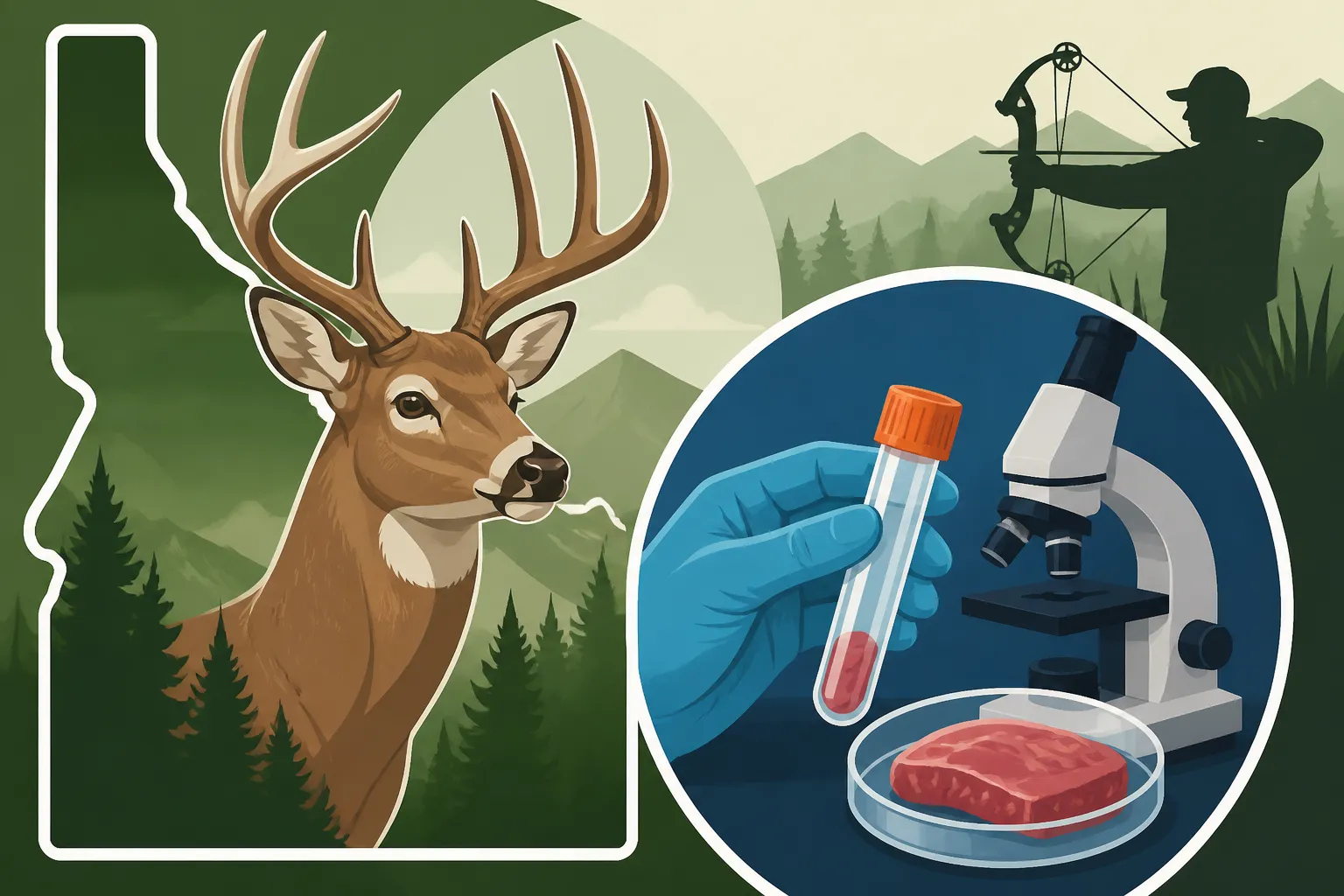
When you’re preparing for an Idaho hunting season, the last thing you want to worry about is a disease impacting the health of the deer and elk herds you cherish. Chronic Wasting Disease (CWD) is a serious concern, and understanding how Idaho manages it, particularly through testing, is crucial for every responsible hunter. This guide will walk you through what CWD means for our state, how you can navigate the testing process, and why your participation is so vital to keeping our wild populations healthy.
Understanding Chronic Wasting Disease and Its Threat to Idaho's Deer and Elk
CWD can sound pretty scary, and honestly, it is. It's a progressive, fatal neurological disease that affects deer, elk, and moose. What makes it particularly insidious is how it operates and its potential for long-term impact on our cherished big game. As hunters, we have a vested interest in the health of these animals, and understanding CWD is the first step toward being part of the solution.
What CWD Actually Is and How It Spreads
At its core, Chronic Wasting Disease is caused by abnormal proteins called prions. These aren't bacteria or viruses in the traditional sense; they're misfolded proteins that cause other normal proteins in the animal's brain and nervous system to misfold as well. Think of it like a cascade effect, slowly but surely destroying the brain tissue until the animal can no longer function, leading to emaciation, behavioral changes, and ultimately, death. It's always fatal, with no known cure or vaccine.
The tricky part about CWD is its transmission. It spreads through direct animal-to-animal contact, but also through contaminated environments. Infected animals shed prions through saliva, urine, and feces, and these prions can persist in the soil for years, even decades. This means that a healthy animal can pick up the disease by simply grazing in an area where an infected animal once lived or died. While there's no evidence CWD can transmit to humans, wildlife agencies like Idaho Fish and Game recommend not consuming meat from CWD-positive animals, just to be safe. It's a proactive stance to protect both wildlife and public health.
The Impact of CWD on Idaho's Hunting Future
The long-term implications of CWD for Idaho’s hunting landscape are significant. Imagine your favorite elk hunting spot, a place you've returned to year after year, suddenly seeing a decline in herd numbers or a shift in behavior due to the disease. It’s not just about the loss of individual animals; it’s about the health and sustainability of entire populations. High rates of CWD can lead to reduced reproductive success, increased mortality, and overall weaker herds, making them more susceptible to other stressors like harsh winters or habitat loss.
For hunters, this could mean fewer tags, more restrictive seasons, or even closures in certain areas to manage the spread. The economic impact on local communities that rely on hunting tourism is also a real concern. Nobody wants to see that happen, which is why early detection and diligent management are so critically important. Your active participation in testing, even if it feels like a small thing, contributes to a much larger effort to safeguard Idaho's hunting heritage for generations to come. How Many Elk the State Actually Holds is a question that depends heavily on controlling such threats.
Navigating Idaho's CWD Testing Requirements and Recommendations
When CWD is detected in a new area, the Idaho Fish and Game Department takes swift action to try and contain it and understand its prevalence. This often means implementing specific testing requirements for hunters in those identified zones. It’s not about making hunting harder; it’s about gathering critical data to inform future management decisions and protect the rest of the state’s healthy herds.
Mandatory Testing Zones and Species
It's important to understand that CWD testing isn't a statewide blanket rule. Instead, Idaho Fish and Game focuses mandatory testing on specific Game Management Units (GMUs) where CWD has been detected or where there's a heightened risk due to proximity to affected areas. These units are often designated as CWD Management Zones. If you're lucky enough to harvest a deer, elk, or moose within one of these zones, submitting a sample from your animal is not just recommended, it's typically required. This is especially true for certain species like deer and elk, which are the most commonly affected.
The reason for this targeted approach is simple: resources. By concentrating efforts in high-risk areas, the state can get the most accurate picture of where the disease is, how prevalent it is, and whether it’s spreading. When you’re planning your hunt, whether you use a tool like GoHunt or the official Idaho Fish and Game website, always double-check the current regulations for your specific GMU. Regulations can change, and what was a voluntary zone last year might be mandatory this season. It's part of being a well-informed hunter. Checking the A Walkthrough of the Idaho Hunt Planner can help you stay current on these specific unit rules.
Voluntary Testing and Hunter Participation
Even if you're hunting outside of a mandatory CWD testing zone, Idaho Fish and Game strongly encourages voluntary testing. Every sample submitted, regardless of location, adds valuable data to the state's understanding of CWD prevalence and distribution. Think of it as an extra layer of protection for the herds and for your peace of mind. Let’s say you’re hunting in a general season unit, far from any known CWD area, and you take a beautiful bull elk. Submitting a sample from that animal helps confirm that CWD hasn't silently crept into that area.
The process for voluntary testing is generally the same as mandatory, only without the legal requirement. You’ll collect the appropriate sample—usually lymph nodes or brainstem tissue—and drop it off at a designated station. Many hunters find peace of mind in knowing their harvest is CWD-free, especially if they plan to share meat with family and friends. It’s a collective effort, and the more samples collected, the clearer the picture becomes, which ultimately benefits all hunters and wildlife enthusiasts. Beyond CWD, remember the Mandatory Reporting After an Idaho Harvest for all species.
The Step-by-Step Process of Submitting a CWD Sample in Idaho
If you find yourself in a mandatory testing zone, or you simply choose to participate voluntarily, the process of submitting a CWD sample might seem a bit daunting at first. But don't worry, it's actually quite straightforward once you know the steps. The key is to be prepared with the right tools and knowledge before you even head into the field.
Collecting the Lymph Node or Brainstem Sample
The most common and effective sample for CWD testing from a harvested animal is the retropharyngeal lymph nodes, which are located at the back of the jaw, near the throat. Sometimes, the obex portion of the brainstem is also collected. It sounds technical, but with a bit of guidance, it's manageable.
Imagine you've just taken down a fantastic mule deer buck in a CWD management unit. After you've field dressed your animal, you’ll want to locate these lymph nodes. They are typically two small, bean-shaped glands, nestled on either side of the windpipe, deep in the muscle tissue where the jawbone meets the neck. Carefully skinning back the hide and some muscle will expose them. Use a clean knife and gloves to remove them, making sure to get the entire gland. Avoid contaminating the sample with other tissues or foreign material. The Idaho Fish and Game website often has detailed diagrams or instructional videos that are incredibly helpful for this step. If you're unsure, practice on a deer head that's already been processed (if available and legal) or consult a butcher. Proper Field Dressing and Carcass Transport Rules Explained are essential here for both safety and sample integrity.
Finding and Utilizing Idaho's CWD Sample Drop-Off Locations
Once you’ve successfully collected your sample, the next step is to get it to a designated drop-off location. Idaho Fish and Game sets up various options to make this as convenient as possible for hunters. These typically include staffed Fish and Game regional offices, local Fish and Game check stations, and even unstaffed freezer barrels placed strategically in certain areas, especially during peak hunting seasons.
Each sample needs to be placed in a clearly labeled plastic bag with specific information, usually including the date of harvest, the Game Management Unit (GMU) where the animal was taken, your name, contact information, and species. You'll often find special collection kits or labels at the drop-off sites themselves, but it’s always a good idea to bring a permanent marker and some freezer bags with you. Tools like GoHunt or the Idaho Fish and Game website provide interactive maps showing the exact locations of these Where Idaho CWD Sampling Stations Are across the state. Using these resources before your hunt can save you a lot of time and guesswork after a successful harvest.
Understanding the Testing Results and Next Steps
After you've submitted your sample, it’s a waiting game. The samples are sent to a specialized lab for analysis, and the turnaround time can vary, often taking several weeks depending on the volume of submissions during hunting season. Idaho Fish and Game will typically notify you directly by phone or email once your results are available. This usually happens regardless of whether the test is positive or negative.
If your animal tests negative for CWD, fantastic! You can proceed with processing and consuming the meat with peace of mind. If, however, the results come back positive, the situation requires immediate attention. Idaho Fish and Game will contact you to discuss the findings. While there are no regulations preventing the consumption of CWD-positive meat, the state strongly advises against it. You'll be asked about your plans for the carcass and provided guidance on proper disposal. This is also where Carcass Transport Rules After a CWD Detection become critical, as strict regulations are in place to prevent further spread of the disease. This is a critical moment for ongoing management efforts, and your cooperation is invaluable.
Broader Management Strategies and the Hunter's Role Beyond Testing
CWD testing is undoubtedly a cornerstone of Idaho's management strategy, but it's just one piece of a much larger puzzle. To truly protect our wild populations, we as hunters need to be aware of and participate in a range of practices that go beyond simply submitting a sample. Our actions in the field, from how we handle a carcass to our overall ethical approach, play a significant role in mitigating the spread of this persistent disease.
Carcass Movement Restrictions and Their Importance
One of the most effective ways to prevent the spread of CWD is by limiting the movement of potentially infected carcasses, especially out of known CWD management zones. Imagine if an infected animal’s remains were transported hundreds of miles to a new area and those prions were introduced into a completely clean environment. That’s exactly what carcass movement restrictions aim to prevent. These rules generally state that certain high-risk parts of a harvested animal, like the brain, spinal cord, lymph nodes, and spleen, cannot leave a designated CWD zone.
However, deboned meat, cleaned skull plates (without brain matter), antlers, hide, and teeth are usually exempt, as they are considered very low risk for CWD transmission. This means you can still get your trophy mounted or enjoy the meat, but you need to take extra steps to process the animal in the field or in a facility within the CWD zone. Always check the current Idaho Fish and Game regulations for the specific unit you are hunting in, as these rules can vary. It’s a small inconvenience for a huge benefit in protecting the health of the entire state's big game. For broader understanding of how these rules fit into the larger picture, consider reading about The Meat Salvage Requirements for Big Game.
Ethical Hunting Practices and Preventing CWD Spread
Beyond testing and carcass rules, ethical hunting practices are fundamental to CWD prevention. This starts even before you pull the trigger. If you observe an animal exhibiting signs of CWD—such as extreme emaciation, stumbling, drooping ears, or excessive salivation—do not harvest it. Not only is the meat likely to be unpalatable and potentially unsafe, but taking such an animal removes a valuable CWD detection opportunity and prevents further spread into the food chain. Instead, report sick animals to Idaho Fish and Game immediately, providing as much detail as possible about their location and behavior.
Proper disposal of remains is another critical aspect. If you process an animal in the field and are not submitting a sample, ensure that any carcass parts are left in the unit where the animal was harvested. This minimizes the risk of transporting prions to new areas. Never discard carcass waste in landfills that aren't specifically equipped to handle wildlife remains, or along roadsides. Being a responsible hunter means being a steward of the land and its wildlife, which includes actively working to prevent the spread of diseases like CWD. By staying informed, utilizing resources like GoHunt to understand specific unit regulations, and making conscientious choices, we can all contribute to the long-term health of Idaho's incredible hunting resource.
Here's a quick checklist to help you prepare for CWD sample submission:
| Item | Purpose | Notes |
|---|---|---|
| Clean, Sharp Knife | For precise tissue removal | Sterilize before and after use |
| Disposable Gloves | Personal protection and sample hygiene | Use a new pair for each animal |
| Resealable Plastic Bags | To contain the tissue sample | Heavy-duty freezer bags are ideal |
| Permanent Marker | Labeling sample bags with required information | Essential for clear identification |
| Hunting License/Tag Info | Required for identification on submission form | Have it readily accessible |
| Cooler with Ice | To keep sample cool until drop-off | Prevents degradation of the tissue |
| Map of CWD Zones | Know if you're in a mandatory area | Use GoHunt or IDFG resources to verify |
| IDFG CWD Info Sheet | Quick reference for sample collection & drop-offs | Often available online or at check stations |
Disclaimer
This article is for general informational purposes only and does not constitute professional advice. Laws, prices and regulations vary by location and change over time. Consult a qualified professional for guidance on your specific situation.