Idaho Mountain Lion Harvest Reporting Rules
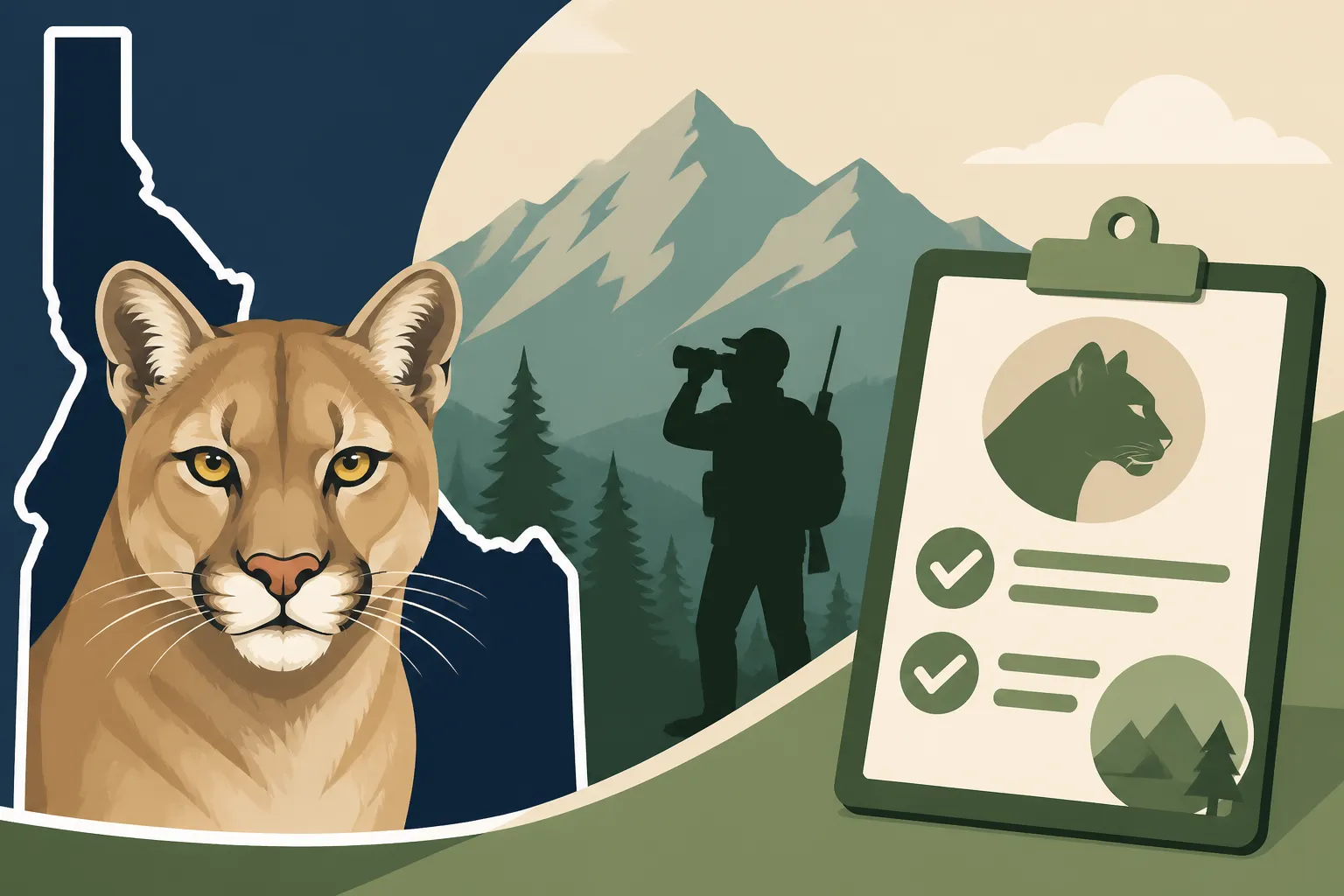
Bringing down a mountain lion in Idaho is a monumental achievement, a testament to your skill, patience, and ability to navigate some seriously rugged country. But the hunt doesn't end when the cat goes down. The critical next step, and one that often trips up even seasoned hunters, involves navigating Idaho's mandatory harvest reporting rules. Missing these steps can turn a successful hunt into a frustrating legal headache, and this guide is here to walk you through exactly what you need to do to ensure everything is above board.
The Importance of Reporting Your Mountain Lion Harvest in Idaho
Let's be real, after the adrenaline of a successful mountain lion hunt, the last thing many of us want to think about is paperwork and deadlines. But when it comes to mountain lions in Idaho, the reporting requirements aren't just bureaucratic red tape; they're absolutely fundamental to the continued management and health of the species. Ignoring these steps doesn't just put your hunt at risk, it impacts the entire system designed to keep these amazing predators thriving.
Why Every Harvest Matters for Conservation
Each mountain lion harvest provides crucial data. Think about it: every reported kill helps Idaho Fish and Game understand population trends, distribution, and overall health of the species within specific units. Without this information, it's like trying to navigate a dense fog without a map. They use this data to set future quotas, adjust season lengths, and manage potential conflicts with livestock or other big game species like deer and elk. When you don't report, you're essentially creating a blind spot in that map, making it harder for wildlife managers to make informed decisions that benefit both the lions and the hunting community. It’s a vital piece of the conservation puzzle, and your participation ensures the integrity of that puzzle.
For example, if a particular unit has a low quota and hunters aren't reporting their harvests, the state might inadvertently exceed its management objectives for that area, potentially harming the long-term sustainability of the lion population there. Conversely, if hunters consistently report, and it shows the population is robust, future seasons might offer more opportunities. That's why every single harvest, big or small, plays a role. It's a prime example of how hunters are truly conservationists, contributing directly to the health of the wildlife they pursue.
Quotas and Season Closures: The Direct Impact of Reporting
Unlike some other big game, mountain lion seasons in many Idaho units are managed by harvest quotas rather than fixed dates. This means a season can close suddenly once a certain number of animals are taken within a specific Game Management Unit (GMU). This is where timely reporting becomes absolutely critical. If you harvest a lion and delay reporting, there's a chance the quota for that unit could be met and the season closed by the time you finally get around to it. That puts you, the hunter, in a precarious position, as you might have harvested an animal legally but failed to report it within the active season.
Imagine the frustration: you put in weeks of scouting, find the perfect track, engage in a thrilling chase, and eventually connect on a beautiful tom. You're beaming, exhausted, and ready to celebrate. But then you get home, relax a bit, and a few days later, you go to report, only to find out the unit closed two days prior. Suddenly, your legal harvest is in a gray area, and you could face penalties. This isn't just a hypothetical scenario; it's a real risk for hunters who don't prioritize immediate reporting. Resources like Idaho Mountain Lion Quotas by Unit are constantly updated, but your personal responsibility for reporting is paramount. Many hunters use resources like GoHunt to research units before the season, and it’s a good idea to keep tabs on those quotas once you’re hunting, too.
The Step-by-Step Process for Reporting Your Mountain Lion Harvest
So, you've successfully harvested a mountain lion. Congratulations! Now, let's get into the nitty-gritty of how to legally report it and ensure you comply with all Idaho Fish and Game regulations. This isn't something you want to guess at, so pay close attention to the details.
Immediate Notification: The 24-Hour Rule
Idaho Fish and Game requires that you notify them within 24 hours of harvesting a mountain lion. This isn't 24 hours from when you get home and shower; it's 24 hours from the actual time the animal was killed. This immediate notification is crucial for quota management, especially in those units with limited harvest numbers. You can make this notification by phone, directly contacting the nearest Idaho Fish and Game regional office, or through an authorized vendor. The specific phone numbers for regional offices are usually listed in the current Idaho big game regulations brochure. Don't rely on a text to a buddy or a social media post; make that official call. It's the first and most vital step to ensuring your harvest is legitimate.
This initial contact isn't necessarily about giving them every single detail, but rather about putting your harvest on record and signaling that a quota needs to be adjusted. It helps them monitor pressure on different units and potentially issue season closures swiftly if the quota is reached. For this reason, always have the GMU you hunted in mind, along with the date and approximate time of harvest, before you make that call. Being prepared helps them, and helps you. For those looking for broader guidelines, the information about Mandatory Reporting After an Idaho Harvest provides a general overview applicable to all species.
Physical Check-In and Pelt Tagging: The 10-Day Deadline
After the initial 24-hour notification, you have a more generous, yet still critical, deadline: you must physically present the skull and hide of your mountain lion to an Idaho Fish and Game regional office or an authorized vendor within 10 days of harvest. This step is non-negotiable and incredibly important for biological data collection and proper tagging.
When you bring in your lion, a Fish and Game official will inspect it, collect biological samples (often a tooth for aging), and then issue you an official pelt tag. This pelt tag must be securely affixed to the hide, and it's your proof that the animal was legally harvested and reported. Without this tag, transporting or possessing the hide and skull could land you in serious trouble. Think of it as the ultimate certification for your trophy. Many hunters often bring their lion directly to a taxidermist who is an authorized vendor, which streamlines the process. Just be sure to confirm their authorization beforehand. You can cross-reference unit quotas, often found through tools like GoHunt, with your harvest plans to stay on top of potential closures. Understanding Idaho Mountain Lion Pelt Tagging Rules will give you even more context on this critical step.
Critical Details: Pelt Tagging, Skulls, and Evidence of Sex
Beyond the general reporting deadlines, there are specific physical requirements and details you need to be aware of regarding your mountain lion carcass. These aren't just minor suggestions; they are strictly enforced rules designed to prevent illegal activity and ensure accurate data collection.
What to Present: Hide, Skull, and Evidence of Sex
When you bring your mountain lion to Fish and Game for check-in, you must present the hide and skull. It’s important to keep them together and in good condition. The hide should be intact enough for proper inspection and tagging. For the skull, the official will often remove a premolar tooth for aging the animal. This provides valuable demographic information for population management. Make sure you don't remove or alter the skull in a way that would prevent tooth removal or accurate assessment.
Crucially, you must also provide evidence of sex. For mountain lions, this means leaving the genitalia naturally attached to the hide until it has been checked by Fish and Game. This is a common rule across many species and ensures that the hunter has legally harvested the correct animal, as some units may have sex-specific harvest rules or quotas. Removing this evidence prematurely can lead to fines or even confiscation. Think about it: if every hunter just brought in a hide, there would be no way to verify they harvested a male or female as per the tag or quota. This is similar to Evidence of Sex Requirements on a Carcass for other big game animals in Idaho, emphasizing the importance of leaving certain parts attached until inspection. Don't forget, you also need to tag the animal immediately after harvest; learn more here: How Soon You Must Tag a Downed Animal.
Preservation Best Practices for Transport and Check-In
Keeping the hide and skull in good condition for check-in can be a challenge, especially if you're hunting in warmer weather or deep in the backcountry. The goal is to prevent spoilage that could compromise the biological data or make the pelt tagging difficult.
- Cooling: As soon as possible, get the animal cooled down. If you can't get it to a freezer or cold storage right away, skinning it out and getting the hide cooled is paramount.
- Cleaning: Remove as much excess meat and fat from the hide as possible. This greatly slows down bacterial growth.
- Salting (if prolonged storage): If you anticipate a delay in getting to a check-in station, thoroughly salting the hide can preserve it. Use non-iodized salt, rubbing it liberally into the flesh side, then fold it up. This will draw out moisture. You'll still need to bring it in for check-in, but it buys you time.
- Skull Prep: The skull can be kept cool or even frozen if needed. If you're going to freeze it, place it in a plastic bag to prevent freezer burn and label it clearly.
The goal is to get it to Fish and Game in a state where they can easily inspect it and collect the necessary data. A spoiled hide or skull can be a huge disappointment after such a hard-earned hunt. For more general advice on preparing your harvest, refer to Field Dressing and Carcass Transport Rules Explained.
Understanding the Unit-Specific Quotas and Closures
I've mentioned quotas a few times, but let's dive a little deeper into how they really operate for mountain lions. Idaho manages mountain lions on a unit-by-unit basis, meaning each Game Management Unit (GMU) can have its own specific quota for male lions, female lions, or a combined total. These quotas are set to ensure sustainable harvest rates within each distinct population segment.
As hunters report their kills, the quota for that specific unit decreases. When the quota is met, Idaho Fish and Game will issue an emergency closure for that unit's mountain lion season. This closure is usually announced through their website, news releases, and often updated instantly on their dedicated phone hotlines. Staying organized with dates and locations, perhaps even tracking through a system like GoHunt, can make the reporting process smoother. It is your responsibility as a hunter to know if the unit you are hunting in has an open season or if it has been closed. Ignorance of a closure is not a valid excuse for harvesting a lion. Many experienced lion hunters will check the Fish and Game website or hotline daily while they are hunting to ensure the unit is still open.
Here's a simplified table illustrating a hypothetical quota monitoring process:
| Game Management Unit (GMU) | Total Lion Quota | Male Lion Sub-Quota | Female Lion Sub-Quota | Current Harvest (Male) | Current Harvest (Female) | Status (as of last check) |
|---|---|---|---|---|---|---|
| Unit 1 (Example) | 10 | 7 | 3 | 5 | 2 | Open |
| Unit 2 (Example) | 5 | 3 | 2 | 3 | 1 | Male Quota Met / Open for Female |
| Unit 3 (Example) | 8 | 5 | 3 | 5 | 3 | Closed (All Quotas Met) |
This table highlights how specific quotas can trigger closures, emphasizing the need for constant vigilance. For up-to-date information on specific unit quotas or season closures, a tool like GoHunt can be invaluable for cross-referencing against official Idaho Fish and Game sources.
Consequences of Non-Compliance: What Happens If You Don't Report
It might seem tempting to skip the reporting process, especially if you're way out in the sticks or just want to get home after a long hunt. But I cannot stress this enough: cutting corners on mandatory reporting for a mountain lion in Idaho is a really, really bad idea. The state takes these regulations seriously, and the penalties for non-compliance are far-reaching and can have significant impacts on your hunting privileges and your wallet.
Legal Penalties and Fines
Failing to report your mountain lion harvest within the specified deadlines, or failing to present the hide and skull for inspection and tagging, is a violation of Idaho's wildlife laws. This isn't just a slap on the wrist; it's typically treated as a misdemeanor offense. Misdemeanors in Idaho can carry substantial fines, often running into hundreds, if not thousands, of dollars. Beyond the direct financial hit, you could also face court costs and other legal fees, which just adds insult to injury.
Imagine paying a significant fine simply because you didn't make a phone call or drive to a check-in station on time. It's a completely avoidable expense that can easily overshadow the joy of the hunt. These laws are in place for a reason, and wildlife officers are trained to enforce them. They regularly check with taxidermists and hide buyers, and if your lion shows up without a proper tag or a record of reporting, questions will be asked.
Loss of Hunting Privileges
Perhaps even more devastating than the fines for many hunters is the potential loss of hunting privileges. Wildlife violations, especially those involving big game like mountain lions, can lead to your hunting license being revoked or suspended for a period of time. This isn't just an Idaho problem; many states participate in interstate wildlife violator compacts. This means a suspension in Idaho could very easily translate into a suspension in neighboring states like Montana, Wyoming, or Oregon, effectively shutting down your hunting opportunities across the West.
Think about all the time, money, and passion you pour into your hunting pursuits. To have that taken away, even temporarily, because of an oversight in reporting can be heartbreaking. It can mean missing out on seasons you've waited years for, or controlled hunts you've drawn. The long-term consequences of not reporting extend far beyond the immediate hunt, impacting your ability to pursue game for years to come. It’s a very harsh lesson to learn, and one that's entirely preventable by simply following the rules.
Confiscation of Trophy and Equipment
In severe cases of non-compliance, particularly if there's suspicion of illegal take or attempting to hide a harvest, wildlife officials have the authority to confiscate the harvested animal (hide and skull) and even equipment used in the hunt. Losing your hard-earned mountain lion trophy, which represents so much effort and dedication, would be a truly bitter pill to swallow.
Beyond the trophy itself, imagine having your firearms, bows, or even your vehicle confiscated as evidence. While less common for simple reporting errors, it's a possibility if the violation is deemed more serious or if you're uncooperative. The financial and emotional cost of such a scenario far outweighs the minor inconvenience of making a phone call and driving to a check-in station. It underscores just how important it is to treat every step of the hunting process, from scouting to reporting, with respect and diligence.
Disclaimer
This article is for general informational purposes only and does not constitute professional advice. Laws, prices and regulations vary by location and change over time. Consult a qualified professional for guidance on your specific situation.