Typical Deposit Amounts Idaho Outfitters Ask
Planning an Idaho hunting adventure often involves a significant financial commitment, and one of the first hurdles you’ll encounter is the outfitter’s deposit. It can feel like a leap of faith to send a chunk of change upfront, especially when you’re still trying to wrap your head around tag applications, travel logistics, and the sheer scale of an Idaho hunt. This guide will walk you through what typical deposit amounts Idaho outfitters ask for, why they’re necessary, and how to navigate the terms to ensure your hard-earned money is protected, making the booking process less daunting.
Understanding the Upfront Cost: Typical Deposit Amounts Idaho Outfitters Ask
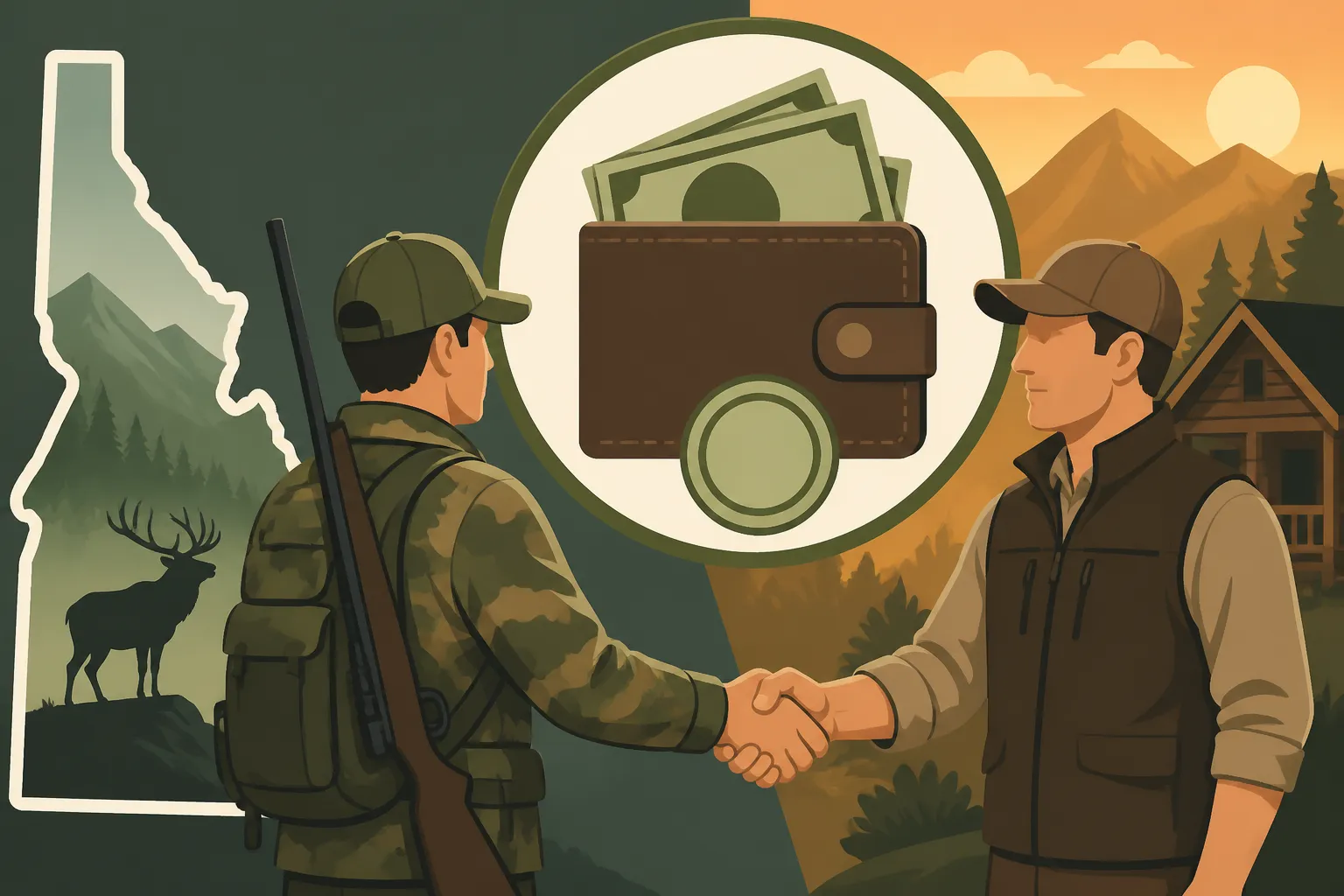
When you dream of glassing a sagebrush hillside for mule deer or hearing a bull elk bugle in the timber, the last thing you want to think about is money. But the reality is, securing a spot with a reputable Idaho outfitter requires an initial financial commitment: the deposit. This isn't just a random number; it's a critical part of how outfitters operate, allowing them to plan, prepare, and reserve your space.
The Standard Range: What to Expect
The truth is, there isn't one single "standard" deposit amount across all Idaho outfitters. It varies widely based on several factors, but generally, you can expect an outfitter to ask for anywhere from 25% to 50% of the total hunt cost as an initial deposit. For hunts booked far in advance, sometimes two or three years out, you might even see a smaller initial deposit followed by a payment schedule leading up to the hunt.
Think about it from their perspective. An Idaho outfitter has overhead: horses to feed, guides to pay, equipment to maintain, and permits to secure. When they commit a specific week to you, they're turning away other potential clients. That deposit helps them cover these initial costs and ensures you're serious about the booking. For a classic guided elk hunt, which can easily run into several thousand dollars, a 30% deposit means you're likely sending a check for a couple thousand right off the bat. It’s a substantial sum, and it’s completely normal to feel a bit of sticker shock. Don't let that deter you; it’s a necessary step in the process. The Average Cost of a Guided Idaho Elk Hunt can give you a clearer picture of the overall investment.
Why Deposits Are Essential for Outfitters (and for You)
It's easy to view a deposit solely as a financial burden, but it serves vital purposes for both the outfitter and the hunter. From the outfitter's side, it’s about business stability and commitment. Running a hunting operation in Idaho, whether it’s a horseback hunt deep in the Frank Church Wilderness or a more accessible deer hunt near public lands, involves immense planning. They need to secure dates, allocate staff, purchase supplies, and often pay for permits and leases months in advance. Your deposit provides the capital to do this. Without it, they'd be operating on pure faith, which just isn't sustainable.
For you, the hunter, the deposit formalizes your reservation. It locks in your hunt dates and ensures that the outfitter won't book someone else into your slot. It's the first tangible step towards your dream hunt. It shows you're committed and helps the outfitter dedicate their resources to providing you with the best possible experience. Imagine showing up for your hunt only to find your spot was given away because there was no binding agreement—that's what a deposit prevents. This initial payment is often the first step in Booking an Idaho Hunt Around the Draw Calendar, as many outfitters fill their prime dates years ahead of time.
How Hunt Type and Duration Influence Your Deposit
The specific type of hunt you're booking and its duration play a significant role in determining the deposit amount. A quick, two-day spring bear hunt is likely to have a lower deposit, both in percentage and raw dollars, than a seven-day backcountry elk expedition.
Consider a multi-day wilderness pack-in hunt for bighorn sheep or mountain goat. These hunts are incredibly logistically complex and require extensive resources, skilled guides, and specialized pack animals. The outfitter is committing a huge portion of their season and resources to a single client or small group. Consequently, the deposit might be closer to the higher end of the 50% range to reflect that commitment. In contrast, a landowner permission hunt for deer on leased private ground might require a smaller percentage, as the operational costs are often less intense. When you're looking at different options on platforms like BookYourHunt, you'll often see these deposit variations clearly laid out alongside the total price. A more budget-friendly What an Idaho Drop Camp Costs might also come with a different deposit structure compared to a fully guided, lodge-based experience.
| Hunt Type | Typical Deposit % Range | Notes |
|---|---|---|
| Standard Guided Elk/Deer | 25-35% | Common for 5-7 day hunts, balanced commitment. |
| Trophy/Specialty Hunts | 35-50% | Moose, Sheep, Goat; high demand, limited tags, more resource-intensive. |
| Drop Camps/Semi-Guided | 20-30% | Lower overhead for outfitter, less direct guiding. |
| Shorter Duration Hunts | 25-30% | Spring Bear, Turkey; fewer days, less logistical complexity. |
| Last-Minute Bookings | Up to 100% | If hunting within 60-90 days, balance might be due immediately. |
Navigating Deposit Policies: What to Look For Beyond the Number
The amount of the deposit is just one piece of the puzzle. What truly matters are the terms and conditions attached to that deposit. Many hunters make the mistake of only looking at the dollar figure and not digging into the cancellation, refund, or transfer policies. This is where potential heartbreak and financial loss can occur if you’re not careful. It’s absolutely critical to understand these details before you send any money.
Refundability and Cancellation Terms
This is arguably the most important aspect of any outfitter contract. Life happens. Plans change. And sometimes, you just don't draw that coveted Idaho tag. What happens to your deposit then? Outfitters generally have varying policies, and it's rare to find a fully refundable deposit, especially if you cancel for reasons unrelated to the draw.
Many outfitters will offer a partial refund, often less an administrative fee, if you cancel far enough in advance (e.g., 6-12 months out). As you get closer to the hunt date, the refund amount typically shrinks or disappears entirely. This is because it becomes increasingly difficult for them to fill that spot, and they've already incurred costs. Always read the fine print in the contract. A reputable outfitter will have clear, unambiguous language about their cancellation policy. Don't be shy about asking direct questions if anything is unclear. For instance, what if you injure yourself a month before the hunt? What if there's an unforeseen family emergency? Knowing Reading the Cancellation and Refund Terms thoroughly can save you a lot of grief.
Transferring Deposits: A Less Common Option
Sometimes, an outfitter might offer the option to transfer your deposit to a future year or to another hunter if you can't make your original dates. This is less common than a straight refund policy but can be a lifesaver. Transferring to a future year is typically at the outfitter's discretion and often depends on availability and how much notice you provide. If they're fully booked for the next season, a transfer might not be possible.
Transferring to another hunter (e.g., a friend or family member) usually requires the outfitter's approval, as they need to ensure the new hunter meets their requirements and understands the hunt details. This can be a generous option, but don't assume it will be available. Always confirm this possibility in writing before booking. While not a direct deposit topic, understanding Transferring an Idaho Tag to Another Hunter offers a glimpse into how transferability often operates with hunting permits, which can be a useful parallel.
The Impact of Drawing or Not Drawing Your Tag
For many nonresident hunters, an Idaho hunt is contingent on drawing a controlled hunt tag. This is particularly true for sought-after species like moose or bighorn sheep, or for specific controlled elk units. This raises a critical question: what happens to your deposit if you apply for a tag and don't draw? This is where an outfitter's policy can vary significantly.
Some outfitters, particularly those who specialize in controlled hunts, understand this risk. They might offer a full refund of your deposit, or at least a transfer to the following year, if you fail to draw the necessary tag. Other outfitters might retain a small administrative fee. And a few, regrettably, might keep the entire deposit, arguing that they held the dates for you. This is why discussing Whether You Get a Refund If You Fail to Draw is paramount. Make sure this specific scenario is explicitly addressed in your contract. Using resources like GoHunt to research draw odds beforehand can give you a realistic expectation of your chances, influencing your decision to book certain hunts. Idaho Moose Is a Controlled Hunt You Wait Years For is a prime example of a hunt where draw uncertainty is very high, making deposit terms even more critical.
Protecting Your Investment: Best Practices Before Sending Funds
Committing to a guided hunt in Idaho is a significant investment of time, money, and dreams. You want to make sure your financial commitment is secure and that you’re dealing with a legitimate, high-quality operation. Taking a few proactive steps can safeguard your interests and ensure a smoother experience from booking to harvest.
Vetting the Outfitter and Reviewing Contracts
Before you even think about writing that deposit check, do your homework. A thorough vetting process is non-negotiable. Start by checking if the outfitter is licensed and in good standing with the Idaho Outfitters and Guides Licensing Board (IOGLB). This board regulates outfitters and guides in the state, and their website is a valuable resource. Ask for references—and actually call them. Don't just rely on testimonials on a website. Speak to recent clients about their experiences, especially concerning communication, hunt success, and adherence to contract terms.
Once you’ve narrowed down your choice, demand a written contract. A verbal agreement simply isn't enough when thousands of dollars are on the line. Read every single clause of that contract. Don’t skim. Pay close attention to the deposit amount, payment schedule, cancellation policy, refund terms, and what happens if you don't draw a tag. If something seems unclear or too vague, ask for clarification in writing. A professional outfitter will appreciate your diligence and provide clear answers. This step ties directly into Vetting an Idaho Outfitter Before You Send a Deposit, which covers this process in extensive detail.
Payment Schedules and Final Balances
Outfitters rarely ask for the entire hunt cost upfront, unless it’s a very last-minute booking. After the initial deposit, most will have a structured payment schedule. Common arrangements include:
- Second Payment: Often due 90-180 days before the hunt, bringing your total paid to 50-75% of the hunt cost.
- Final Balance: Typically due 30-60 days before the hunt. Sometimes, the final balance is paid upon arrival at camp, but this is becoming less common due to logistical complexities and financial security for the outfitter.
Be sure you understand these deadlines and mark them on your calendar. Missing a payment deadline could, according to some contracts, result in forfeiture of your deposit or even the cancellation of your hunt. Always pay by a traceable method, such as a check, credit card (if offered), or bank transfer. Avoid cash payments unless absolutely necessary and ensure you get a dated receipt. Understanding these deadlines is crucial, especially if you're coordinating multiple payments around the How Far Ahead to Book an Idaho Hunt timeline.
The Value of Hunt Insurance (and when it makes sense)
For a significant investment like a guided Idaho hunt, travel or hunt insurance can be a smart consideration. This isn't just for international trips anymore. Hunt insurance policies can cover various contingencies, including:
- Trip Cancellation/Interruption: If you can't go on your hunt due to illness, injury, or unforeseen circumstances (covered by the policy), it can reimburse you for non-refundable deposits and payments.
- Draw Failure: Some specialized policies offer coverage if you fail to draw a required tag, helping you recoup your losses.
- Medical Emergencies: Especially for backcountry hunts, medical evacuation can be incredibly expensive.
- Equipment Loss/Damage: Covers lost or damaged gear during your trip.
While it's an additional cost, the peace of mind can be priceless. Carefully review any policy to understand what it covers and what it excludes. It’s particularly worth considering for high-value hunts, or if you have any health concerns that could jeopardize your trip. Discuss your specific hunt details with the insurance provider to ensure the policy is a good fit. This kind of protection offers a layer of security over the Typical Deposit Amounts Idaho Outfitters Ask and the full hunt cost.
Disclaimer
This article is for general informational purposes only and does not constitute professional advice. Laws, prices and regulations vary by location and change over time. Consult a qualified professional for guidance on your specific situation.