Can You Switch Idaho Zones After Buying a Tag?
It’s a common scenario: you’ve spent hours pouring over maps, reading regulations, and finally clicked "purchase" on that Idaho hunting tag, only to have a sudden pang of doubt or a new piece of information make you second-guess your zone choice. The thought immediately pops up – "Can I just switch to a different Idaho zone now?" It's a perfectly natural question, born from the complexity of Western big game hunting, but the reality can be a bit more rigid than we'd like to imagine. This guide will walk you through Idaho's tag system, explain why changing your zone after the fact is generally not possible, and equip you with the knowledge to make confident choices from the start.
The Strict Nature of Idaho's Tag System
Let's face it, nobody wants to feel locked into a decision, especially one as important and costly as a hunting tag. Many hunters, particularly those new to Idaho or Western hunting in general, often wonder if there's flexibility to change their minds about an elk or deer zone after they’ve committed to a purchase. Unfortunately, Idaho's system, while designed for sound wildlife management, is quite firm on this. Once you’ve bought a general season tag or drawn a controlled hunt tag for a specific zone or unit, you are, for all intents and purposes, committed to that area.
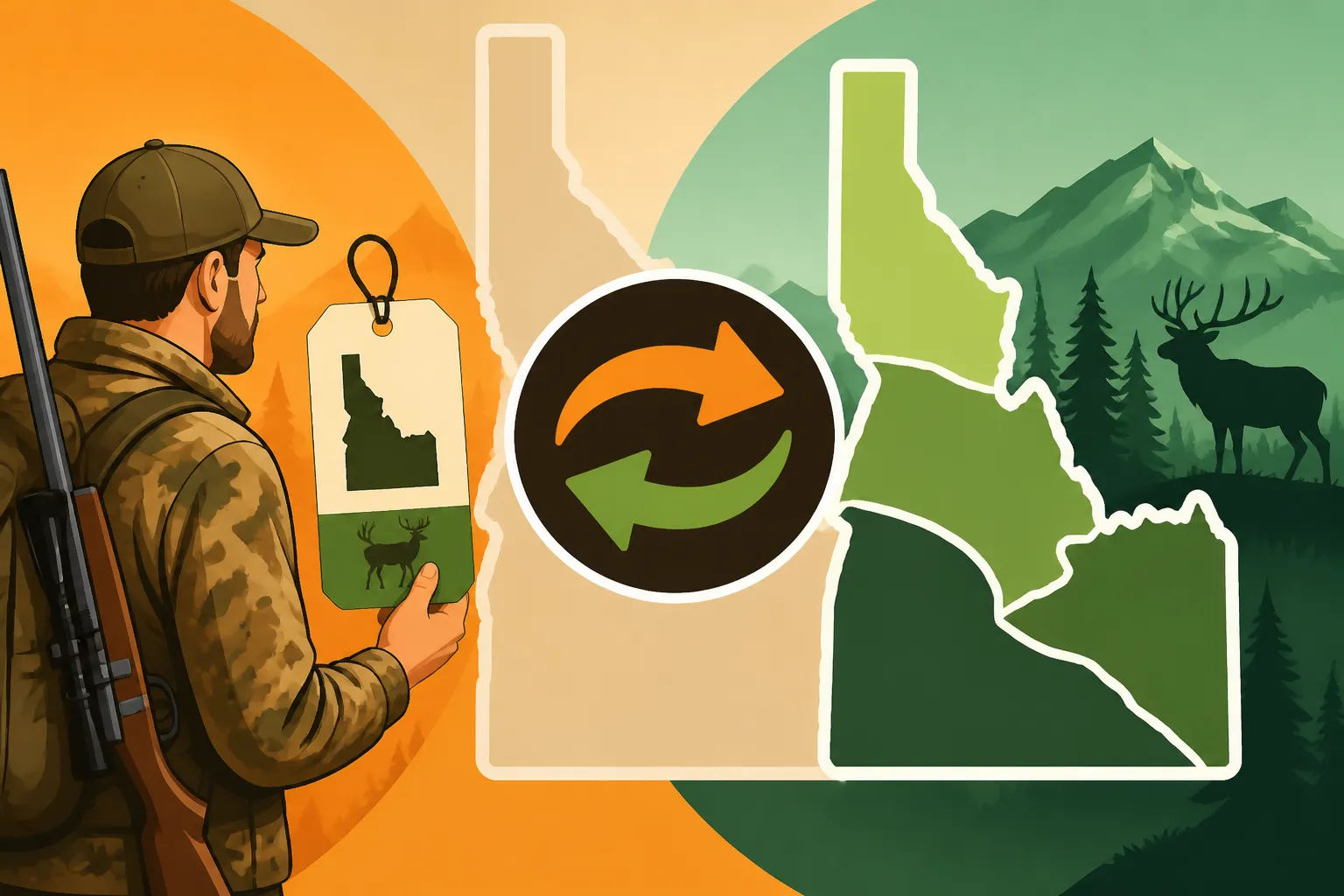
Idaho Fish and Game (IDFG) manages wildlife populations on a very granular level. They divide the state into many different Game Management Units, and then overlay those with larger Elk Zones. Each zone and unit has specific harvest objectives, season dates, and weapon restrictions tailored to the local wildlife populations and habitat conditions. If hunters could freely switch zones after purchasing tags, it would throw a massive wrench into these carefully constructed management plans. It would become impossible to predict hunter pressure, manage harvest quotas, and ensure sustainable populations in each unique area.
Consider the scenario where one zone suddenly sees a huge influx of hunters because a rumor spreads about a monster bull, while another, less popular zone, sits empty. This kind of uncontrolled movement could quickly decimate local populations in high-pressure areas and leave tags unused in others, defeating the purpose of the zone system entirely. This rigid approach, while sometimes frustrating for individual hunters, is ultimately aimed at ensuring healthy herds and hunting opportunities for everyone in the long run.
Understanding Your Tag's Specificity
When you purchase a hunting tag in Idaho, whether it's an over-the-counter general season tag or a successful draw from a controlled hunt, that tag is typically assigned to a very specific area. It's not just a "statewide" elk tag; it's an "Idaho Elk Tag for the Panhandle Zone" or a "Controlled Hunt Tag for Unit 39," for example. This specificity is crucial and forms the bedrock of Idaho's wildlife management strategy.
General Season Tags and Zone Commitment
For many species, especially elk and deer, Idaho operates on a general season tag system tied to specific zones. For instance, you might choose an A Tag or B Tag option, which dictates the type of weapon and timing of your hunt. If you select an "Idaho Elk Zone for the Lolo Zone," that tag is valid only within the boundaries of the Lolo Zone. You cannot then decide, a week before the season, that you'd rather hunt the Salmon Zone because your buddy heard the elk are bugling better there. Your purchased tag binds you to the Lolo. This is particularly important when considering things like how Idaho's second controlled hunt drawing works for leftover tags, as even those are specific to an area.
This commitment extends to the species and sex of the animal, too. A general season buck deer tag doesn't magically become a bull elk tag, nor can you use an "any-deer" tag in a unit designated as "antlered-deer-only." Every detail on that tag matters. It's vital to research and confirm the precise zones and regulations before you buy, using resources like the official Idaho Hunt Planner. A tool like GoHunt can be invaluable here, helping you visualize zone boundaries and regulations before committing.
Controlled Hunt Tags and Unit Limitations
Controlled hunts take the specificity a step further. Instead of broad zones, controlled hunt tags are typically valid for individual Game Management Units (GMUs) or a cluster of specific units. These tags are usually allocated through a drawing system, and the number of tags is strictly limited to meet very precise harvest objectives for that particular unit.
Once you draw a controlled hunt tag, say for elk in Unit 45, that tag is exclusively for Unit 45. There's absolutely no flexibility to switch to an adjacent unit, even if you find out later that the elk are wintering just across the boundary in Unit 46. The very nature of a "controlled" hunt means that every aspect, including the location, is tightly regulated. This makes understanding "Idaho's Minimum Age for Big Game and Cranes" for youth hunters, or any other regulation, even more critical as there's no room for error.
| Tag Type | Geographic Scope | Flexibility to Change Zone/Unit After Purchase |
|---|---|---|
| General Season | Specific Elk/Deer Zone | No. Tag is valid only for the designated zone. |
| Controlled Hunt | Specific GMU(s) | No. Tag is valid only for the designated unit(s). |
| Moose/Sheep/Goat | Specific Hunt Area | No. Extremely limited tags, highly specific. |
What to Do If You've Made a Mistake
It happens. You're human, the regulations are complex, and sometimes, despite your best efforts, you might realize you've purchased a tag for the wrong Idaho zone or unit. While the ability to simply "switch" is virtually non-existent, there are a few avenues to explore, though they often come with limitations and are not guaranteed to provide a full solution.
Refunds and Exchanges: A Limited Option
Idaho Fish and Game does have a policy for tag refunds and exchanges, but it’s crucial to understand that these are generally not granted because a hunter simply changed their mind about a preferred hunting area. Typically, refunds are reserved for very specific, unavoidable circumstances such as a severe medical emergency, military deployment, or the death of the hunter. Even in these cases, there are often deadlines, processing fees, and documentation requirements.
For example, if you bought a general season elk tag for the Salmon Zone and then realize you meant to buy for the Frank Church-River of No Return Zone, you likely won't be able to exchange it. Your best bet is to contact IDFG directly, explain your situation, and ask about their current refund policy. Be prepared for the answer to be "no" if your reason isn't one of their approved extenuating circumstances. It’s a tough pill to swallow, especially given the cost of an Idaho nonresident elk hunt, but it underscores the importance of pre-purchase diligence.
Secondary Market or Returned Tag Sales
There isn't a "secondary market" for Idaho hunting tags in the traditional sense, where you can sell your tag to another hunter. This is illegal and strictly prohibited to prevent commercial exploitation and maintain fair access.
However, Idaho does sometimes have "returned tag sales" for controlled hunts. If a successful applicant fails to purchase their drawn tag by the deadline, or if a purchased tag is refunded under strict circumstances, those tags may become available in a later sale, often on a first-come, first-served basis. This is not a mechanism for you to swap your existing tag, but rather an opportunity to potentially acquire a different tag if you failed to draw or if one becomes unexpectedly available for your desired area. These sales are highly competitive and sell out very quickly. Always check the official IDFG website for announcements regarding these sales.
Embracing the Chosen Zone
If a refund or exchange isn't possible, the most realistic and often rewarding approach is to embrace the zone you've committed to. Every Idaho Elk Zone and Game Management Unit offers unique challenges and opportunities. What you initially saw as a "mistake" could turn into an incredible adventure.
Take the time to thoroughly research your assigned zone. Utilize tools like GoHunt or the Idaho Hunt Planner to dive deep into the terrain, access points, public land percentages, and historical harvest data. Look for areas with less pressure, study the migration patterns, and understand the specific regulations for that zone. Perhaps your chosen area has excellent opportunities for hunting elk in Idaho's timbered zones or is known for mule deer across Idaho's high desert and breaks, even if that wasn't your initial target species. Sometimes, the unexpected turns out to be the best. This attitude shift can transform disappointment into determination.
Planning Ahead to Avoid Zone Confusion
The best way to avoid the frustration of wanting to switch zones after buying a tag is meticulous planning before you make your purchase. Idaho hunting offers incredible opportunities, but it demands careful preparation.
Deep Dive into Regulations and Maps
Before you even think about buying a license or applying for a tag, immerse yourself in the Idaho Fish and Game regulations. These documents, available online, are your bible. Don't just skim them; read them thoroughly, paying close attention to the specific unit and zone descriptions. Understand how Idaho elk zones are laid out and how they overlap with Game Management Units.
Use topographical maps, satellite imagery, and online mapping tools like the Idaho Hunt Planner to visualize the terrain, public land boundaries, and access points within any potential zone or unit. Understanding exactly where the boundaries lie – and how easy or difficult it is to access those areas – is paramount. Look at maps that show Idaho runs 99 Game Management Units and how these relate to the larger zones. Pay attention to how a particular zone might cater to "A Tags Favor Archery and Muzzleloader Hunters" or "B Tags Favor the Centerfire Rifle Crowd."
Utilize Online Planning Resources
There are fantastic online resources available to help you make informed decisions. The official Idaho Hunt Planner is an indispensable tool that allows you to explore units, view drawing odds, and understand specific regulations. It's designed to give you a comprehensive overview of your options. Many hunters also swear by subscription services like GoHunt, which provide detailed unit breakdowns, historical data, and analysis that can help you compare potential zones and make data-driven decisions about where to apply or purchase a general tag. These tools can help you e-scout an Idaho unit before the season, giving you a virtual lay of the land.
Consult with Experienced Hunters
Don't be afraid to tap into the knowledge of seasoned Idaho hunters. Online forums, social media groups focused on Idaho hunting, or even local sporting goods stores can be great places to ask questions. While you should always verify information with official IDFG sources, experienced hunters can often provide practical insights into terrain, animal behavior, and hunting pressure within specific zones. They might offer perspectives you hadn't considered, helping you decide between different zones or even different types of tags.
Double-Check Everything Before Purchase
This is the golden rule. Before you click "confirm" on your tag purchase, take a moment to double-check every detail:
- Species: Is it for deer or elk?
- Sex: Is it an "any-bull" tag, a "spike-only" tag, or an "any-elk" tag?
- Weapon Type: Does it align with the weapon you intend to use (archery, muzzleloader, rifle)? What an Idaho A Tag allows versus what an Idaho B Tag allows for different weapon types can be significantly different.
- Zone/Unit: Is the specific zone or unit number exactly what you want? Are you clear on reading an elk zone boundary on a map?
- Season Dates: Do the season dates for your chosen zone/unit align with your availability?
A few extra minutes of verification can save you a lot of heartache and potential wasted money later on. Remember, once that tag is bought, your commitment is generally set in stone.
Final Thoughts on Idaho Tag Specificity
Hunting in Idaho offers some of the most diverse and challenging experiences in the West, but it’s a system built on precision. While it might feel restrictive at times, the inability to switch zones after buying a tag is a fundamental part of responsible wildlife management. It ensures that populations can be accurately monitored and managed, preserving the quality of hunting for generations to come. Your best defense against disappointment is proactive research and careful decision-making. Embrace the planning process, use the wealth of information available, and make your tag purchase with confidence.
Disclaimer
The information provided in this guide is for general informational purposes only and is not a substitute for the official Idaho Fish and Game regulations. Hunting laws and regulations can change, and it is the hunter's responsibility to consult the most current official Idaho Fish and Game rules and regulations before participating in any hunting activity.