When Moose and Sheep Applications Open in Idaho
It’s a feeling many of us know all too well: you’re dreaming of that once-in-a-lifetime tag, only to realize you’ve completely missed the application window. For truly coveted species like moose, bighorn sheep, and mountain goat in Idaho, those deadlines hit much earlier than general deer or elk tags, catching many hopeful hunters off guard. This guide is here to ensure that doesn't happen to you, laying out exactly when applications open and close for these incredible opportunities in the Gem State.
Navigating the Early Application Season for Idaho's Coveted Trophy Species
Trying to pin down all the different hunting seasons and application timelines in Idaho can feel like trying to herd cats. There are general seasons, controlled hunts, special draw tags, and then, on top of all that, a completely separate, earlier timeline for the state's most sought-after big game: moose, bighorn sheep, and mountain goat. It’s easy to get overwhelmed, but missing these specific deadlines can mean waiting another entire year for a chance at an extraordinary adventure.
The Critical Window: When Applications Open for Moose, Sheep, and Goat
Let’s get straight to the heart of it, because this is where many hunters trip up. Unlike the primary controlled hunt application period that typically opens in May, the application window for Idaho moose, bighorn sheep, and mountain goat opens much, much earlier in the year.
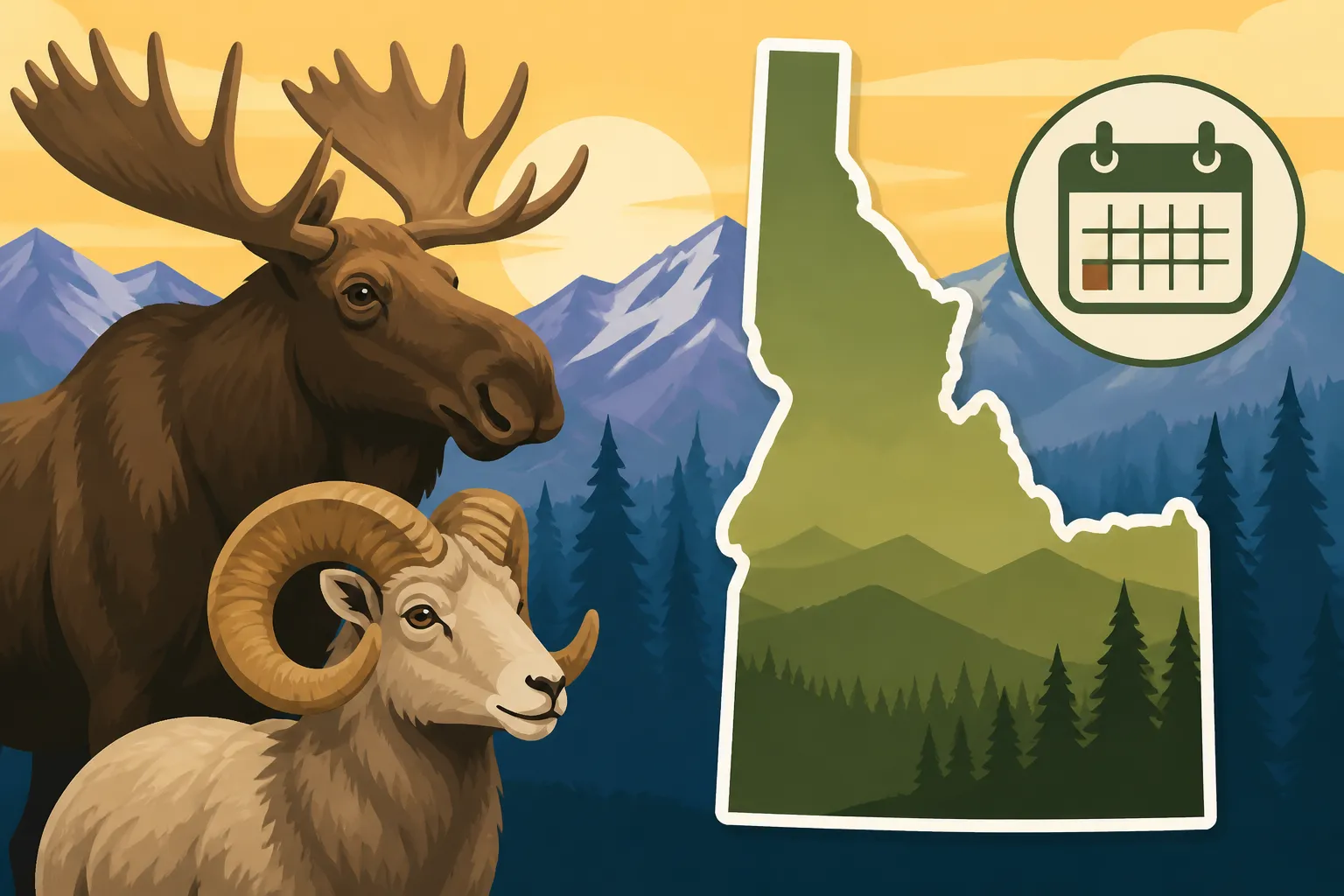
The Idaho Department of Fish and Game (IDFG) consistently opens applications for these premier species in April. While the exact day can shift slightly from year to year, you can pretty much set your clock by it. Typically, the application period begins in the first week of April and runs through the entire month, with a hard closing date usually around April 30th. It’s a firm deadline; no late applications are accepted. Imagine spending months researching units, drawing up your dream hunt, only to find the portal closed on May 1st. That's a gut punch no hunter wants to experience.
This early timeline is critical to remember. It's a testament to how special and limited these opportunities are. These are not your everyday deer or elk tags; they require a different level of commitment, not just in terms of the hunt itself, but in the application process. You can always confirm the precise opening and closing dates for the current year by checking the official IDFG website or their annual regulations booklet. Trust me, it's worth the double-check every single time.
Why These Species Demand Advanced Planning and Diligent Research
Applying for a moose, sheep, or goat tag isn't just about hitting a date on a calendar; it's about playing the long game. These are widely considered once-in-a-lifetime tags for a reason, primarily due to their extreme scarcity and the incredibly tough draw odds. We're talking about opportunities that some hunters pursue for decades without success. This reality makes thorough research and early planning absolutely non-negotiable.
First, you need to understand the units. Idaho's vast and varied landscape means that a moose hunt in the northern timber will be vastly different from a bighorn sheep hunt in the Owyhee Breaks. You need to identify the specific hunt areas you're interested in, understand their unique characteristics, and assess the past harvest statistics. Resources like the official The Idaho Hunt Planner Is the Tool to Start With are invaluable for this. It allows you to dig into harvest data, public land percentages, and even view the terrain, all before you even consider applying.
Beyond the physical location, you need to dive deep into the draw odds. Let’s be realistic: the odds for drawing one of these tags are often in the single-digit percentages, sometimes even less than one percent. This is where tools from companies like GoHunt truly shine. They aggregate and analyze IDFG data, presenting it in a user-friendly format that allows you to compare different units, understand historical success rates, and make the most informed decision possible. While Idaho has no preference points system, meaning every applicant, new or old, has equal odds each year, understanding the sheer volume of applicants per tag is still critical for setting realistic expectations. Don't go into this blind, thinking it's just a lottery; it's a strategic lottery. The more you know about Idaho Bighorn Sheep Draw Odds Explained or Idaho Moose Controlled Hunt Draw Odds, the better equipped you'll be.
Understanding Idaho's Controlled Hunt Calendar for Trophy Tags
Idaho's hunting regulations can be a labyrinth, but for moose, bighorn sheep, and mountain goat, the calendar is surprisingly consistent. Knowing these fixed points in time is your first step toward securing that dream tag. It’s not just about applying; it’s also about knowing when to expect results and what to do if you’re one of the lucky few.
The Hard Deadline: Applying Before April's End
As mentioned, the application period for moose, bighorn sheep, and mountain goat is firmly rooted in April. While general controlled hunts follow The Idaho Controlled Hunt Calendar, April Through August, these specific trophy species demand your attention much earlier. You’ll need to complete your application through the Idaho Fish and Game's online licensing system, GoOutdoorsIdaho.com.
The process typically involves:
- Purchasing a hunting license: This is non-negotiable. You cannot apply for a controlled hunt tag without first having a valid Idaho hunting license for the current year. For nonresidents, this means shelling out for the license well in advance of the April deadline, even if your odds of drawing are slim.
- Selecting your hunt choice: This is where your research comes into play. You'll pick your first, second, and possibly third choice of hunt areas (units) and species. Be meticulous here; a small error can cost you the chance.
- Paying the application fee and tag fee: There’s usually a non-refundable application fee per species, plus the cost of the tag itself. If you don't draw, the tag fee is refunded, but the application fee is not. This ensures only serious applicants commit to the draw.
A crucial point to remember is that the application system can sometimes be sluggish on the last day, especially as thousands of hunters try to beat the clock. Don't risk it! Aim to submit your application well before the last week of April. Picture this: you're ready to submit, the clock is ticking, and the website crashes. Avoid that heart-stopping scenario by getting it done early.
What Happens After You Apply: Drawing Results and Tag Purchase Deadlines
Once you’ve submitted your application and the April deadline has passed, the waiting game begins. This can be the hardest part for many, as the anticipation builds. Idaho Fish and Game typically conducts the draw and posts results for moose, bighorn sheep, and mountain goat in mid-May, usually around the 15th to the 20th.
You’ll receive an email notification if you've drawn a tag, or you can check your status directly on the GoOutdoorsIdaho portal. If you're fortunate enough to draw, congratulations! But don't celebrate too long without acting. There will be a deadline to purchase your drawn tag, usually in late May or early June. Missing this purchase deadline, even after drawing, means you forfeit the tag. It then goes back into the system for potential reallocation during later application periods, but your opportunity is gone.
If you don't draw, which is the reality for most applicants given the limited tags, it can be disheartening. However, it’s important to remember that Idaho Has No Preference Points, and What That Changes. This means that your unsuccessful application this year doesn't give you any advantage next year. While this can feel frustrating, it also means that every hunter, regardless of their application history, has an equal chance every single year. You simply try again next April!
Your Definitive Source: Official Regulations and Supplementary Tools
When it comes to something as important as hunting regulations and application dates, the official word is always the final word. The Idaho Department of Fish and Game's website and their annual hunting regulations booklet are your absolute, non-negotiable primary sources. These documents detail everything from season dates to weapon restrictions to application procedures. Make it a habit to review them thoroughly each year, as rules can occasionally change.
That being said, interpreting these dense documents can be a challenge. That's where excellent supplementary resources come in handy. Websites like GoHunt provide fantastic tools and analyses that can help you cut through the noise. They often synthesize draw odds, harvest statistics, and unit information in a much more digestible format, helping you quickly compare different hunt choices. They can also offer timely reminders about application deadlines, ensuring you don't miss that crucial April window. Think of them as your hunting assistant, helping you make sense of the vast amount of data so you can focus on the strategic decisions.
For specific season dates, you'll also want to look up Idaho Moose Season Dates by Weapon, Idaho Bighorn Sheep Season Window, and Idaho Mountain Goat Season Dates to ensure you're applying for a hunt period that aligns with your availability and preferred hunting style.
Strategic Approaches to Pursuing Idaho's Once-in-a-Lifetime Hunts
Successfully drawing a moose, bighorn sheep, or mountain goat tag in Idaho is a monumental achievement, and it often involves a blend of meticulous research, persistence, and a dash of good fortune. Since these truly are often "once-in-a-lifetime" opportunities, approaching them strategically can make all the difference, even in a state without preference points.
Deep Dive into Unit Selection and Subspecies Specifics
One of the biggest mistakes a hopeful hunter can make is applying for a trophy tag without thoroughly researching the specific hunt units. You're not just applying for "a moose tag" or "a sheep tag"; you're applying for a tag in a specific unit, with specific access challenges, and often specific regulations.
For bighorn sheep, for example, Idaho recognizes two distinct subspecies: Rocky Mountain bighorns and California bighorns. Understanding Idaho Counts Rocky Mountain and California Bighorns Separately is crucial because they occupy different habitats and have separate management goals. You’ll find Rocky Mountain bighorns in the rugged, high-elevation river breaks of central Idaho, while California bighorns are typically found in the dryer, more arid Owyhee Canyonlands. Applying for one when your heart is set on the other is a wasted opportunity. Researching harvest success rates, public land access, and the overall difficulty of the terrain in each unit should be a priority. Some units might consistently produce larger animals, while others might have slightly better draw odds due to their remoteness or physical challenge. Every detail matters when the odds are stacked against you.
The Long Game: Financial Considerations and Once-in-a-Lifetime Realities
Let's be upfront: hunting moose, bighorn sheep, or mountain goat in Idaho is a significant financial commitment, especially for nonresidents. Beyond the hunting license and application fees, the tag fees themselves are substantial. A nonresident moose tag, for instance, costs several thousand dollars. You're also looking at significant costs for gear, travel, and potentially an outfitter, especially if you're venturing into a wilderness area that requires a guide for nonresidents on certain species.
Furthermore, Idaho has a strict "once-in-a-lifetime" rule for these species. If you draw and harvest a moose, bighorn sheep, or mountain goat in Idaho, you cannot draw another tag for that same species again in Idaho. It's truly a one-and-done opportunity. This is why understanding Why Idaho's Once-in-a-Lifetime Rule Is Per Subspecies is important for bighorn sheep, as harvesting one subspecies does not preclude you from applying for the other later in life. This rule magnifies the importance of proper planning and making the most of the hunt if you're lucky enough to draw. It's not just a hunt; it's a legacy.
Balancing Trophy Dreams with Annual Hunting Opportunities
While the dream of an Idaho moose or bighorn sheep tag can consume a hunter's thoughts, it's essential to remember that Idaho offers many other fantastic hunting opportunities. Many hunters will apply for these trophy species year after year, knowing the odds are long, while still enjoying annual hunts for deer, elk, bear, or upland birds.
Don't put all your eggs in one basket. Applying for Idaho Moose Is a Controlled Hunt You Wait Years For is a worthy endeavor, but consider also participating in the general season elk or deer hunts. These still offer incredible backcountry experiences and a chance to fill your freezer, keeping your hunting skills sharp and your passion alive. You can apply for multiple species in a given year, as long as you adhere to the specific application periods and fee requirements for each. GoHunt can also help you analyze your overall hunting strategy, balancing those long-shot trophy draws with more accessible, yet still challenging and rewarding, annual hunts.
| Species | Application Period Start | Application Period End | Drawing Results Posted | Tag Purchase Deadline | Once-in-a-Lifetime Rule |
|---|---|---|---|---|---|
| Moose | Early April | April 30th (approx.) | Mid-May (approx.) | Late May/Early June | Yes (per species) |
| Bighorn Sheep | Early April | April 30th (approx.) | Mid-May (approx.) | Late May/Early June | Yes (per subspecies) |
| Mountain Goat | Early April | April 30th (approx.) | Mid-May (approx.) | Late May/Early June | Yes (per species) |
| General Deer/Elk Controlled Hunts | Mid-May | June 5th (approx.) | Early July (approx.) | Mid-August | No |
Note: All dates are approximate and should be verified with the current year's official Idaho Fish and Game regulations.
Disclaimer
Please remember that hunting regulations, seasons, and application dates can change. While this guide aims to provide accurate and up-to-date information, it is crucial to always consult the official Idaho Department of Fish and Game regulations for the current year before making any hunting plans or submitting applications.