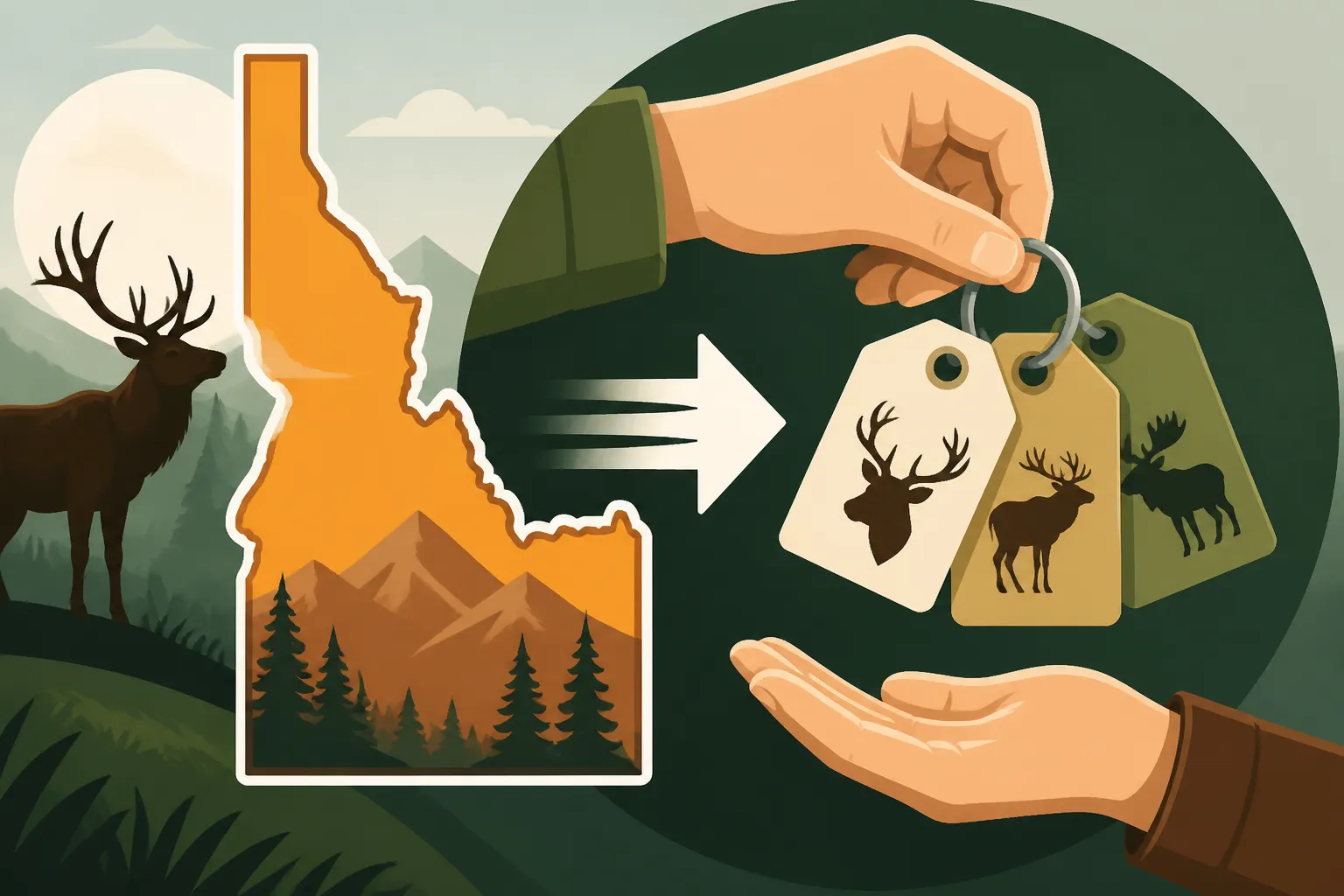
How Idaho Leftover Controlled Hunt Tags Are Sold
It’s a feeling many of us know all too well: you pour over the Idaho regulations, meticulously plan your controlled hunt application, dream of that specific unit, and then the draw results hit… and you didn't get a tag. The disappointment can be crushing, making you feel like your season is over before it even began. But here’s the thing, missing out in the initial draw doesn't always mean you're out of options. Idaho has a unique system for selling leftover controlled hunt tags, offering a glimmer of hope for persistent hunters. This guide will walk you through exactly how these tags are sold, giving you the best chance to snag one and salvage your hunting season.
Understanding Idaho's Controlled Hunt System and Why Leftovers Exist
Before we dive into how to get a leftover tag, it's really helpful to understand why they even exist in the first place. Idaho doesn't use a preference point system, which means that every applicant, whether it's your first time applying or your twentieth, has essentially the same odds in the initial draw. This system, while fair in one sense, can sometimes lead to tags going unclaimed or undersubscribed. Unlike states where you might build up points for years, Idaho Has No Preference Points, and What That Changes, creating a more immediate, albeit sometimes less predictable, playing field for everyone.
The Idaho Department of Fish and Game (IDFG) allocates a certain number of tags for specific species, weapons, and units during what they call "controlled hunts." These are highly sought-after hunts designed to manage game populations in particular areas. The process starts with a main application period, usually in the spring, where hunters apply for their desired tags. If you're looking to plan ahead, The Idaho Controlled Hunt Calendar, April Through August outlines all the critical dates. After the initial draw, some tags inevitably go unclaimed because applicants either didn't purchase them by the deadline or didn't participate in the second drawing. These are the precious "leftover" tags that become available.
The Journey of a Controlled Hunt Tag: From Application to Leftover
It’s easy to feel like the draw is a black box, but understanding the steps helps demystify the process and highlight where those leftover opportunities pop up. Knowing the timeline is half the battle when trying to scoop up one of these coveted tags.
Initial Application Period and Drawing Results
Every year, hopeful hunters mark their calendars for the controlled hunt application period. For big game like deer, elk, moose, and bighorn sheep, this window typically opens in April, with a deadline in June. During this time, you submit your application for specific hunts, choosing your preferred units and weapons. It's a nail-biting wait until the results are posted, usually in early July. When Idaho Posts Controlled Hunt Results, you log in to your GoOutdoorsIdaho account to see if you were successful.
If you drew a tag, congratulations! You then have a specific deadline, usually in August, to purchase and claim your tag. This is a critical step, because if you miss this deadline, that tag goes back into the pool, which is where the leftover opportunities begin to emerge. It’s a harsh reality, but sometimes life gets in the way, or people simply forget, and that's when a new chance opens up for others.
Unclaimed Tags and the Second Drawing
Here's where things get interesting for those of us who weren't successful in the initial draw. If tags go unclaimed from the first drawing, Idaho doesn't just immediately sell them. Instead, they move to a "second drawing." This is another application period, usually in early August, specifically for any remaining tags from the first draw. If you missed out on the first round, applying in this second period can be a smart move, as the competition might be slightly less fierce. When Idaho's Second Drawing Application Opens, it's another chance to get into a controlled hunt.
However, even after the second drawing, there can still be tags that aren't claimed or purchased. These are the true "leftover" tags that become available on a first-come, first-served basis. This phase is less about luck in a draw and more about being prepared and quick on the trigger when they go on sale. It’s like a digital land rush, and you need to be ready.
How Idaho Leftover Controlled Hunt Tags Are Sold
This is the moment many unsuccessful applicants wait for: the sale of leftover controlled hunt tags. This isn't a draw, it's a race, and being prepared is your only edge.
The First-Come, First-Served Basis
Once the second drawing results are out and any drawn tags have been claimed, Idaho Fish and Game will announce a specific date and time when all remaining controlled hunt tags will go on sale. This sale is strictly first-come, first-served. It means that the fastest person to click "buy" gets the tag. There’s no waiting period, no further applications, just pure speed. Think of it like buying concert tickets for a hugely popular band – you need to be online, logged in, and ready to go the second they drop.
This system creates a unique kind of pressure. You might have your eye on a specific elk tag in a desirable unit, knowing that hundreds, if not thousands, of other hunters are also trying for the exact same thing. It means meticulous planning, reliable internet, and a fast finger are your best friends. The IDFG website is the primary portal for these sales, so familiarize yourself with its interface beforehand.
Online System and Key Dates
The overwhelming majority of Idaho's leftover tags are sold exclusively online through the GoOutdoorsIdaho licensing system. You'll need an active IDFG hunting license to purchase a tag, so make sure that's squared away well in advance. Remember, if you’re a nonresident, you will have needed to buy a hunting license already to even apply for the draw, and it's important to know that the Why the $185 Idaho License Is Non-Refundable even if you don't draw a tag.
The critical piece of information you need is the exact date and time the tags go on sale. This information is usually announced on the IDFG website and through their various communication channels. Historically, this sale often takes place in late August, sometimes even bleeding into early September, after all the controlled hunt drawings and claiming periods have concluded. For example, if you're targeting an elk tag, understanding the nuances of Idaho Elk Zones and the A Tag or B Tag Choice can help you narrow down which leftover tags might be most desirable or available.
You'll want to be logged into your GoOutdoorsIdaho account minutes before the sale goes live. Have your payment information saved or readily available to expedite the checkout process. Every second counts when tags are flying off the digital shelves.
What to Expect: Species and Units with Leftovers
It's natural to hope for a prime elk tag in a trophy unit, but the reality of leftover tags is a bit more nuanced. Generally, the most desirable tags for trophy animals in popular units are almost always claimed in the initial or second draws. However, that doesn't mean leftover tags are without value.
You’re most likely to find leftover tags for:
- Deer: Often, some general deer tags or controlled tags in less popular units might remain.
- Bear: Idaho has robust bear populations, and sometimes general or controlled bear tags become available.
- Cougar (Mountain Lion): Depending on quota closures, lion tags can sometimes be found.
- Cow Elk: While any-bull tags are snapped up quickly, cow elk controlled hunt tags, especially in specific depredation areas or units needing population control, are more frequently available as leftovers. This can be an incredible opportunity for meat hunters.
- Less Popular Units/Seasons: Tags for units that are harder to access, have lower success rates, or offer seasons that conflict with other popular hunts are also more prone to being leftover.
It's rare, but not impossible, to find a bull elk tag. If you do, it will likely be in a challenging unit or for a less-sought-after weapon type or season. For instance, a What an Idaho B Tag Allows for a specific zone might have a better chance of remaining than a general A tag in a different area.
Strategies for Securing a Leftover Tag
Since these tags are sold on a first-come, first-served basis, having a solid strategy in place is absolutely crucial. You can't just casually browse; you need to be tactical.
Preparation is Key
The old adage "the early bird gets the worm" definitely applies here. Weeks before the projected sale date, you should be doing your homework.
- Monitor IDFG Announcements: Keep a close eye on the Idaho Fish and Game website and social media channels. They will announce the specific date and time for the leftover tag sale. Mark it on your calendar, set alarms, and tell your hunting partners.
- Research Potential Units: This is where tools like The Idaho Hunt Planner Is the Tool to Start With really shine. Before the sale, look at units that often have lower draw odds or where tags might go unclaimed. You can also review Reading an Idaho Harvest Statistics Report from previous years to gauge success rates in various units. While you won't know exactly which tags will be available until they go live, having a few backup units in mind will save you precious time. You can also use E-Scouting an Idaho Unit Before the Season to get a feel for the terrain and access.
- Create Your GoOutdoorsIdaho Account: If you haven't already, create and verify your account on GoOutdoorsIdaho. Make sure your hunter education is up to date (if applicable) and your general hunting license is purchased. You don't want any technical glitches holding you back.
- Save Payment Information: Most online systems allow you to save your credit card information. Do this! Every second spent typing in numbers is a second someone else might be clicking "buy."
- Practice Speed: Seriously. Navigate to the "Purchase Tags" section of the GoOutdoorsIdaho website a few times beforehand. Understand the click-path. The goal is to get to the tag selection and checkout as quickly as humanly possible.
Leveraging Tools and Information
In today's digital age, there are resources that can give you an edge. Many hunters use third-party platforms to help navigate the draw process and alert them to opportunities.
- GoHunt: This is a powerful tool for serious Western hunters. GoHunt, and similar platforms, often provide real-time updates and notifications about leftover tags. They track draw odds, provide unit data, and can sometimes even send out alerts the moment tags become available. While you still need to complete the purchase on GoOutdoorsIdaho, GoHunt can be invaluable for quickly identifying what's available and getting immediate notifications. Their data can help you quickly assess if a leftover tag in, say, a particular elk zone is worth pursuing based on past success rates or public land access.
- IDFG Email Lists and Social Media: Sign up for all official communications from Idaho Fish and Game. They're the primary source of information, and you don't want to miss a critical announcement.
- Hunting Forums and Communities: Keep an eye on online hunting forums. Sometimes, other hunters will share information or tips about the upcoming sale, though always verify information with official IDFG sources.
On Sale Day: The Sprint
When the sale day arrives, treat it like a serious event.
- Be Early: Log in to GoOutdoorsIdaho at least 15-30 minutes before the official sale time. This ensures you're already authenticated and on the right page.
- Multiple Devices (Optional, but useful): If you have a trusted hunting partner with their own account, you might consider coordinating efforts. Two people on two different computers, both logged in, can double your chances of success. However, make sure you're both clear on which tags you're targeting to avoid accidental duplicate purchases or missed opportunities.
- Refresh Strategically: Most systems don't automatically update. You'll likely need to refresh your browser exactly when the sale goes live. Be ready for the page to potentially crash or be slow due to high traffic – this is common. Persistence is key.
- Act Fast, Don't Hesitate: When you see a tag you want, click "add to cart" and proceed to checkout immediately. Do not pause to research the unit or second-guess your decision. That research should have been done before sale day. If you hesitate, it will be gone.
Remember, even with perfect execution, there's no guarantee. It's still a highly competitive environment. But by understanding the system, preparing thoroughly, and acting decisively, you significantly increase your odds of snagging one of those precious Idaho leftover controlled hunt tags. Sometimes, these unexpected opportunities turn into the most memorable hunts of all.
| Step | Action | Timing | Tools/Resources |
|---|---|---|---|
| 1. Preliminary Research | Identify preferred species, units, and weapon types that might have leftover tags. | Weeks before sale (June-July) | Idaho Hunt Planner, IDFG Regulations, GoHunt |
| 2. Account Preparation | Create/verify GoOutdoorsIdaho account, ensure hunting license is purchased, save payment info. | At least 1-2 weeks before sale | GoOutdoorsIdaho website |
| 3. Monitor Announcements | Watch IDFG website, social media, and email for the official leftover tag sale date and time. | Continuously from mid-August | IDFG Website, Social Media, Email Alerts, GoHunt |
| 4. Pre-Sale Login | Log into GoOutdoorsIdaho account and navigate to the "Purchase Tags" section. | 15-30 minutes before sale time | GoOutdoorsIdaho website |
| 5. The Sprint | Exactly at sale time, refresh the page, quickly select desired tag(s), and complete checkout. | The moment sale goes live (e.g., late August) | Fast internet, reliable computer, saved payment |
| 6. Confirmation | Verify purchase confirmation and print/download tag if available. | Immediately after purchase | GoOutdoorsIdaho account |
Disclaimer
Please note that hunting regulations, seasons, and application periods can change. While every effort has been made to provide accurate and up-to-date information, it is the hunter's responsibility to consult the official Idaho Department of Fish and Game regulations and website for the most current and precise details before applying or hunting. This guide is for informational purposes only and should not be considered legal advice.