When Idaho Nonresident Applications Open in December
Trying to navigate the complex world of nonresident hunting applications in Idaho can feel like you're constantly playing catch-up, especially when crucial dates sneak up on you. Many hopeful hunters miss out on limited opportunities simply because they weren't aware of the specific windows for applying. This comprehensive guide is here to demystify the Idaho nonresident application timeline, focusing specifically on that all-important December period, so you can plan your next big adventure with confidence.
The Critical December Application Window for Idaho Nonresidents
For nonresidents eyeing an Idaho big game tag, December isn't just about holiday cheer; it's the absolutely crucial kickoff for securing your hunting dreams. Missing this initial application period can mean missing out on some of the best opportunities the Gem State has to offer. It's not uncommon for folks to assume all applications are lumped into a spring deadline, only to realize too late that the primary nonresident deer and elk draw has already passed. This misstep can be heartbreaking, especially if you've been dreaming of chasing elk or mule deer through Idaho's wild landscapes.
Why December is Nonresident Prime Time
December marks the opening of the nonresident application period for general season deer and elk tags, which are essentially your golden tickets for a lot of Idaho's incredible hunting. While the state has made some significant changes, such as Idaho Moved Nonresident Deer and Elk Tags Into a Draw for 2026, the fundamental timing of when you need to apply remains steadfast. This early window is designed to give the Idaho Department of Fish and Game (IDFG) time to process the massive influx of nonresident applications and conduct the drawing before resident applications open up later in the year. If you're a nonresident, this is your primary opportunity to get your hat in the ring for the most sought-after big game tags. It’s also important to note that without preference points, everyone starts on an even playing field, making this initial application critical.
Exact Dates and How to Mark Your Calendar
While the Idaho Fish and Game website is always the most authoritative source for the exact dates each year, typically, the nonresident application period for general deer and elk tags opens in early to mid-December. For example, in past years, it has opened around December 1st or December 10th. This window usually extends for about two months, often closing in late January or early February of the following year. However, don't let that two-month window lull you into procrastination! Applying early ensures you don't forget or run into last-minute technical glitches. Think of it like this: once December hits, it's time to pull out your calendar, hop online, and get that application submitted. Always double-check the current year's regulations on the IDFG website or through their official publications to confirm the precise dates, as they can shift slightly.
The Initial Rush and What to Expect
When the application period first opens in December, there can be a bit of a rush on the system, especially if it's right at the start of the business day. While the GoOutdoorsIdaho portal is robust, it’s always a good idea to have all your information ready before you log in. This includes your IDFG customer number, your chosen hunt codes, and payment information. Don't be surprised if the website feels a little slow for the first few hours on opening day. Patience is key. Remember, you're not in a race against other applicants in terms of drawing odds since Idaho doesn't use a preference point system; it's a true lottery. However, you are in a race against yourself to simply get the application submitted before the deadline closes. It’s better to apply leisurely and accurately a week or two into the window rather than frantically at the last minute.
Navigating the Idaho Nonresident Application Process
The application process for Idaho nonresidents, especially for those initial deer and elk tags, involves a few critical steps and fees that can be a source of confusion. It’s not just about picking a unit and hitting submit; there are prerequisites and financial commitments that need to be understood upfront. Many hunters get frustrated when they realize the total cost or the implications of certain fees, so let's break it down clearly.
Step-by-Step Through the GoOutdoorsIdaho Portal
Your journey begins at the GoOutdoorsIdaho licensing portal, which is the official online system for all Idaho Fish and Game transactions. First, you’ll need to create an account or log in if you already have one. Make sure all your personal information is up to date. Once logged in, you'll navigate to the hunting application section. Here’s where the real planning comes into play. You’ll be asked to select the species you want to hunt (deer or elk), and then enter your preferred hunt codes. This is where researching potential units and seasons becomes paramount. Tools like GoHunt can be incredibly helpful here, offering detailed insights into drawing odds, unit breakdowns, and harvest statistics that aren't always immediately obvious on the IDFG site. They can help you visualize the potential success rates and guide your choices for different units. Remember, you'll need to purchase a nonresident hunting license before you can even apply for a tag, so that's often the first step in the portal.
Understanding the Non-Refundable License Fee
This is a point of frequent frustration for many nonresident hunters, and it’s important to address it head-on: Why Idaho Charges the License Before the Draw. Before you can even apply for a deer or elk tag in Idaho, nonresidents are required to purchase a general hunting license. Currently, The Idaho Nonresident Hunting License Price is a significant expense, and here's the kicker: this license fee is generally non-refundable, even if you are unsuccessful in drawing a controlled hunt tag or a general season tag. This means you’re essentially paying a substantial upfront fee for the privilege to apply, with no guarantee of drawing a tag.
For example, if you apply for a nonresident elk tag, you're looking at a base cost around $836.75, which includes the license fee and the actual elk tag fee. If you apply for deer, the cost is closer to $378.75. This upfront investment is a calculated risk, but it's a necessary one to even be considered in the draw. So, make sure you're committed to the possibility of only having an Idaho hunting license in your pocket if your draw isn't successful. Many hunters factor this into their budget and consider it a cost of doing business when applying out West.
Species Covered in the December Draw
The primary focus of the December nonresident application period is typically for general season deer and elk tags. These are the workhorse tags that get most nonresidents into the field. This means you'll be applying for either an elk tag, a deer tag, or potentially both if your budget and strategy allow. It’s crucial to understand that these general tags might be specific to certain elk zones (like A or B tags) or deer units, so selecting your hunt code carefully based on the current regulations is vital.
However, it's also worth noting that some other limited opportunities might open concurrently or shortly after, though the major "trophy" species like moose, bighorn sheep, and mountain goat often have their own separate draw period later in the spring (usually April). For instance, if you're targeting What a Nonresident Idaho Deer Tag Costs or What a Nonresident Idaho Elk Tag Costs for general season hunting, December is your absolute must-do month. Always check the official IDFG regulations for specific species and their corresponding application periods, but for most nonresidents seeking deer or elk, December is the gateway.
Strategies for a Successful Idaho Application
Given Idaho's unique draw system and the competition for nonresident tags, simply applying isn't always enough. A thoughtful strategy, backed by solid research and a realistic understanding of the odds, can significantly improve your chances of turning that application into a tag. It's about working smarter, not just harder, when it comes to navigating those complex regulations and unit choices.
Researching Units and Hunt Choices with Tools like GoHunt
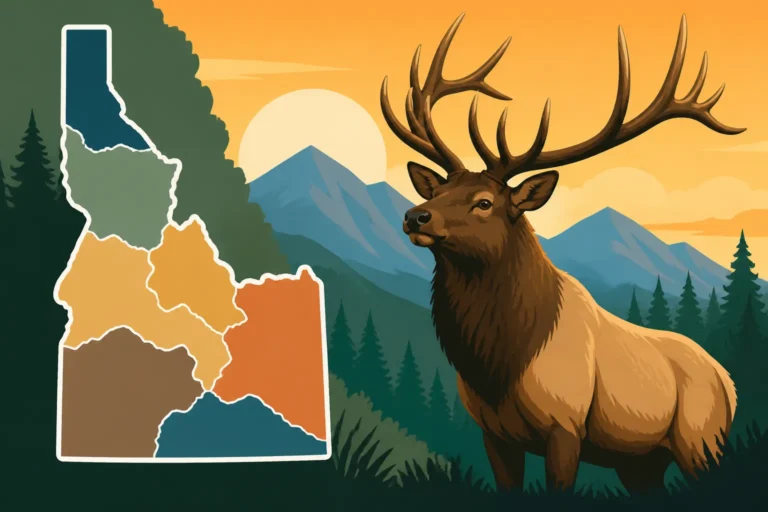
Before you even think about entering a hunt code, you need to do your homework. Idaho has 99 Game Management Units (GMUs) overlaid by various elk zones and controlled hunt areas, and figuring out which one offers the best opportunity for your goals can be daunting. This is where detailed research tools become invaluable. While the IDFG website provides basic information, platforms like GoHunt offer premium data and filtering tools that allow you to dive deep into harvest statistics, drawing odds, public land percentages, and season dates for specific units. You can filter by weapon type, season length, and success rates, helping you identify units that align with your hunting style and target species.
For example, you might use GoHunt to compare the drawing odds and elk harvest success rates between the Lolo Zone and the Weiser River Zone, or to look at how many Idaho Elk Zones and the A Tag or B Tag Choice are available in a particular area. Understanding these nuances before applying can mean the difference between drawing a tag in a unit with decent opportunity versus one where success rates are historically low for nonresidents. Don't just pick a unit because it sounds cool; pick it because the data suggests a reasonable chance of drawing and a good hunting experience. This due diligence takes time but is an essential step in your application strategy.
Crafting Your Application Strategy Without Preference Points
Unlike many other Western states, Idaho operates on a true lottery system. As mentioned earlier, Idaho Has No Preference Points, and What That Changes. This means every applicant for a general season tag, regardless of how many years they've applied unsuccessfully, has the exact same statistical chance of drawing a tag as a first-time applicant. While this can be frustrating for those who've put in for years, it also means that new applicants aren't at a disadvantage. Your strategy then shifts from building points to maximizing your odds in the current year.
This often involves:
- Applying for Less Popular Units: While everyone dreams of drawing a premium tag, sometimes applying for a unit with slightly lower success rates but significantly better drawing odds is a smarter play if your priority is simply to hunt Idaho.
- Considering Multiple Species: If your budget allows, applying for both deer and elk gives you two chances in the draw.
- Being Flexible: If you don't draw your top choice, be prepared to consider opportunities in the second draw or leftover tag sales.
- Using Draw Odds: Utilize resources like Checking Idaho Drawing Odds Before You Apply to make informed decisions. Look for units where nonresident odds are higher than average, even if the general success rates aren't sky-high. Getting a tag in hand is often the first and most challenging hurdle.
Preparing for the Financial Commitment
Hunting in Idaho as a nonresident isn't cheap, and a big part of your application strategy needs to be financial preparation. Beyond the non-refundable hunting license and the tag fees, there are other costs to consider that can quickly add up. Understanding these upfront can prevent unwelcome surprises down the road.
Here’s a simplified breakdown of the core costs for planning purposes:
| Item | Nonresident Estimated Cost (2024-2025 typical) | Notes |
|---|---|---|
| General Hunting License | ~$185.00 | Non-refundable. Required before applying for any big game tags. |
| Deer Tag | ~$351.75 | Additional to license fee. |
| Elk Tag | ~$651.75 | Additional to license fee. |
| Application Fee | ~$1.95 per controlled hunt application | A small fee per controlled hunt application, separate from general tags. |
| Total Deer Hunt | ~$536.75 (License + Deer Tag) | Assuming one deer tag and a general hunting license. |
| Total Elk Hunt | ~$836.75 (License + Elk Tag) | Assuming one elk tag and a general hunting license. |
| Total Deer & Elk | ~$1188.50 (License + Deer Tag + Elk Tag) | If applying for both. |
Note: These are estimated costs and can change annually. Always refer to the official Idaho Fish and Game fee schedule for the most current pricing.
Beyond these direct application costs, you need to budget for travel, accommodation, gear, food, and potentially meat processing or taxidermy. Many hopeful hunters secure their license and tags, only to realize the full scope of costs later. Having a realistic budget laid out before December's application window opens can save you a lot of stress and ensure you can actually afford the hunt if you draw successfully.
What Happens After You Apply in December
Once you've navigated the December application period and submitted your choices, the waiting game begins. However, the process doesn't end there. There are critical follow-up dates and additional opportunities that every nonresident hunter needs to be aware of. Missing these subsequent deadlines can be just as detrimental as missing the initial application, so staying informed is key.
The January Deadline to Purchase Drawn Tags
The draw results for those December nonresident applications are typically announced in late January. This is often an exciting, nerve-wracking time. If you're one of the lucky ones to draw a tag, congratulations! But don't celebrate too long without acting. There's a very specific and strict deadline, usually in late January, by which you must purchase your drawn tag. This means paying the remaining tag fee if you haven't already paid it in full during the application process.
Failing to purchase your drawn tag by this deadline will result in forfeiting it, and that tag will then go back into the pool for subsequent sales or draws. Imagine the frustration of successfully drawing a coveted Idaho elk tag only to lose it because you forgot to complete the purchase! So, once the draw results are out and you see your name on the successful list, immediately make arrangements to secure that tag. The IDFG portal, GoOutdoorsIdaho, will be your primary method for this purchase, just as it was for the application. You can find more specific information about this process in resources like The January Deadline to Buy a Drawn Idaho Tag.
The February Second Application Period and Leftover Tags
If you weren't successful in the initial December draw, or if you're looking for additional opportunities, Idaho often offers a "second application period" or sells "leftover tags" in February. This period, sometimes referred to as Idaho's February Second Application Period, typically opens around mid-February and offers a chance at any tags that went unpurchased from the initial draw. These can include general season deer and elk tags that were drawn but forfeited, or controlled hunt tags that didn't fill in their primary drawing.
These leftover tags are usually sold on a first-come, first-served basis, and they can go fast. This is another instance where staying incredibly vigilant and utilizing tools like GoHunt for real-time updates can be invaluable. Subscribing to IDFG newsletters or alerts is also a smart move. While the selection might be more limited, securing a leftover tag is a fantastic way to salvage your hunting season if the initial draw didn't go your way. It often requires quick action and flexibility in your unit choice, but it keeps your Idaho hunting dreams alive. You can learn more about these opportunities, especially for controlled hunts, through pages like Leftover Idaho Tags Sold First-Come After the Second Draw.
Looking Ahead to Controlled Hunt Opportunities
Beyond the general season tags applied for in December, Idaho also offers a wide array of controlled hunts for various species, including specific deer, elk, bear, moose, sheep, and goat hunts. While the primary application period for these trophy species and many controlled hunts often opens later, typically in April, your participation in the December general draw is a foundational step. If you draw a general tag, it may influence your eligibility or strategy for later controlled hunts, so understanding how they interact is important.
Always consult the Idaho Big Game Regulations for the current year. They will detail the specific application periods, rules, and restrictions for all hunts. Sometimes, if you apply for a general tag in December and draw it, you may still be able to apply for certain controlled hunts that don't conflict, offering even more opportunities. The key is to plan your entire hunting year in advance, keeping track of all the different application windows and draw dates. Websites and services like GoHunt often provide a comprehensive calendar that integrates all of Idaho's complex application periods, helping you navigate everything from the December general draw to the Idaho's May Through June Controlled Hunt Window and subsequent results. This foresight will prevent you from missing out on any potential opportunities, ensuring you're always one step ahead in the pursuit of your Idaho hunting adventure.
Disclaimer
The information provided in this guide is for general informational purposes only and is based on typical Idaho Fish and Game regulations and processes. Hunting regulations, fees, and application dates are subject to change annually. Always consult the most current official Idaho Fish and Game regulations, brochures, and website for the definitive and most up-to-date information before planning any hunting trip or submitting applications.