The January Deadline to Buy a Drawn Idaho Tag
Ah, the post-draw anxiety! You spend all that time researching, picking your units, and waiting with bated breath for the draw results, only to then face another crucial hurdle: actually purchasing the tag you worked so hard to get. It’s a common frustration, feeling like you’ve won the lottery but could still fumble the ball. This guide is here to walk you through the absolute must-know January deadline for buying your drawn Idaho hunting tag, especially for nonresidents, ensuring all your hard work pays off.
Navigating the Idaho Nonresident Draw Process
Before we dive into the January deadline itself, it’s really helpful to understand the whole journey of a nonresident applying for an Idaho hunting tag. It's not just a simple over-the-counter purchase for many of the most sought-after opportunities, and the process has a few unique quirks that catch a lot of hunters off guard.
The Initial Application Window
For nonresidents looking to hunt Idaho's general season deer or elk tags, or any of the coveted controlled hunt tags, the process actually kicks off much earlier than you might think. The main application period for nonresident general deer and elk tags, as well as all species' controlled hunts, typically opens in December. This is when you're making those critical decisions about where you want to hunt, which species you're targeting, and which weapon type you prefer. It's a period filled with anticipation, as hunters pore over harvest statistics, public land maps, and unit descriptions, hoping to hit on the perfect combination. If you're looking for specifics on this initial phase, our guide on "The December Application Window for Idaho Nonresidents" can give you a deep dive into how that works. Missing this initial window means you're already out of the running for the primary draw, so marking it on your calendar is step one of many.
When Drawing Results Are Announced
Once you've submitted your application, the waiting game begins. Idaho Fish and Game generally runs its nonresident deer and elk draws in early January. For controlled hunts across all species – including highly prized moose, bighorn sheep, and mountain goat tags, as well as specific deer and elk units – the results usually come out later in May or June, but the January deadline is still pertinent for those early nonresident general tags. When Idaho's nonresident drawing is run, it’s a moment of truth, and the feeling of logging into your GoOutdoorsIdaho account to see "Successful" is truly unmatched. However, the excitement of drawing a tag needs to immediately shift into action, because drawing isn't the final step. It simply means you've been awarded the opportunity to purchase the tag. Many hunters get so caught up in the draw results that they overlook the crucial next step, which is where the January deadline comes into play for general tags.
The Critical Role of the Idaho Hunting License
Here's a common point of confusion that often trips up nonresident hunters: you must purchase your Idaho hunting license before you can even apply for most big game tags, including controlled hunts. This isn't like some other states where you can apply and only buy the license if you draw. Idaho requires you to have that base license in hand from the get-go. This means you're fronting a significant cost just for the chance to draw, which can feel a bit counterintuitive. Our article on "Why You Buy an Idaho License Before Drawing" explains the reasoning behind this setup and helps clarify this initial financial commitment. For example, the nonresident hunting license price alone is a substantial upfront investment, often hundreds of dollars, separate from the actual tag fee. This pre-purchase requirement means that by the time you're notified of a successful draw, you've already made part of the financial commitment, but the most significant portion – the tag itself – still awaits payment.
The January Deadline: Securing Your Idaho Tag
Now, let's get to the heart of the matter: that crucial January deadline. This is the last chance for successful nonresident applicants to convert their draw success into a physical tag. Overlooking this date can be heartbreaking, leading to the forfeiture of a hard-won opportunity.
Understanding the Specific Date
The specific deadline to purchase a drawn nonresident general season deer or elk tag in Idaho typically falls at the end of January, usually around January 31st. This date is rigid and unforgiving. Unlike application deadlines, which might have a little wiggle room depending on the year, the purchase deadline is a hard stop. It’s not just a suggestion; it’s an absolute requirement. Imagine putting in for one of the highly coveted deer units in Idaho's Panhandle, spending weeks agonizing over your choice, then getting that "successful" notification, only to let the excitement overshadow this final, critical step. The Idaho Fish and Game Department makes these dates very clear in their regulations and on their website, but in the flurry of daily life, it's easy for an email or a notification to get buried. This deadline ensures that the IDFG can quickly account for unpurchased tags and make them available to other hunters in subsequent sale periods.
Step-by-Step: Purchasing Your Drawn Tag
So, you’ve received that glorious notification that you drew an Idaho tag. Congratulations! Now, what do you do? The process for buying a tag through GoOutdoorsIdaho is relatively straightforward, but it requires prompt action.
- Log into Your Account: Head directly to the GoOutdoorsIdaho licensing system. This is your personal portal where all your hunting and fishing license information resides. If you haven't logged in since applying, make sure you have your credentials handy.
- Navigate to Your Applications/Tags: Once logged in, look for a section related to "My Account," "Licenses," or "Applications." You should see a clear notification or status update indicating your successful draw.
- Add Tag to Cart: The system will guide you to add the drawn tag to your shopping cart. This is usually a simple click. Double-check that it's the correct tag for the species and weapon type you intended.
- Complete Payment: Proceed to checkout. Here, you'll enter your payment information. Be ready for the full cost of the tag, which for a nonresident elk tag can easily run into several hundred dollars on top of your base license. Ensure your credit card information is current and that you have sufficient funds available. A declined payment on the deadline day can be catastrophic if you don't have a backup. For a detailed breakdown of costs, you might find our article on the "Total Cost of a Nonresident Idaho Elk Hunt" helpful for planning your finances.
- Confirm Purchase: After the transaction is complete, you should receive a confirmation email with a receipt and, eventually, details on how your physical tag will be delivered or printed. Don't close the browser until you see a confirmation screen.
Confirmation and What to Expect Next
Once your payment goes through, the system will update your account status, showing the tag as "Purchased." You'll typically receive an email confirmation containing your transaction details. It’s always a good practice to print this receipt and keep it with your hunting documents. Depending on the state's system, your physical tag might be mailed to you, or you might be instructed on how to print a temporary tag that needs to be validated. Always check the specific instructions from Idaho Fish and Game regarding tag delivery. This confirmation is your official proof, and it's essential to ensure every step is completed to avoid any issues when you head into the field. Sometimes, there can be a slight delay in receiving the physical tag, so don't panic if it doesn't show up immediately after your online purchase. As long as you have your confirmation, you're usually good to go.
Consequences of Missing the January Cutoff
This might sound harsh, but it's the cold, hard truth: missing the January deadline has significant, irreversible consequences for a drawn Idaho tag. There are no extensions, no second chances for that specific tag, and no refunds for the application fee you paid.
Forfeiting Your Drawn Opportunity
If you fail to purchase your drawn tag by the January deadline, that opportunity is gone. Poof. Your successful draw effectively becomes null and void. Idaho Fish and Game operates on strict timelines, and they cannot hold tags indefinitely. This can be an incredibly frustrating experience, especially for nonresidents who invest significant time and money into the application process. You might have already booked lodging, requested time off work, or even planned your travel around this hunt, only to have the tag slip through your fingers due to a missed payment. The feeling of missing out on a dream hunt because of an oversight is a tough pill to swallow, and it's a mistake you only make once. It underscores why setting multiple reminders and staying vigilant about deadlines is paramount for nonresident hunters.
The Impact on Idaho's Unpurchased Tags
Idaho Fish and Game doesn't just let those unpurchased tags disappear into the ether. Instead, they reallocate them. After the January deadline passes, all unpurchased nonresident general deer and elk tags are thrown back into the pool. These tags, along with any controlled hunt tags that weren't claimed after their respective draw periods, become available during subsequent sales. This system ensures that every available tag is eventually offered to a hunter, maximizing opportunity across the board. Our guide on "What Happens to Unpurchased Idaho Tags" dives deeper into this redistribution process, explaining how these tags provide a second chance for some, while representing a lost chance for others. It creates a dynamic where diligence in the initial draw pays off, but those who are quick on the trigger for later sales can sometimes pick up a gem.
No Recourse for Missed Deadlines
Idaho Fish and Game is very clear: there is generally no recourse or exception for missing the tag purchase deadline. "I forgot," "my credit card expired," or "I didn't see the email" simply won't cut it. Their system is automated, and once the clock ticks past the deadline, the drawn tag is released. This can be a harsh lesson, especially for those new to the Idaho draw system or nonresident hunters juggling multiple state applications. It’s important to understand that the IDFG manages an immense number of applications and tags, and maintaining strict deadlines is crucial for fairness and efficiency. Therefore, assuming there might be a grace period or a sympathetic ear is a gamble you cannot afford to take when a coveted tag is on the line.
Proactive Steps to Avoid Missing Your Chance
The good news is that missing this deadline is entirely preventable with a bit of planning and organization. As a nonresident, you're already at a disadvantage with draw odds and travel logistics, so let's make sure you don't add "missed purchase deadline" to your list of challenges.
Strategic Calendar Management
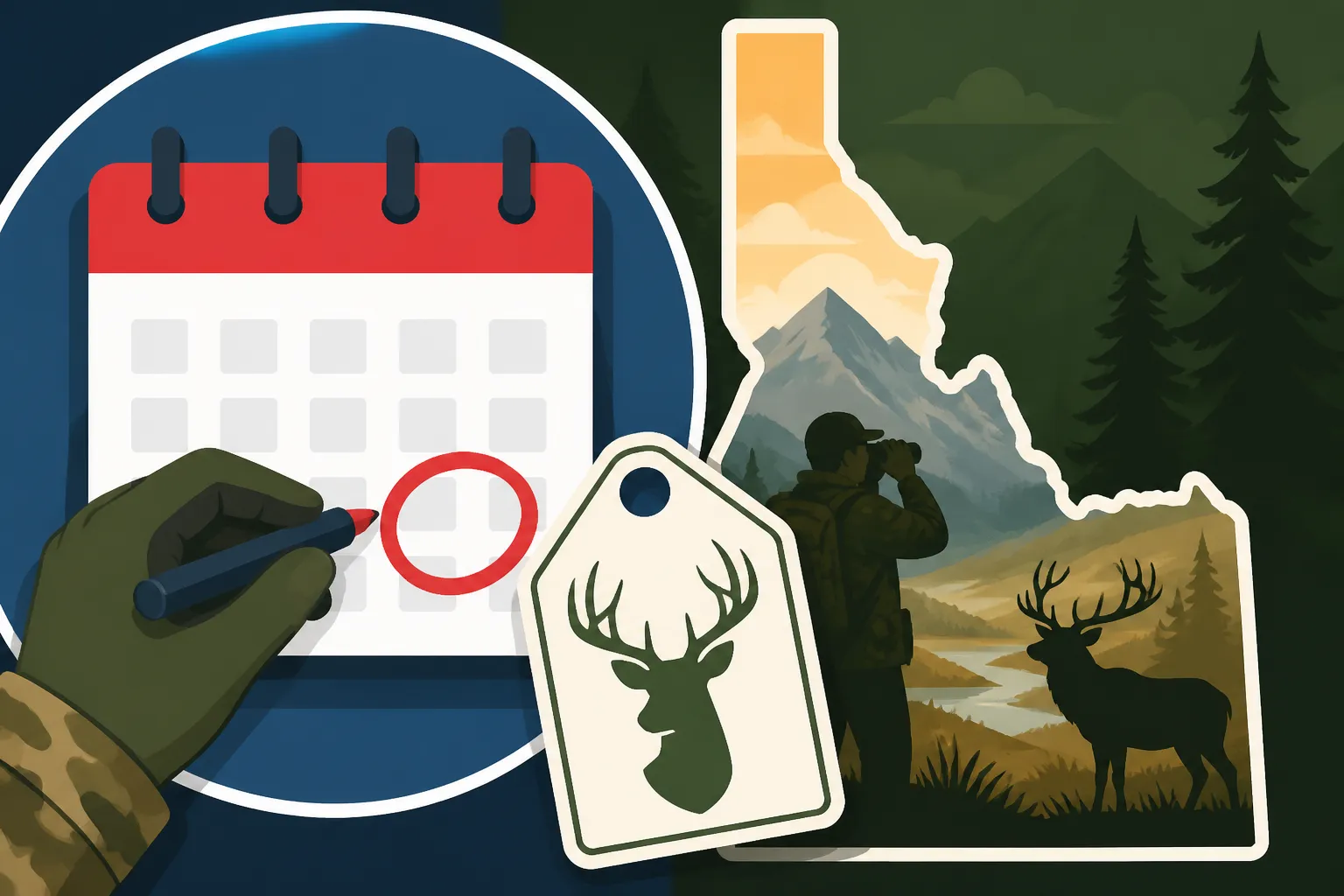
One of the simplest yet most effective ways to avoid missing any hunting deadline is to become a master of your calendar. As soon as you submit your application in December, mark the January purchase deadline in multiple places: your digital calendar (with alerts!), a physical wall calendar, and perhaps even a sticky note on your computer. Set reminders for a week before the deadline, then a few days before, and finally, on the day itself. This multi-layered approach ensures that even if one reminder gets overlooked, another will catch your attention. Don't rely solely on email notifications, as these can easily get filtered into spam or lost in a crowded inbox. Treat this deadline with the same importance as your hunt opener – because it’s just as critical. Many experienced hunters even dedicate a specific calendar just for hunting dates, covering application periods, draw result dates, and purchase deadlines for every state they apply in.
Financial Planning for Idaho Tag Costs
The cost of a nonresident Idaho hunting license and big game tag can be substantial. For example, a nonresident elk tag alone can be well over $600, on top of the base license, bringing the total cost for an elk hunt well into the four-figure range before you even consider travel or gear. It's not a small sum, and having the funds readily available is crucial. Before you even apply, budget for these costs. Set aside the money, or at least ensure you have a credit card with sufficient available credit to cover the full amount.
Here's a quick overview of approximate nonresident costs, as of recent information:
| Item | Approximate Cost (USD) | Notes |
|---|---|---|
| Annual Hunting License | $185 | Required to apply for tags |
| General Deer Tag | $351.75 | |
| General Elk Tag | $651.75 | |
| Archery/Muzzleloader Validation | $20.00 | Required for special weapon seasons |
| Controlled Hunt Application Fee | $1.75 (per species) | Non-refundable |
(Note: These are approximate costs and can change. Always check the official Idaho Fish and Game regulations for the most current fees.)
Having a buffer in your bank account or on your credit card ready for the purchase in January means you won't be scrambling at the last minute or facing a declined transaction. Remember, your Idaho hunting license price is non-refundable even if you don't draw or fail to purchase your tag, so protecting that initial investment by securing your drawn tag is smart financial management.
Utilizing Hunter Planning Tools
In today's digital age, there are fantastic resources available to help you stay organized and on top of hunting deadlines. Websites and apps like GoHunt offer comprehensive state-by-state breakdowns of application dates, draw result dates, and purchase deadlines. Many of these platforms also allow you to track your applications, research drawing odds, and even set up personalized alerts directly through their systems. GoHunt's Insider service, for example, provides detailed information on all of Idaho's hunting units and seasons, including key dates. Leveraging these tools can provide an extra layer of security, acting as a virtual assistant to ensure you never miss a critical step in the convoluted nonresident hunting application process. Don't underestimate the power of these resources, especially when trying to keep track of deadlines across multiple states.
Beyond the First Draw: Other Tag Opportunities
Even if you miss the January deadline, or if you weren't successful in the initial nonresident draw, all is not lost. Idaho offers several other avenues for acquiring tags throughout the year. While these typically involve a race against other hunters, they represent valuable second and third chances.
Idaho's February Second Application Period
Not all tags are claimed in the initial draw or purchased by the January deadline. Idaho often runs a "second application period" in February for specific controlled hunts that still have available tags. This is an important distinction: it’s primarily for controlled hunts, not necessarily the general nonresident deer or elk tags that typically close in January. However, it's a great opportunity for hunters who missed the first controlled hunt draw or are looking for additional options. The availability of tags during this period can vary wildly depending on the year and the specific units, so it pays to stay informed. Our article "What Reopens in Idaho's February Tag Sale" provides more details on how to navigate this lesser-known window. It's often where you can pick up tags for species or units that might have slightly higher odds or less demand.
The Rush for Leftover Tag Sales
Following the February application period and any subsequent draws, Idaho will often have "leftover tags." These are tags that weren't applied for, weren't drawn, or weren't purchased during any of the previous phases. When these leftover Idaho tags are sold first-come, first-served, it creates a mad scramble. Often, these sales happen online at a specific date and time, and tags can sell out in minutes, or even seconds, for desirable units. It requires quick reflexes and a fast internet connection. While the prime units and species are usually gone, there can still be excellent hunting opportunities, particularly for cow elk tags or less popular deer units, especially for resident hunters. Nonresidents often have fewer options in this phase, but it's always worth checking.
Returned Tag Sales
Life happens, and sometimes hunters who have purchased tags find they can no longer make their hunt. In these instances, Idaho Fish and Game allows for returned tag sales. These returned tags become available periodically throughout the year and are typically offered on a first-come, first-served basis online. This is less predictable than the other sale periods, as tags can pop up at any time. Monitoring the Idaho Fish and Game website or utilizing a service like GoHunt that tracks these opportunities can give you an edge. Think of it as a waiting list with no actual list – you just have to be in the right place at the right time. Our "Returned Tag Sales Through the Idaho Season" guide can help you understand this often-overlooked avenue for acquiring a tag. While these are usually few and far between, they offer a glimmer of hope for a last-minute hunt.
Disclaimer
Please note that hunting regulations, seasons, and tag allocation processes in Idaho can change. While every effort has been made to provide accurate and up-to-date information, it is the hunter's sole responsibility to consult the current Idaho Fish and Game regulations and official website before applying for any tags or heading afield. This guide is for informational purposes only and should not be considered legal advice.