How Idaho’s Second Controlled Hunt Drawing Works
Missing out on a coveted hunting tag in Idaho's initial controlled hunt draw can feel like a punch to the gut. All that anticipation, the research, the dreams of chasing big game in the Gem State – only to receive that dreaded "unsuccessful" notification. But here's the good news: for those who didn't draw in the first round, or even for those who just missed the initial application period, Idaho offers a second chance through its second controlled hunt drawing. This comprehensive guide will walk you through exactly how this critical second opportunity works, so you can still fill your freezer and your spirit this hunting season.
Understanding the Origin of Idaho's Second Draw
It’s easy to get frustrated when you don't draw a tag, but understanding the system can help manage expectations and identify opportunities. Idaho's controlled hunt system is designed to manage game populations and hunting pressure effectively across its diverse landscape. The initial application period, which typically runs from April through May for most species, is where the vast majority of tags are allocated. Thousands of hunters apply, hoping to secure one of those highly sought-after permits for elk, deer, antelope, or even the coveted moose, sheep, and goat tags.
However, despite the best intentions and the excitement of drawing, a percentage of these initially allocated tags often go unpurchased. Life happens, right? People's plans change, financial situations shift, or sometimes, applicants simply forget to finalize their purchase before the deadline. This is where the concept of a second drawing comes into play. It's not about creating new tags, but rather about redistributing those tags that were drawn but never claimed, giving other eager hunters a shot.
The unpurchased tags from the first drawing become the pool for this subsequent application period. It's a critical distinction, as it means the availability can be somewhat unpredictable and often skewed towards units or species that might be less popular or more challenging to hunt. But for the dedicated hunter, a less-desirable unit can still mean a fantastic hunt and a chance to experience Idaho's incredible wilderness.
The August Application Period: Your Second Chance Window
If you're eyeing a tag from Idaho's second controlled hunt drawing, timing is everything. Unlike the more extended primary application window, the second draw operates on a much tighter schedule, demanding your attention and quick action. Typically, the application period for this second drawing opens in early August, usually right as the results from the first draw are finalized and the dust settles.
This short window is designed to quickly reallocate tags so that hunters have enough time to plan their hunts before seasons commence, which for many big game species, can be just a few weeks or a month away. You’ll generally find that the application period lasts for a couple of weeks, allowing hopefuls to review the available tags and submit their applications. For specific dates, you should always check the official Idaho Fish and Game website or the current year's hunting regulations, as these can shift slightly from year to year.
Once the application period closes, Idaho Fish and Game processes the applications rapidly. The results are usually posted within a week or two, often by mid-August. This quick turnaround is crucial because if you do draw a tag, you'll need to purchase it very swiftly, usually within a few days of the results being announced. Missing that final purchase deadline, even after drawing in the second round, means that tag goes back into the system for leftover sales, and you’ll be out of luck once again. You can find detailed information on these timeframes in our guide on When Idaho's Second Drawing Application Opens.
Available Tags in the Second Drawing
The biggest question on every hunter's mind for the second controlled hunt drawing is, "What tags will actually be available?" The answer, honestly, can vary quite a bit year to year and largely depends on what tags weren't claimed from the initial draw. It's rare to see a huge bounty of prime, general season elk tags for the most popular units suddenly appear. Instead, you're usually looking at a mix of very specific opportunities.
Often, the tags that roll over into the second draw are for less-pressured units, areas with challenging terrain, or units with very specific weapon restrictions. For instance, you might see tags for archery-only seasons in a unit that's typically rifle-heavy, or late-season muzzleloader tags that require specialized gear. Sometimes, cow elk tags or antlerless deer tags, which are crucial for herd management, might be available in higher numbers. These are fantastic opportunities for meat hunters or those looking to gain experience without the pressure of a trophy hunt.
It’s also not uncommon to find tags for less commonly hunted species or in less accessible areas. Think bear tags in certain units, or perhaps specific early or late-season deer hunts that didn't fill up initially. The key is to be flexible and open to different types of hunts. This isn't the drawing where you typically get your dream bull elk tag in a highly sought-after zone, but it is where persistent hunters can often find unexpected success. For a broader overview of the application process, take a look at The Idaho Controlled Hunt Calendar, April Through August.
Crafting Your Strategy for the Second Drawing
Approaching Idaho's second controlled hunt drawing without a solid plan is a recipe for disappointment. Since the available tags are leftovers and often for more specific or challenging hunts, a thoughtful strategy becomes even more important. This isn't about throwing your name into the hat for your top-tier dream hunt; it's about being pragmatic and maximizing your chances for any hunt.
First and foremost, flexibility is your greatest asset. Don't go into the second draw fixated on a particular unit or species. Instead, look at the list of available tags with an open mind. Are there units you hadn't considered before that now have tags? Are there late-season hunts that fit your schedule? Be prepared to adjust your expectations and even your hunting style to align with what's actually available. Many hunters find incredible success by embracing a new challenge in a unit they might have previously overlooked.
Next, do your homework, and do it quickly. Once the list of available tags is published, you have a limited time to research those units. Use resources like the official Idaho Fish and Game website, online mapping tools, and scouting apps. Look at public land percentages, terrain, access points, and historical harvest data for those specific tags. While detailed analysis might not be possible in a day, a quick assessment can help you prioritize your choices. Services like GoHunt are excellent for quickly sifting through data for specific units and seasons. Understanding the nuances of Idaho's system, especially how it handles multiple applicants for the same limited tags, can be found in our detailed post, How Idaho Draws Without a Point System.
| Feature | First Controlled Hunt Drawing | Second Controlled Hunt Drawing |
|---|---|---|
| Application Period | Typically April 1 – June 5 (approx.) | Typically early August (approx. 2 weeks) |
| Tag Pool | All allocated controlled hunt tags | Unpurchased tags from the first drawing |
| Draw Odds | Generally better for prime units, highly competitive for trophy species | Highly variable; can be good for less popular tags, often lower overall |
| Availability | Broad range of species, units, and hunt types | Leftover tags, often specific weapon types, late seasons, or challenging units |
| Purchase Deadline | Varies, usually early July | Very short, often within days of results posting (mid-August) |
| Application Fee | Yes | Yes |
| Primary Goal | Allocate majority of controlled hunt tags | Reallocate unpurchased tags to maximize harvest opportunity |
Maximizing Your Chances in the Second Drawing
Since the second drawing typically offers tags that were passed over, a different approach is warranted to boost your success. It’s less about having "points" (because Idaho doesn't use them) and more about strategic application and readiness.
One powerful tactic is to consider applying for multiple tags if the regulations allow and your budget permits. While you can only draw one controlled hunt tag for a specific species in a given year, applying for different species or different hunt types (e.g., an antlerless deer tag and a bear tag) can increase your odds of drawing something. Always double-check the current regulations on how many applications you can submit and for which species, as these rules can change.
Another key is to look for "less desirable" tags. This might sound counterintuitive, but if you're serious about getting a tag, these are often your best bet. Tags for areas that require extensive horseback travel, for units with difficult access, or for late-season hunts when weather can be brutal often have fewer applicants. If you're physically prepared, have the right gear, or are willing to face challenging conditions, these tags can lead to incredible hunting experiences. Sometimes, being flexible with your weapon choice, such as opting for a muzzleloader hunt or a Short-Range Weapon Season Dates in Idaho, can unlock more opportunities.
Finally, stay informed and act fast. Sign up for email alerts from Idaho Fish and Game, follow their social media, or regularly check their website around the August timeframe. The moment the list of available tags is posted, review it, make your decision, and apply. Delaying even a day can mean missing out on a tag that was quickly scooped up by another eager hunter. Being proactive is paramount when dealing with these limited, quickly disappearing opportunities.
Monitoring Leftover Tag Sales
Even after the second controlled hunt drawing concludes, not every tag finds a home. It's a reality that some tags, even after two rounds of applications, remain unpurchased. This leads to what many hunters call the "third chance" – the leftover tag sales. These tags are then typically sold on a first-come, first-served basis, creating a rush similar to concert ticket sales.
The leftover tag sale usually begins shortly after the second drawing results are posted and the purchase deadline passes. This means by late August or early September, you might have another shot. These sales are conducted online through the Idaho Fish and Game licensing system, or in person at official vendors. The critical thing to remember is that these tags can disappear in minutes, sometimes even seconds, especially for any decent big game opportunity.
To succeed in leftover sales, preparation is key. Know exactly which tags you're interested in, have your licensing account information ready, and be logged in and refreshing the page the moment sales open. It’s a bit like a digital sprint, and those who are quickest on the keyboard often win. Websites like GoHunt often track and report on these leftover tag opportunities, sometimes even providing alerts, which can be invaluable. It’s another reason why understanding how to buy a tag efficiently, as covered in Buying an Idaho Tag on GoOutdoorsIdaho, is so important.
Common Misconceptions About the Second Drawing
There are quite a few myths and misunderstandings floating around about Idaho’s second controlled hunt drawing, and clearing them up can save you a lot of wasted time and frustration. Let's tackle a few of the most common ones.
First, a big misconception is that the second drawing is a separate allocation of tags. It’s not. As we discussed, the second drawing is only for tags that were drawn in the first round but never purchased. This means the overall number of tags available is much smaller, and the quality or desirability of those tags can be very different from the initial pool. Don't expect to see a full menu of all hunt types for all units; instead, anticipate a more curated, often niche selection.
Another common belief is that applying in the second draw somehow hurts your chances in future primary draws, or that Idaho has a point system that might accumulate. This is completely false. Idaho operates a true random lottery system for its controlled hunts; there are no preference points, no bonus points, and applying in the second draw has absolutely no bearing on your odds in subsequent years' primary draws. Every applicant, whether it's their first time applying or their tenth, starts with an equal chance in the primary drawing each year. This is a fundamental aspect of the state's system, and you can learn more about it in Idaho Has No Preference Points, and What That Changes.
Finally, many hunters mistakenly believe that the second draw is a guaranteed path to a tag, especially if they apply for multiple options. While it increases your chances compared to doing nothing, it's far from a guarantee. The tags are still limited, and depending on the year, there can still be significant competition, even for less popular hunts. It's truly a second chance, not a second certainty.
Planning Your Hunt After Drawing a Second-Round Tag
Congratulations, you drew a tag in Idaho’s second controlled hunt drawing! Now the real work begins. While getting the tag is a huge hurdle, the compressed timeline means you need to shift quickly from application mode to planning and preparation.
First, immediately confirm your tag purchase. As mentioned, the deadline is tight. Don't let your excitement cause you to miss this critical step. Once purchased, print out your tag and keep it with your license, readily accessible. Next, delve deep into the unit and hunt dates. You might have only done a cursory scout before applying, so now it's time for the heavy lifting. Pull up detailed maps – both topographical and satellite imagery. Identify potential access roads, trailheads, water sources, and areas of public land versus private. This is where tools like The Idaho Hunt Planner Is the Tool to Start With become indispensable, helping you visualize the terrain and understand the lay of the land.
Consider the specifics of your tag. Is it an archery, muzzleloader, or rifle hunt? What are the dates? This will influence your gear choices, physical conditioning, and scouting approach. For instance, a late-season muzzleloader hunt in November will require different clothing, shelter, and cold-weather preparedness than an early September archery hunt. You'll also need to consider your weapon choice, whether it's a Recurve Poundage That Will Kill an Elk or understanding the Best All-Around Caliber for Timber and Breaks. If it’s an early season, you might still have time for a quick boots-on-the-ground scouting trip. For late seasons, focus on wintering grounds, south-facing slopes, and areas accessible after early snowfalls.
Finally, think about logistics. Who are you hunting with? Where will you camp? What’s your food and water plan? Given the often more challenging nature of second-draw tags, these details become even more important. Having a solid plan for extraction and meat care is crucial, especially if you're venturing into remote areas. Don't underestimate the effort required, and ensure you're physically and mentally ready for the adventure ahead.
Important Regulations to Keep in Mind
Hunting in Idaho, like any state, comes with a set of rules and regulations designed to ensure fair chase, manage wildlife populations, and maintain hunter safety. When you draw a tag through the second controlled hunt drawing, it's absolutely vital to be intimately familiar with the specific regulations that apply to your tag, unit, and weapon choice. These rules aren't just suggestions; they are legally binding, and ignorance is no excuse.
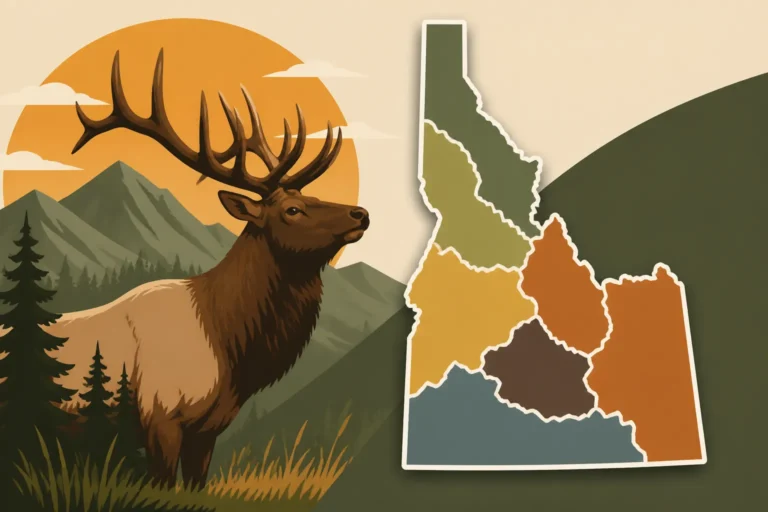
Always start by downloading and thoroughly reading the most current Idaho Big Game Hunting Seasons and Rules brochure. Don't rely on what you think you remember from last year, or what a buddy told you. Regulations can and do change. Pay close attention to the specific unit boundaries for your tag. Idaho uses a complex system of Idaho Runs 99 Game Management Units and How Idaho Elk Zones Sit on Top of the Units, and understanding exactly where your tag is valid is critical. Trespassing, even accidentally, can lead to serious legal trouble and fines.
Additionally, verify the legal shooting hours for your season, any blaze orange requirements, and specific weapon restrictions. For example, if you drew a muzzleloader tag, you must adhere to specific rules regarding scopes, ignition types, and bullet construction that apply to muzzleloader-only hunts. Our article on Why Idaho Muzzleloader-Only Hunts Ban Scopes and Inline Ignition delves into this. Similarly, if your hunt takes you into specific terrain, be aware of rules like Idaho's Motorized Hunting Rule Keeps You on the Road, which restrict vehicle use off established roads. These small details can make or break your hunt, ensuring you stay legal and ethical throughout your outdoor adventure.
Disclaimer
Please remember that hunting regulations, seasons, and application dates can change. Always consult the official Idaho Fish and Game website and the current year's hunting regulations brochure as your primary source of information before planning or engaging in any hunting activities. This guide is intended for informational purposes only and does not supersede official state regulations.