Trapping Rules That Apply to Idaho Wolves
Trying to make sense of Idaho's wolf trapping rules can feel like navigating a dense thicket of ever-changing regulations, leaving even experienced hunters and trappers scratching their heads. It’s frustrating when the rules seem to shift, and you just want to ensure you're compliant while responsibly pursuing your passion. This comprehensive guide is here to untangle the complexities, offering clear, actionable insights into the specific trapping rules that apply to wolves in Idaho, helping you stay informed and legal in the field.
Understanding Idaho's Wolf Management Philosophy
Wolves in Idaho are a fascinating, and at times, controversial topic. Since their reintroduction in the mid-1990s, their populations have expanded significantly, prompting a shift in how they are managed. Idaho Fish and Game (IDFG) views wolves as a managed game species, much like deer or elk, with hunting and trapping playing a crucial role in population control and reducing impacts on big game herds and livestock.
Why Wolf Trapping Regulations Exist
The presence of wolves in Idaho has been a complex issue, bringing both ecological benefits and management challenges. When wolves were reintroduced, the goal was to restore a top-tier predator to the ecosystem. However, their numbers grew quickly, leading to increased predation on elk and deer, as well as conflicts with ranchers over livestock depredation. As a result, the state implemented hunting and trapping seasons to manage their population.
These regulations aren't just arbitrary; they are the result of scientific research into wolf populations, public input, and the state's commitment to balancing wildlife conservation with the needs of local communities. The Idaho Fish and Game strives to maintain a healthy wolf population while also mitigating their impact on other valued species and private property. It's a delicate balance, and the rules reflect the continuous effort to find that equilibrium. For a deeper dive into the overall management approach, you might want to look at information on how Idaho Wolf Management and Harvest Limits are determined.
The Role of Adaptive Management in Wolf Seasons
Idaho's wolf management is often described as "adaptive," meaning the rules and seasons aren't static. They change based on ongoing data collection, including population estimates, harvest numbers from previous seasons, and reports of depredation. This adaptive approach means that what was legal last year might have slight modifications this year, or even within the same season for different units.
The Idaho Fish and Game department continuously monitors wolf populations and habitat conditions. If populations exceed certain thresholds or if conflicts escalate in specific areas, season lengths or harvest limits might be adjusted. Conversely, if localized populations appear to be declining, seasons might be shortened or even closed temporarily. This dynamic system, while sometimes challenging to keep up with, is designed to be responsive to the ecological realities on the ground and ensures sustainable management of the resource. It’s why checking the most current regulations every single season is non-negotiable for any trapper.
Specific Trapping Regulations for Wolves in Idaho
Diving into the nitty-gritty of wolf trapping regulations reveals a detailed framework designed to ensure trapper safety, public safety, and humane treatment of animals, all while achieving population management goals. Ignoring these specifics can lead to serious legal consequences, so pay close attention.
General Season Dates and Unit-Specific Rules
One of the most critical aspects of wolf trapping in Idaho is understanding that seasons aren't uniform across the entire state. Wolf trapping seasons are highly localized, often varying significantly from one Game Management Unit (GMU) to another. This is because wolf populations and their impacts can differ greatly across Idaho's diverse landscapes. For instance, a unit in the Panhandle might have different season dates or even different methods allowed compared to a unit in the central mountains or southeastern deserts.
You absolutely cannot rely on general knowledge from a previous year or a different region. Before you even think about setting a trap, you must consult the current year's Idaho Big Game and Wolf Regulations booklet. This document is your bible for season dates, unit boundaries, and specific rules that apply to each GMU. Websites like GoHunt can also be incredibly helpful resources, often providing user-friendly maps and summaries of regulations that integrate directly with IDFG data, allowing you to easily pinpoint the season dates for your intended trapping area. They simplify the process of navigating complex unit boundaries and understanding specific restrictions on, say, Wolf Season Dates by Unit.
Legal Trap Types and Restrictions
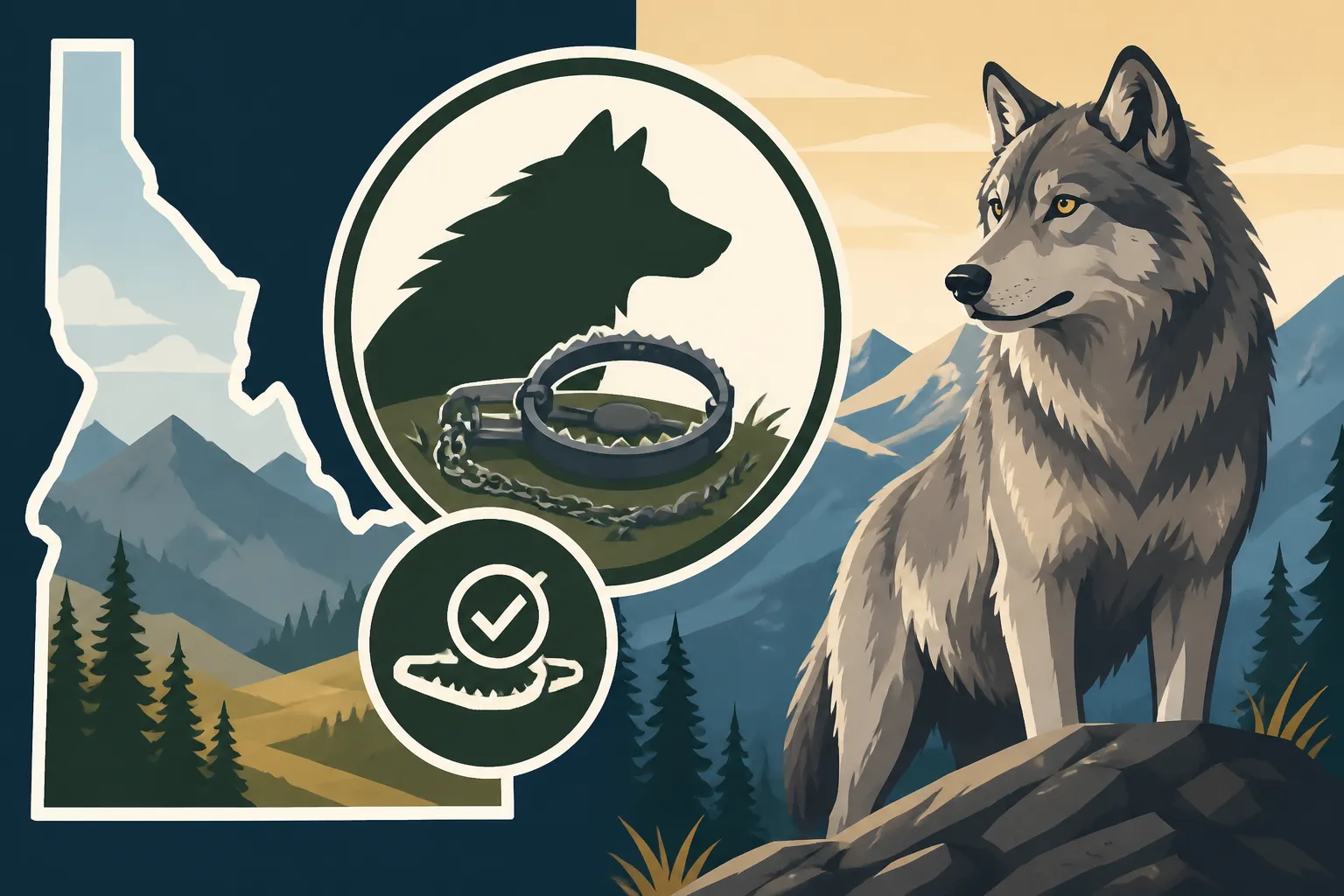
Idaho has clear rules about the types of traps you can use for wolves, focusing on effectiveness, safety, and humane considerations. Generally, leghold traps and snares are the primary legal methods for wolf trapping. However, there are crucial specifications:
- Leghold Traps: For leghold traps, there are minimum and maximum jaw spread requirements. These are in place to ensure the trap is large enough to effectively hold a wolf but not so large that it unnecessarily endangers other non-target large animals, and to ensure it functions humanely. Typically, the jaw spread must be at least 6.5 inches but no more than 8.5 inches. Always double-check these exact measurements in the current regulations, as they can be tweaked. The use of offset jaws and padded jaws is often encouraged or even required for humane purposes, as these features can reduce injury to the animal.
- Snares: Snares are also permitted, but they come with their own set of strict requirements regarding cable diameter, length, and the use of break-away devices. A break-away device is a critical safety feature designed to allow larger non-target animals (like moose or elk) to break free, while still being strong enough to hold a wolf. The cable diameter usually has a minimum of 5/64 inch and a maximum of 3/32 inch, with a loop size limit, often no larger than 12 inches in diameter. Snares must also be equipped with a swivel for ethical reasons and placed in a manner that prevents entanglement.
It’s vital to ensure your equipment meets all these specifications before you head into the field. Getting caught with an illegal trap type or one that doesn't meet the size requirements can result in fines, loss of equipment, and revocation of trapping privileges.
Setbacks, Signage, and Public Safety
Public safety and the avoidance of non-target animal encounters are paramount in Idaho's trapping regulations. This is where the rules on trap setbacks and signage come into play. It's frustrating when you find what seems like the perfect trap location, only to realize it's too close to a road or trail, but these rules are there for a reason: to protect people, pets, and other wildlife.
- Setbacks: You are typically required to set traps a certain distance away from public roads, designated public trails, and private dwellings. For instance, traps often cannot be set within 300 feet of a public road or 10 feet of a public trail. These distances are designed to minimize the chance of accidental encounters with pets being walked, children playing, or non-target wildlife that frequent these areas. The specific distances can vary, so always refer to the current regulations.
- Signage: Furthermore, if you are setting traps in areas that might be accessible to the public, you are often required to post warning signs. These signs alert people to the presence of traps and advise them to keep pets on leashes and children close by. The signs must be visible and placed at reasonable intervals around your trap line. The language on these signs is usually prescribed by IDFG to ensure clarity.
These regulations are particularly important in areas with mixed-use land, where hunters, hikers, and other outdoor enthusiasts might share the same spaces. Compliance helps foster a safer environment for everyone and reduces potential conflicts between trappers and other public land users.
Trap Checking Requirements
Once a trap is set, it becomes your responsibility to check it regularly. Idaho regulations mandate how frequently you must check your wolf traps. This isn't just a suggestion; it's a legal requirement designed to ensure humane treatment of any captured animal and to prevent unnecessary suffering.
Typically, traps must be checked at least once every 72 hours. However, in some areas or during certain seasons, this timeframe might be shorter, perhaps even 48 hours. The exact frequency will be detailed in the current regulations for your specific GMU. Checking traps frequently also allows you to address any issues promptly, such as the capture of a non-target animal, which we'll discuss further down. This commitment to regular checks is a cornerstone of ethical trapping practices and is something every responsible trapper takes very seriously. It’s part of the broader conversation about humane practices, especially when dealing with powerful animals like wolves.
Licensing, Reporting, and Ethical Considerations for Wolf Trappers
Trapping wolves in Idaho isn't just about knowing where to set a trap; it's also about fulfilling your legal obligations regarding licenses and reporting, and upholding the highest ethical standards. These aspects are as crucial as the physical act of trapping itself.
Necessary Licenses and Permits
Before you even purchase a trap, you need to ensure you have the correct legal authority to trap wolves in Idaho. This means obtaining a series of licenses and permits:
- Idaho Hunting and Fishing License: This is your foundational license. All hunters and trappers, resident and non-resident, must possess a valid Idaho hunting or combination hunting and fishing license.
- Wolf Tag: In addition to your general license, you'll need a specific wolf tag for each wolf you intend to harvest. These tags are generally available over the counter and are relatively inexpensive compared to big game tags.
- Idaho Trapping License: This is the specialized license for trapping. Unlike general hunting, trapping requires a dedicated license, which signifies you understand the specific rules and responsibilities associated with setting traps.
- Hunter Education or Trapper Education: If you were born on or after January 1, 1975, you'll need to show proof of completing a hunter education course to purchase a hunting license. For trapping specifically, there might be additional requirements or recommendations for trapper education, ensuring you're familiar with ethical trapping techniques, trap types, and proper handling of captured animals. For more details, you can check out information on Anyone Born After 1974 Needs Idaho Hunter Education.
It's paramount to carry all your valid licenses and tags with you while in the field. Conservation officers routinely check trappers, and being caught without the proper documentation can lead to severe penalties.
Mandatory Reporting After a Wolf Harvest
Successfully trapping a wolf is only half the battle; the administrative requirements afterward are just as important. Idaho has strict mandatory reporting requirements for wolf harvests. This data is critical for IDFG to monitor wolf populations, assess management strategies, and ensure sustainable harvest levels.
- Tagging: Immediately upon harvesting a wolf, you must securely attach your wolf tag to the animal, as specified by IDFG regulations. This typically involves placing the tag through a part of the animal where it cannot be easily removed.
- Check-in and Reporting: Within a very specific timeframe (often 10 days, but always verify the exact number in the current regulations), you must report your harvest to IDFG. This usually involves taking the wolf (or at least its skull and hide with proof of sex) to an IDFG regional office or an authorized vendor for "check-in." During this process, biological data is often collected, such as the wolf's sex, age, and location of harvest. This information is vital for IDFG's ongoing research and adaptive management. Failing to report a harvested wolf within the specified timeframe is a serious offense.
Best Practices for Responsible Wolf Trapping
Beyond legal compliance, responsible wolf trappers adhere to a set of best practices that reflect an ethical commitment to the animals and the environment. This isn't just about avoiding penalties; it's about being a good steward of the resource.
- Minimizing Non-Target Catches: A significant part of ethical trapping is minimizing the capture of non-target animals. This involves careful trap placement, understanding local wildlife movements, and using appropriate bait and lures designed specifically for wolves. For example, placing traps in areas where wolf sign is prevalent and avoiding popular deer or elk trails can help. Learning to read fresh elk sign in dark timber is just as important for trappers as it is for hunters.
- Humane Dispatch: If a wolf is captured, responsible trappers understand and practice humane dispatch methods. This means ensuring a quick and clean kill to minimize suffering. IDFG or trapper education courses often provide guidance on these methods.
- Understanding Wolf Behavior: Knowledge of wolf behavior, their travel patterns, pack dynamics, and territoriality can greatly increase a trapper's success while also reducing the likelihood of issues. Knowing how wolves use terrain, for instance, can help you strategically place traps where they are most likely to encounter them naturally.
Avoiding Conflicts with Other Wildlife and Domestic Animals
One of the most sensitive areas in trapping involves potential conflicts with non-target animals, particularly domestic pets and livestock. Idaho's regulations, and the ethical practices of responsible trappers, aim to prevent these unfortunate incidents.
- Public Awareness: As mentioned earlier, proper signage is critical. If you're trapping near areas where domestic animals might roam, clear warning signs help pet owners keep their animals safe.
- Trap Placement: Avoid setting traps in areas known to be frequented by domestic animals, such as near popular dog-walking trails, ranch perimeters, or common grazing pastures. Utilizing topographical maps and tools like GoHunt to identify public access points and potential conflict zones can be invaluable.
- Release of Non-Target Animals: If you do accidentally catch a non-target animal, you are legally and ethically obligated to release it unharmed if possible. This is another reason for frequent trap checks, as it allows for quicker release of non-target species, minimizing stress and injury. Knowing how to safely and calmly release an animal is a skill all trappers should possess.
Navigating Complexities and Staying Compliant
The world of trapping regulations isn't always straightforward, and staying compliant requires diligence, especially with a species like the wolf, where management objectives can be dynamic.
Where to Find the Most Up-to-Date Regulations
Given the adaptive nature of wolf management, relying on old information is a recipe for trouble. The absolute best source for the most current regulations is the Idaho Fish and Game (IDFG) official website and their printed Big Game and Wolf Regulations booklet. This booklet is published annually and is available online and at licensed vendors.
Beyond the official source, platforms like GoHunt have become incredibly useful for trappers and hunters. Their detailed maps and regulation summaries, often updated in real-time as IDFG makes changes, can help you navigate unit-specific rules, season dates, and even public land access layers. While they are fantastic tools, always cross-reference critical details with the official IDFG regulations. It’s a good habit to ensure you’re adhering to the letter of the law. You might also find their resources helpful when trying to plan an E-Scouting an Idaho Unit Before the Season, which can inform trap placement.
Understanding Public vs. Private Land Rules
The distinction between public and private land is crucial for all hunting and trapping activities in Idaho.
- Public Land: On national forests, BLM land, and other designated public areas, trapping is generally permitted, provided you adhere to all state and federal regulations, including those regarding setbacks from roads and trails. You should always be aware of specific land management agency rules, which can sometimes add layers to state regulations. For example, some Wilderness areas may have different rules or require specific permits or access considerations.
- Private Land: Trapping on private land always requires explicit permission from the landowner. Even if you see wolf sign on private property, you cannot set traps without direct consent. Trespassing for trapping purposes is a serious offense. This includes understanding Idaho's Motorized Hunting Rule Keeps You on the Road rules that impact access to and from trap lines on both public and private lands.
It’s your responsibility to know exactly whose land you are on. Tools like onX Hunt or GoHunt can display land ownership layers directly on your map, which is an invaluable asset for preventing accidental trespass and maintaining good relationships with landowners.
Dealing with Incidental Catches
Despite the best intentions and careful trap placement, sometimes a non-target animal is caught. This is an unfortunate but real possibility in trapping, and Idaho has clear guidelines on what to do.
- Legal and Ethical Obligation: You have a legal and ethical obligation to release any non-target animal that is caught, provided it can be done safely and without further harm to the animal or yourself. This is another critical reason for frequent trap checks.
- Reporting: If a non-target animal is injured or cannot be released, you may be required to report the incident to Idaho Fish and Game. They can provide guidance on how to proceed, which might include dispatching the animal or notifying relevant authorities for animal control or rehabilitation. Never simply leave an injured animal in a trap or dispose of it without proper reporting, as this can lead to severe legal repercussions.
- Prevention: The best approach is always prevention. By carefully selecting trap locations, using species-specific baits and lures, and being aware of the movements of other wildlife and domestic animals, you can significantly reduce the chances of an incidental catch.
Key Idaho Wolf Trapping Regulations at a Glance
To help you keep track of some of the most critical aspects, here’s a quick summary of key regulations. Remember, this is a general overview, and you must consult the current year's IDFG regulations for precise and up-to-date information for your specific trapping unit.
| Regulation Category | General Requirements for Wolf Trapping in Idaho |
|---|---|
| Licenses Required | Valid Idaho Hunting License, Annual Wolf Tag, Idaho Trapping License. Hunter Education (or Trapper Education) required for those born after Jan 1, 1975. |
| Season Dates | Highly variable by Game Management Unit (GMU) and may have specific opening/closing dates. Check current IDFG regulations annually. |
| Legal Trap Types | Leghold Traps: Minimum 6.5 inches jaw spread, maximum 8.5 inches jaw spread. Often require offset or padded jaws. Snares: Cable diameter usually 5/64" to 3/32". Equipped with break-away device (e.g., 285 lb test) and swivel. Loop diameter no greater than 12 inches. Placed to prevent entanglement. |
| Setbacks | Typically, no traps within 300 feet of a public road or 10 feet of a designated public trail. Distances can vary; check regulations. No traps near private dwellings without permission. |
| Signage | Required in accessible public areas. Signs must be visible, spaced appropriately, and clearly state "Warning: Traps Ahead" or similar prescribed language. |
| Trap Checks | Traps must be checked at least once every 72 hours, though some units/seasons may require checks every 48 hours. |
| Harvest Reporting | Mandatory. Wolf must be tagged immediately upon harvest. Skull and hide (with evidence of sex) must be checked in at an IDFG office or authorized vendor within a specific timeframe (e.g., 10 days) after harvest. |
| Private Land | Explicit landowner permission is always required for trapping on private property. |
| Incidental Catch | Legally and ethically required to release any non-target animal unharmed if possible. Injured or deceased non-target animals may require reporting to IDFG. |
Navigating the nuances of wolf trapping in Idaho requires diligence, continuous education, and a deep respect for the resource and fellow outdoor enthusiasts. By staying informed and adhering to both the letter and spirit of the law, you can contribute to responsible wolf management and enjoy the unique challenge that trapping in Idaho offers.
Disclaimer
The information provided in this guide is for general informational purposes only and is not a substitute for the official regulations published by the Idaho Department of Fish and Game. Wildlife laws and regulations can change frequently. Always consult the most current Idaho Big Game and Wolf Regulations booklet or the official IDFG website before engaging in any hunting or trapping activities. Failure to do so could result in fines, penalties, or loss of hunting and trapping privileges.