Meeting Outfitters at a Hunting Expo
Stepping into a hunting expo can feel like wading into a river during runoff season – exciting, full of potential, but also a bit overwhelming if you don't know where to cast your line. You're looking for that perfect Idaho outfitter, someone who can guide you to your dream elk, deer, or bear, but the sheer number of booths and pitches can make it tough to discern the real deal from just another sales pitch. This guide will help you navigate the bustling aisles, ask the right questions, and ultimately connect with the outfitter who's truly the best fit for your next Idaho hunting adventure.
Why Hunting Expos Still Matter for Idaho Hunts
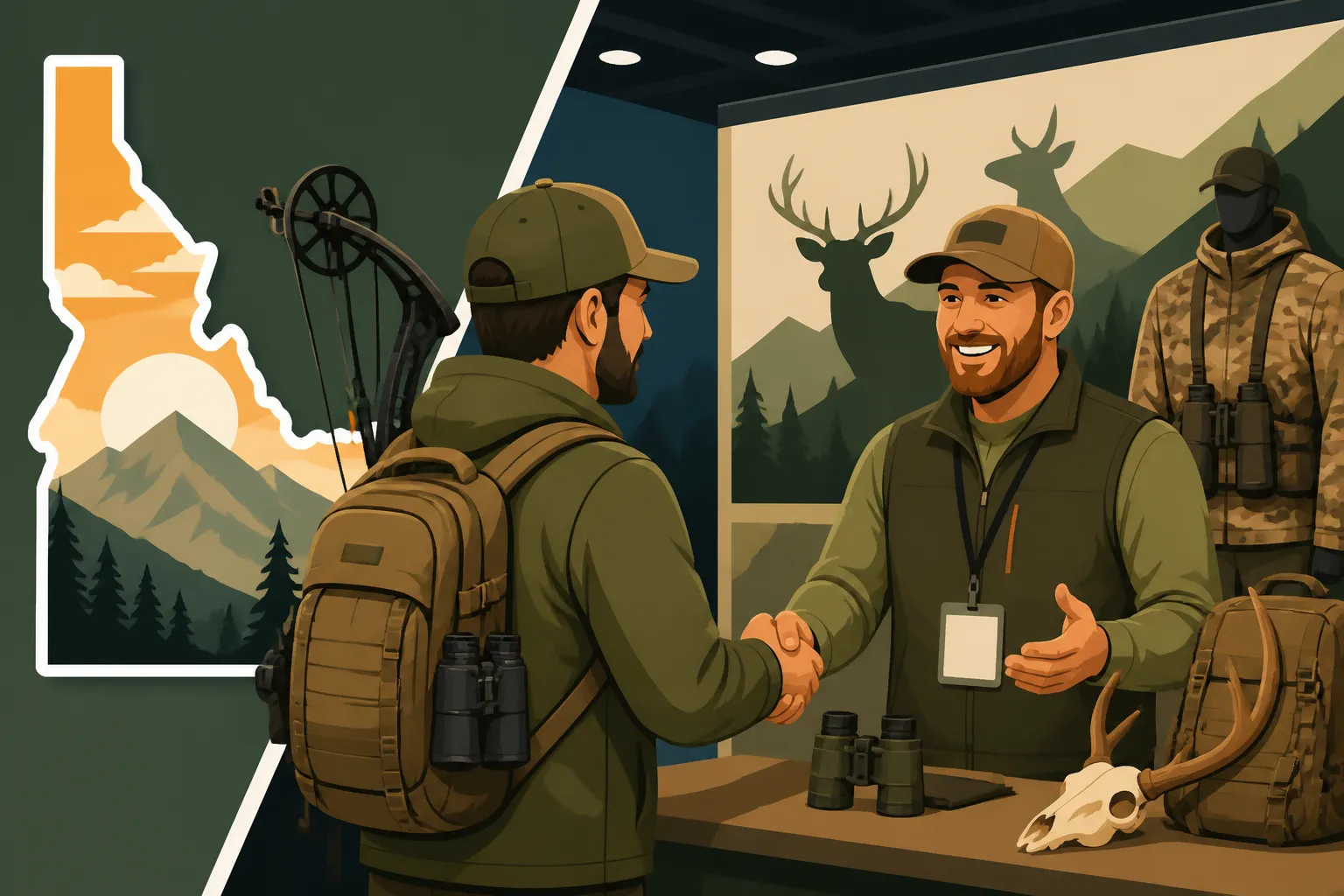
In an age where every outfitter has a slick website and social media presence, it might feel old-fashioned to trek to a convention center, but trust me, hunting expos offer something invaluable that no amount of internet scrolling can replicate: genuine face-to-face interaction. The digital world is fantastic for initial research, for checking out general services and reading reviews on platforms like BookYourHunt, but it lacks the nuance of an in-person conversation. You can’t look an outfitter in the eye online, you can’t get a feel for their personality or truly gauge their passion for the country they hunt in Idaho.
Think about it: planning an Idaho hunt, especially for big game like elk or mule deer, is a significant investment of time, money, and emotional energy. You're entrusting a huge chunk of your dream to this individual and their team. At an expo, you get a chance to informally interview them. You can listen to how they speak about their clients, their guides, and the animals. Do they light up when talking about a tough but successful stalk, or do they primarily focus on trophy sizes and guaranteed shots? This personal connection can tell you volumes about their philosophy and whether it aligns with your own hunting values. It’s where you start to build trust, or recognize a potential mismatch, long before you put down a deposit.
Moreover, expos are often packed with outfitters who specialize in different regions and species across Idaho, from the rugged mountains of the Panhandle to the high desert breaks of the south. You might discover an outfitter working in a unit you hadn't even considered, or one who focuses on a specific type of hunt, like Drop Camps in Idaho's Backcountry or a float hunt down the Salmon River. These interactions can open up entirely new possibilities that you might never have stumbled upon through online searches alone, broadening your horizons beyond the most heavily advertised operations. The dynamic environment, with outfitters often sharing stories and insights, can be an incredible learning experience even if you're not ready to book right away.
Prepping for the Expo: Your Idaho Research Homework
Walking into a hunting expo without any homework is like showing up to a final exam without opening a textbook – you'll likely feel lost and overwhelmed. The key to making the most of your time is to arrive prepared, armed with a good understanding of what you're looking for and some initial background research. This preparation begins long before you set foot on the expo floor and will save you immense time and effort.
First, identify your hunting goals. What species are you after in Idaho? Elk, mule deer, whitetail, bear, or even mountain lion? What type of hunt appeals to you most – a rustic backcountry pack-in, a more comfortable lodge-based experience, or something in between? Are you looking for a fully guided hunt where everything is handled, or a semi-guided or drop camp where you have more independence? Understanding these preferences will help you narrow down the many options you'll encounter. Consider your physical fitness and skill level too; an outfitter specializing in extreme high-country elk hunts might not be the best fit if you're new to Western hunting or have physical limitations.
Before you go, scour the expo's website for a list of attending outfitters. Many will list their names and often their specialties. This is where online tools become incredibly valuable. Look up these outfitters on platforms like GoHunt, which often provides valuable data on drawing odds and unit information. Visit their individual websites. Check out their social media. Look for client testimonials and photos. Pay attention to details like their operating areas – do they hunt public or private land? Are they permitted in National Forests or BLM areas? For instance, if you're dreaming of a true wilderness elk hunt, you'll want to verify if they operate in areas like the Frank Church Wilderness, as Idaho has specific rules about Idaho Forces Nonresidents to Hire a Guide for Wilderness Elk. Compile a short list of 5-10 outfitters that seem to align with your interests, and jot down specific questions you have for each based on your initial research.
| Prep Step | Why It Matters | Key Action |
|---|---|---|
| Define Your Hunt Goals | Narrows down choices, ensures alignment with expectations. | Decide on species, hunt style (e.g., archery, rifle), physical demands, and desired experience. |
| Research Attending Outfitters | Identifies potential matches, helps prioritize conversations. | Check expo website for exhibitor list. Use GoHunt and outfitter websites for initial vetting. |
| Formulate Specific Questions | Ensures you get critical information, shows you're serious. | Prepare a list of questions about hunt details, logistics, costs, and guide experience. |
| Review Idaho Regulations | Ensures you understand state rules, helps vet outfitter compliance. | Familiarize yourself with Idaho licensing, tag requirements, and specific weapon rules for your hunt. |
| Budget Consideration | Sets realistic expectations, prevents awkward financial surprises. | Have a rough idea of your budget for the hunt, factoring in tags, travel, and outfitter fees. |
Making the Most of Face-to-Face Meetings
Once you're at the expo, it's time to put your preparation into action. Approach each outfitter's booth with an open mind, but also with your list of questions ready. Remember, you're not just looking for a hunt; you're looking for a partner in a significant endeavor. Your goal is to gather information, assess their suitability, and start building rapport. Don't be shy about asking direct questions; a reputable outfitter will appreciate your thoroughness.
Start with the basics. Ask about their hunting areas, the types of terrain they typically hunt, and the species they pursue. Inquire about their success rates for the specific species you're interested in, but also understand that "success" can be measured in many ways beyond just killing an animal. A good outfitter will talk about opportunity rates, client satisfaction, and the overall hunting experience. Dig into the logistics: What does a typical day look like? What kind of lodging and food can you expect? How many hunters are in camp at one time, and what's the guide-to-hunter ratio? These details are critical for understanding the reality of the hunt. You can also explore options like What a Guided Idaho Elk Hunt Costs to get an idea of pricing structures and what's included.
Don't forget to ask about their experience and credentials. How long have they been operating in Idaho? Are they properly licensed by The Idaho Outfitters and Guides Licensing Board Explained? Do their guides have appropriate certifications and experience? This isn't about being confrontational, but ensuring you're dealing with professionals who operate legally and ethically. It's also a good time to ask for references – current or past clients you can contact to get an unbiased perspective on their operation. Pay attention to how they answer your Questions to Ask an Idaho Outfitter. Do they seem genuine, or are they giving canned responses? Do they listen to your specific needs, or are they just pushing their most expensive package? Red flags can include vague answers about success rates, reluctance to provide references, or high-pressure sales tactics.
After the Handshake: Following Up and Booking Your Idaho Adventure
The expo isn't the finish line; it's just the starting gun. Once you've collected brochures, business cards, and copious notes, the real work of decision-making begins. It’s tempting to rush into booking, especially if you felt a strong connection with an outfitter, but it's crucial to take a step back and methodically evaluate your options. Remember that Idaho Has No Preference Points, and What That Changes for the draw, so understanding the timeline for tag applications will be critical for your booking.
Organize all the information you gathered. Compare the details from your top two or three choices side-by-side. Review your notes on their services, pricing structure, references, and your gut feeling about them. This is where those platforms like BookYourHunt can come back into play, allowing you to cross-reference information and read additional reviews from hunters who've used their services. Reach out to the references they provided; ask specific questions about their experience, the guide, the camp, and whether the hunt matched their expectations. Don't hesitate to contact the outfitters again via phone or email for any follow-up questions that popped up during your review process. You might even want to clarify details about Booking an Idaho Hunt Around the Draw Calendar to ensure everything lines up perfectly.
Once you've made your decision, be prepared for the next steps. Most outfitters will require a deposit to secure your spot. Carefully read their contract, paying close attention to cancellation policies, payment schedules, and what exactly is included and excluded from the hunt price. Understand that Idaho's draw system is unique, so confirm what happens if you don't draw the necessary tag for your chosen hunt. After all the paperwork is done, keep in touch with your outfitter. A good outfitter will provide you with a detailed gear list, physical conditioning recommendations, and important dates for licenses and tags. This ongoing communication will ensure you're fully prepared for your incredible Idaho hunting adventure, making the transition from handshake to successful harvest as smooth as possible.
Disclaimer
This article is for general informational purposes only and does not constitute professional advice. Laws, prices and regulations vary by location and change over time. Consult a qualified professional for guidance on your specific situation.