River Trip Requirements for Float Guides
Navigating Idaho’s wild and scenic rivers on a hunting or fishing trip is an experience unlike any other, but it’s far from a casual float down a lazy stream. For those of us dreaming of accessing the backcountry by raft or jet boat, trusting your life and your hunt to a professional river guide is paramount. What many folks don't realize, however, is the sheer depth of experience, training, and regulatory hoops these guides have to jump through before they can even push off from the bank. It's not just about knowing how to row; it's about being a certified professional responsible for every aspect of a challenging expedition. This guide will walk you through the rigorous requirements that Idaho demands of its float guides, ensuring they’re equipped to handle anything the river—or the wilderness—throws their way.
Understanding Idaho's Outfitter and Guide Licensing Framework
When you think about a float trip into Idaho’s backcountry, whether it’s for elk hunting the Salmon River breaks or chasing steelhead, you’re often entering a federally designated wilderness or a national forest where commercial operations are tightly controlled. The state of Idaho, through its Outfitters and Guides Licensing Board, works hand-in-hand with federal agencies to ensure that anyone offering a guided trip is not only competent but also operating within strict guidelines. This isn't just about collecting a fee; it's about safeguarding both the clients and the invaluable wild resources.
The Role of the Idaho Outfitters and Guides Licensing Board
At the heart of the regulatory system in Idaho is the Idaho Outfitters and Guides Licensing Board. This board is the primary authority that oversees all commercial outfitting and guiding activities within the state. Their mission is to ensure public safety, protect natural resources, and maintain the professional standards of the outfitting industry. For a river guide, this means they cannot simply hang out a shingle and start taking clients downriver. They must work under a licensed outfitter, and that outfitter is held accountable for the guide's actions, experience, and certifications. If you're researching outfitters for a river trip, checking their licensing status with the IOGLB is always a wise first step. Platforms like BookYourHunt often feature outfitters who clearly state their licensing and operational areas, making your research a bit easier. You can also delve into What the Idaho Licensing Board Actually Regulates to understand the full scope of their oversight.
Federal Permits for Commercial River Operations
Beyond state licensing, many of Idaho’s premier hunting and fishing rivers flow through federal lands—National Forests, Bureau of Land Management (BLM) lands, or even designated Wilderness Areas. Operating commercially on these lands requires special use permits from the respective federal agencies. For instance, guiding a float trip on a river like the Main Salmon, which often includes segments within the Frank Church River of No Return Wilderness, means the outfitter holds a permit issued by the Forest Service. These permits dictate everything from the number of trips allowed per season, the group size, the dates of operation, and even the specific put-in and take-out points. These federal permits are often highly competitive and limited, reflecting the desire to preserve the wilderness character and prevent overcrowding. A guide working a permitted river trip isn't just a guide; they're an extension of an outfitter who has secured a precious right to operate in these special places.
Guide Registration and Experience Requirements
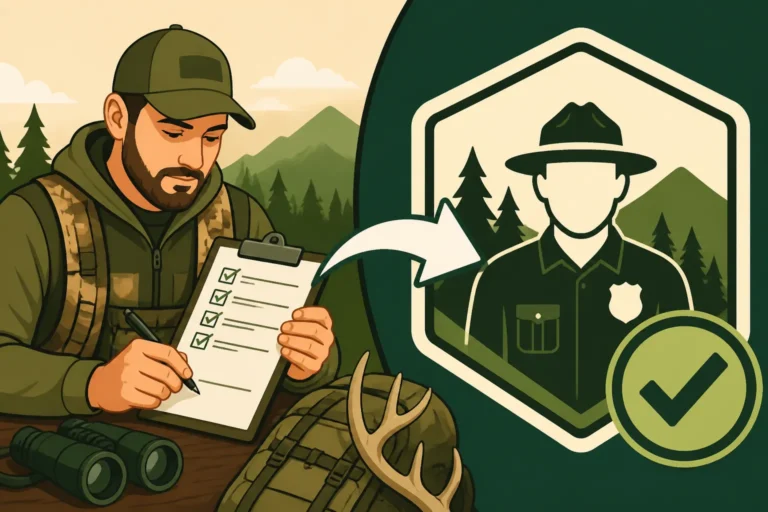
Idaho doesn't just regulate the outfitter; it has specific requirements for the individual guides as well. To be registered as a guide in Idaho, an individual must typically be at least 18 years old and have specific experience relevant to the type of trip they’ll be leading. For float guides, this often means demonstrating proficiency in operating watercraft, navigating rivers, and managing clients in a wilderness setting. The requirements are designed to ensure that the person leading you through rapids or across vast expanses of water has proven their mettle. Often, this includes a minimum number of days or trips logged on the specific river or in the specific area they plan to guide. These are not trivial hurdles; they are designed to filter out inexperienced individuals and ensure that professional competency is the baseline.
Essential Certifications and Training for Idaho Float Guides
It’s one thing to know how to row a boat; it’s quite another to be responsible for a group of hunters or anglers miles from the nearest road, facing potential emergencies. Idaho’s regulatory framework, combined with industry best practices, ensures that float guides carry a suite of critical certifications and training that go far beyond basic river skills. This extensive preparation is what allows them to confidently lead trips into some of the most remote and challenging terrain in the lower 48.
Wilderness First Aid and CPR
Imagine being on a multi-day float trip deep in a canyon, and a client suffers a severe cut, a broken bone, or an allergic reaction. Access to immediate medical care is hours, if not days, away. This is why all reputable Idaho float guides, and often all members of a guide team, are required to hold current Wilderness First Aid (WFA) or Wilderness First Responder (WFR) certifications, in addition to basic CPR. These courses are specialized for remote environments, teaching guides how to assess injuries, stabilize patients, manage pain, and make critical decisions about evacuation in situations where calling 911 isn't an option. It's not just about applying a band-aid; it’s about prolonged patient care and emergency scene management. The value of having a guide with a solid Wilderness First Aid on a Guided Hunt certification cannot be overstated, providing immense peace of mind.
Swiftwater Rescue Training
Idaho's rivers, while beautiful, can be powerful and unforgiving. Rapids, submerged obstacles, and swift currents demand respect and specific skills to navigate safely. Therefore, many outfitters require their float guides to undergo formal swiftwater rescue training. These courses teach guides how to read complex water, identify hazards, perform self-rescue, and, most critically, rescue clients or equipment from dangerous river situations. This includes everything from throw bag techniques to advanced rope systems. It's an intense, hands-on training that prepares guides for worst-case scenarios, ensuring they can react effectively and calmly when things go sideways. This specialized training is a testament to the risks inherent in river travel and the commitment of professional guides to client safety.
Food Handling and Hygiene Standards
On multi-day float trips, especially those in warmer months, proper food storage and preparation are absolutely critical to prevent foodborne illness. Clients are often paying a significant sum for their trip, and nobody wants to spend it sick in a tent. Idaho float guides often adhere to strict food handling and hygiene standards, which might include specific certifications or training on safe food practices in remote environments. This covers everything from proper cooling and storage techniques (think dry ice and ice chests) to preventing cross-contamination and maintaining cleanliness in a wilderness kitchen setup. When you book with a professional outfitter, you can expect clean, well-prepared meals that contribute positively to your overall hunting or fishing experience.
| Certification/Training | Why it's Essential for Idaho Float Guides |
|---|---|
| Idaho Guide Registration | Legal requirement, ensures basic experience and ties guide to a licensed outfitter, providing accountability. |
| Wilderness First Aid/Responder | Crucial for managing medical emergencies hours or days from definitive care. Allows for prolonged patient care and critical decision-making in remote settings. |
| CPR | Foundational life-saving skill, often a prerequisite for WFA/WFR, vital for cardiac or respiratory emergencies. |
| Swiftwater Rescue | Equips guides with the skills to navigate challenging rapids, identify hazards, and perform rescues of clients or gear in dynamic river environments. |
| Food Handling/Hygiene | Prevents foodborne illness on multi-day trips, ensuring client health and comfort in remote camps where refrigeration and clean water are managed differently. |
| Leave No Trace Principles | Essential for minimizing environmental impact, preserving the wilderness character, and complying with federal land use regulations. Guides often teach clients these principles. |
The Practical Demands of Guiding a River Trip in Idaho
Beyond the paperwork and certifications, being an Idaho float guide demands an incredible array of practical skills. It's a job that requires not just strength and endurance but also keen observation, problem-solving abilities, and an unwavering commitment to the group's welfare. These are the unsung heroes who make those incredible backcountry hunts and fishing expeditions possible.
River Reading and Navigation Expertise
One of the most critical skills a float guide possesses is the ability to "read" the river. This means understanding how currents, eddies, rocks, and hydraulics will affect the raft or jet boat. They can anticipate changes in the water, identify potential hazards well in advance, and pick the safest and most efficient line through a set of rapids. This isn't something learned from a book; it comes from countless hours on the water, often on specific stretches of river, accumulating a deep, intuitive knowledge. They also need to be adept at navigating using maps and GPS, especially on multi-day trips where landmarks might be few and far between. Losing your way on a remote Idaho river isn't just an inconvenience; it can be dangerous.
Backcountry Camp Management and Logistics
A guided float trip isn't just about the time spent on the water; it's about the entire backcountry experience. This means guides are also experts in camp management. They know how to pick a safe and suitable camp spot, often adhering to strict federal land regulations, especially in wilderness areas. Setting up tents, kitchen areas, and sometimes even primitive latrines, all while adhering to Leave No Trace principles to minimize environmental impact, falls squarely on their shoulders. This includes managing all the gear, food, and waste for the entire duration of the trip. The logistical challenges are immense – imagine packing everything a group needs for a week, including a hunting camp, into a few rafts and then breaking it all down each morning. Outfitters often use platforms like GoHunt to showcase their trip offerings, and part of what makes those trips successful is the seamless execution of these complex logistics.
Wildlife Awareness and Safety Protocols
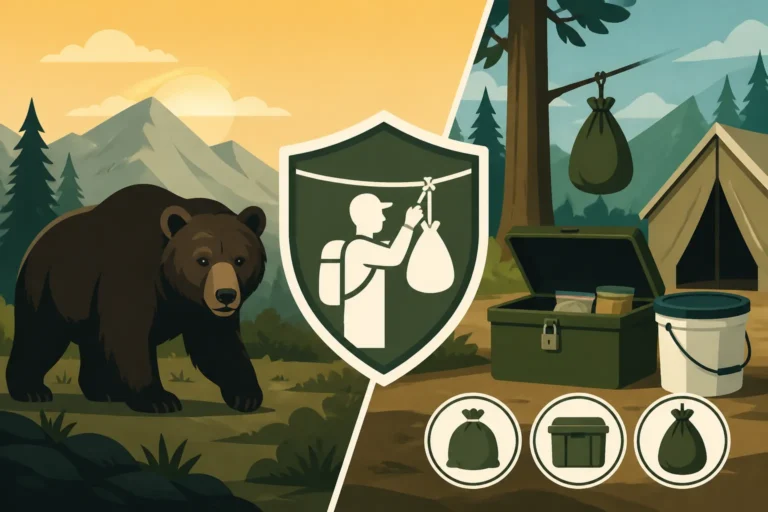
Idaho is wild country, and float trips often take you deep into prime big game habitat. This means guides must be highly aware of local wildlife, including potential encounters with bears, mountain lions, or moose. They'll have protocols in place for food storage in bear country, especially in areas with grizzlies, often using bear-resistant containers or electric fences. They're also trained to react appropriately if a dangerous wildlife encounter occurs, prioritizing client safety. This knowledge isn't just for avoiding problems; it's also about helping clients spot wildlife, understand animal behavior, and appreciate the natural world around them. Understanding Food Storage Rules in Grizzly Country is not just a suggestion; it’s a critical safety measure that guides rigorously follow.
Ensuring Client Safety and Comfort on the Water
Ultimately, the guide's job is to deliver an incredible, memorable experience while keeping everyone safe and comfortable. This requires a unique blend of leadership, empathy, and preparedness. They are the frontline managers of risk and the facilitators of adventure.
Emergency Preparedness and Communication
Despite all the training, emergencies can still happen. A guide’s ability to respond quickly and effectively is crucial. This includes having a comprehensive emergency plan, knowing how to use satellite communication devices like a Satellite Communication From a Backcountry Camp, and understanding the local emergency services or search and rescue procedures, even if they are many hours away. They are responsible for making tough decisions in high-stress situations, whether it's managing a medical crisis or dealing with unexpected weather or river conditions. This calm under pressure is a hallmark of an experienced guide.
Equipment Management and Maintenance
A successful river trip relies heavily on reliable equipment. Float guides are responsible for ensuring that all rafts, oars, frames, camping gear, and safety equipment are in top condition before and during the trip. This means pre-trip inspections, minor repairs on the fly, and knowing how to troubleshoot issues with a raft on a remote river. Imagine a bent oar or a slow leak in a raft; a good guide has the tools and expertise to address it, minimizing downtime and ensuring the trip can continue safely. Their meticulous attention to detail with equipment directly contributes to the safety and enjoyment of the entire group.
Client Care and Group Dynamics
Beyond the technical skills, an Idaho float guide also needs excellent "people skills." They are responsible for the well-being and satisfaction of every client on the trip. This means understanding individual needs, managing expectations, fostering a positive group dynamic, and often acting as a teacher, storyteller, and confidante. They are the face of the outfitter and the primary interface with the wilderness. They educate clients on river safety, local ecology, and the hunting or fishing techniques relevant to the trip. A truly exceptional guide knows how to turn a challenging situation into a bonding experience and ensures that even the toughest days still feel like an adventure.
Disclaimer
This article is for general informational purposes only and does not constitute professional advice. Laws, prices and regulations vary by location and change over time. Consult a qualified professional for guidance on your specific situation.