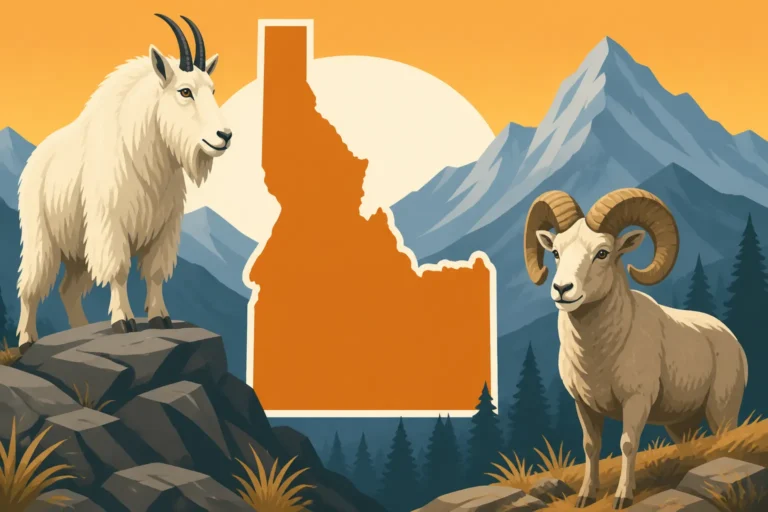
Does Idaho’s Wilderness Rule Cover Mountain Goat?
For many non-resident hunters dreaming of an Idaho mountain goat, the allure of those majestic animals in their high-alpine habitat is powerful. But often, the excitement gives way to a knot of confusion when trying to decipher Idaho's unique wilderness outfitter rule. It’s a frustrating hurdle, especially when you’re pouring over maps and envisioning a truly wild hunt, only to realize there are specific requirements that could change your entire plan. This guide is going to walk you through exactly what Idaho's wilderness guide rule means for non-resident mountain goat hunters, how it impacts your dreams, and what steps you need to take to pursue one of North America's most challenging big game animals.
Understanding Idaho's Wilderness Guide Rule for Nonresidents
Idaho has some truly incredible wilderness areas, vast expanses of roadless country that hold some of the best hunting opportunities for a variety of species. However, for non-resident hunters, accessing these designated wilderness areas to hunt certain big game animals comes with a very specific, and often surprising, regulation: the mandatory guide rule. It’s a rule that can catch many off guard, especially if they’re used to different regulations in other Western states. This isn't just a suggestion; it's a legal requirement designed to manage usage and support the state's outfitting industry within these sensitive ecosystems.
Which Species Trigger Idaho's Wilderness Guide Rule
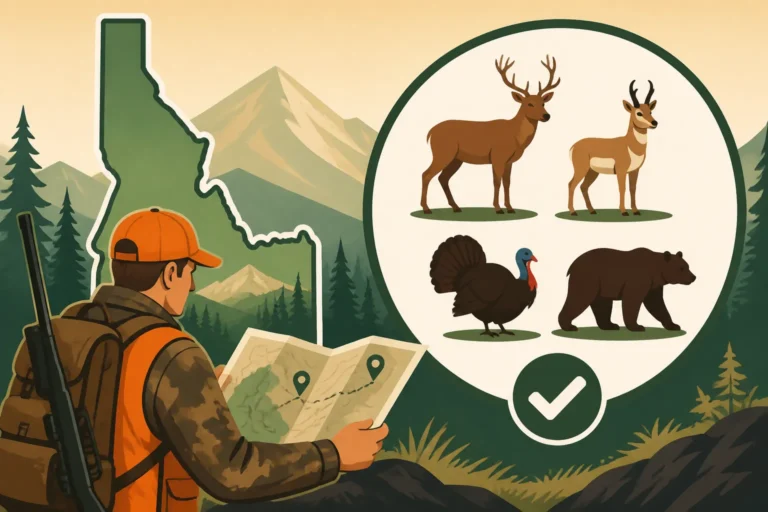
The Idaho wilderness guide rule isn't a blanket statement applying to all big game species or all areas. It's quite specific. For non-resident hunters, certain trophy animals hunted within Idaho's designated wilderness boundaries must be accompanied by a licensed Idaho outfitter and guide. This includes sought-after species like elk, bighorn sheep, and mountain goat. The state has decided that for these particular species, in these particular areas, the non-resident experience needs to involve a professional guide. This regulation ensures a certain level of oversight, safety, and adherence to regulations in challenging terrain. It also helps manage the impact of hunting pressure in these pristine environments.
It’s easy to misunderstand this. You might think, "Well, I'm an experienced hunter, I don't need a guide!" And while your skill might be undeniable, the rule isn't about your individual capability; it's about the legal framework governing non-resident access to these specific hunts. Trying to circumvent this rule can lead to significant penalties, including fines, confiscation of game, and loss of hunting privileges. So, understanding which species fall under this umbrella is the first critical step in planning your hunt. For instance, you can find more specific details on why other species might be exempt by looking at Why Deer Escapes the Idaho Wilderness Guide Rule or Why Bear Escapes Idaho's Wilderness Guide Rule.
Which Idaho Wilderness Areas the Rule Covers
Idaho is home to several major wilderness areas, each offering incredible beauty and challenging hunting. The mandatory guide rule for non-residents applies within the boundaries of designated federal wilderness areas. The big ones you'll typically hear about in the context of hunting are the Frank Church River of No Return Wilderness, the Selway-Bitterroot Wilderness, and the Gospel-Hump Wilderness. These are vast, rugged, and remote landscapes that truly define backcountry hunting.
It's absolutely crucial that you know exactly where these wilderness boundaries lie when you're scouting or applying for tags. Many hunters utilize mapping software like GoHunt or other digital tools to overlay wilderness boundaries onto their unit maps. This allows them to clearly see which areas require a guide and which might be accessible for a self-guided hunt, even within the same game management unit. The rule is strictly enforced at these boundaries, so accidentally crossing into a wilderness area to hunt a regulated species without a guide could put you in a tough spot. Always double-check your maps and talk to the Idaho Department of Fish and Game (IDFG) if you have any doubts about a specific area you plan to hunt.
Mountain Goat Hunting in Idaho's Wilderness: The Specifics
So, to cut right to the chase: yes, Idaho's wilderness rule does cover mountain goat for non-resident hunters. If you draw one of those coveted mountain goat tags and plan to hunt within a designated wilderness area, you absolutely must hire a licensed Idaho outfitter. There's no getting around it, and it's vital to plan for this requirement from the very beginning of your hunt planning process.
Why Mountain Goats Require an Idaho Outfitter in Wilderness
The decision to include mountain goats under the wilderness guide rule for non-residents stems from several factors. Mountain goat populations are often small and localized, requiring careful management to ensure their sustainability. Their habitat, high in the rugged, remote wilderness areas, is inherently challenging and dangerous. The state likely views the presence of a professional, licensed outfitter as a means to ensure ethical hunting practices, client safety, and a reduced risk of lost or wounded animals in such difficult terrain.
Furthermore, mountain goat tags are among the most difficult to draw in Idaho, often requiring many years of applications. These are truly once-in-a-lifetime hunts for many, and the state wants to ensure that these limited opportunities are pursued responsibly. The added cost and expertise of an outfitter, while a significant consideration for hunters, is seen as a necessary part of managing these premium experiences within the wilderness setting. This contrasts sharply with a self-guided hunt for say, a deer or a bear, where Why Deer Escapes the Idaho Wilderness Guide Rule comes into play. You can also explore Mountain Goat Hunting Above Idaho Timberline for more details on the terrain you’ll encounter.
The Role of a Licensed Idaho Outfitter
When you hire a licensed Idaho outfitter for a wilderness mountain goat hunt, you're not just getting a guide; you're securing a comprehensive service that covers a multitude of logistical and safety aspects. These outfits hold specific permits from federal agencies (like the Forest Service) to operate within these wilderness areas. They have the horses, the pack strings, the camp setups, and the deep knowledge of the terrain and goat behavior that are essential for a successful and safe high-country hunt.
The outfitter will provide the necessary guides, who are required to have specific experience and qualifications, including first aid training and extensive knowledge of the hunt area. They handle everything from transportation into the wilderness (often via horses, mules, or sometimes even small planes to backcountry airstrips if permitted), setting up camp, spotting goats, tracking, field dressing, and packing out your animal. This comprehensive support is critical in the extreme environments mountain goats call home. You can learn more about verifying an outfitter's credentials at How to Verify an Idaho Outfitter License and questions to ask when considering one at Questions Worth Asking Before You Book.
Here's a quick comparison of species and the wilderness guide rule for non-residents:
| Species | Designated Wilderness (Non-resident) | General Public Land (Non-resident) |
|---|---|---|
| Mountain Goat | Requires Licensed Outfitter | No Guide Required |
| Bighorn Sheep | Requires Licensed Outfitter | No Guide Required |
| Elk | Requires Licensed Outfitter | No Guide Required |
| Mule Deer | No Guide Required | No Guide Required |
| Whitetail Deer | No Guide Required | No Guide Required |
| Black Bear | No Guide Required | No Guide Required |
| Mountain Lion | Requires Licensed Outfitter | No Guide Required |
| Moose | Requires Licensed Outfitter | No Guide Required |
Navigating the Permit and Planning Process for a Wilderness Goat Hunt
Planning a mountain goat hunt in Idaho is a multi-year endeavor for most, regardless of whether you're hiring an outfitter or not. The draw odds are notoriously long, and the logistics are complex. Integrating the outfitter requirement into this already intricate process is critical from the very beginning.
Drawing Your Idaho Mountain Goat Tag
Before you can even think about an outfitter, you need to draw one of Idaho's highly sought-after mountain goat tags. These are controlled hunts, meaning you must apply through a lottery system. Idaho does not use a preference point system, which means every applicant has the same odds each year they apply, a unique aspect of their draw process that is worth understanding. Information on Idaho Mountain Goat Draw Odds Explained can give you a realistic picture of your chances. Many hunters use resources like GoHunt to research past draw odds, harvest success rates, and unit information to help them decide where to apply. They also provide tools to help you keep track of application deadlines.
Applications typically open in April, with results posted later in the summer. It's a nail-biting wait, and for a mountain goat tag, it's often a long-term commitment. You might apply for a decade or more before finally drawing that golden ticket. This extended timeline also affects when you engage with an outfitter; many outfitters book years in advance, especially for such high-demand hunts. Therefore, you'll need to carefully consider the outfitter's booking and cancellation policies in relation to the draw calendar. Check out When Idaho's Second Drawing Application Opens for alternative tag acquisition opportunities, though these are extremely rare for trophy species.
Booking Your Outfitter for a Wilderness Hunt
Once you've drawn that mountain goat tag, the next immediate step is to secure your outfitter if you plan to hunt in a wilderness area. If you haven't already had preliminary discussions with potential outfitters (which is a smart move, given the long odds and booking schedules), now is the time to dive in. Many hunters will reach out to outfitters well in advance, even before drawing a tag, to understand their operations, availability, and pricing. Some outfitters offer "draw insurance" or flexible booking options that account for the uncertainty of the draw.
Platforms like BookYourHunt can be valuable resources for finding and comparing licensed Idaho outfitters who specialize in mountain goat hunts. They often provide detailed profiles, photos, and client reviews, making it easier to vet potential partners. When speaking with an outfitter, be very clear about your tag type, the specific unit, and the fact that you will be hunting in a wilderness area, which necessitates their services for non-residents. Discuss what the guided hunt includes, the physical demands, the success rates, and any additional costs beyond the base price, such as license fees, meat processing, or taxidermy. You can find more details on what to expect price-wise at Cost Expectations for a Guided Sheep Hunt (as a comparable trophy species).
Alternatives and Key Considerations for Your Idaho Mountain Goat Adventure
While the wilderness guide rule is a definitive factor for non-residents, it's important to remember that not all mountain goat habitat is within designated wilderness. There are units, or parts of units, that hold mountain goats but are outside these specific boundaries.
Hunting Mountain Goats Outside Designated Wilderness
If the idea of a mandatory guided hunt doesn't align with your vision or budget, one alternative is to focus your tag applications on mountain goat units that do not have designated wilderness within their boundaries. These areas would allow a non-resident hunter to pursue a mountain goat without needing to hire an outfitter. This would open up the possibility of a truly self-guided backcountry hunt, though it would still require meticulous planning, significant physical effort, and a deep understanding of the regulations.
However, these non-wilderness units might have different characteristics, such as less remote terrain, different access challenges, or potentially higher hunting pressure depending on the specific location. The draw odds for these tags can also be just as tough, if not tougher, as they often represent the only true "DIY" opportunities for non-residents. It's crucial to thoroughly research the specific unit you're applying for and understand its terrain, access points, and whether any portion of it falls into a wilderness area. The Idaho Hunt Planner Is the Tool to Start With for this kind of research.
Physical Demands and Preparation
Regardless of whether you go with an outfitter or pursue a self-guided hunt outside wilderness boundaries, mountain goat hunting is incredibly physically demanding. These animals live in some of the most unforgiving, steep, and rocky terrain imaginable. Hunters should commit to a rigorous physical fitness program well in advance of their hunt. This isn't just about walking; it's about climbing at elevation, often with a heavy pack, and navigating dangerous slopes.
Your outfitter will provide a gear list and expectations, but ultimately, your success and safety will hinge on your conditioning. Don't underestimate the impact of elevation, especially if you're coming from sea level. Altitude sickness can derail even the most well-planned hunt. So, train hard, be honest with yourself about your physical limits, and prepare for one of the most physically challenging hunts you might ever undertake. Even Packing an Elk Out of Steep Country Alone gives you a hint of the kind of fitness required, and mountain goat country is often even more extreme.
Respecting the Resource
Mountain goats are an incredible species, and their continued presence in Idaho is a testament to careful management and conservation efforts. Whether you're hunting with an outfitter or on a rare self-guided opportunity, always remember the privilege of being in their domain. Practice ethical hunting, ensure a clean kill, and be prepared for the substantial effort required to retrieve your animal from challenging terrain. Good luck on your Idaho mountain goat adventure; it's truly a hunt of a lifetime!
Disclaimer
This article is for general informational purposes only and does not constitute professional advice. Laws, prices and regulations vary by location and change over time. Consult a qualified professional for guidance on your specific situation.